

Are you tired of finding unexpected “gifts” around your home from your feline friend? You’re not alone—litter box issues are one of the top reasons cats are surrendered to shelters each year, but the good news is that training is far simpler than most owners assume.
Unlike dogs, cats have an innate instinct to bury their waste to hide their scent from predators, which means you don’t have to teach them to use a litter box from scratch—you just have to set up the box to match their natural preferences. This guide covers 2026 expert-backed, low-stress training strategies to help your cat use their litter box consistently, no harsh punishment required, so you can skip the mess and enjoy stress-free potty routines with your pet. You can also read our guide on litter box for elderly cat.
Understanding Feline Litter Box Instincts
Cats are prey animals, so they require privacy and a strong sense of safety when eliminating—a trait that directly shapes how you should set up their litter box. In the wild, cats bury waste to hide their scent from predators and avoid drawing attention to their territory, which is why most cats will naturally use a shallow, filled box if it meets their needs. Punishing cats for accidents or forcing them to interact with the box only creates fear and negative associations, leading to more avoidance over time. As feline behavior guidance from the ASPCA notes, cats’ innate drive to bury waste means 90% will use a litter box consistently if it meets their needs for privacy, cleanliness, and accessibility.
Choosing the Right Litter Box
The right litter box is the single most important factor in training success—a poorly chosen box is the top cause of litter box avoidance, per leading cat welfare organizations. Prioritize function over aesthetics when selecting a box for your cat. You can also read our guide on can you train cats like dogs.
Size and Shape Guidelines
A litter box should be at least 1.5 times the length of your cat from nose to tail base, to give them enough room to turn around and dig without feeling cramped. For average adult cats, that translates to a minimum of 18x24 inches; for large breeds like Maine Coons, opt for a 24x36 inch box. Low sides (2-3 inches high) work best for kittens and senior cats with arthritis, while higher sides (8-12 inches) prevent litter scatter for cats that kick when digging. Corner boxes are a good space-saving option for small homes, but make sure they’re large enough for your cat to move comfortably in. For multi-cat households, multi-cat compatible setups reduce territorial stress by giving each cat their own dedicated space.
Covered vs. Uncovered Litter Boxes
Covered boxes trap odors and offer privacy, which works well for high-traffic homes, but many cats find the enclosed space stifling, especially if the box isn’t scooped daily. Uncovered boxes provide better ventilation and a clear view of the surrounding area, which makes most cats feel safer, but they do allow more odor to escape into your home. A common mistake new owners make is assuming their cat prefers a covered box—if you’re unsure, offer both options side by side for a week to see which one your cat uses consistently. If you do opt for a covered box, prioritize models with odor-minimizing designs to reduce the buildup of stale smells inside the enclosure. You can also read our guide on how to train adult cat to use litter box.
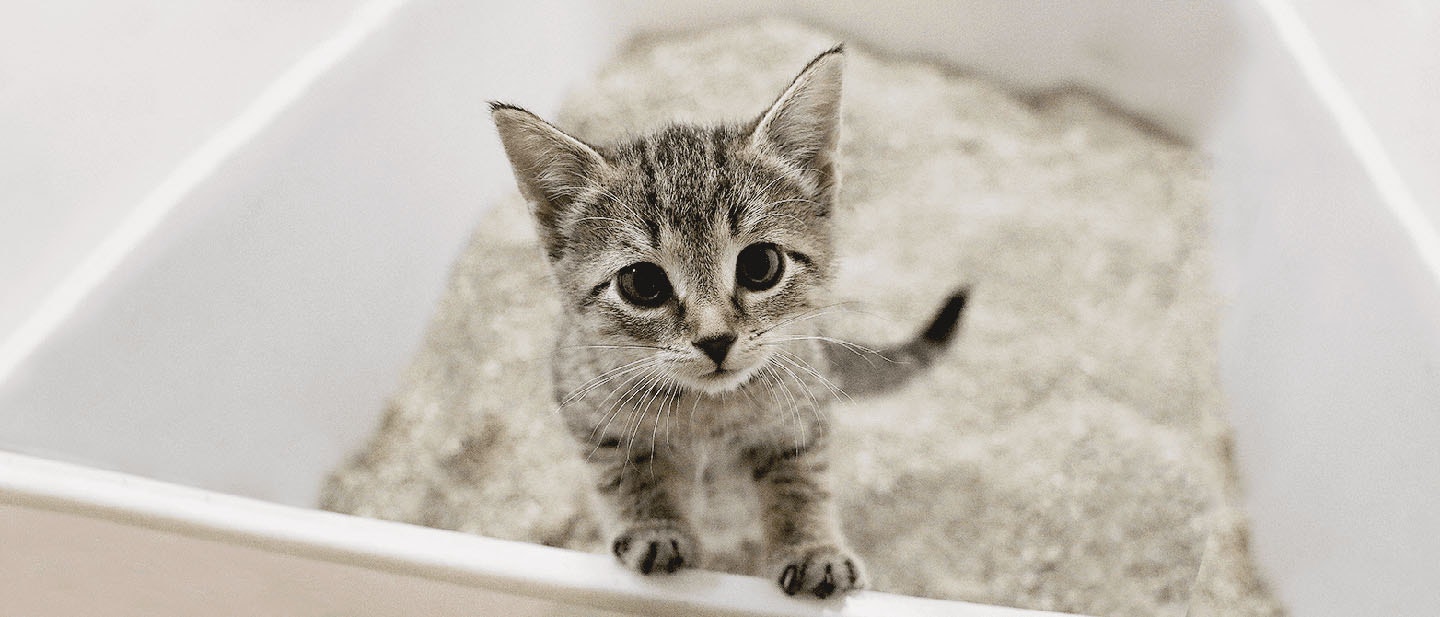
A low-sided box is ideal for kittens and senior cats with limited mobility, making it easy for them to climb in and out.
Credit: www.whiskas.com.ph
Selecting the Ideal Litter
Cats have 200 million scent receptors in their noses (compared to 6 million in humans), so litter choice can make or break your training efforts. What smells neutral to you may be overwhelming or unpleasant to your cat.
Common Litter Types and Their Trade-Offs
- Clumping clay litter: The most popular option, it forms solid clumps when wet for easy scooping, and controls odor well. It’s affordable and widely available, but can be dusty and non-biodegradable.
- Silica gel litter: Low-dust and long-lasting, it absorbs moisture and controls odor without clumping. It’s more expensive upfront, but lasts 2-3 times longer than clay litter, making it cost-effective over time.
- Natural biodegradable litter (corn, wheat, pine): Eco-friendly and low-dust, but some cats dislike the strong plant-based scents, and wet natural litter can mold if not scooped regularly.
Scented vs. Unscented Litter
Scented litter uses synthetic fragrances to mask odors for human comfort, but these strong scents can irritate cats’ sensitive nasal passages and deter them from using the box. Unscented litter is almost always the better choice for training, as it doesn’t introduce foreign smells that could make your cat avoid the box. If odor control is a concern, opt for an unscented litter with built-in odor-neutralizing technology, or add a thin layer of baking soda under the litter to absorb smells without adding fragrance.
Litter Depth Guidelines
Fill the litter box with 1-2 inches of litter—deep enough for your cat to dig and bury their waste, but not so deep that their paws sink and they feel unstable. Too little litter makes it hard for cats to bury waste, which goes against their natural instinct, while too much litter leads to excess scatter outside the box.
Optimal Litter Box Placement
Even the perfect litter box will be ignored if it’s in the wrong spot. Cats prioritize safety and convenience when choosing where to eliminate, so placement is critical to training success.
Prioritize Privacy and Low Traffic
Place the litter box in a quiet, low-traffic area where your cat won’t be startled by sudden noises or passersby. Ideal spots include a spare bedroom, a quiet hallway nook, or a basement laundry room. Avoid placing the box near loud appliances like washing machines, dryers, or furnaces, as the noise can scare cats away. Never place the litter box next to your cat’s food and water bowls—cats instinctively avoid eliminating near where they eat, as it could attract predators in the wild.
Accessibility for All Cats
Make sure the litter box is easy for your cat to reach at all times. For multi-story homes, place at least one box on each floor your cat has access to. For senior cats with arthritis or mobility issues, keep the box on the same floor they spend most of their time on, with no stairs or obstacles blocking access. For kittens, keep the box in a confined, safe space (like a single room) for the first few weeks so they don’t get lost trying to find it.
Step-by-Step Litter Box Training Process
While cats have natural elimination instincts, guiding them to use your designated box takes consistent, low-stress effort. Follow this process for the fastest, most reliable results:
- Set up the box before bringing your cat home: Place the litter box in its permanent location before you bring your new cat or kitten into the house, so it’s already a familiar part of their environment.
- Introduce your cat to the box immediately: Gently place your cat in the litter box after they arrive, and let them sniff and explore it. You can also gently scratch the litter with your finger to show them what it’s for, as many cats will imitate this behavior.
- Place your cat in the box at key times: Cats are most likely to need to eliminate in the 15-30 minutes after eating, waking up from a nap, or playing. Gently place them in the box during these windows to build the habit.
- Reward immediately after use: As soon as your cat uses the box, praise them in a soft, happy tone and give them a high-value training treat to reinforce the positive association. If you use a clicker, mark the exact moment they finish with a click to make the association even clearer.
- Clean accidents without punishment: If you catch your cat having an accident outside the box, gently interrupt them and place them in the box—do not yell, scold, or rub their nose in the mess, as this outdated approach only makes them fearful of you and the box. Clean all accident spots with an enzymatic cleaner, which breaks down the scent of urine and feces so your cat isn’t tempted to use the same spot again.
Maintaining Litter Box Hygiene
Cats are fastidious cleaners, and a dirty litter box is the number one reason they avoid using it. According to leading cat welfare organization International Cat Care, a box that isn’t scooped daily will be rejected by most cats within a week, leading to accidents around the home. Scooping daily also lets you monitor your cat’s waste for early signs of underlying health issues, like changes in consistency or frequency that could signal a problem.
Daily and Weekly Cleaning Routines
Scoop all solid waste and clumps out of the box at least once per day—twice daily is ideal for multi-cat households or cats that use the box frequently. Replace all the litter entirely once a week, and wash the litter box with mild, unscented soap and hot water once a month to remove stuck-on residue and stale odors. Avoid using harsh chemical cleaners, as the strong scents can deter your cat from using the box.
Odor Control Tips Safe for Cats
If you struggle with lingering odors, sprinkle a thin layer of baking soda under the litter each time you replace it—this is a safe, non-toxic odor absorber that won’t irritate your cat’s sensitive nose. Avoid using air fresheners, essential oil diffusers, or scented cleaning products near the litter box, as many common fragrances are toxic to cats. If daily scooping feels like a burden, self-cleaning litter boxes automate waste removal to keep the box fresh with minimal effort from you.
Covered boxes contain odors well, but many cats prefer open designs for better ventilation and a greater sense of safety.
Credit: www.instagram.com

Training Kittens vs. Adult Cats
The training process varies slightly depending on your cat’s age and prior experience, but the core principles of consistency and positive reinforcement remain the same.
Training Kittens
Kittens have small bladders and limited ability to hold waste: a general rule of thumb is that a kitten can hold their bladder for 1 hour per month of age, so a 2-month-old kitten needs a litter box within 1-2 hours of being left alone. Use a low-sided litter box so they can climb in and out easily, and keep them confined to a single room with the box for the first 1-2 weeks to build the habit. Kittens also learn by imitation, so if you have an older, already trained cat, they will often show the kitten where the box is located on their own.
Training Adult Cats
Adult cats may have established habits from previous homes, or negative associations with litter boxes from past experiences. If you’re adopting an adult cat, ask the shelter or previous owner what type of litter and box they used, and replicate that setup as closely as possible to reduce stress. If you need to switch litter types, mix a small amount of the new litter in with the old litter over 1-2 weeks to let your cat adjust gradually to the new scent and texture. Adult cats may also be more sensitive to changes in their environment, so keep the litter box in the same permanent location once you find a spot they like.
Troubleshooting Common Litter Box Issues
Even with the best setup, you may run into occasional issues. Here’s how to fix the most common problems without causing stress to your cat:
Fixing Litter Box Avoidance
If your cat is suddenly avoiding the box, the first step is to rule out medical issues: schedule a vet visit to check for urinary tract infections, constipation, arthritis, or other conditions that make using the box painful. If no medical issues are found, experiment with small changes:
- Switch to unscented litter if you’re using scented
- Try an uncovered box if you’re using a covered one
- Move the box to a quieter, more private location
- Add an extra box to your home, especially for multi-cat households
For cats with anxiety-driven avoidance (often triggered by moving, new pets, or changes to their routine), calming pheromone diffusers can help reduce stress, and pairing rewards with clicker training tools can reinforce positive associations with the box.
Addressing Accidents Outside the Box
Never rub your cat’s nose in their urine or feces, or yell at them for accidents—this outdated advice only causes fear and makes the problem worse. Instead, clean all accident spots immediately with an enzymatic cleaner to remove all scent traces, so your cat isn’t tempted to use the same spot again. If your cat consistently has accidents in one specific area, place a litter box in that spot temporarily to encourage use, then gradually move the box 1-2 inches per day back to your desired location until it’s in the right spot.
Expert Tips for Long-Term Success
These small, often overlooked adjustments will help you avoid common training pitfalls:
- Never move the litter box once you find a spot your cat likes: Even moving it a few feet can confuse your cat and lead to avoidance.
- Skip litter box liners unless your cat is already used to them: Many cats snag their claws on liners, leading to frustration and avoidance.
- Avoid placing the box near your cat’s hiding spots: If your cat feels trapped while using the box, they’ll avoid it.
- Schedule regular vet checkups: Urinary and digestive issues are common causes of sudden litter box avoidance, so annual checkups can catch problems early.
Frequently Asked Questions
How long does it take to litter train a cat?
Most kittens learn to use the litter box consistently within 1-2 weeks, while adult cats may take 2-4 weeks depending on their prior experience and comfort with their new environment. Consistency with routine and positive reinforcement are the biggest factors in speeding up the process.
What if my cat absolutely refuses to use the litter box?
First, schedule a vet visit to rule out medical issues like UTIs, constipation, or arthritis that make using the box painful. If no medical issues are found, experiment with different litter types, box styles, and placements—most cats will adjust once their preferences are met. If problems persist, consult a certified feline behavior consultant for personalized guidance.
Can I train my cat to use a human toilet?
While toilet training kits exist, most feline behavior experts advise against this approach, as it contradicts a cat’s natural instinct to bury waste, and can lead to stress or urinary health issues over time. A traditional litter box is always the safer, more comfortable option for your cat.
How many litter boxes do I need for my home?
The standard rule of thumb is one litter box per cat, plus one extra box placed in a separate location. For example, a two-cat household needs three boxes total, spread across different floors or rooms to avoid territorial disputes and reduce competition.
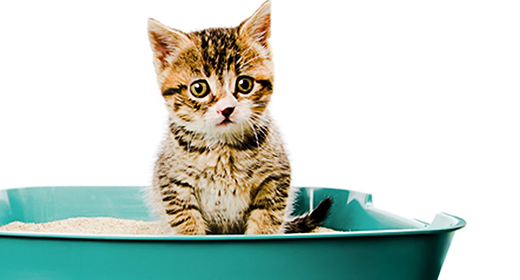
Positive reinforcement is the most effective, low-stress training method for cats of all ages.
Credit: www.iams-india.com
Conclusion
Litter box training doesn’t have to be a stressful, messy process. By aligning your setup with your cat’s natural instincts, prioritizing cleanliness, and using consistent positive reinforcement, you can train your cat to use the litter box reliably in just a few weeks. Remember that every cat learns at their own pace—patience and kindness will always get you better results than punishment or frustration. A well-trained cat means a cleaner home, less stress for both you and your pet, and a stronger bond between you two.
If you’re still facing persistent litter box issues after implementing these steps, consult a certified feline behavior consultant to rule out underlying medical or anxiety-related causes and build a customized training plan for your cat.