
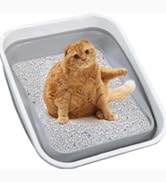
Watching your once-agile feline companion struggle to climb into their litter box is one of the hardest parts of caring for an aging cat. As cats enter their senior years (10+ for most breeds), age-related changes like osteoarthritis, reduced vision, muscle weakness, and cognitive decline can turn even the most routine daily task into a source of pain and stress. The right litter box for elderly cat: comfort and ease guaranteed isn’t just a convenience — it’s a critical tool for maintaining your cat’s dignity, preventing accidents, and supporting their long-term health. According to the American Animal Hospital Association, 1 in 3 cats over the age of 10 show clinical signs of osteoarthritis, a condition that makes navigating high or narrow litter boxes painful. Below, we break down evidence-based, vet-approved guidance to help you choose, place, and maintain a litter setup that works for your senior cat’s unique needs.
Why Elderly Cats Need Specialized Litter Box Setups
Cats are masters at hiding pain, so subtle changes to their mobility or habits often go unnoticed until accidents start happening around the house. Beyond osteoarthritis, senior cats frequently develop reduced vision (including cataracts and retinal degeneration), which makes it hard to judge the height of a box entry or see the litter inside a covered box. Cognitive decline, similar to dementia in humans, can cause cats to forget the location of their box or become anxious in unfamiliar spaces. Urinary tract and kidney issues are also far more common in older cats, meaning easy access to a clean box is critical to preventing painful urinary retention or infections. In practice, many owners mistakenly assume their cat is being stubborn when they avoid the litter box, when in reality the setup is causing them measurable discomfort. You can also read our guide on best way to train a cat.
Key Features to Look for in a Senior Cat Litter Box
Not all litter boxes are built for aging cats, and prioritizing the right features will eliminate most common access issues. Focus on these core design elements when shopping for a new box:
Low, Wide Entry Points
The ideal entry height for a senior cat’s litter box is 2 inches or less, with 1 inch being optimal for cats with severe arthritis or limited leg mobility. Avoid boxes with tall, solid walls that require your cat to step up or jump to enter. If you prefer a box with higher sides to contain litter scatter, look for models with a cutout entry that meets the 2-inch height requirement. For cats with extreme joint pain, a gentle ramp with a non-slip surface (a 1:12 slope, or 1 inch of height per 12 inches of length) is a low-cost add-on that makes entry completely painless.
Spacious, Open Design
Veterinary guidelines from Cornell University College of Veterinary Medicine recommend a litter box that is at least 1.5 times the length of your cat (from nose to tail base) to allow comfortable turning and digging. For a typical 10-pound domestic cat, this means a minimum size of 18x24 inches. Open-top designs are almost always better than covered boxes for senior cats: covered boxes trap odors that are unappealing to cats with sensitive noses, and can make it hard for cats with vision loss to see the exit, causing anxiety that leads to avoidance. You can also read our guide on easy clean cat litter box.
Easy-to-Clean, Non-Porous Materials
Smooth, non-porous plastic is the most common low-maintenance option, but avoid textured or rough interiors that can irritate sore paws. Stainless steel is a durable, odor-resistant alternative that works well for cats that spray urine, as it doesn’t absorb smells the way plastic can. Look for models with antimicrobial additives that reduce bacteria growth between cleanings, a useful feature for senior cats with weakened immune systems.
Optional Convenience Features
Self-cleaning litter boxes can reduce daily scooping work, but they are not ideal for all senior cats: the noise and movement of automated rakes can scare skittish or cognitively impaired cats. If you want to try a self-cleaning model, opt for a quiet unit with a slow cleaning cycle, and test it with your cat unsupervised first to ensure they are comfortable with the operation. Pairing a self-cleaning box with a quiet, senior-friendly self-cleaning model eliminates the guesswork of finding a low-noise option. You can also read our guide on can you train cats like dogs.

High sides contain kicked litter, while the low front entry ensures easy access for cats with joint pain.
Credit: www.amazon.com
Litter Choices That Reduce Discomfort for Senior Cats
The type of litter you use is just as important as the box itself for senior cats. Age-related sensitivities mean you’ll need to prioritize comfort, safety, and health monitoring when selecting a formula:
Low-Dust, Fine-Grain Formulas
Dust from traditional clay litter can irritate a senior cat’s respiratory system, especially if they have underlying asthma, heart disease, or chronic bronchitis. Opt for dust-free or low-dust formulas made from fine silica gel, paper, or wood pellets. Fine-grained litter is also gentler on sore paws when digging, reducing the strain on arthritic joints.
Clumping vs. Non-Clumping for Health Monitoring
Clumping litter offers a unique benefit for senior cats: it lets you spot early signs of health issues in your cat’s waste. Blood in urine, changes in stool consistency, or abnormal clump size can be early indicators of urinary tract infections, kidney disease, diabetes, or gastrointestinal issues — all of which are far more common in cats over 10. If your cat has very sensitive paws that are irritated by clumping clay, non-clumping paper or silica litter is a comfortable alternative, but you will need to monitor the box more closely for waste changes. If you use an automated self-cleaning box, be sure to select a compatible litter pick that clumps effectively without jamming the mechanism. You can also read our guide on best ear wipes for cats.
Scented vs. Unscented
Always choose unscented litter for senior cats. Strong artificial fragrances can irritate sensitive nasal passages, and cats with cognitive decline may find unfamiliar scents confusing or off-putting, leading them to avoid the box entirely.
Optimal Placement for Accessibility and Comfort
Even the perfect litter box will go unused if it’s placed in an inconvenient or stressful spot. Follow these placement rules to ensure your senior cat can access it easily:
Prioritize Ground-Floor Access
If you live in a multi-level home, place at least one litter box on every floor your cat regularly uses. Forcing an arthritic cat to climb stairs to use the bathroom causes unnecessary pain and can lead to accidents. For cats with cognitive decline, who may forget the location of the box, having multiple boxes in frequently used rooms reduces the risk of accidents. You can also read our guide on does spaying a cat change behavior.
Quiet, Low-Traffic Zones
Cats need to feel safe when eliminating, so place the box away from loud appliances (laundry machines, HVAC units), high foot traffic areas, and spaces where your cat might feel trapped or startled. Avoid placing the box next to their food or water bowls, as cats instinctively avoid eliminating near their eating area. That said, don’t hide the box in a dark, inaccessible closet: cats with vision loss need to be able to see the entrance from a short distance to feel confident approaching it.
Clear, Non-Slip Pathways
Remove throw rugs, cords, and small furniture blocks from the path between your cat’s favorite resting spots and the litter box. Slippery hardwood or tile floors are a major hazard for cats with muscle weakness or arthritis: add non-slip mats along the path and in front of the box to give your cat stable footing. A heated mat near the box can also soothe stiff joints for cats that struggle with cold surfaces.

Purpose-built senior litter boxes often have extra-wide entrances and non-slip edges to accommodate cats with limited mobility.
Credit: www.walmart.com
Adjustments for Common Senior Cat Health Issues
Every senior cat’s needs are unique, and small tweaks to their litter setup can address specific health challenges:
Arthritis and Joint Pain
In addition to a low-entry box and ramp, place a soft, low-pile mat inside the box to cushion your cat’s paws while they dig. A heated mat positioned next to the box can soothe stiff joints before and after use, making the trip to the box feel less daunting.
Vision Loss
Keep the litter box in the exact same spot at all times: moving it even a few feet can confuse a cat with limited sight and lead to accidents. Use a light-colored litter (blue or green works well) against a white or light-colored box to help your cat see the interior, and add a small night light near the box to illuminate the path in low light.
Cognitive Decline (Feline Dementia)
Cats with dementia often forget where their litter box is or become anxious in unfamiliar spaces. Place multiple boxes in familiar, consistent locations, and avoid rearranging furniture around the box area. A feline pheromone diffuser placed near the box can reduce anxiety and encourage consistent use.
Urinary Tract and Kidney Issues
Easy access to the litter box is critical for cats with urinary issues, as holding urine for long periods can worsen infections or cause painful blockages. Scoop the box at least once daily, as strong ammonia odors can make cats avoid the box entirely and hold their urine longer. If you notice your senior cat urinating more frequently, straining, or having accidents, consult your vet immediately: these are often early signs of treatable urinary or kidney disease.
Training Your Senior Cat to Use a New Litter Box
Older cats are creatures of habit, and sudden changes to their environment can cause stress and resistance. Follow these steps to make the transition to a new box as smooth as possible:
Gradual Introduction
Place the new litter box directly next to the old one for 3–5 days, keeping the old box clean and accessible. Once your cat is using the new box regularly, move it 1 foot closer to your desired permanent spot each day, until it is in place. If you are also switching litter types, mix 75% of your cat’s old litter with 25% of the new formula for the first week, gradually increasing the proportion of new litter over time. Never remove the old box until your cat is consistently using the new one for at least 1 week.
Positive Reinforcement
Reward your cat with a small treat, gentle petting, or verbal praise immediately after they use the new litter box. High-value treats like wet food work especially well for senior cats who may be picky eaters. Never scold your cat for accidents: this will only make them anxious and more likely to avoid the box entirely.
Troubleshooting Resistance
If your cat avoids the new box for more than 3 days, first check for physical discomfort: the entry may still be too high, the litter may be too rough on their paws, or the box may be placed in a stressful location. If no obvious issues are present, consult your vet to rule out underlying health problems like UTIs or worsening arthritis pain that may be making the new box uncomfortable.
Common Mistakes to Avoid
Many well-meaning owners unintentionally create litter box setups that stress their senior cats. Avoid these common pitfalls:
- Choosing a box that’s too small: A cramped box makes it hard for cats to turn around and dig, especially for overweight or arthritic cats. Always measure your cat from nose to tail base and pick a box at least 1.5 times that length.
- Placing the box near food or water: Cats have an instinct to eliminate away from their eating area, so placing the box next to their bowls will almost always lead to avoidance.
- Using harsh cleaning products: Ammonia, bleach, and strong disinfectants smell like urine to cats, so they will avoid a box cleaned with these products. Use mild, unscented soap and water, or a pet-safe cleaner, to wash the box weekly.
- Ignoring subtle signs of discomfort: If your cat hesitates to enter the box, meows while using it, or leaves before finishing, this is a sign of pain, not stubbornness. Adjust the setup immediately to reduce strain.
Frequently Asked Questions
How high should a litter box entry be for an elderly cat?
The ideal entry height is 2 inches or less, with 1 inch being optimal for cats with severe arthritis. Ramps with a gentle 1:12 slope are a great add-on for cats that struggle with even small steps.
Are self-cleaning litter boxes safe for elderly cats?
Yes, as long as you choose a quiet model with a slow cleaning cycle and no exposed moving parts that could trap paws or tails. Test the box with your cat unsupervised first to ensure they are not scared of the noise.
My elderly cat is pooping outside the box — what should I do?
First, consult your vet to rule out underlying health issues like constipation, UTIs, or arthritis pain that may be making it hard to enter the box. Then, clean all accident spots with an enzymatic cleaner to remove urine and feces scent, and ensure the box is low-entry, clean, and placed in an easily accessible location.
Should I get a covered litter box for my senior cat?
Almost always no. Covered boxes trap odors that are unpleasant for senior cats with sensitive noses, and can make it hard for cats with vision loss to see the exit, causing anxiety. Stick to open-top designs for most senior cats.
Pairing a well-designed litter setup with a nutritious senior wet food supports overall kidney and urinary tract health, reducing the risk of the health issues that often lead to litter box avoidance in aging cats. For multi-cat households with senior residents, our guide to spacious multi-cat options can help you find a box that accommodates all felines without causing stress.
Conclusion
Small, intentional adjustments to your senior cat’s litter setup can eliminate pain, reduce accidents, and dramatically improve their quality of life in their later years. Prioritize low entry points, easy access, consistent placement, and regular cleaning to create a space your cat feels safe using. If you’re ready to upgrade your current setup, explore our curated guide to the best low-entry litter boxes for senior cats to find a model that fits your home and your cat’s mobility needs. Your cat’s comfort is worth the small effort, and every adjustment you make is a reflection of the care you have for your aging companion.