
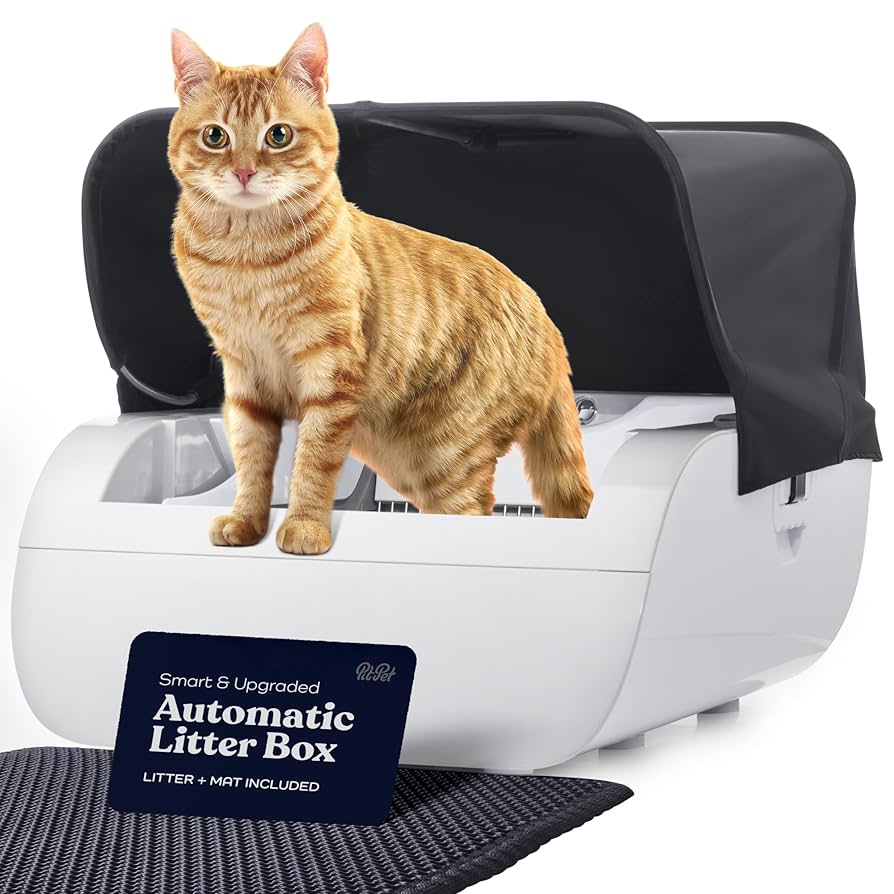
For many cat owners, the daily ritual of scooping a litter box is the least pleasant part of caring for a beloved pet. The odor, the dust, the constant monitoring — it adds up quickly. An automatic litter box can change that routine by handling waste removal on a consistent schedule, reducing ammonia buildup, and keeping the box fresher for your cat. This guide walks through how these systems work, which features actually matter, what current models offer, and how to transition your cat without causing stress. Whether you manage a busy household, live with multiple cats, or simply want to spend less time bent over a litter tray, the right automatic system can genuinely improve daily pet care. For a broader look at how these units compare with manual options, see this overview of automated litter management systems.
Why a Manual Litter Box Can Fall Short
A traditional litter box only works well when someone scoops it at least once a day, ideally twice. That task may take just a few minutes per session, but across a week, month, and year, the time commitment is substantial. More than the inconvenience, a soiled box creates an environment where bacteria multiply, ammonia vapors accumulate, and your cat may begin to avoid the box altogether. You can also read our guide on auto litter boxes for cats.
Cats are fastidious by nature. When the substrate is dirty, many will hold urine longer or seek out alternative spots such as carpets, laundry piles, or bedding. That avoidance is not spite — it is a normal feline response to an unsanitary toilet area. Urinary discomfort, inappropriate elimination, and stress-related behaviors can follow. For owners, the result is often extra cleaning, odor control products, and sometimes veterinary visits.
Manual boxes also require more frequent full litter changes. Without daily scooping, clumping litter saturates, and non-clumping litter becomes unusable more quickly. This means more litter purchased, more bags hauled to the trash, and more dust released into your home. While a manual setup can work well for a highly disciplined owner, it falls short for anyone with limited time, mobility challenges, or multiple cats. Moving to a self-cleaning litter box can address many of these pain points without requiring a complete behavior change from your cat. You can also read our guide on automatic cat litter box amazon.
How Automatic Litter Boxes Work: 3 Core Mechanisms
Not every automatic litter box operates the same way. Understanding the core mechanism helps you choose a model that fits your home, your cat’s habits, and your tolerance for maintenance. The three most common designs are rake-style, rotating globe, and flushable sanitizing systems. A fourth category — gravity or rolling models — offers a low-tech middle ground that is worth knowing about.
Rake-Style Systems
Rake-style automatic litter boxes use a motorized rake that moves through the litter after your cat exits, pushing or lifting clumped waste into a sealed compartment. These models typically wait for a preset delay after the cat leaves, then run a cleaning pass. Most work well with standard clumping clay or clumping biodegradable litter. In practice, rake systems are reliable and widely available, but they require a litter that clumps firmly enough for the rake to lift without crumbling. Loose or poorly clumping litter can leave behind small soiled fragments that build up odor over time. Look for a stainless steel rake if possible, as it resists rust and is easier to clean than plastic. You can also read our guide on how to introduce my cat to a new kitten.
Rotating Globe Systems
Rotating globe models use a spherical drum that slowly rotates after each use. A grate inside separates solid clumps from clean litter, sending waste into a drawer below while returning usable litter to the globe. This design is efficient because it removes only soiled clumps rather than dumping large volumes of litter. In multi-cat households, the globe can run more often without excessive litter waste. One trade-off is that the rotating motion and the internal mechanism create more moving parts, so occasional deep cleaning is required to keep sensors and seals functioning well. These models tend to be the most popular choice for owners who want to minimize litter purchases over time.
Flushable Sanitizing Systems
Flushable systems, such as the CatGenie line, replace traditional litter with washable granules. After the cat leaves, the unit scoops solid waste, rinses the granules with water and a sanitizing solution, and sends the liquid waste through a standard drain line. This eliminates the need to buy and dispose of clumping litter entirely. In exchange, installation is more involved. Most flushable models require access to a cold water line and a drain, which is simpler for homeowners than for renters. They also use water per cycle, so households in drought-prone areas should weigh that ongoing resource use. For owners committed to a zero-litter-waste setup, this is the closest option to a hands-free toilet for cats. You can also read our guide on best automatic cat feeders for arthritic cats low entry.
Rolling or Gravity Systems
Rolling models like the Omega Paw Roll-Away take a simpler approach. You roll the entire box onto its side, a grate inside sifts the clumps into a pull-out tray, and then you roll it back. There is no motor, no sensor, and no cord to plug in. That makes rolling boxes extremely affordable and quiet. The trade-off is clear: they are not fully automatic because you must roll the unit once or twice a day. For a budget-conscious single-cat household, however, this can be a practical compromise that greatly reduces scooping without a major investment. If you are curious how these compare with motorized options, see this guide to the Omega Paw rolling model.
Critical Features to Prioritize When Shopping
A higher price does not automatically mean a better fit for your home. The features that matter most depend on your cat’s size, age, health, and your willingness to maintain the unit. These are the areas to evaluate before buying. You can also read our guide on can you train cats like dogs.
Safety Sensors and Timers
Safety should come first. A quality automatic litter box must not cycle while your cat is inside. Look for models with weight sensors, infrared sensors, or both. The unit should pause immediately if a cat steps in or near the opening mid-cycle. Adjustable delay timers are also important, especially for nervous cats that need a few extra minutes after using the box. A common mistake is buying a model with only a short fixed delay and then wondering why a skittish cat refuses to go near it. In practice, a 7- or 15-minute delay gives most cats enough time to leave the area and return without associating the box with sudden movement.
Odor Control and Waste Containment
Automatic removal only helps if the collected waste is sealed away effectively. Prioritize a waste drawer with a lid or gasket that closes tightly, plus a carbon or HEPA filter to neutralize ammonia and bacteria between cleaning cycles. Some models circulate air through the litter bed or include replaceable odor absorbing packs. Without this, a motorized rake simply moves waste from one open area to another open drawer, and your home may not smell much better. The best systems combine mechanical waste separation with genuine odor containment. You can also read our guide on best way to groom a long haired cat.
Accessibility and Cat Comfort
Entry height matters, especially for senior cats, cats with arthritis, or short-legged breeds. Look for an opening under six inches high with a gentle step rather than a steep jump. The interior should be large enough for your cat to turn around and dig comfortably. A cramped interior discourages use, even if the box cleans itself perfectly. Minimum weight sensors are common at around five pounds, which prevents the unit from activating while a small kitten is inside. If your cat is large or heavy, verify the weight capacity rather than assuming it will be fine.
Ease of Maintenance
A self-cleaning box still needs periodic human attention. You will empty the waste drawer, replace filters, wipe sensors, and deep clean the interior. A larger waste drawer holds more days of waste, which is convenient but also means heavier bags when you do empty it. Look for dishwasher-safe components where possible, easy-to-remove drums or trays, and clear indicator lights or app alerts that tell you when service is needed. If the unit is difficult to disassemble, you are less likely to maintain it properly over time. Cat-safe cleaning wipes can make quick cleanups easier between deep cleans. You can also read our guide on wet cat food recommended by vets.
Litter Compatibility
Confirm the litter type before you buy the box. Rake and rotating globe systems generally work with clumping clay and many clumping biodegradable litters. Silica gel crystal systems often require proprietary crystal litter, which increases recurring costs. Flushable models use washable granules that never need replacing, but they are not designed for standard clumping litter. Using an incompatible litter can jam the mechanism, reduce cleaning effectiveness, or void the warranty. Stick to the manufacturer’s approved list and avoid switching litter types at the same time you introduce the automatic box.
Top-Rated Automatic Litter Boxes in 2026
Several models have earned strong reputations for reliability, odor control, and usability. The table below provides a practical comparison, but your final choice should reflect your cat’s specific needs rather than brand loyalty alone. You can also read our guide on what sort of nutrition is needed for a sick cat.
| Model | Mechanism | Best For | Typical Price Band | Key Strengths | Key Trade-offs |
|---|---|---|---|---|---|
| Litter-Robot 4 | Rotating globe | Multi-cat homes, tech-savvy owners | $499–$549 | Large waste drawer, app alerts, works with most clumping litters | High upfront cost, periodic deep cleaning |
| PetSafe ScoopFree Crystal | Rake-style | Low-maintenance single-cat homes | $149–$199 | Quiet, no scooping, minimal daily upkeep | Requires proprietary crystal litter |
| CatGenie 120 | Flushable sanitizing | Zero-litter-waste households | $399–$449 | No litter purchases, sanitizes with water | Requires water line and drain access |
| Omega Paw Roll-Away | Rolling gravity | Budget-conscious single-cat owners | $99–$129 | No electricity, works with all clumping litter | Not fully automatic, manual rolling needed |
| Pura Max | Rake-style | Large cats, budget multi-cat homes | $199–$249 | Low entry height, app alerts, 25 lb capacity | Smaller waste drawer, occasional sensor errors |
Litter-Robot 4
The Litter-Robot 4 remains one of the most consistent choices for households with multiple cats. Its rotating globe sifts waste after each use, and the sealed waste drawer is large enough that single-cat owners may empty it weekly. For multi-cat homes, every three to four days is more realistic. The companion app sends alerts when the drawer is full or when the filter needs attention. Because it works with standard clumping clay and many biodegradable litters, ongoing costs remain predictable. In practice, owners often find the interior needs a thorough wipe-down every four to six weeks to keep sensors accurate and odors low. The main drawback is the initial price, but many find the time savings justify it within the first year or two.
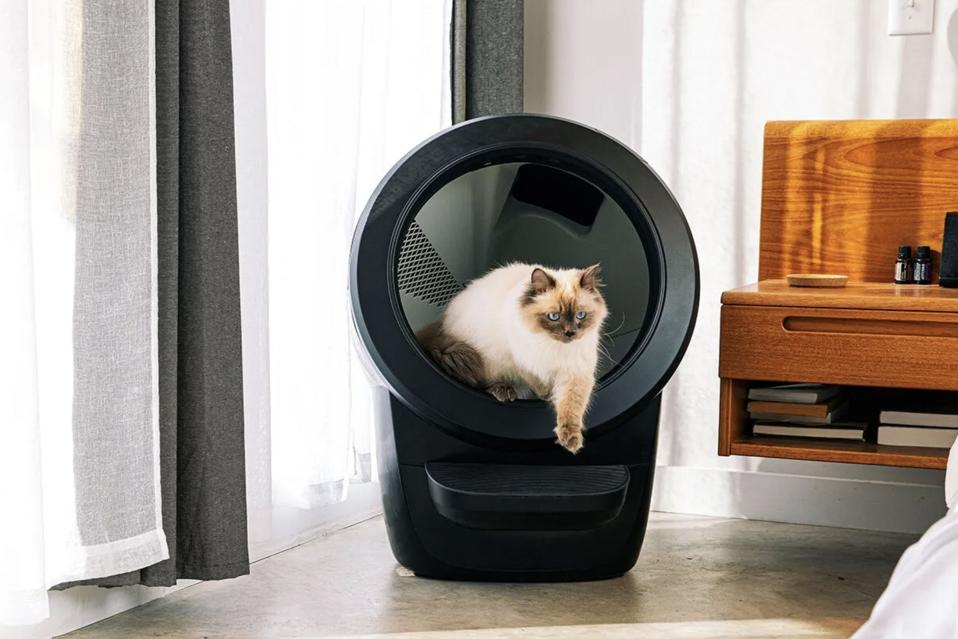
The rotating globe separates clumped waste and drops it into a sealed drawer below.
Credit: www.forbes.com

The low step and wide opening help most adult cats enter comfortably.
Credit: www.amazon.com
PetSafe ScoopFree Crystal
For a single-cat household that wants minimal daily upkeep, the PetSafe ScoopFree is a straightforward option. It uses disposable trays pre-filled with absorbent crystal litter, and a rake pushes solid waste into a covered compartment after each use. The crystal litter dehydrates waste and suppresses odor well for several days. The main recurring expense is the proprietary trays and crystal litter, which cost more than standard clumping litter. It is also not designed for clumping clay, so you are locked into the brand’s refills. That said, for owners who dislike scooping and don’t want to handle litter as often, the trade-off may be worthwhile. The unit is relatively quiet, usually running below 40 decibels, which helps skittish cats adjust. You can also read our guide on cat self cleaning litter box.
CatGenie 120
The CatGenie 120 is a fundamentally different approach. It uses washable granules instead of disposable litter. After your cat exits, the system scoops solid waste, flushes it into a drain line, and washes the granules with water and a sanitizing solution. The granules are then dried and ready for reuse. This eliminates the need to buy clumping litter or haul heavy bags to the curb. Installation is the main hurdle: you need a cold water line, a drain, and ideally a dedicated bathroom or laundry area. Water use is roughly one gallon or less per cycle, which some households notice on the utility bill. Renters should confirm with a landlord before installing. For an owner committed to reducing plastic and landfill waste, it remains one of the only fully flushable options available.
Omega Paw Roll-Away
If your budget is tight and you don’t mind a small daily routine, the Omega Paw Roll-Away is hard to beat. It has no motor, no sensors, and no electrical cord. You roll the box onto its top, a grate separates the clumps, and then you roll it back. The waste collects in a pull-out tray that you empty into the trash. It works with any standard clumping litter, which keeps long-term costs down. The trade-off is that it is not truly automatic — you must roll it once or twice a day for a single cat. Still, that takes less time than scooping and costs a fraction of motorized models. For a closer look at this low-maintenance design, see our explanation of the Omega Paw rolling system.
A rolling gravity system uses the litter’s own weight to sift waste without electricity.
Credit: petcoveshop.com
Pura Max
The Pura Max is a solid mid-range choice for larger cats and budget-conscious multi-cat households. It has a 25-pound weight capacity and a roomy interior that suits bigger breeds. The rake-style mechanism works with most clumping litters, and the low entry height — around five inches — is gentler for older cats. The companion app alerts you when the drawer is full or the unit needs attention. The main limitation is the smaller waste drawer, which may need emptying every two to three days with multiple cats. Some users also report occasional sensor errors, usually resolved by wiping the sensors with a dry cloth or a pet-safe cleaning wipe. If you need a roomier option but cannot justify a premium price, this is a practical compromise. Owners with very large cats may also want to explore an extra-large litter box design for additional space.
Cost Breakdown: Upfront Investment vs Long-Term Value
Automatic litter boxes require a larger initial purchase than a basic plastic tray, but the value comes from time saved, reduced litter waste, and improved hygiene. Understanding both upfront and recurring costs helps you make a rational decision.
Upfront Cost Tiers
Budget options generally fall between $100 and $200. This includes rolling gravity boxes and basic rake models without app connectivity. Mid-range units, from about $200 to $400, add larger waste drawers, better odor control, and sometimes smart alerts. Premium models above $400 include advanced rotating globes and flushable sanitizing systems. The right tier depends on how many cats you have and which features you will actually use, not which model has the longest spec sheet.
Recurring Costs
Clumping litter for a single cat often costs around $15 per month, though that varies by brand and region. Proprietary crystal litter for tray-based automatic boxes can run closer to $25 per month. Flushable models eliminate litter purchases but add a small amount of water and electricity use. Replacement filters, waste liners, and rake parts add a few dollars per month on average, depending on the model. Electricity use is generally negligible for motorized units, often under a dollar per month. When comparing models, calculate the total cost of ownership over two or three years rather than focusing only on the sticker price.
Time and Convenience Value
The biggest saving is your time. If you currently scoop twice a day, and each session takes two to three minutes, that adds up to several hours every month. An automatic box reduces that daily task to a weekly or twice-weekly drawer emptying. For busy professionals, parents, or anyone with limited mobility, that time is meaningful. The convenience also reduces the likelihood of skipped cleanings, which helps your cat’s health and your home’s odor. If you are comparing models online, check both the manufacturer’s site and verified customer reviews before committing.
Suitability for Different Cat Households
Not every automatic litter box fits every home. The best choice depends on the number of cats, their ages, their sizes, and their temperaments.
Multi-Cat Households
Two or more cats produce significantly more waste. Look for a model with a high weight capacity, a large sealed drawer, and a cleaning cycle that resets quickly. The Litter-Robot 4 and Pura Max are popular here because they can handle frequent use without overflowing. You may still need multiple boxes depending on the number of cats and their territorial behavior. If you are bringing a new cat into the home, gradual cat-to-cat introductions can reduce tension around the litter area. Some cats prefer to have more than one toilet spot, so a mix of an automatic box and a large manual box may work best.
Kittens Under Six Months
Kittens are light, curious, and easily startled. Most automatic boxes have a minimum weight threshold around five pounds to avoid cycling with a small kitten inside. A kitten may not reach that weight until four to six months of age, and the noise of a motorized rake or rotating drum can frighten a young cat. A manual box is usually safer and less stressful until the kitten is reliably using it and has grown enough to trigger the sensor appropriately. If you are litter training a kitten or a newly adopted stray, consistent litter habits take priority before introducing automation.
Senior or Arthritic Cats
Older cats benefit from a low entry and an interior that does not require a big step or a tight turn. Look for an opening under six inches and a box that is wide enough for a stiff older cat to posture comfortably. Some senior cats also appreciate a low-entry feeding station placed near the litter area, because walking between rooms can become difficult. Watch for any sign that your older cat is avoiding the automatic box; it may be linked to the entry height, the noise, or the litter texture rather than the cleaning mechanism itself.
Large Breed Cats
Maine Coons, Norwegian Forest Cats, and Ragdolls need more space than a standard automatic box often provides. Check the interior dimensions and the weight capacity before buying. A narrow globe or a short tray may force a big cat into an uncomfortable position, leading to accidents outside the box. Models with a wider opening and a 25-pound or higher capacity are better suited. If your large cat is long-haired, pairing the automatic box with a consistent grooming routine can reduce litter tracking and matting around the hindquarters.
Transitioning Your Cat to an Automatic Litter Box: Step-by-Step
Most cats adjust to an automatic box within a week if the introduction is gradual. Rushing the process is the most common reason for failure.
- Place the new box beside the old one. Keep the old box clean and functional during the transition. Your cat should have a clear choice, not a forced switch.
- Transfer a small amount of used litter. Adding a scoop or two of the old litter into the new box gives the new unit a familiar scent. Do this gradually, not all at once.
- Leave the unit off for the first few days. Let your cat explore the box without the motor, rake, or drum activating. the goal is to make it feel like a normal litter box.
- Run the cycle while the cat is elsewhere. Turn it on briefly so you cat can hear the sound from another room. This reduces the shock of the first automatic cycle.
- Switch to automatic mode with a long delay. Start with a 10-15 minute delay so the cleaning happens long after you cat has left the area.
- Remove the old box after your cat uses the new one consistently for several days. Monitor for accidents, and reward success with a treat or calm praise, never punishment. If your cat has a setback, slow down and return to previous step.
A common mistake is switching litters same time. Keep the familiar litter during transition. for at least two weeks before gradually changing substrates. If cat stops using box entirely or vocalizes during urination, contact veterinarian to rule out urinary issue. If cat responds well to reward-based training can speed process. For more guidance establishing consistent litter habits, see this to article.
Maintenance and Cleaning Schedule
An automatic litter box reduces daily scooping but not eliminates maintenance. A simple schedule keeps unit running well and prevents odors from building.
Daily: Quick visual check. Confirm waste drawer isn't full and there is enough litter at recommended depth. Wipe visible debris around entry with damp cloth.
Weekly: Empty waste drawer. For single cat weekly works; for multiple cats every three days. Replace liner if used. Check filter odor filter if equipped.
Monthly: Deep clean interior. Remove all litter, wash drum or tray with mild unscented soap and warm water. Wipe sensors with dry or slightly damp cloth. Avoid harsh chemicals that could leave residue.
Every three months: Replace carbon filter replacement or HEPA. Inspect rake tines, gears, seal gask. If you notice persistent odor despite cleaning, increase frequency or use an odor-absorbing additive recommended manufacturer.
Troubleshooting Common Problems
Even reliable units occasionally need debugging. Here’s how to address frequent issues.
- Cat won’t use new box: Slow transition, keep old box longer, check litter texture. Some cats dislike crystal litter or strong deodorizer scents.
- Sensor errors: Dust, litter debris, or moisture on sensors can cause false readings. Wipe sensors with dry micro-fiber cloth. Use a pet-safe cleaning wipe only if needed.
- Rake jams: Too much litter, non-clumping litter, or oversized clumps can strain motor. Maintain litter depth within fill line, and break up very large urine clumps before cycle if necessary.
- Waste drawer odor: Replace carbon filter, empty drawer more often, and sprinkle thin layer of baking soda in fresh liner (only if safe for your cats' respiratory health — check with vet).
- Unit not cycling: Confirm power connection, safety sensors not blocked, and waste drawer fully seated. Some models won't run unless drawer locked correctly.
If problem persists contact manufacturer support. Most brands provide detailed troubleshooting guides and replacement parts.
Environmental Impact and Sustainability
Automatic litter boxes can be more sustainable than manual boxes in certain ways, but not universally. The main environmental benefit is reduced litter consumption. Because a well-designed automatic system removes only soiled clumps, you avoid the full litter replacement that manual boxes require every two to four weeks. Over time, that means less clay mining, less plastic packaging, and fewer bags in the trash.
Energy use for motorized units is modest. Most draw very little power on standby and only activate during cleaning cycles. Flushable models add water use, but that is often offset by eliminating the production and disposal of clumping litter. If sustainability matters to you, look for models that accept biodegradable clumping litter made from corn, wheat, or walnut shells. Avoid proprietary tray systems if you want to minimize plastic waste. The U.S. Environmental Protection Agency provides general guidance on managing pet waste in a way that reduces environmental impact.
One practical note: automatic boxes can reduce litter tracking in some homes because they keep the litter bed cleaner, but long-haired cats may still carry granules out on their fur. Combining the box with a regular grooming routine can help keep loose litter contained.
Frequently Asked Questions
Do veterinarians recommend automatic litter boxes?
Many veterinarians see automatic litter boxes as helpful for maintaining a consistently clean toilet area, which supports urinary health. A clean box may reduce exposure to bacteria and ammonia that can irritate a cat’s respiratory tract. Some smart models track usage frequency, which can alert you to early signs of urinary tract issues. However, no automatic box replaces daily observation of your cat’s behavior. The American Veterinary Medical Association offers broader guidance on litter box management and common litter box problems.
Can automatic litter boxes use regular clumping clay litter?
It depends on the mechanism. Rake-style and rotating globe models usually work with most clumping clay and clumping biodegradable litters. Crystal tray systems often require proprietary crystal litter, while flushable systems use washable granules. Always check the manufacturer’s approved litter list before purchasing, because incompatible litter can damage the machine and reduce performance.
Are automatic litter boxes safe for small cats and kittens?
Most units include a weight sensor that prevents the cleaning cycle if a cat under about five pounds is inside. However, kittens may be too light to trigger that sensor reliably, and the noise can frighten a young cat. The safest approach is to keep kittens on a manual box until they weigh enough and use the box consistently without accidents. Even then, supervise early use and choose the longest delay setting.
How often do I need to service an automatic litter box?
For a single cat, plan to empty the waste drawer every seven to ten days. For multiple cats, empty it every three to five days. Deep clean the interior, wipe sensors, and replace filters every four to six weeks. A few minutes of weekly maintenance is usually enough, but skipping it leads to odor buildup and mechanical problems.
Final Verdict: Is an Automatic Litter Box Right for You?
An automatic litter box can be a worthwhile upgrade if you value time savings, want a fresher-smelling home, or need reliable waste removal for a busy multi-cat household. The best models reduce the daily grind of scooping while giving your cat a consistently clean place to go. That consistency supports better litter box habits and can help you notice changes in urination frequency early.
That said, an automatic box is not mandatory for every cat. If you live in a small apartment, have a very skittish cat, or own a kitten under six months, a high-quality manual box may serve you better. Renters without access to a water line and drain should avoid flushable systems. The key is to match the mechanism and features to your cat’s actual needs rather than buying the most expensive option. If you do decide to automate, start with a patient transition, stick to compatible litter, and maintain the unit on a simple schedule. For support with urinary health through diet, a veterinary-recommended wet food can complement a cleaner litter environment. If your cat has an existing health issue, understanding nutritional support during illness is also worth reviewing before making big routine changes.
Conclusion
The best auto cat litter box is more than a gadget — it is a practical tool that improves hygiene, reduces daily labor, and helps your cat feel secure in a clean space. By understanding how each mechanism works, prioritizing safety and odor control, and matching the model to your household, you can transform one of pet care’s most tedious chores into a near-effortless routine. Start by assessing your cat’s size, age, and habits, then choose a system that fits both your budget and your home. When you are ready to compare current self-cleaning systems, focus on the features that genuinely affect daily life: waste drawer capacity, sensor reliability, litter compatibility, and ease of cleaning. With the right choice and a gradual introduction, you and your cat can both enjoy a cleaner, calmer home.