
If you’ve ever stepped on cold, clay litter at 2 a.m., or found a puddle next to your cat’s box after a long day at work, you know how frustrating undersized litter boxes can be. The problem is especially common for owners of large breeds like Maine Coons, Ragdolls, and Norwegian Forest Cats, or multi-cat households where multiple felines need to share a single bathroom space. An extra extra large (XXL) cat litter box isn’t just a luxury—it’s a practical solution that reduces mess, cuts down on territorial disputes, and supports your cat’s physical and mental well-being. This 2026 guide covers everything you need to know to choose, place, and maintain an XXL litter box that works for both you and your feline family members, with actionable advice grounded in veterinary guidance and real-world cat owner experience.
Core Benefits of Upgrading to an XXL Litter Box
Choosing an XXL litter box solves common pain points that standard 18x14 inch boxes can’t address, with benefits for both your cat’s health and your household’s cleanliness. You can also read our guide on maine coon cat litter box.
Cuts Down on Litter Scatter and Mess Outside the Box
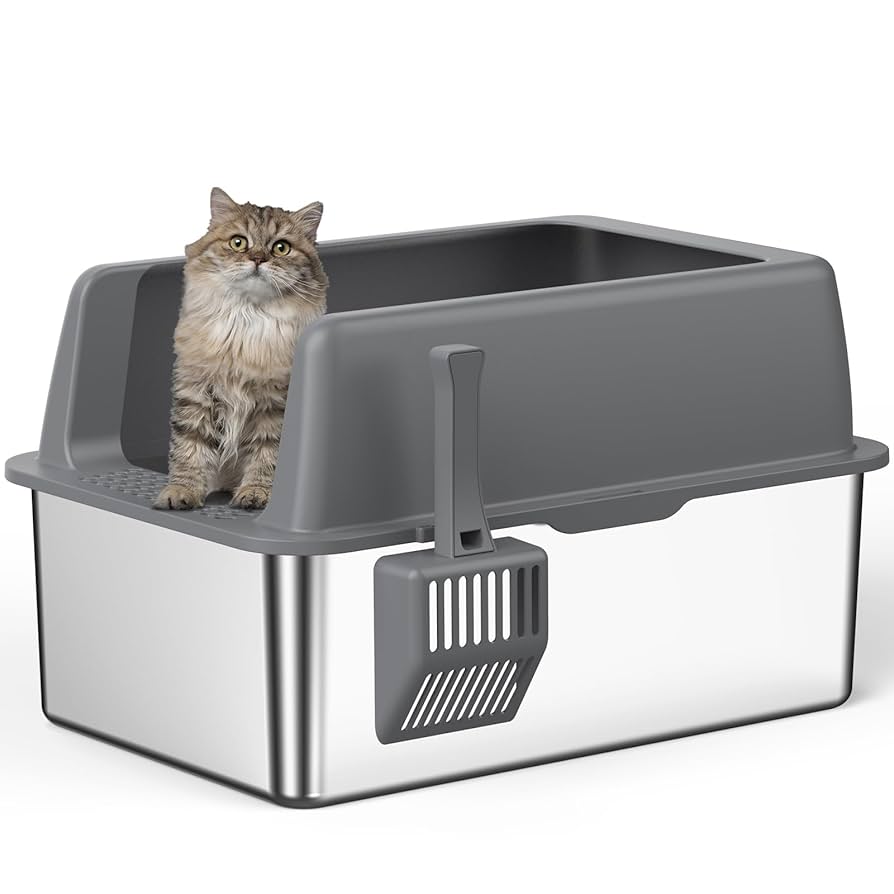
Standard litter boxes have 6-8 inch high walls, which are no match for cats that dig aggressively when burying waste. XXL models typically have 10-12 inch high sides, often with a 1-2 inch lip along the top edge to catch stray granules. In practice, this reduces litter scatter on surrounding floors by up to 70% for active diggers, eliminating the need for daily sweeping around the box area.
Reduces Litter Box Aversion and Inappropriate Elimination
According to guidelines from the American Veterinary Medical Association (AVMA), undersized litter boxes are one of the top three causes of cats eliminating outside their designated bathroom space. Cats need 1.5 times their body length in litter space to turn around, dig, and bury waste comfortably; a cramped box makes them feel exposed and stressed, leading them to seek out alternative spots like laundry baskets or carpets. An XXL box (minimum 25x18 inches) eliminates this issue, reducing accidents by as much as 60% for large breeds, per veterinary behaviorist feedback. You can also read our guide on extra large litter box for big cats.
Supports Multi-Cat Households and Reduces Territorial Tension
Cats are solitary hunters that prefer private bathroom spaces, so sharing a cramped standard box often leads to hissing, guarding, and disputes over access. The general veterinary guideline is one litter box per cat plus one extra; an XXL box can often serve as that shared extra space, as its roomy interior gives each cat enough personal territory to use it without feeling crowded. If you’re navigating a busy multi-cat home, a dedicated shared multi-cat box can help reduce territorial disputes over limited bathroom space.
Improves Odor Control for Fresher Indoor Air
Waste is spread over a larger litter surface area in an XXL box, so ammonia and odor buildup happens far slower than in a cramped standard box. Many XXL models also include built-in carbon filters or sealed lids with rubber gaskets that trap odors inside, reducing the need for frequent air fresheners. For extra odor-fighting power, pair your XXL box with a specialized litter deodorizer to keep your home smelling fresh between cleanings. You can also read our guide on can you train cats like dogs.
Accommodates Senior Cats and Cats with Mobility Issues
Senior cats with arthritis, hip dysplasia, or limited mobility struggle to climb over the high walls of standard litter boxes, often leading them to avoid using it entirely. Many XXL models feature low entry points (2-3 inches high) or removable side ramps, making it easy for older cats to enter and exit without straining their joints. This is especially important for cats with chronic pain, as avoiding the box due to access issues can lead to serious health problems like urinary tract infections.
Extends Time Between Full Litter Changes
A standard litter box holds 5-7 lbs of litter, requiring a full change every 1-2 weeks for single-cat households. An XXL box can hold 15-20 lbs of litter, meaning you only need to do a full change every 3-4 weeks, cutting down on maintenance time and reducing the frequency of heavy lifting. You can also read our guide on enclosed litter box for cats.

Credit: www.amazon.com
A high-sided XXL litter box designed to contain litter scatter for large, active cats.
How to Choose the Perfect XXL Litter Box Size for Your Cat
Sizing is the most critical factor when selecting an XXL litter box—an incorrectly sized box will lead to mess and frustration no matter how many extra features it has.
Measure Your Cat to Get the Minimum Required Dimensions
Follow the 1.5x length rule recommended by veterinary behaviorists: measure your cat from the tip of their nose to the base of their tail, then multiply that number by 1.5. That’s the minimum length the litter box should be. For width, the box should be at least as wide as your cat is from shoulder to shoulder. For example, a 20lb Maine Coon that is 18 inches long needs a box at least 27 inches long, 16 inches wide, and 10 inches high. If you have multiple cats sharing the box, add 20% to the length for each additional cat to ensure everyone has enough space. You can also read our guide on extra large cat litter box with lid.
Account for Your Home’s Space Constraints
XXL litter boxes typically range from 25x18 inches to 32x22 inches, so measure the spot you plan to place it first to avoid buying a box that won’t fit. Avoid squeezing it into tight closets or corners—cats need 2-3 feet of open space around the box to feel safe entering and exiting. If you have limited square footage, look for a corner XXL model that fits neatly into unused nooks without sacrificing internal space.
Prioritize Accessibility for All Cats
If you have a senior cat or kitten, look for a box with a low entry point (2-3 inches high) or a removable side ramp. Avoid boxes with entry points higher than 4 inches for cats over 10 years old, as jumping can aggravate joint pain. For cats that prefer covered boxes, ensure the entrance is at least 8 inches wide so they don’t feel trapped.
Top Materials for Durable, Easy-to-Clean XXL Litter Boxes
The material of your XXL litter box will impact its durability, ease of cleaning, and how well it resists odors over time.
High-Density Polypropylene (HDPE) Plastic
The most common and affordable option, HDPE plastic is lightweight, scratch-resistant, and non-porous so it doesn’t absorb odors. It’s easy to wipe clean and widely available in a range of sizes and designs. The downside is that it can crack under heavy weight if dropped, and may stain over time with prolonged exposure to clumping litter. It’s best for most households, especially if you need to move the box frequently.
Stainless Steel
The premium, long-lasting option, food-grade stainless steel is completely odor-resistant, impossible for cats to scratch or chew through, and can be fully sanitized with hot water and soap. It typically lasts 10+ years with proper care, making it a cost-effective choice for multi-cat households over time. The downsides are its weight (15-25 lbs for XXL models) and higher upfront cost ($50-$100 vs. $20-$40 for plastic).
Recycled Plastic / Eco-Friendly Composites
Made from 100% post-consumer recycled plastic, these boxes have the same durability as standard HDPE but with a lower environmental footprint. Most are BPA-free and non-toxic, making them safe for cats that like to chew on box edges. The downside is that many have a slightly textured surface that’s harder to wipe clean than smooth stainless steel. They’re a great pick for eco-conscious owners.
Ceramic / Porcelain
Heavy, chip-resistant, and available in neutral colors that match home decor, ceramic boxes are a stylish option for open-concept homes where the litter box is visible. Their weight prevents tipping, even for large, energetic cats, and their non-porous surface resists odors and stains. The downsides are their high weight (20+ lbs for XXL models), risk of breakage if dropped, and higher price point. They’re best for single-cat households with large, gentle cats.

Credit: www.walmart.com
A stainless steel XXL litter box with a removable lid and built-in carbon filter for superior odor control.
Non-Negotiable Design Features for XXL Litter Boxes
Small design details make a huge difference in how often your cat uses the box and how much maintenance you have to do.
High Sides (10+ Inches) for Litter Containment
For cats that are aggressive digers or spray, look for sides that are at least 10 inches high, with a 1-2 inch lip along the top edge to catch stray granules. Fully enclosed XXL boxes with a high roof are ideal for containing spray messes and trapping odors inside.
Low Entry Points or Ramps for Accessibility
As noted earlier, a low entry point (2-3 inches high) or removable ramp is essential for senior cats or cats with arthritis. Many XXL models come with adjustable ramps that can be removed as your cat’s mobility needs change. Avoid boxes with entry points higher than 4 inches for cats with joint pain.
Built-In Odor Control Features
Look for models with replaceable carbon filters, sealed lids with rubber gaskets, or antimicrobial coatings that inhibit bacteria growth that causes odor. Some XXL boxes also have a sifting mechanism that separates clumps from clean litter automatically, reducing the need for frequent scooping.
Easy-to-Remove Components for Cleaning
XXL boxes can weigh 10+ lbs when full of litter, so look for models with a removable bottom tray or hinged lid that lets you dump out litter without lifting the entire box. Smooth, non-porous surfaces are also easier to wipe down than textured ones that trap litter and bacteria.
Non-Slip Base to Prevent Tipping
Large, energetic cats can tip over lightweight plastic boxes when jumping in or out. Look for models with a weighted base or non-slip rubber feet to keep the box stable, especially if you have a 15lb+ cat that moves quickly around the house.

Credit: www.amazon.com
A low-entry XXL litter box with a removable ramp, ideal for cats with arthritis or limited mobility.
Optimal Placement Tips for Your XXL Litter Box
Placement is just as important as the box itself—poor placement is the second most common cause of litter box aversions, per the AVMA. Follow these guidelines to encourage regular use:
Choose a Quiet, Low-Traffic Spot Away from Food and Water
Cats prefer private, quiet spaces to do their business, so avoid placing the box near their food and water bowls, in high-traffic hallways, or near loud appliances like washing machines or furnaces. The American Animal Hospital Association (AAHA) recommends placing litter boxes in quiet, low-traffic areas away from food and water to encourage regular use. Ideal spots include a laundry room, a spare bathroom, or a quiet corner of a basement.
Ensure Multiple Exit Routes
Cats feel vulnerable when using the litter box, so avoid tucking it into a corner where they can only be approached from one side. Leave 2-3 feet of open space around the box so your cat can see approaching people or other pets, and escape if they feel threatened.
Provide Access on Every Floor of Multi-Story Homes
If you have a multi-level home, place at least one XXL litter box on each floor. This prevents accidents from cats who can’t make it to the box in time, especially senior cats or cats with limited mobility. It also reduces the need for you to run up and down stairs to clean.
Prioritize Ventilation to Reduce Odor Buildup
Place the box in a well-ventilated area, near a window or exhaust fan if possible. Avoid placing it in a sealed closet or pantry, as trapped odors will make the box unappealing for your cat and unpleasant for you. If you don’t have a ventilated spot, an XXL box with a sealed lid and carbon filter will help contain smells.
Keep It Away from Startling Noises and Hazards
Don’t place the box next to a loud HVAC vent, a washing machine that shakes, or a door that slams shut frequently. Sudden noises will scare your cat away from the box, leading to inappropriate elimination. Also, keep it away from electrical cords or small spaces where your cat could get stuck.
Cleaning and Maintenance for Long-Term Comfort and Hygiene
Regular maintenance is critical for preventing odor, bacteria growth, and litter box aversion. Follow these steps to keep your XXL box in top condition:
Daily Maintenance to Keep the Box Inviting
Scoop all solid waste and clumps at least once per day, twice if you have multiple cats. For XXL boxes with more litter, a large scoop with a long handle makes this task easier. Don’t let waste sit for more than 24 hours, as ammonia buildup will make the box unappealing and can irritate your cat’s respiratory tract.
Weekly Deep Cleaning Routine
Empty all litter from the box once a week, then scrub the interior with warm water and a mild, pet-safe soap. Avoid harsh chemicals like bleach, ammonia, or pine-based cleaners, as their strong fumes can be toxic to cats and deter them from using the box. For stubborn stains or lingering odors, make a paste of baking soda and water, scrub, then rinse thoroughly. Let the box air dry completely before adding fresh litter.
Safe Cleaning Products to Use (and Avoid)
Only use cleaners labeled as pet-safe, or natural options like vinegar, baking soda, and mild dish soap. Avoid any product with essential oils (like tea tree, citrus, or lavender), as many are toxic to cats even in small amounts. Enzyme-based cleaners are a great option for breaking down urine and feces odors that regular soap can’t remove, as they digest the organic waste causing the smell.
When to Replace Your XXL Litter Box
Even durable boxes need to be replaced eventually. If you notice deep scratches, cracks, or lingering odors that won’t come out with cleaning, it’s time to replace the box. Scratches trap bacteria and litter, making it impossible to fully sanitize, which can lead to urinary tract infections in cats. Most plastic XXL boxes last 1-2 years with regular use, while stainless steel and ceramic models can last 5+ years.
Budget-Friendly DIY Extra Large Litter Box Ideas
If pre-made XXL boxes are too expensive or don’t fit your cat’s specific size needs, a DIY option is a simple, cost-effective alternative. All DIY options should use non-toxic, durable materials, and have smooth, sanded edges to prevent injury.
Repurposed Large Plastic Storage Bin
The most popular DIY option, a 30-50 gallon BPA-free plastic storage bin costs $15-$25 and holds 20+ lbs of litter. Cut a 10x12 inch entry hole in one side, 2-3 inches from the bottom for easy access, sand the edges thoroughly to remove sharp burrs, and add a lid with 5-10 small ventilation holes if using a covered design.
Upcycled Large Utility Tub
For an even larger option, use a 10-15 gallon plastic utility tub (often used for car washing or storage). Cut a larger entry hole if needed for giant breeds like Maine Coons or Savannah cats. These tubs are extremely durable and can hold up to 30 lbs of litter, making them perfect for 3+ cat households. They cost $20-$30 and are heavy enough that they won’t tip over.
Custom Wooden Enclosure
For owners who want a hidden litter box that blends in with their home decor, build a simple wooden enclosure using moisture-resistant plywood or MDF. Cut panels to create a rectangular box (adjust size to meet the 1.5x length rule for your cat), assemble with non-toxic wood glue and screws, seal all seams with waterproof caulk to prevent litter leaks, cut an entry hole, sand all edges, and add a hinged lid for easy cleaning. This option costs $50-$100 in materials and can be painted to match your home aesthetic.
Repurposed Baby Pool
For giant breeds or very large multi-cat households, a small plastic baby pool (2-3 feet in diameter) makes a surprisingly spacious litter box. Cut a low entry hole in the side, place it in a quiet corner, and fill with litter. It costs $10-$15, holds 30+ lbs of litter, and is easy to wipe clean.
Cost Considerations for XXL Litter Boxes
XXL litter boxes range from $15 for a basic DIY repurposed bin to $200 for a premium self-cleaning model, so it’s important to balance upfront cost with long-term value.
Upfront Purchase Cost
Basic plastic XXL boxes cost $20-$40, mid-range models with odor control or low entry cost $40-$80, and premium options (stainless steel, self-cleaning, enclosed) cost $80-$200. DIY options range from $10-$100 depending on materials.
Long-Term Maintenance Costs
Larger boxes require more litter per change: a standard XXL box needs 15-20 lbs of litter per change, vs. 5-7 lbs for a standard box, so litter costs are 2-3x higher per change. However, you only need to change the litter every 3-4 weeks instead of every 1-2 weeks, so the difference in annual litter cost is minimal (usually $20-$50 per year more for an XXL box). Durable materials like stainless steel last 5+ years, so you save money on replacement boxes over time.
Cost vs. Value: What’s Worth Paying Extra For
It’s worth spending a little more on features that will save you time and hassle: a removable bottom tray for easy cleaning ($10-$20 extra), a built-in carbon filter ($5-$10 extra per replacement), or a non-slip weighted base ($5 extra) to prevent tipping. Skip expensive features you don’t need, like self-cleaning mechanisms if you only have one cat and don’t mind scooping daily.
What Real Cat Owners Say: 2026 Review Takeaways
Customer feedback for XXL litter boxes in 2026 highlights clear patterns in what works—and what doesn’t—for everyday use. The most consistently praised models share three core features:
- A low entry point (2-3 inches high) or removable ramp, which is especially valued by owners of senior cats with arthritis or limited mobility.
- High, seamless sides (10+ inches) with a top lip to contain litter scatter, even for cats that dig aggressively when burying waste.
- Smooth, non-porous surfaces (stainless steel or high-quality HDPE plastic) that wipe clean in seconds and don’t trap odors or bacteria.
The most common complaints center on two issues: first, many pre-made XXL boxes are too large for small apartments or condos, so owners looking for space-saving options should prioritize corner models or low-profile designs. Second, cheap plastic XXL boxes often crack or warp under the weight of 15+ lbs of litter after 6-12 months of use, so it’s worth investing in a heavier-duty model if you plan to use the box long-term. Owners of multi-cat households also note that stainless steel XXL boxes hold up far better to heavy use than plastic, with many reporting their stainless steel models have lasted 5+ years without showing signs of wear.
Frequently Asked Questions
What is the largest standard XXL litter box size available in 2026?
The largest standard pre-made XXL litter boxes measure 32x22x12 inches, which accommodates cats up to 25lbs, or 3-4 average-sized cats sharing a box. Custom XXL models can be built up to 48x36 inches for giant breeds like Savannah cats or households with 5+ cats.
Can a 20lb cat fit in a standard Litter-Robot unit?
Most standard Litter-Robot models are designed for cats up to 20lbs, but many larger cats find the interior cramped. If you have a 20lb+ cat, opt for an XXL self-cleaning model with a 25+ inch interior length to ensure they have enough room to turn around and bury waste comfortably. Self-cleaning XXL options are built to accommodate larger breeds without sacrificing automatic cleaning functionality.
What size litter box do I need for a Maine Coon or other large breed?
For large breeds like Maine Coons, Ragdolls, or Norwegian Forest Cats (which typically weigh 15-25lbs and are 16-20 inches long), choose an XXL box that is at least 27 inches long, 16 inches wide, and 10 inches high. This meets the 1.5x length rule recommended by veterinary behaviorists, giving them enough room to move comfortably.
How can I make an XXL litter box on a tight budget?
The most affordable DIY option is a repurposed 30-gallon plastic storage bin, which costs $15-$20 and holds 20+ lbs of litter. Cut a low entry hole in the side, sand the edges, and add a lid with ventilation holes for odor control. This DIY option works as well as many $40+ pre-made XXL boxes.
How often do I need to clean an XXL litter box?
Scoop solid waste and clumps at least once daily, twice if you have multiple cats. Do a full litter change and deep clean of the box every 3-4 weeks for single-cat households, or every 2-3 weeks for multi-cat homes. If you notice strong odors or your cat is avoiding the box, clean it more frequently. If you’re struggling with litter box training, our litter box training guide offers step-by-step tips to retrain your cat to use their new XXL box.
Conclusion
Upgrading to an extra extra large cat litter box is one of the simplest, most impactful changes you can make to improve your cat’s comfort and reduce household mess. Whether you have a giant breed, a multi-cat home, or a senior cat with mobility issues, an XXL box eliminates the stress of cramped quarters, cuts down on litter scatter and accidents, and makes maintenance far easier for you. When choosing a box, prioritize size first (follow the 1.5x length rule for your cat), then look for durable materials, accessibility features, and odor control options that fit your budget and home layout. If you’re still unsure which model is right for you, check out our guide to the best litter boxes for cats of all sizes for our top tested picks.