
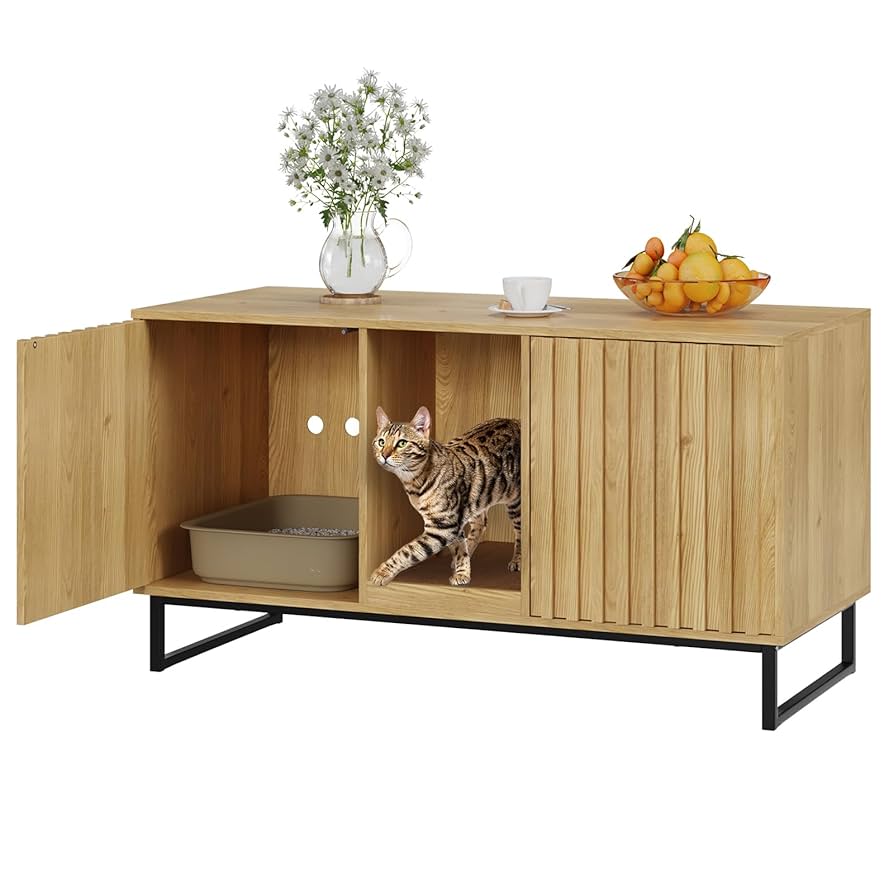
Let’s be real: no one wants a garish plastic litter box sitting front and center in their living room, emitting faint ammonia odors that greet every guest who walks through the door. For years, cat owners have had to choose between compromising their home’s aesthetic and forcing their feline companion to use an open, unappealing bathroom space. In 2026, that trade-off is obsolete. Modern cat box litter box enclosures are designed to seamlessly blend into your existing decor, eliminate odor spread, and give cats the private, stress-free space they instinctually prefer for elimination. Whether you live in a tiny apartment or a sprawling multi-room home, there’s a stylish enclosure option that checks every box for both you and your pet.
Why Litter Box Enclosures Are a 2026 Home Essential
Litter box enclosures have evolved far beyond the clunky, poorly ventilated plastic units of the early 2010s. Today’s models deliver tangible benefits for both cats and their owners, making them one of the most popular pet home upgrades of 2026. You can also read our guide on large covered cat litter box.
First, they drastically reduce mess. Veterinary behaviorists observe that properly sized enclosures cut tracked litter mess by two-thirds for most households, by containing stray granules inside the unit rather than letting them scatter across floors and carpets. For homes with long-haired cats or multiple pets, this translates to far less daily sweeping and vacuuming. If you share your home with more than one cat, opt for a spacious multi-cat litter configuration to prevent territorial disputes and ensure each cat has enough private space to feel comfortable.
Second, they support feline behavioral health. Cats are prey animals that naturally seek out quiet, enclosed spaces to eliminate to avoid feeling exposed to potential threats. The American Veterinary Medical Association (AVMA) notes that providing a private, low-stress litter space reduces litter box avoidance behavior, a common cause of inappropriate urination in homes. Enclosures also block access from dogs or small children, preventing disturbances that can make cats hesitant to use their box. You can also read our guide on cat litter box enclosure furniture.
Third, they eliminate odor spread. Unlike open litter boxes that let ammonia and waste smells circulate through your home, well-designed enclosures trap odors inside the unit, with many modern models including activated carbon filters to neutralize smells at the source. This means no more lingering litter odors in living rooms, bedrooms, or entryways. For extra odor protection, pair your enclosure with long-lasting deodorizing solutions designed for litter box use.
Finally, they offer space-saving functionality. Most 2026 enclosures are built to double as functional furniture: popular options include side tables, entryway benches, and bookshelves, adding extra storage for pet supplies, books, or decor while hiding the litter box entirely. For small apartments or homes with limited floor space, this dual functionality is a game-changer. You can also read our guide on large cat litter box enclosure.
Key Design Features to Prioritize for Long-Term Use
Not all litter box enclosures are built equal, and prioritizing the right features will ensure your unit lasts for years while keeping your cat comfortable and your home fresh.
Ventilation: The Non-Negotiable Safety Feature
Poor ventilation is the most common flaw in low-quality enclosures, and it can lead to serious health and behavioral issues for your cat. Cats have a sense of smell 14 times stronger than humans, so trapped ammonia fumes that may smell mild to you can be overwhelming and even toxic to your pet over time. The AVMA recommends a minimum of 2 square inches of venting per cubic foot of enclosure interior space, with vents placed near the top of the unit to let stale air escape. Avoid solid-walled enclosures with no ventilation entirely, and if you’re building a DIY unit, drill 1-inch vent holes near the top and cover them with fine mesh to prevent drafts while allowing airflow. You can also read our guide on cat tree with litter box enclosure.
Sizing & Entrance Accessibility
An enclosure that’s too small is the second most common buyer mistake, and it will almost guarantee your cat refuses to use it. As a general rule, the interior of the enclosure should be at least 1.5 times the length of your cat from the tip of their nose to the base of their tail: for an average 10-pound domestic cat, that means a minimum interior space of 24x18 inches. For large breeds like Maine Coons or Ragdolls, opt for enclosures with at least 30x20 inches of interior room.
Entrance height is just as important, especially for kittens, senior cats with arthritis, or cats with mobility issues. The entrance should sit no more than 2 inches above the floor of the enclosure, and the opening should be at least 8x8 inches for average cats, or 10x10 inches for larger breeds. If you have a cat with limited mobility, look for models with low-entry ramps included. You can also read our guide on cat grooming how to keep your cat clean and comfortable.
Non-Toxic, Durable Materials
Enclosures are exposed to urine splatter, litter dust, and regular cleaning, so material safety and durability are non-negotiable. Avoid low-cost enclosures made from unsealed MDF, which can off-gas formaldehyde and swell when exposed to moisture. Opt for units made from CARB-certified low-VOC MDF, solid pine, or birch, with a wipeable laminate or polyurethane finish that resists stains and is easy to sanitize. For households with cats who scratch or chew, look for reinforced corner guards to prevent damage over time. For guidance on selecting low-emission home products, refer to the EPA’s indoor air quality guidelines to ensure your enclosure won’t introduce harmful pollutants into your home.
Integrated Functionality for Everyday Convenience
Modern 2026 enclosures come with a range of built-in features that make daily maintenance easier. Look for models with removable slide-out trays that let you scoop litter or deep clean the unit without disassembling the entire enclosure. Many premium models include built-in storage compartments for litter scoops, extra litter bags, and cat treats, eliminating the need for separate storage bins. Some even have slots for activated carbon filters, which extend the time between deep cleans by neutralizing odors continuously. For tech-forward owners, 2026 sees the launch of smart-enabled enclosures with built-in air quality sensors and usage trackers that send alerts to your phone when litter needs changing or filters need replacing.
DIY vs. Pre-Built Enclosures: Honest Trade-Offs for 2026
Deciding between a custom DIY build and a pre-built, store-bought enclosure depends on your budget, skill level, and design needs.
Pros and Cons of Custom DIY Builds
Building your own litter box enclosure is a great option for owners with unique space constraints or very specific decor preferences. The biggest advantage is full customization: you can build the unit to exact dimensions to fit a narrow nook, match custom wood stains to your existing furniture, or add extra features like built-in perches or additional storage that aren’t available in pre-built models. For skilled DIYers, material costs typically range from $150 to $300, which is often less than the cost of a premium pre-built model with similar features.
That said, DIY builds come with significant drawbacks. If you don’t have basic carpentry experience, you risk building a unit with poor ventilation, incorrect sizing, or unstable construction that could tip over. DIY enclosures also have no warranty, so any defects or damage are entirely your responsibility to fix. For first-time builders, using pre-cut cabinet kits from home improvement stores can cut down on skill requirements and ensure proper ventilation, but you’ll still need to cut an entrance hole and add venting yourself.
Benefits of Pre-Built, Warranty-Backed Models
For most cat owners, pre-built enclosures are the more practical choice. All reputable brands test their units for stability, ventilation, and cat accessibility before selling them, so you can be confident the design is safe and functional for your pet. Most pre-built models come with 1-3 year manufacturer warranties, covering defects in materials or workmanship. Assembly typically takes 30 minutes or less, with all hardware and instructions included.
The main downside of pre-built models is limited customization. While most come in a range of finishes (white, black, natural wood, gray), you won’t be able to match a custom stain or adjust dimensions to fit an odd space. Premium models with smart features or extra storage can also cost $300 to $600, which is significantly more than a basic DIY build. For owners who prioritize convenience and guaranteed safety over custom design, pre-built is the clear winner. If you want to cut down on daily scooping, consider pairing your enclosure with a low-maintenance self-cleaning base that automates waste removal.
Styling Enclosures to Match Any Home Aesthetic
Gone are the days of ugly plastic litter boxes clashing with your decor. 2026 enclosures are designed to look like standard furniture, with styles to fit every interior design theme.
Minimalist & Contemporary Spaces
If your home features clean lines, neutral palettes, and uncluttered surfaces, look for enclosures with slim profiles, hidden push-to-open hardware, and matte finishes in white, black, or light oak. Popular 2026 models look identical to modern media consoles or floating shelves, with no visible cat-related features unless you’re standing directly in front of the entrance. You can style the top of the enclosure with small potted succulents, a stack of coffee table books, or a minimalist lamp to fully integrate it into your decor.

A sleek white cabinet enclosure with a discreet side entrance, perfect for modern minimalist interiors
Image source: www.amazon.com
Rustic, Farmhouse, and Traditional Interiors
For homes with warm wood tones, distressed finishes, and classic hardware, opt for enclosures made from solid pine with a weathered stain, paired with wrought iron or antique brass handles. Many rustic models include open shelving on the sides that you can style with vintage decor, family photos, or cat toys to make the unit feel like a natural part of your space. A popular 2026 trend is to pair these enclosures with matching cat trees or perches to create a cohesive pet-friendly nook.

This rustic wood model includes a built-in top perch, giving cats a high vantage point while concealing the litter box
Image source: www.amazon.com
Small Space & Apartment-Friendly Solutions
If you live in a studio or small one-bedroom, look for narrow 18-inch deep enclosures that tuck easily behind entryway doors or in tight corners. Wall-mounted enclosures are another popular 2026 option, as they free up valuable floor space and can be installed at a height that’s out of the way of foot traffic. For the ultimate space-saving hack, opt for a dual-purpose model that doubles as an entryway bench: the top lifts up to access the litter box, and the interior stores shoes, pet supplies, or other clutter. These models are especially popular in urban apartments where every square foot counts.
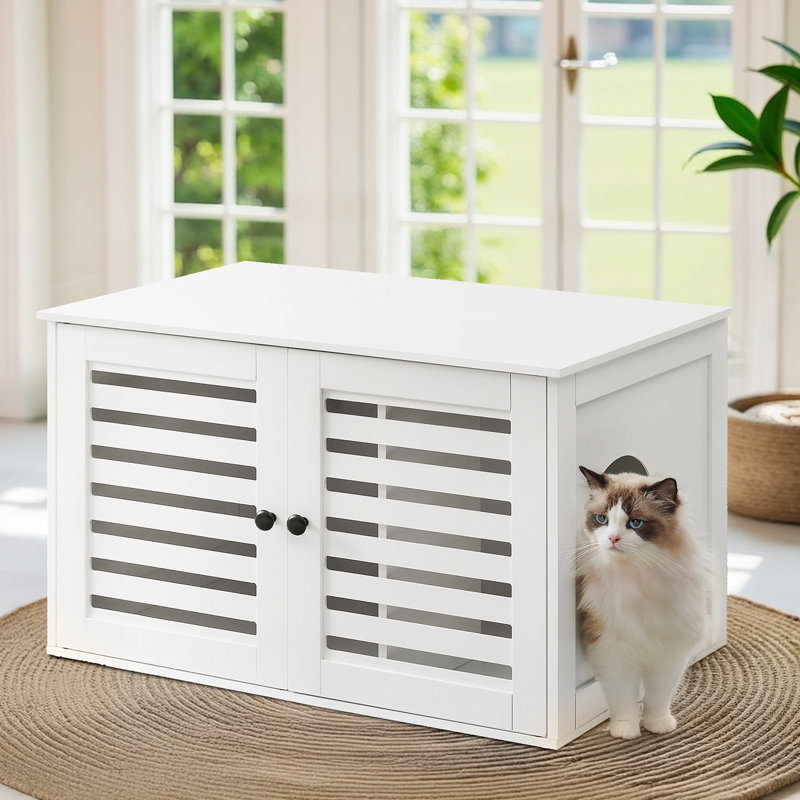
This Linkwood model from Wayfair doubles as a functional side table, blending seamlessly with living room decor
Image source: www.wayfair.com
Step-by-Step Maintenance to Keep Enclosures (and Your Cat) Happy
Proper maintenance keeps your enclosure smelling fresh, prevents mold and bacteria buildup, and encourages your cat to keep using it. Opt for clumping litter formulated for enclosed units to minimize dust buildup and make scooping faster and easier.
Daily & Weekly Upkeep Routines
For daily upkeep, scoop solid waste and clumps every 24 hours using a fine-mesh litter scoop, and wipe down any splattered urine or litter dust from the interior walls with a damp cloth. Once a week, empty all litter from the box, wash the interior with unscented mild dish soap and warm water, and rinse thoroughly to remove any soap residue. Never use harsh chemicals like bleach, ammonia, or scented cleaners, as these can be toxic to cats and damage the enclosure’s finish. Let the interior dry completely before refilling with fresh litter to prevent mold growth.
Odor Control Strategies That Actually Work
While enclosures trap odors inside the unit, you’ll still need to implement a few simple strategies to keep smells from building up over time. Sprinkle a thin layer of baking soda under the litter layer to neutralize ammonia smells naturally. If your enclosure has a carbon filter slot, replace the filter every 3 months for optimal performance. Place a high-pile litter mat directly in front of the enclosure entrance to catch tracked litter before it spreads to the rest of your home.
Common Mistakes That Lead to Cat Litter Box Avoidance
Even the most stylish, well-ventilated enclosure will fail if you make one of these common setup mistakes:
- Undersizing the enclosure: As noted earlier, cats need enough space to turn around, dig, and cover their waste comfortably. An enclosure that’s too small will make your cat feel trapped, leading them to avoid using it entirely. Always measure your cat’s full length (nose to tail base) and add 50% to get the minimum required interior space.
- Placing the enclosure in a high-traffic area: Cats won’t use a litter box that’s next to a busy hallway, near a loud washing machine, or in a space where they feel exposed while eliminating. Place the enclosure in a quiet, low-traffic corner of a spare room, bathroom, or laundry room, away from food and water bowls.
- Skipping gradual introduction: If you’re switching from an open litter box to an enclosure, don’t just move the box overnight. Place the enclosure next to the old box for a few days, then gradually move it to its permanent location, and leave the door open initially to let your cat explore it at their own pace. Use positive reinforcement training tips like treats and praise to create positive associations with the new space.
- Blocking the entrance: Don’t place heavy rugs, furniture, or clutter directly in front of the enclosure entrance, as this can make cats hesitant to enter. Keep a 12-inch clear path in front of the entrance at all times.
- Neglecting regular cleaning: Even the best enclosure will become unappealing to your cat if it’s not cleaned regularly. Scoop waste daily and deep clean the interior at least once a week to prevent odor buildup and bacteria growth.
2026 Trending Enclosure Styles to Consider
The litter box enclosure market has exploded in innovation in 2026, with new styles catering to every home aesthetic and space constraint:
- Multi-functional furniture enclosures: The fastest-growing category of 2026, these units double as side tables, entryway benches, bookshelves, or even cat trees with integrated litter spaces. Many include built-in storage for pet supplies, making them ideal for small homes where space is limited.
- Customizable finish enclosures: Several brands now offer interchangeable door fronts and hardware kits, so you can swap the look of your enclosure as your decor changes without replacing the entire unit. Finishes range from matte black and white to natural oak, walnut, and even bold colors like forest green or navy.
- Smart-enabled enclosures: For busy owners who want to cut down on daily maintenance, 2026 sees the launch of multiple smart enclosure models with built-in air quality sensors, litter level trackers, and automated waste separation features. These units connect to a smartphone app to send alerts when litter needs changing or filters need replacing, eliminating the need for daily scooping for many owners.
- Wall-mounted enclosures: Perfect for small apartments or homes with limited floor space, wall-mounted enclosures hang at a height that’s out of the way of foot traffic, and many include built-in cat perches on top for extra vertical space for your pet.
Frequently Asked Questions
Do cats do well with litter box enclosures?
Most cats adapt to litter box enclosures within 1 to 2 weeks, per AVMA guidelines. Enclosures provide the private, quiet space cats instinctually seek when eliminating, which reduces stress and minimizes litter box avoidance behavior. The only exceptions are cats with severe anxiety, senior cats with advanced mobility issues, or cats that have previously had negative experiences with covered litter boxes. To help your cat adjust, place treats or catnip inside the enclosure to create positive associations, and leave the door open initially until they are comfortable entering on their own.
Is it good to have an enclosed litter box for cats?
For the vast majority of cats, yes, as long as the enclosure is well-ventilated and sized appropriately. Enclosures reduce odor spread, keep litter contained, and give cats a sense of security that open boxes don’t provide. Avoid solid, unventilated enclosures, as these trap ammonia fumes that can be harmful to your cat’s respiratory system over time. If your cat shows signs of stress (hissing, refusing to enter, urinating outside the box) after introducing an enclosure, switch back to an open box and consult your veterinarian to rule out underlying health or behavioral issues.
How to enclose a litter box for cats?
To enclose a litter box properly, first measure your existing litter box to ensure the enclosure interior is at least 2 inches larger on all sides to give your cat enough room to move. Choose a unit with at least 2 square inches of venting per cubic foot of interior space, and place the entrance on the side of the unit rather than the front if possible to reduce visual clutter. Add a litter mat in front of the entrance to catch tracked litter, and line the bottom of the enclosure with a washable pee pad for extra protection against leaks. If you’re using a cabinet or furniture piece as an enclosure, cut an entrance hole that’s at least 8x8 inches, and drill vent holes near the top covered with mesh.
Where not to put a litter box enclosure?
Avoid placing litter box enclosures in high-traffic areas like main hallways or near front entryways, as the constant foot traffic will make your cat feel exposed and hesitant to use the box. Never place the enclosure next to noisy appliances like washing machines, dryers, or HVAC units, as loud noises will startle your cat. Keep the enclosure away from your cat’s food and water bowls, as cats instinctively avoid eliminating near their eating area. Finally, avoid placing the enclosure in dark, unventilated closets or basements with no natural light, as these spaces can feel unsafe to cats and promote mold growth in the litter.
Final Thoughts: Choosing the Right Enclosure for Your Home
Choosing the right cat box litter box enclosure is one of the highest-impact, lowest-cost upgrades you can make to your home in 2026. The right model balances your cat’s behavioral and physical needs, your home’s aesthetic, and your daily maintenance preferences, turning a once-unsightly, smelly necessity into a seamless, functional part of your decor.
When shopping, prioritize ventilation, correct sizing, and non-toxic materials above all else, then narrow down options based on your decor style and space constraints. A well-chosen enclosure means a happier, less stressed cat, a cleaner home, and no more sacrificing your interior design for pet care. With the range of stylish, functional options available in 2026, there’s never been a better time to make the switch.