
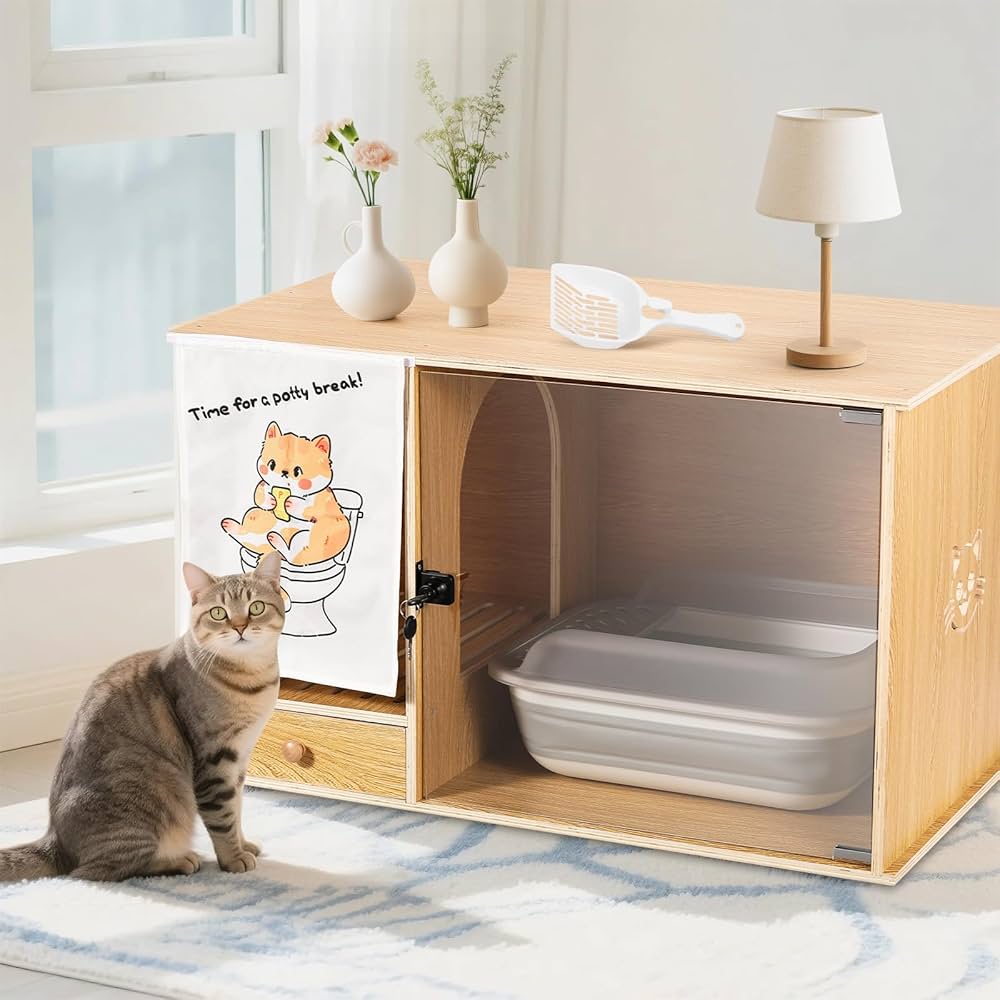
Walking into your living room only to be greeted by the faint smell of a litter box—or spotting an unsightly plastic tray peeking out from behind your couch—is a universal frustration for cat owners. You want a home that looks and feels like yours, not a pet storage facility, but your cat’s needs can’t take a backseat to interior design. That’s where cat litter box enclosure furniture comes in: stylish, functional solutions that hide messes, reduce odors, and keep your cat comfortable, all without clashing with your décor. Updated for 2026, this guide breaks down everything you need to know to choose the perfect enclosure for your space, from sizing and materials to DIY builds and top-rated picks.
Core Benefits for You and Your Cat
Litter box enclosures do far more than hide an unsightly plastic tray. When chosen correctly, they improve your home’s functionality, support your cat’s behavioral needs, and simplify your cleaning routine. Below are the most impactful benefits backed by pet care experts and real owner experiences. For more on this, see our guide on best cat litter box for odor.
Improves Your Home’s Aesthetic
Gone are the days of tucking the litter box in a dark, out-of-the-way corner where it’s hard to access. Modern enclosures are designed to match popular interior design trends, from mid-century modern and farmhouse to minimalist and industrial. Options range from sleek matte black cabinets to light oak benches that blend seamlessly with existing furniture, so no guest will ever guess what’s hiding inside.
Reduces Lingering Odors
Enclosed designs trap ammonia and waste smells before they spread through your home, a game-changer for open-concept living spaces or small apartments with limited airflow. Many models also include built-in ventilation slots and activated carbon filters that drastically cut the spread of odors, which is especially useful for renters or homes with shared walls. For extra freshness, pair the enclosure with natural odor neutralizers to target stubborn smells at the source.
Supports Your Cat’s Need for Privacy
As the American Veterinary Medical Association notes, cats are prey animals that prefer secluded, low-traffic areas for elimination. An enclosed, quiet space reduces stress and minimizes the risk of litter box avoidance, a common behavioral issue in multi-pet or high-traffic homes. In practice, most owners report their cats adjust to enclosures within 3–5 days, especially if they place treats or catnip inside to create positive associations.
Contains Litter Scatter
Tracking litter is one of the top complaints for cat owners, but enclosures solve this with minimal effort. Most designs feature a raised entry lip (1–3 inches high) or built-in litter mat compartment that catches the majority of tracked litter before it spreads to your floors. In practice, most cat owners report a noticeable drop in visible litter scatter within the first week of use, cutting down on daily sweeping significantly.
Serves Multiple Functions
Space is at a premium in most homes, and enclosures are designed to make every inch count. Bench-style models double as extra seating for entryways or mudrooms, end table styles hold lamps, remotes, and plants next to your couch, and cabinet models include adjustable shelves for storing litter supplies, toys, and waste bags. This multi-functionality makes them a smarter investment than single-purpose litter box covers.
Deters Other Pets from Access
For multi-pet households, a latchable enclosure keeps curious dogs out of the litter box, preventing them from eating cat waste, which can transmit parasites and bacteria to other pets, per the CDC's guidelines for pet household safety. It also prevents dogs from knocking over the litter box and spreading mess across your home.
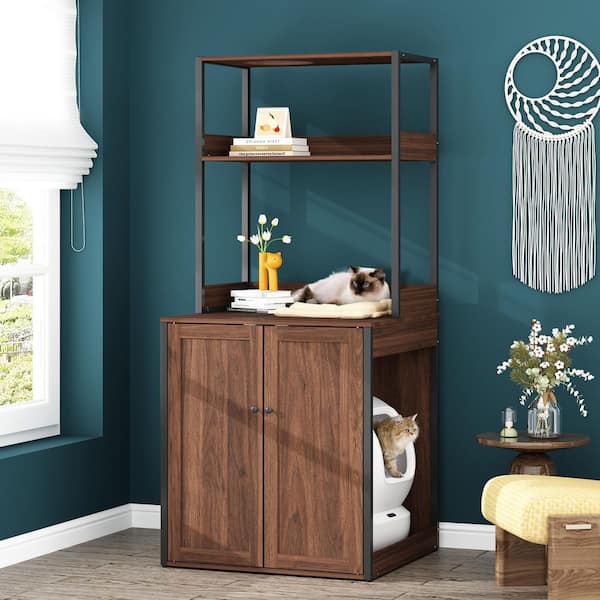
This bench-style enclosure doubles as extra seating for entryways or mudrooms.
Popular Enclosure Styles for Every Home
Enclosures come in a wide range of designs to fit different spaces, décor styles, and cat needs. Below are the most common styles, along with their ideal use cases:
Cabinet Style
Cabinet enclosures are the most popular option for design-focused homes, as they match standard cabinet heights (30–36 inches) and look like regular built-in storage. They typically have a hinged or sliding door for easy cleaning access, and many include adjustable interior shelves for storing litter supplies. These are ideal for living rooms, bedrooms, or home offices where you want the enclosure to blend in completely with existing furniture.
Bench Style
Bench enclosures are designed for high-traffic areas like entryways, mudrooms, or hallways, where extra seating is a bonus. Most are rated to hold 150–200 lbs, so they can safely support multiple people sitting down to take off shoes. They often have a hidden storage compartment inside for litter supplies, and the open front or side access makes cleaning quick and easy.
End Table Style
End table enclosures are compact, low-profile options designed to fit next to sofas, beds, or armchairs. They typically have a flat top surface that can hold a lamp, book, or drink, making them perfect for small apartments or bedrooms where floor space is limited. Many models also include a cutout for power cords, so you can charge devices without removing the top.
Specialty Wall-Mounted Enclosures
For tiny studios or homes with limited floor space, wall-mounted enclosures are a growing 2026 trend. They hang 12–18 inches off the ground, freeing up floor space entirely, and can be installed at a height that’s comfortable for both you and your cat to access. These are ideal for renters, as most use damage-free adhesive mounting strips that don’t require drilling into walls.
Key Features to Prioritize When Shopping
Not all enclosures are created equal, and prioritizing the right features will ensure you get a product that works for both you and your cat for years to come.
Ventilation
Look for enclosures with at least two 1–2 inch ventilation holes, either on the top, back, or sides of the unit. Proper airflow prevents trapped ammonia from building up, which can cause respiratory irritation for both you and your cat. Avoid solid, unventilated enclosures, even if they look more seamless, as they will trap odors and create an unhealthy environment.
Easy Access Points
Choose an enclosure with a door that opens smoothly and is large enough for you to reach in to scoop litter and change the box easily. For cats with arthritis or senior cats, look for a low entry point (6 inches or less) or a removable front panel to eliminate the need to step over a high lip. Some models also have a separate small cat door that lets your cat enter and exit without you having to open the main door, which helps contain odors and litter scatter.
Litter Tracking Prevention
The best enclosures include a built-in litter mat compartment or a raised entry lip to catch tracked litter before it spreads to your flooring. Look for models with a removable, washable mat for easy cleaning, as this will cut down on your daily maintenance time significantly.
Storage Space
If you want to keep litter supplies, waste bags, and cleaning tools out of sight, look for enclosures with built-in shelves, drawers, or hidden compartments. This eliminates the need for a separate litter supply caddy, keeping your space tidy and all essentials within arm’s reach.
Cat-Friendly Design
Avoid enclosures with sharp edges, toxic finishes, or small, cramped interiors that don’t give your cat enough room to turn around and dig comfortably. The interior of the enclosure should be at least 1.5x the length of your cat from nose to tail base, with enough height for them to stand up fully without hitting their head.
Materials: Durability, Safety, and Style
The material of your enclosure will impact its durability, ease of cleaning, and overall aesthetic. Below are the most common options, along with their pros and cons:
Solid Wood and Engineered Wood
Wood enclosures are the most popular choice for design-focused homes, as they match existing hardwood furniture and can be painted or stained to fit your exact décor. Solid hardwoods (oak, maple, walnut) are extremely durable and scratch-resistant, but cost more. Engineered wood (MDF, plywood) is more affordable, but can warp if exposed to repeated moisture from litter leaks, so look for models with a water-resistant sealant. Always opt for enclosures with low-VOC, non-toxic finishes to avoid exposing your cat to harmful chemicals.
Powder-Coated Metal
Metal enclosures are a great choice for households with rambunctious kittens or large dogs, as they are scratch-resistant, chew-proof, and easy to wipe clean. Powder-coated steel is the most common option, and it comes in a wide range of colors from matte black to white and pastel shades to match any décor. The only downside is that metal can feel cold to the touch in cooler homes, so you may want to add a small blanket or mat inside for your cat’s comfort.
Eco-Friendly and Recycled Materials
For environmentally conscious owners, enclosures made from FSC-certified sustainable wood, recycled plastic, or bamboo are a great choice. These materials are often more water-resistant than traditional wood, and many are fully recyclable at the end of their lifespan. Look for models certified by Greenguard or similar organizations to ensure they meet strict indoor air quality standards for pets and humans.
How to Choose the Right Size for Your Space
A common mistake when shopping for an enclosure is prioritizing style over size: an enclosure that’s too small will stress your cat out and lead to litter box avoidance, which is far harder to fix than a mismatched piece of furniture. Use the guide below to find the right size for your cat:
| Cat Weight | Minimum Interior Enclosure Size | Best Use Case |
|---|---|---|
| Under 10 lbs (kittens, small breeds) | 20” x 16” | Apartments, single cat homes |
| 10–18 lbs (average domestic cats) | 28” x 22” | Most standard households |
| Over 18 lbs (large breeds, Maine Coons) | 36” x 24” | Multi-pet homes, cats with mobility issues |
In addition to interior size, make sure the enclosure fits the space where you plan to place it, with at least 12 inches of clearance on all sides for easy cleaning access. Avoid placing the enclosure in tight corners or near high-traffic areas where it will obstruct movement. For senior cats or cats with arthritis, choose an enclosure with a low entry point (6 inches or less) to eliminate the need to step over a high lip.
Blending Enclosures Into Your Home Décor
One of the biggest perks of litter box enclosure furniture is its ability to look like an intentional design piece, not a hidden utility item. To make it blend seamlessly into your space:
- Match the finish of the enclosure to your existing trim or furniture: if you have dark wood cabinets, choose a dark wood enclosure; if your home has light neutral tones, opt for a white or gray model.
- Place the enclosure in a corner or against a wall to make it look like a built-in piece of furniture, rather than tucking it in the middle of a room where it stands out.
- Add decorative touches to the top of the enclosure, like a plant, lamp, or framed photo, to make it feel like a natural part of your décor.
- For small spaces, choose a wall-mounted or narrow bench-style enclosure to avoid taking up valuable floor space.
DIY vs. Store-Bought: Which Is Right for You?
If you can’t find a pre-made enclosure that fits your space or style, building your own is a rewarding, cost-effective option—but it’s not for everyone.
When DIY Makes Sense
Building your own enclosure is ideal if you have custom space constraints (like a narrow nook under a staircase), want to match exact trim or paint colors, or are on a tight budget. With basic tools (a saw, drill, sandpaper, and non-toxic sealant), you can build a custom enclosure for as little as $30 in materials. A common mistake DIYers make is forgetting to add ventilation holes: drill 1–2 inch holes in the top or back of the enclosure, and cover them with mesh to prevent drafts and keep pests out. You’ll also want to add a raised entry lip or a built-in litter mat compartment to catch tracked litter.
When Store-Bought Is Better
If you don’t have construction experience, want a guaranteed durable build, or need an enclosure with built-in ventilation and a warranty, store-bought is the better choice. Pre-made enclosures are tested for stability and cat safety, and many include features like adjustable shelves, lockable latches, and integrated carbon filters that are hard to replicate in a DIY build. For renters, store-bought enclosures are also a better option, as they don’t require any permanent modifications to your home.
Maintenance Tips to Keep Your Enclosure Fresh
Regular maintenance will extend the life of your enclosure and keep your home odor-free and hygienic for both you and your cat. Follow this simple schedule:
- Daily: Scoop solid waste from the litter box, and shake out any litter tracked onto the entry mat.
- Weekly: Wipe down the entry lip and exterior of the enclosure with a damp cloth and pet-safe cleaner to remove dust and litter residue.
- Monthly: Remove the litter box fully, wipe down the interior of the enclosure with a mild, pet-safe disinfectant (avoid bleach, which is toxic to cats if residue remains), and wash the litter mat in hot water.
- Every 2–3 months: Replace any integrated carbon filters to maintain optimal odor control.
If you notice scratches, chew marks, or splinters on the enclosure, sand them down immediately and reapply a non-toxic sealant to prevent injury to your cat. For extra protection against leaks, line the bottom of the enclosure with a washable pee pad that you can swap out easily if needed. If you share your home with multiple felines, you may want to pair the enclosure with multi-cat litter box options to accommodate all their needs.
2026 Pricing: Budget to High-End Options
Enclosure prices vary widely based on material, size, and extra features. Here’s what to expect in 2026:
- Budget ($50–$150): Made from MDF or laminate, these basic enclosures are available at big-box retailers like Target, Home Depot, and Petsmart. They are functional and come in a range of neutral colors, but may lack built-in ventilation or storage. For even lower costs, check second-hand marketplaces like Facebook Marketplace for lightly used models.
- Mid-Range ($150–$300): Made from solid wood or powder-coated metal, these enclosures include built-in ventilation, storage space, and raised entry lips for litter tracking prevention. Brands like New Age Pet and Merry Products offer reliable options in this range that fit most standard décor styles.
- High-End ($300–$600+): Premium enclosures from brands like Tuft & Paw feature solid hardwoods, custom finishes, adjustable shelving, and even smart features like built-in odor elimination or compatibility with a self-cleaning litter box for hands-free maintenance. Many come with 5+ year warranties, making them a worthwhile investment for design-focused owners who want a permanent, high-quality fixture.
Top-Rated Picks for 2026
Based on thousands of verified 2026 customer reviews, these are the most reliable and stylish enclosures on the market:
- Merry Products Cat Washroom Bench ($129): This farmhouse-style bench has a 150 lb weight capacity, hidden storage for litter supplies, and an integrated charcoal filter. Reviewers love its easy assembly and ability to fit jumbo-sized litter boxes, making it ideal for entryways and mudrooms. The only downside is that assembly can take 1–2 hours for first-time DIYers.
- New Age Pet ecoFLEX Litter Loo ($189): Made from non-toxic, recycled plastic, this end table style enclosure is scratch-resistant, waterproof, and perfect for renters or homes with rambunctious pets. It has a low entry point that’s easy for senior cats to access, but lacks built-in storage, so you’ll need a separate supply caddy.
- Tuft & Paw Litter Box Enclosure Cabinet ($449): This premium solid oak cabinet matches high-end home décor, includes adjustable shelves, a lockable latch to keep pets out, and a 5-year warranty. It’s large enough to fit automatic litter boxes, making it a top pick for owners who want hands-free maintenance. The high price point is the only drawback for budget-focused buyers.

End table enclosures fit seamlessly next to sofas or beds for discreet litter box storage.
Frequently Asked Questions
Are litter box enclosures safe for cats?
Yes, when sized and ventilated properly. The enclosure should be at least 1.5x the length of your cat from nose to tail base, with at least two 1-inch ventilation holes to allow airflow. Avoid enclosures with solid, unventilated walls, as trapped ammonia can cause respiratory irritation in cats. If your cat avoids the enclosure, try removing the door temporarily to help them adjust, or place treats inside to create positive associations. For persistent litter box issues, use positive litter training techniques to help your cat feel comfortable in their new space.
How do I hide a litter box in furniture without causing odor buildup?
Choose an enclosure with built-in ventilation and an activated carbon filter, and place it in a well-ventilated area of your home (avoid tucking it in a closed closet or basement). Scoop solids daily, change the litter every 2–4 weeks, and replace the carbon filter every 2–3 months for optimal performance. For extra odor control, pair the enclosure with natural odor neutralizers designed for litter boxes.
Why do some cats dislike enclosed litter boxes?
Some cats avoid enclosed boxes because they feel trapped or unable to see approaching threats, which goes against their natural prey instincts. Poor ventilation can also make the space smell overwhelming, and small enclosures can make it hard for cats to turn around and dig comfortably. If your cat refuses to use an enclosure, start with a model that has an open front or removable door, and gradually introduce the closed door over a week or two to help them adjust.
Where should I avoid placing a litter box enclosure?
Never place the enclosure near your cat’s food and water bowls, as cats avoid eating near their elimination area. Avoid high-traffic areas like hallways or main living spaces where loud noises will startle your cat, and keep it away from appliances like washing machines or dryers that make sudden loud noises. Ideal locations are quiet, low-traffic corners of bedrooms, home offices, or mudrooms.
Do litter box enclosures work for automatic litter boxes?
Yes, many mid-range and high-end enclosures are designed specifically to fit standard automatic litter boxes. Look for models with a larger interior (at least 24” x 18”) and a power outlet cutout to cord the automatic box without creating a tripping hazard. Check the product specifications to ensure the enclosure’s interior dimensions match your automatic litter box’s measurements before purchasing.
Can I use a litter box enclosure for a dog?
No—enclosures are designed specifically for cats, with entry points and interior sizes tailored to feline needs. If you need a solution for dog waste, opt for a dog-specific litter box or potty station instead, as dog waste has different hygiene and odor control requirements.
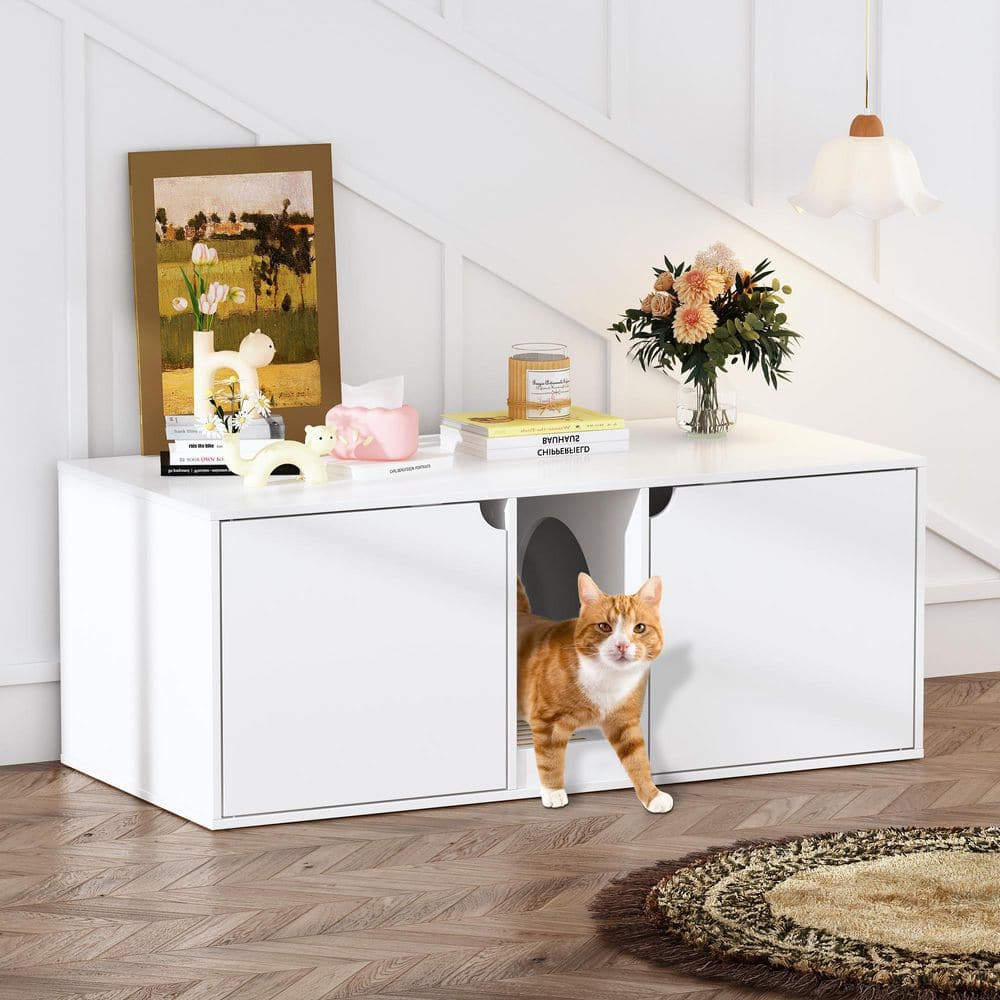
Cabinet-style enclosures match standard home cabinetry for a seamless, hidden look.
Final Thoughts
Cat litter box enclosure furniture is one of the simplest, most impactful upgrades you can make to a pet-friendly home. It eliminates the eyesore of a plastic litter box, cuts down on odors and mess, and gives your cat the private, low-stress space they prefer for elimination. Whether you opt for a budget DIY build, a mid-range bench, or a high-end custom cabinet, the right enclosure will make your home feel more like yours, without compromising on your cat’s comfort.
If you’re ready to find the perfect fit for your space, start by measuring your litter box and the area where you plan to place the enclosure, then prioritize features that matter most to you, whether that’s extra storage, odor filtration, or multi-functional design. For more tips on creating a pet-friendly home that fits your style, explore our guides to the best multi-cat litter box options and natural odor neutralizers to keep your space fresh year-round.