
If you’ve ever tried to brush your cat’s teeth only to end up with a scratched hand, a stressed feline, and half a tube of cat toothpaste on the floor, you’re not alone. In my decade working as a feline veterinary technician, 8 out of 10 cat owners tell me they avoid brushing entirely because their cat resists it so strongly. But here’s the hard truth: dental disease affects more than 70% of cats over age 3, per the American Veterinary Medical Association, and untreated issues can lead to painful infections, tooth loss, and even systemic damage to the kidneys, heart, and liver. The good news? You don’t have to wrestle your cat with a toothbrush to keep their mouth healthy. This guide breaks down vet-approved, low-stress alternatives to brushing that actually work, with clear steps, product guidance, and red flags to watch for.
Why Brushing Isn’t the Only Option (And When Alternatives Make Sense)
Brushing your cat’s teeth 2-3 times per week is the gold standard for removing plaque above the gum line, but it’s not a feasible routine for every cat. Some cats have existing mouth pain from undiagnosed dental issues, others have severe anxiety around handling, and many simply hate the strange sensation of a toothbrush in their mouth. Non-brushing methods are not a replacement for professional veterinary dental care, but they are highly effective at reducing plaque buildup, freshening breath, and slowing tartar formation when used consistently. Most cats see the best results when you combine 2-3 of the methods below, rather than relying on a single solution. You can also read our guide on vibrantlife plaque tooth wipes for cats.
7 Expert-Approved Ways to Clean Your Cat’s Teeth Without Brushing
1. Use VOHC-Approved Dental Diets
Not all crunchy kibble will help clean your cat’s teeth—only diets with the Veterinary Oral Health Council (VOHC) seal of approval have been independently tested to reduce plaque and tartar by at least 20% via mechanical scraping as your cat chews. These diets use a specific kibble size, shape, and texture that forces cats to chew thoroughly, rather than swallowing pieces whole. Free-feeding kibble reduces effectiveness, as grazing cats don’t chew as intentionally as they do during measured meals. If your cat requires wet food for health conditions like chronic kidney disease, you can pair specialized wet formulas with other dental care methods for full coverage, as wet food alone does not provide the mechanical scraping action of dental kibble.
2. Offer Vet-Recommended Dental Treats
Dental treats are formulated with enzymes (like glucosidase) or antimicrobial agents (like chlorhexidine) that break down plaque biofilm between chews, and many also have a textured surface that scrapes teeth as your cat eats. Look for treats with the VOHC seal for proven efficacy, and avoid generic "dental" treats with added sugars, artificial fillers, or excess calories, which can actually worsen plaque buildup and contribute to weight gain. Dental treats should make up no more than 10% of your cat’s daily calorie intake—most average-sized cats only need 1-2 small treats per day to see dental benefits. If you already use treats for behavior training, training-friendly dental snacks are a great two-in-one option that rewards good behavior while supporting oral health. You can also read our guide on should cats eat dry food or wet food.

These vet-approved treats are formulated to reduce plaque buildup when chewed daily, and should make up no more than 10% of your cat’s daily calorie intake.
Credit: www.amazon.com
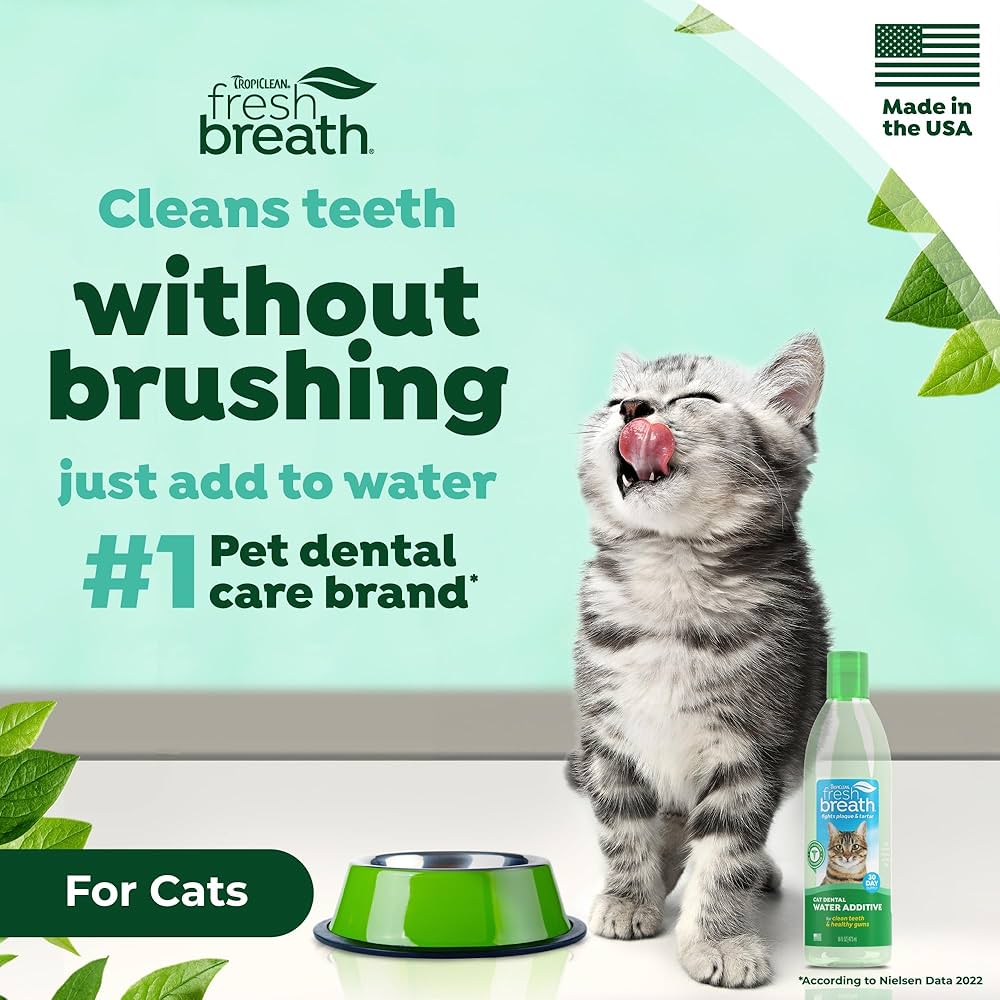
3. Add Plaque-Fighting Water Additives
Water additives contain low concentrations of antimicrobial ingredients (like zinc gluconate or chlorhexidine) that coat the mouth as your cat drinks, reducing the bacteria that cause plaque, tartar, and bad breath. They are one of the easiest low-effort options for cat owners, but they do not work for every feline: many picky cats will refuse to drink water with a strong flavor or scent. If your cat is hesitant, start with half the recommended dose for 3-5 days to let them adjust to the taste, then scale up to the full amount over time. Never add more than the label recommends, as overuse can cause stomach upset or digestive issues. Be sure to clean your cat’s water bowl daily to prevent bacterial growth, which can counteract the additive’s benefits.
4. Use Dental Gels, Sprays, and Wipes
Dental gels, sprays, and wipes are a middle ground between brushing and fully passive methods, requiring minimal hands-on time with your cat. Dental gels are applied directly to the gums and teeth with a finger or cotton swab, and work best when left on for 30 seconds before your cat licks it off. Sprays are ideal for cats that hate direct touch: aim the spray towards the back molars while gently holding your cat’s mouth open for 2-3 seconds, and let them shake their head to distribute the product. Wipes are pre-moistened with plaque-fighting ingredients, and you can wrap one around your finger to gently rub along the gum line without needing a full toothbrush. Look for products with chlorhexidine or zinc as active ingredients, and avoid anything with xylitol, which is toxic to cats. For cats that resist direct application, use gentle oral wipes after playtime when they are relaxed, pairing the process with a small treat to build a positive association over time.
5. Provide Safe Chew Toys and Dental Toys
Chew toys designed for dental health have textured surfaces (like nubs, grooves, or raised bumps) that scrape plaque off teeth as your cat chews, while also satisfying their natural instinct to gnaw, which reduces stress and prevents destructive chewing of household items. Only choose toys made from non-toxic, durable materials like food-grade silicone or natural rubber—avoid cheap plastic toys with small parts that can break off and cause choking or intestinal blockages. Rotate toys every 1-2 weeks to keep your cat interested, and always supervise play with new toys to make sure they are not damaging their teeth or gums. For cats that prefer chasing over chewing, interactive puzzle toys that dispense small dental treats as they play combine mental stimulation with plaque removal, making them a great option for high-energy or intelligent breeds.
6. Try Raw, Edible Chews (With Vet Approval First)
Raw, meaty bones (like appropriately sized chicken necks or wings) can naturally scrape plaque as your cat chews, and also provide beneficial nutrients like calcium and protein. That said, this method comes with important caveats: never feed cooked bones, which splinter easily and can cause life-threatening internal damage. Always consult your veterinarian before introducing raw bones, especially if your cat has existing dental issues, digestive problems, or a compromised immune system. Some vets recommend against raw bones entirely due to the small but real risk of bacterial contamination (Salmonella, E. coli), so get personalized guidance for your cat’s specific health needs before offering this option.
7. Schedule Regular Professional Dental Cleanings
Even with the best at-home care, plaque and tartar build up in hard-to-reach areas, especially below the gum line, where they can cause hidden damage. A professional dental cleaning under general anesthesia lets your vet remove all tartar, take dental X-rays to check for hidden issues like tooth resorption (which affects 1 in 3 cats over age 5), and address problems before they cause chronic pain. Most vets recommend annual dental exams for all cats, with full cleanings every 1-3 years depending on your cat’s breed, age, and dental health. Brachycephalic breeds (like Persians) and older cats often need more frequent cleanings, as they are more prone to dental misalignment and tartar buildup. This is the only way to fully eliminate existing tartar and catch early signs of disease that at-home methods can’t address.
Critical Mistakes to Avoid With Non-Brushing Dental Care
Even well-meaning cat owners can make errors that reduce the effectiveness of their dental care routine, or even harm their pet. In my experience working in feline clinics, these are the most common preventable mistakes:
- Using dog dental products: Dog toothpaste often contains xylitol, which is highly toxic to cats, and dog dental diets have larger kibble that can be a choking hazard for smaller cats. Always stick to cat-safe dental product guide options formulated specifically for felines.
- Overfeeding dental treats: Treats should make up no more than 10% of your cat’s daily calories. Overfeeding leads to weight gain, which increases the risk of dental disease and other chronic health issues long-term.
- Skipping vet exams entirely: Non-brushing methods reduce surface plaque but cannot remove tartar below the gum line or catch early tooth resorption, which is painless until it has already caused significant damage. Annual exams are non-negotiable for long-term dental health.
- Using human oral care products: Human mouthwash, whitening strips, and toothpastes often contain alcohol, fluoride, or essential oils that are toxic to cats, even in small amounts.
Red Flags: When to See Your Vet Immediately
Early detection of dental issues can save your cat from years of pain and expensive treatments. Watch for these symptoms, and schedule a vet appointment as soon as you notice them:
- Persistent bad breath that does not improve with dental treats, water additives, or chews
- Excessive drooling, especially if the drool is bloody or has a foul odor
- Reluctance to eat hard food, dropping food while eating, or yowling when chewing
- Pawing at the mouth, or flinching when you touch their face or whiskers
- Swollen, red, or bleeding gums, or loose/missing teeth
- Sudden behavior changes: irritability, hiding, reduced grooming, or weight loss from avoiding food
Dental pain often presents as subtle behavior changes first, rather than obvious signs of discomfort, so if your cat’s behavior shifts unexpectedly, a dental exam is a good first step to rule out oral issues.

Early signs of gingivitis include red, inflamed gums and mild bad breath, which can be caught during routine vet exams before they progress to painful periodontitis.
Credit: justcatsclinic.com
Frequently Asked Questions
Can I really keep my cat’s teeth healthy without ever brushing?
For some cats, yes—especially if you combine multiple methods (a dental diet + daily treats + water additive) and keep up with annual vet exams. Brushing is still the most effective single method for removing plaque above the gum line, so if your cat tolerates even occasional brushing, it’s worth incorporating as part of a multi-step routine for best results. For guidance on building a brushing routine that works for resistant cats, check out our recommended brushing frequency guide.
Are dental water additives safe for all cats?
Most are safe for healthy adult cats, but cats with kidney disease, sensitive stomachs, or on long-term medication should have vet approval first, as some ingredients can interact with certain drugs. Always introduce the additive slowly, starting with half the recommended dose, to monitor for changes in water intake or digestive issues.
How long does it take to see results from non-brushing methods?
You will notice reduced bad breath and less visible surface plaque within 2-4 weeks of consistent use, but significant tartar reduction takes 2-3 months. For cats with existing hardened tartar buildup, a professional cleaning is required first to remove deposits that at-home methods cannot dissolve or scrape away.
Are raw bones safe for cats?
Only if your veterinarian approves them, and only raw, appropriately sized bones that are large enough your cat cannot swallow whole. Never feed cooked bones, which splinter easily and can cause life-threatening internal damage. Raw bones carry a small risk of bacterial contamination (Salmonella, E. coli) and can cause tooth fractures if they are too hard, so they are not a suitable option for every cat. Dental treats and toys are a safer, lower-risk choice for most pets.
Conclusion
Keeping your cat’s teeth clean doesn’t have to involve stressful wrestling matches or daily toothbrushing sessions. By combining a few low-effort, vet-approved methods tailored to your cat’s preferences, you can reduce plaque buildup, freshen their breath, and lower their risk of painful dental disease long-term. The most important step is staying consistent: even 30 seconds of wipe use or a daily dental treat adds up to better oral health over time. And never skip annual vet dental exams, as they are the only way to catch hidden issues before they cause serious harm. If you’re looking for more low-stress ways to keep your cat healthy, check out our guide to reducing cat dander with easy wipes for simple, stress-free grooming wins.