
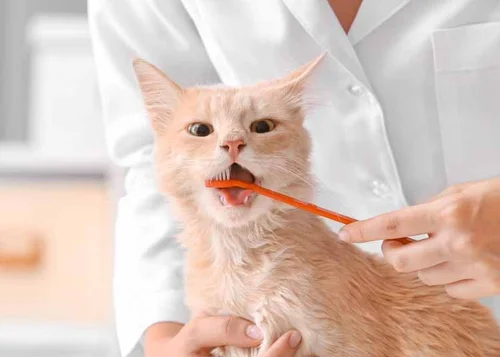
Have you ever wondered if you're supposed to brush your cat's teeth? If you're like most cat owners, this question might have crossed your mind more than once.
After all, your feline friend is an important part of your family, and their health is a top priority. But caring for a cat's teeth might seem daunting or even unnecessary. You might feel a bit overwhelmed, unsure if you’re doing enough to maintain their oral hygiene.
You're not alone in your curiosity. Many pet owners find themselves questioning the best practices for their cat's dental care. We're going to dive into why brushing your cat's teeth matters, how it can impact their overall health, and what steps you can take to ensure your furry companion has a happy, healthy mouth. By the end, you'll have a clear understanding of how to keep your cat’s smile as bright and healthy as possible. So, let's explore this often overlooked aspect of cat care together.
Credit: paradepets.com
Importance Of Cat Dental Care
The importance of cat dental care is often overlooked, yet it's a crucial aspect of your feline friend's overall health. Just like humans, cats can suffer from dental issues that lead to discomfort, pain, and even more severe health problems if not addressed. Understanding the significance of maintaining your cat's dental hygiene can make a world of difference in their quality of life.
Understanding The Risks Of Poor Dental Hygiene
Did you know that most cats show signs of dental disease by the age of three? This alarming statistic underscores the importance of regular dental care. Poor dental hygiene can lead to plaque buildup, which hardens into tartar and eventually causes gum inflammation or gingivitis. Left untreated, these conditions can progress to periodontal disease, resulting in tooth loss and systemic health issues.
Benefits Of Regular Brushing
Brushing your cat's teeth might sound like a daunting task, but it's one of the most effective ways to combat dental disease. Regular brushing helps remove food particles and plaque before they can turn into harmful tartar. Not only does this keep your cat's mouth clean, but it also reduces the risk of bad breath and painful oral conditions.
How To Introduce Toothbrushing To Your Cat
If you’ve never brushed your cat's teeth before, start slowly. Use a cat-specific toothbrush and toothpaste, as human products can be harmful to pets. Begin by allowing your cat to sniff and taste the toothpaste, then gradually introduce the toothbrush. Patience is key, and positive reinforcement can make the process smoother.
Alternative Dental Care Options
If brushing isn’t feasible, there are other ways to support your cat's dental health. Dental treats and chew toys designed to clean teeth can be a helpful supplement. Additionally, regular veterinary dental check-ups ensure any potential issues are caught early. Consider these options as part of a comprehensive dental care routine for your cat.
Have you checked your cat's teeth lately? Taking action today can prevent a host of health problems down the road.

Credit: www.yahoo.com
Signs Of Dental Problems In Cats
Cats need dental care just like humans do. Many pet owners are unaware of the signs of dental problems in cats. Recognizing these signs early can prevent serious health issues. Cats are experts at hiding discomfort, so regular check-ups are vital.
Signs Of Bad Breath
Bad breath is often the first sign of dental issues in cats. It can indicate a buildup of bacteria or tartar. If your cat's breath smells worse than usual, it might be time for a dental check-up.
Difficulty Eating
Watch for changes in eating habits. If your cat struggles to chew or eats less, this could signal a dental problem. Painful teeth or gums make eating difficult, leading to weight loss.
Excessive Drooling
Excessive drooling can indicate oral discomfort. Cats usually groom themselves to remove drool, so noticeable drooling suggests a problem. This could be due to a sore tooth or gum disease.
Pawing At The Mouth
Pawing at the mouth is a sign of dental pain. Cats may try to relieve discomfort by using their paws. This behavior often points to a toothache or gum irritation.
Swollen Or Bleeding Gums
Check your cat’s gums regularly. Swollen or bleeding gums are common signs of dental disease. Healthy gums should be pink and firm. Red or inflamed gums need attention.
Visible Tartar Buildup
Tartar buildup is visible as a yellow or brown film on teeth. It can lead to serious dental issues. Regular brushing and professional cleaning help prevent this buildup.
Loose Or Missing Teeth
Loose or missing teeth indicate advanced dental problems. These can affect your cat’s ability to eat and lead to infections. Immediate veterinary care is essential.
Benefits Of Brushing Cat's Teeth
Brushing your cat's teeth helps prevent gum disease and bad breath. It also reduces the risk of tooth decay. A clean mouth supports your cat's overall health and longevity.
Brushing your cat's teeth offers many benefits. It helps maintain oral health and prevents dental diseases. Cats can suffer from gum disease and tooth decay. Regular brushing reduces the risk of these problems. It also helps in avoiding painful infections. A healthy mouth means a happy and active cat.
Improved Oral Health
Brushing removes plaque and tartar. This prevents bacteria buildup. Clean teeth mean fewer infections. Healthy gums lead to better overall health.
Prevention Of Dental Diseases
Regular brushing keeps dental diseases at bay. It reduces the risk of gingivitis. This saves your cat from painful conditions. Early prevention is key to long-term health.
Fresh Breath
Brushing ensures your cat has fresh breath. Plaque can cause bad smells. A clean mouth makes snuggles more pleasant.
Better Overall Health
Healthy teeth contribute to better health. Dental issues can lead to other problems. Keeping teeth clean supports a strong immune system.
Cost Savings On Vet Bills
Brushing reduces the need for dental treatments. This saves money on vet bills. Regular home care is cost-effective.
Choosing The Right Dental Tools
Choosing the right dental tools for your cat can be a game-changer in maintaining their oral health. Just like humans, cats require specific tools to ensure their teeth are thoroughly cleaned without causing discomfort. The right tools can make the process smoother for both you and your feline friend, transforming what might seem like a daunting task into a manageable routine.
Types Of Cat Toothbrushes
There’s a surprising variety of toothbrushes designed specifically for cats. You might start with a finger brush, which is a simple silicone sleeve that slips onto your finger, making it easy to maneuver. These are excellent for cats who might be a bit skeptical of having a brush in their mouth.
Alternatively, consider a traditional cat toothbrush. These typically feature a small, angled head that can reach into the nooks and crannies of your cat's mouth. Some even come with dual heads for more comprehensive cleaning.
If you’re unsure, consult your veterinarian for recommendations based on your cat's size and behavior. It's essential to find a toothbrush that your cat will tolerate, as forcing the wrong tool can lead to stress for both of you.
Selecting Cat-friendly Toothpaste
Choosing the right toothpaste is equally important. Human toothpaste is a definite no-no due to its fluoride content, which can be harmful to cats. Instead, opt for a cat-specific toothpaste, often available in enticing flavors like chicken or fish that your cat might actually enjoy.
Using flavored toothpaste can make the brushing experience more pleasant for your pet, potentially turning a chore into a treat. If your cat seems resistant, try different flavors until you find one they like.
Wouldn't it be great if your cat looked forward to dental care? With the right toothpaste, this could become a reality. Remember, your veterinarian can be a great resource for finding the best toothpaste option.
How To Brush Your Cat's Teeth
Brushing your cat's teeth might not be on your daily to-do list, but it can significantly improve their dental health. Just like humans, cats can suffer from plaque buildup and gum disease. Learning how to brush your cat's teeth can prevent these issues and keep their purrs fresh.
Preparing Your Cat
Before grabbing the toothbrush, ensure your cat is comfortable with you handling their mouth. Start by gently lifting their lips and touching their teeth and gums. This may take several days, so be patient and reward them with treats and praise.
Choose a quiet and calm environment. Avoid times when your cat is playful or restless. A relaxed setting will make the process smoother for both of you.
Step-by-step Brushing Guide
- Use a cat-specific toothbrush or a soft finger brush. Human toothbrushes can be too harsh for your cat’s delicate gums.
- Pick a cat-friendly toothpaste. Human toothpaste contains ingredients that can be harmful to cats.
- Start by letting your cat taste the toothpaste. This helps them get used to the flavor and texture.
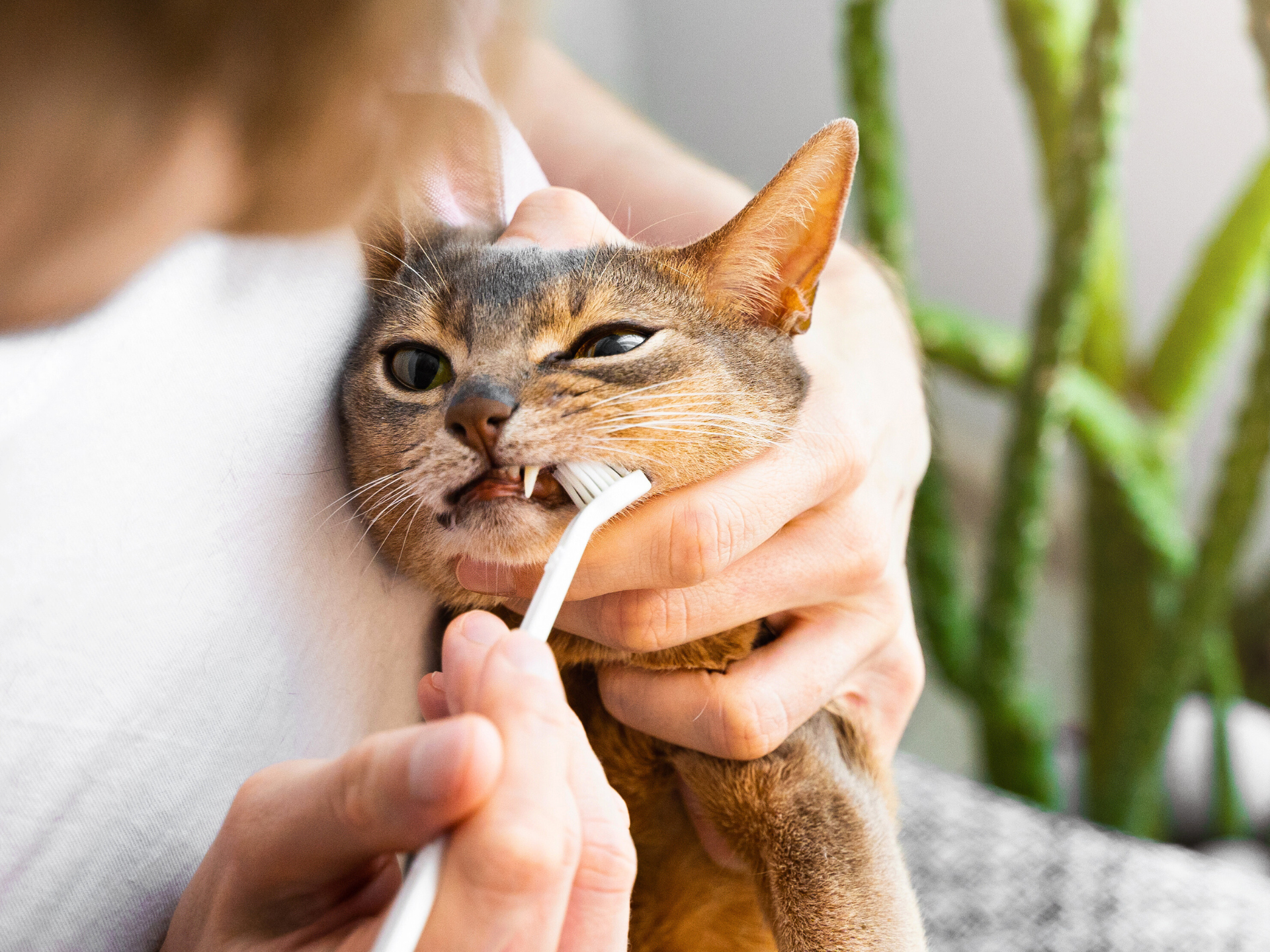
- Gently lift your cat’s lips and brush in a circular motion. Focus on the gum line where plaque tends to accumulate.
- Keep sessions short, around 30 seconds, especially when starting. Gradually increase the time as your cat becomes more comfortable.
Tips For A Stress-free Experience
Consistency is key. Try to brush your cat’s teeth at the same time every day to establish a routine.
If your cat resists, don’t force it. Take a break and try again later. Using treats and positive reinforcement can turn this chore into bonding time.
Have you ever wondered if your cat senses your stress? Stay calm and patient. Your demeanor will influence how your cat reacts during brushing sessions.
Remember, a little preparation and patience go a long way in keeping your feline friend's teeth healthy. Who knows? You might even find it to be a rewarding part of your daily routine.
Alternatives To Brushing
Wondering if you're supposed to brush your cat's teeth? Dental wipes, dental treats, and water additives can help maintain oral hygiene. These alternatives can be easier and more comfortable for both you and your cat.
Brushing your cat's teeth might not be a task you eagerly anticipate. Perhaps your feline friend squirms, hisses, or simply refuses to cooperate. Luckily, there are several effective alternatives to brushing that can help maintain your cat’s oral health. These methods can be a game-changer for both you and your pet, making dental care less of a struggle and more of a routine.
Dental Treats And Chews
Dental treats and chews are a popular choice among cat owners. These products are designed to reduce plaque and tartar buildup while providing a tasty reward for your cat. Look for treats that are specifically labeled for dental health, as they often have ingredients that support oral hygiene. Chews work by mechanically cleaning your cat's teeth as they gnaw on them. Some chews are even infused with enzymes that help break down plaque. However, always supervise your cat while they enjoy these treats to ensure they don't swallow large pieces that could cause choking.
Dietary Considerations
Your cat's diet plays a significant role in their dental health. High-quality, dry cat food can help in scraping off plaque due to its texture. Some brands offer dental-specific formulas designed to enhance oral hygiene. Additionally, integrating wet food occasionally can balance your cat's diet and prevent excessive plaque buildup from carbohydrate-heavy foods. It's crucial to consult your vet to tailor the best diet plan for your cat's individual needs. Are you considering these alternatives for your feline friend? Finding the right balance of dental care methods can significantly impact their overall health and happiness.
Consulting A Veterinarian
Many pet owners wonder about brushing their cat's teeth. Consulting a veterinarian can offer valuable guidance. They have the expertise to assess your cat's dental health.
Professional Dental Cleanings
Veterinarians provide professional dental cleanings for cats. These cleanings remove plaque and tartar buildup. Your cat may need sedation for a thorough cleaning. This process ensures their teeth are healthy and strong. Veterinarians use special tools to clean the teeth safely.
When To Seek Veterinary Advice
Regular check-ups help maintain your cat's oral health. Seek veterinary advice if you notice gum inflammation or bad breath. Cats may show signs of discomfort when eating. These can indicate dental issues needing immediate attention. A veterinarian can suggest the best treatment plan.
:strip_icc()/brush-your-cats-teeth-4778262-hero-9b2c8ee454904454a195642ceaa5454e.jpg)
Credit: www.thesprucepets.com
Frequently Asked Questions
What Can I Do Instead Of Brushing My Cat's Teeth?
Use dental treats or toys designed to clean teeth. Provide raw, meaty bones for natural cleaning. Incorporate dental water additives into their drinking water. Schedule regular professional cleanings with a veterinarian. These alternatives help maintain your cat's oral health without brushing.
How Should I Clean My Cat's Teeth?
Brush your cat's teeth regularly using a pet-safe toothbrush and toothpaste. Begin slowly, allowing them to adjust. Offer dental treats and toys that help reduce plaque. Schedule professional cleanings with a veterinarian as needed. Maintain a consistent dental hygiene routine to ensure your cat's oral health.
How Often Should I Brush The Teeth Of My Cat?
Brush your cat's teeth daily to maintain optimal dental health. Regular brushing helps prevent plaque and tartar buildup. Use a cat-specific toothbrush and toothpaste. Consistency is key for effective oral care. If daily brushing isn't possible, aim for several times a week.
Consult your vet for personalized advice.
How Often Should You Brush Your Cat's Teeth?
Brushing your cat's teeth daily is ideal for optimal oral health. Regular brushing helps prevent plaque buildup and dental issues. If daily brushing isn't possible, aim for at least three times a week. Consistency is key to maintaining your cat's dental hygiene and overall well-being.
Conclusion
Brushing your cat's teeth is important. It helps prevent dental issues. Cats need healthy teeth to eat and play. Regular brushing can stop plaque build-up. Use a cat-friendly toothbrush and paste. Start slow and be gentle. Make it a routine for better results.
Your cat's dental health matters. A clean mouth means a happy cat. Stay attentive to your cat's needs. Regular check-ups are key. Keep your feline friend smiling. Healthy teeth lead to a longer life. Prioritize your cat's dental care today.
It makes a big difference.
