
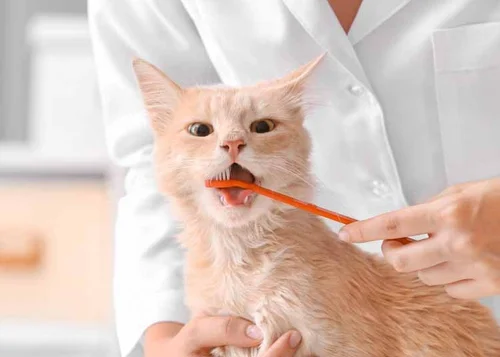
Have you ever wondered if you can brush your cat's teeth with toothpaste? As a loving pet owner, you care deeply about your feline friend's health, especially their oral hygiene.
But knowing what’s safe and effective can be confusing. You want to ensure your cat’s teeth are clean without causing them harm or discomfort. This question might have popped up during a vet visit or while you watched your cat gnaw on their favorite toy.
It's natural to seek answers to keep your furry companion healthy and happy. Stick around, and you'll discover the dos and don'ts of feline dental care, ensuring your kitty's purrs remain as sweet as ever.

Credit: www.amazon.com
Importance Of Cat Dental Care
Cat dental care is crucial for their overall health. Ignoring it can lead to serious health issues. Just like humans, cats need regular dental care to prevent problems.
Why Cat Dental Care Matters
Dental disease is common in cats. It can cause pain and discomfort. Bad breath is often a sign of dental issues. Without proper care, bacteria can enter the bloodstream. This can affect the heart, liver, and kidneys.
Signs Of Dental Problems In Cats
- Bad breath
- Red or swollen gums
- Reluctance to eat
- Excessive drooling
- Loose or missing teeth
Benefits Of Regular Dental Care
Regular dental care prevents plaque and tartar buildup. It helps maintain healthy gums and teeth. A healthy mouth contributes to a healthy cat. Regular check-ups with a vet are essential.
Effective Tools For Cat Dental Care
Use a cat toothbrush for cleaning. Specially formulated cat toothpaste is available. Dental treats and toys help reduce plaque. These tools make dental care easier and more effective.
Common Dental Problems In Cats
Brushing your cat's teeth with regular toothpaste is not safe. Instead, use toothpaste specifically made for cats. This helps prevent dental issues like plaque and gum disease. Regular cleaning keeps your cat's mouth healthy.
Cats, like humans, can suffer from various dental issues. These problems can affect their overall health. Understanding these issues helps in providing better care for your feline friend.
Periodontal Disease
Periodontal disease is common in cats. It starts with plaque buildup. If not treated, it can lead to gum inflammation and tooth loss. Regular dental check-ups are important. They help detect and treat this condition early.
Tooth Resorption
Tooth resorption is another common issue. It involves the breakdown of the tooth structure. This condition can cause pain and discomfort. A vet can diagnose it with X-rays. Treatment may involve removing the affected teeth.
Gingivitis
Gingivitis is the inflammation of the gums. It's often caused by plaque and bacteria. Symptoms include red, swollen gums and bad breath. Regular brushing can help prevent gingivitis. Dental treats can also be beneficial.
Stomatitis
Stomatitis is a severe inflammation in the mouth. It affects the gums, cheeks, and tongue. Cats with stomatitis may have difficulty eating. Treatment can include medication or surgery. Regular vet visits are crucial for managing this condition.
Dental Fractures
Dental fractures occur when a tooth breaks. This can happen due to trauma or biting hard objects. Fractures can expose nerves and cause pain. A vet may need to remove or repair the broken tooth. Dental care helps prevent such accidents. Monitoring your cat’s dental health is essential. Early detection and treatment of dental issues can improve their quality of life. Regular vet visits and at-home care make a big difference.
Choosing The Right Toothpaste
Choosing the right toothpaste for your cat is crucial for their dental health. Cats need special toothpaste, not just any kind. Human toothpaste can be harmful. Understanding the difference is key to keeping your cat's teeth clean and safe.
Human Vs. Cat Toothpaste
Human toothpaste often contains fluoride and other chemicals. These are not safe for cats. Cats may swallow toothpaste, and these substances can make them sick. Cat toothpaste is specifically designed for their needs. It is safe to swallow and often has flavors cats enjoy. Always choose toothpaste labeled for cats.
Ingredients To Avoid
Check for ingredients like xylitol, which is toxic to cats. Avoid artificial sweeteners and strong chemicals. They can harm your cat's health. Look for natural ingredients and flavors like chicken or fish. These make brushing more pleasant for your feline friend.
Steps To Brush Your Cat's Teeth
Brushing your cat's teeth with toothpaste made for cats is safe and effective. Use a soft-bristled toothbrush and gently clean in circular motions. Regular brushing helps maintain your cat's dental health.
Brushing your cat's teeth is crucial for their dental health. Cats can suffer from gum disease and tooth decay, just like humans. Regular brushing helps prevent these issues and maintains their overall well-being. Here’s how you can make the process smooth and stress-free for both you and your feline friend.
Preparing Your Cat
Start by getting your cat comfortable with the idea. Let them sniff and explore the toothbrush and toothpaste. Use a feline-specific toothpaste, as human toothpaste can be harmful. Choose a quiet space where your cat feels relaxed. Hold them gently but securely, ensuring they feel safe. Offering a treat can help them associate brushing with positive experiences.
Brushing Techniques
Use a small, soft-bristled brush designed for cats. Apply a small amount of toothpaste on the brush. Lift your cat's lip to expose their teeth. Use gentle circular motions on the outside surfaces of the teeth. Focus on the back molars where plaque builds up. Keep sessions short, just a few minutes each time.
Frequency And Routine
Establish a regular brushing routine. Aim for at least two to three times a week. Consistency is key to maintaining your cat's dental health. Gradually increase the frequency as your cat becomes more comfortable. Make brushing part of their weekly care routine for long-term benefits.
Alternatives To Brushing
Brushing your cat's teeth with regular toothpaste can be harmful. Opt for cat-specific toothpaste instead. Dental treats and toys also help maintain oral health.
If you're finding it challenging to brush your cat's teeth with regular toothpaste, you're not alone. Many cat owners face this struggle and seek alternative methods to maintain their feline friend's dental health. Fortunately, there are several effective alternatives that can help you keep your cat's teeth clean and healthy without the stress of brushing.
Dental Treats And Chews
Dental treats and chews are a popular choice among cat owners. They are not only delicious for your cat but also designed to reduce plaque and tartar buildup. These treats often have a special texture that helps clean the teeth as your cat chews. Offering your cat these treats regularly can be a fun and effortless way to improve their dental hygiene. Have you noticed how much your cat enjoys their treats? Now imagine those treats doubling as a dental aid, making you both happy!
Water Additives
Water additives are another simple alternative that can enhance your cat's dental care routine. These are liquids you add to your cat's water bowl, which help reduce plaque and freshen breath. It's an easy, no-fuss solution if your cat is reluctant to have their teeth brushed. Adding a dental water additive is as effortless as changing your cat's water. Just ensure your feline friend is still drinking their regular amount of water and isn't put off by any changes in taste.
Professional Cleanings
Sometimes, professional intervention is the best route to ensure optimal dental health. Regular professional cleanings by your veterinarian can prevent severe dental issues. This process usually involves a thorough cleaning while your cat is under anesthesia. Have you ever wondered how often your cat needs professional dental care? Discuss with your vet to set a schedule that suits your cat's needs. Investing in professional cleanings can save you from costly dental issues in the future and keep your cat's smile bright.

Credit: www.facebook.com
Signs Of Dental Issues
Dental issues in cats are often overlooked. Yet, they significantly affect a cat's health. Recognizing the signs early is crucial. Cats are masters at hiding pain. So, it's essential to notice any changes.
Behavioral Changes
Watch for unusual behavior in your cat. They might avoid eating. Even their favorite foods. This is a strong indicator of dental pain. Cats may become irritable or withdrawn. Changes in grooming habits can also hint at discomfort. Pay attention to excessive drooling. It often signals a problem.
Physical Symptoms
Look closely at your cat's mouth. Bad breath is a common sign. Check for red or swollen gums. These are signs of gingivitis. Loose or missing teeth are serious indicators. You might notice them while your cat yawns. Observe if your cat paws at their mouth. It can mean they are in pain.
Consulting A Veterinarian
Consulting a veterinarian is essential before using toothpaste for brushing your cat's teeth. Human toothpaste can be harmful to cats, so a vet can recommend safe options. Proper dental care can prevent health issues and maintain your pet's well-being.
Consulting a veterinarian is crucial when it comes to your cat's dental health. While you might be tempted to handle everything yourself, a professional's guidance ensures you're on the right track. They can offer tailored advice that aligns with your cat's unique needs.
When To Seek Help
If your cat shows signs of discomfort or resistance while you attempt to brush its teeth, it's time to consult a veterinarian. Persistent bad breath, excessive drooling, or visible plaque are red flags. Addressing these issues early can prevent more serious dental problems.
Routine Check-ups
Regular check-ups with your vet are as essential for your cat as they are for you. During these visits, your vet can assess your cat's overall dental health and provide professional cleanings if necessary. They can also recommend suitable toothpaste options and demonstrate proper brushing techniques. By consulting your vet, you ensure that your approach to your cat's dental care is both safe and effective. Have you ever considered that your vet might have a few secrets to share about making toothbrushing more enjoyable for your feline friend?

Credit: www.yahoo.com
Frequently Asked Questions
What Can I Brush My Cat's Teeth With?
Use a cat-specific toothbrush and toothpaste. Avoid human toothpaste as it contains harmful ingredients for cats. Brush gently to remove plaque and maintain oral health. Regular brushing helps prevent dental issues and keeps your cat's teeth clean. Always choose products designed for feline dental care.
What Can I Use If I Don't Have Cat Toothpaste?
Use baking soda mixed with water as an alternative to cat toothpaste. Ensure the solution is mild. Avoid using human toothpaste, as it can be harmful to cats. Always consult your veterinarian for the best advice on cat dental care alternatives.
Is It Too Late To Start Brushing Cat Teeth?
It's never too late to start brushing your cat's teeth. Begin gradually and make it a daily habit. Regular dental care prevents disease and improves health. Use cat-friendly toothpaste and a soft brush for best results. Consistent brushing supports their oral hygiene and overall well-being.
What To Use Instead Of Brushing Cats' Teeth?
Use dental treats, water additives, or dental wipes to maintain your cat's oral hygiene. These alternatives help reduce plaque and freshen breath. Regular vet check-ups also ensure healthy teeth.
Conclusion
Brushing your cat's teeth with toothpaste requires caution. Use cat-specific toothpaste. Human toothpaste can harm cats. Regular brushing helps maintain oral health. Start slow and be gentle. Use a toothbrush designed for cats. Regular dental check-ups are important. They ensure your cat's teeth stay healthy.
Consult your vet for advice. Dental hygiene is essential for your cat's well-being. Keep your cat's teeth clean. Their smile will thank you. Cats need proper dental care. It supports their overall health. Make brushing a part of routine care.
Your cat deserves a healthy mouth.
