
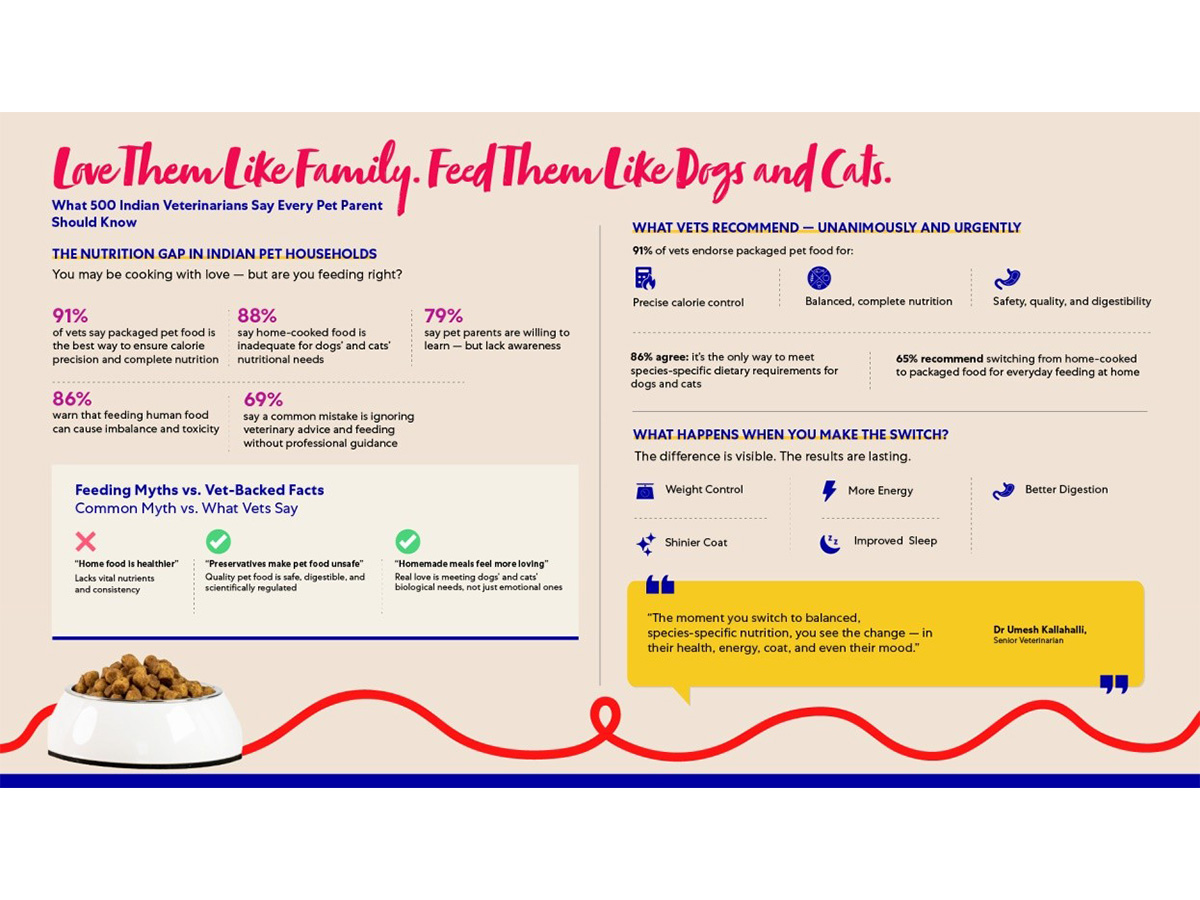
Have you ever wondered if your furry friends, cats and dogs, have the same nutritional needs? You’re not alone.
As a pet owner, ensuring your pets are healthy and happy is a top priority. Yet, with so much information floating around, it can be confusing to know what’s best for them. Understanding the differences in their dietary needs is crucial, not just for their physical health, but also for their overall well-being.
We’ll dive into the essential facts you need to know about feeding your pets. By the end, you’ll be equipped with the knowledge to make informed decisions, ensuring your beloved companions thrive. Curious to find out more? Keep reading to discover how you can give your pets the best nutrition possible.
Basic Nutritional Needs Of Cats
Cats are unique creatures with distinct nutritional needs. Their diet is not like a dog's. Understanding what cats require is crucial for their health. They need specific nutrients to thrive. Their bodies demand certain elements for energy, growth, and maintenance. Let's delve into what makes a cat's diet special.
Essential Nutrients For Cats
Cats need a balanced mix of nutrients. Proteins, fats, and carbohydrates are vital. But they also require vitamins and minerals. Water is another key component. Cats often get moisture from food. Dry food alone might not suffice. Omega-3 and omega-6 fatty acids support skin health. Calcium aids in bone strength. Vitamin A is crucial for vision. Each nutrient plays a role in overall wellness.
Role Of Protein In Feline Diet
Protein is fundamental for cats. It supports muscle growth and repair. Cats are obligate carnivores. This means they need meat-based protein. Their bodies can't synthesize all amino acids. Animal protein provides essential amino acids. It also helps in energy production. A diet rich in protein keeps cats active and healthy. Lack of protein can lead to health issues. Choose high-quality sources for their meals.
Importance Of Taurine
Taurine is a critical amino acid for cats. It's necessary for heart function and vision. Cats can't produce taurine on their own. They must obtain it from their diet. Taurine deficiency can cause serious health problems. Blindness and heart failure are risks. Foods like meat and fish are rich in taurine. Ensure your cat’s diet includes these. Regular monitoring of taurine levels is essential.

Credit: www.facebook.com
Basic Nutritional Needs Of Dogs
Cats and dogs require different nutrients for optimal health. Dogs need proteins, fats, and carbohydrates. Cats need more protein and taurine. Understanding these differences ensures pets receive the right diet.
Understanding the basic nutritional needs of dogs is crucial for their overall health and vitality. Dogs, much like humans, require a balanced diet to thrive. However, their specific dietary needs vary significantly from those of cats. While both are popular pets, dogs have unique nutritional requirements that cater to their active lifestyle and diverse breeds. But what exactly do dogs need to stay healthy?
Key Nutrients For Canines
Dogs need a variety of nutrients to maintain their energy levels and support their bodily functions. Essential nutrients include proteins, fats, carbohydrates, vitamins, and minerals. Each plays a vital role in ensuring that your dog remains energetic and healthy. - Proteins help in muscle development and tissue repair. - Fats provide a concentrated source of energy and aid in nutrient absorption. - Carbohydrates supply energy and support digestive health. Have you noticed how some dogs have shiny coats? That's often a sign of a well-balanced diet, rich in necessary fats and proteins.
Protein Requirements For Dogs
Protein is a cornerstone of a dog's diet. It supports growth, maintains muscle mass, and repairs tissues. The amount of protein required can depend on the dog's age, breed, and activity level. Puppies, for instance, need more protein than adult dogs due to their rapid growth. Consider offering a mix of high-quality protein sources like chicken, beef, and fish. It's fascinating how dogs can show increased energy and alertness when they receive adequate protein.
Vital Vitamins And Minerals
Dogs also need vitamins and minerals to boost their immune system and promote bone health. Key vitamins include A, D, E, and K, each playing unique roles in maintaining your dog’s health. Minerals like calcium and phosphorus are essential for strong bones and teeth. Do you often wonder if your dog is getting all the nutrients they need? Opt for dog food that lists these vitamins and minerals on the label. This ensures your furry friend is not missing out on critical nutrients. By understanding and meeting these nutritional needs, you can help your dog live a healthy, happy life.
Comparing Digestive Systems
Understanding the digestive systems of cats and dogs is crucial for tailoring their diets effectively. Although both are beloved pets, their bodies process food differently, impacting their nutritional needs. This comparison explores the distinctive digestive characteristics of felines and canines, providing insights to enhance their health.
Feline Digestive Characteristics
Cats are obligate carnivores, meaning their digestive systems are designed primarily to process meat. Their short intestines reflect this, allowing them to efficiently absorb nutrients from animal proteins.
Unlike dogs, cats lack certain enzymes required to break down carbohydrates, making them less adaptable to varied diets. Have you ever noticed how your cat turns its nose up at grains? That's because they naturally prefer high-protein meals.
Additionally, taurine, an amino acid found in meat, is essential for cats. Without it, they can develop serious health issues. As a cat owner, ensuring a diet rich in taurine is vital for your feline's well-being.
Canine Digestive Traits
Dogs, on the other hand, are omnivores. Their digestive systems are more flexible, allowing them to process both plant and animal-based foods. This adaptability stems from their evolutionary past, where they scavenged for various food sources.
Dogs have longer intestines compared to cats, facilitating the breakdown of carbohydrates and fibers. This means you can introduce diverse ingredients into their meals without upsetting their stomachs.
However, despite their varied diet, dogs still benefit from high protein intake. Have you ever considered adding lean meats or fish to your dog's meals? This can boost their energy levels and support muscle development.
Differences In Dietary Habits
Cats are obligate carnivores, requiring high protein and taurine-rich diets. Dogs are omnivores, needing balanced nutrition with carbohydrates, proteins, and fats. Their dietary needs vary greatly, reflecting distinct evolutionary paths.
Understanding the differences in dietary habits between cats and dogs is crucial for pet owners. While both animals share your home and heart, their nutritional needs are distinct. This distinction stems from their evolutionary paths and the roles they played in the wild.
Carnivorous Nature Of Cats
Cats are obligate carnivores, meaning their diet depends heavily on meat. This dietary habit is embedded in their biology. Their bodies are designed to process protein and fat more efficiently than carbohydrates. Imagine your cat as a mini lion. They require nutrients like taurine and arachidonic acid, which are naturally found in animal tissues. Without these nutrients, cats can suffer from serious health issues. You might notice your cat's disinterest in fruits or veggies. This isn't stubbornness; it's nature. Their taste buds are less sensitive to sweetness, a contrast to dogs who might enjoy a sweet treat now and then.
Omnivorous Tendencies In Dogs
Dogs, on the other hand, are omnivores. They can thrive on a more varied diet, including both animal and plant-based foods. This flexibility comes from their history of scavenging alongside humans. Think about how your dog often sniffs around for scraps or leftovers. They can digest grains and vegetables more effectively than cats, gaining essential nutrients from these sources. Incorporating a balanced mix of proteins, fats, and carbohydrates is vital for a dog's health. This diversity not only meets their nutritional needs but also keeps meals interesting. Have you ever wondered why your dog seems interested in your dinner? It's because their diet can include similar components, unlike cats who need a more specific nutrient profile. Understanding these dietary differences helps you make informed decisions about what to feed your pets. By catering to their unique needs, you ensure a healthier, happier life for both your feline and canine companions.
Impact Of Age And Health On Diet
Understanding the impact of age and health on your pet's diet is crucial for ensuring their well-being. Dogs and cats have different nutritional needs at various stages of their lives. Age and health conditions can significantly influence the type and amount of food they require. This section explores how these factors affect the diets of puppies, kittens, adult pets, and senior animals.
Nutritional Needs In Puppies And Kittens
Puppies and kittens are in a critical growth phase, and their diets must support their rapid development. They need high-quality proteins for muscle building and development. The energy requirements for these young pets are significantly higher than for adults.
Do you remember the excitement of getting a new puppy or kitten? Part of that joy is ensuring they have the right nutrients to grow healthy. Consider including foods rich in DHA, an essential omega-3 fatty acid, which is vital for brain development.
- Include a variety of proteins like chicken, fish, and eggs.
- Ensure a balanced intake of vitamins and minerals.
- Choose foods with higher calorie content to fuel their growth.
Adult Vs Senior Pet Nutrition
As pets transition from adulthood to their senior years, their nutritional needs change significantly. Adult dogs and cats require a balanced diet to maintain their health. However, seniors may need adjustments due to slower metabolism and potential health issues.
Think about your pet's lifestyle. Is your dog less active now than a few years ago? Adjust their diet to prevent weight gain and keep them healthy. Senior pets might benefit from reduced-calorie diets and foods that support joint health.
- Consider foods with glucosamine for joint support.
- Offer easily digestible proteins.
- Monitor and adjust calorie intake as needed.
Does your pet struggle with specific health issues? Tailor their diet to address these concerns, ensuring they receive the nutrients necessary for optimal health.
Credit: www.zealandiapets.com
Common Myths And Misconceptions
When it comes to feeding your furry companions, there are plenty of myths and misconceptions that can lead to confusion. Many pet owners assume that what’s good for their cat is equally beneficial for their dog, and vice versa. Understanding the unique nutritional needs of each species is crucial for their health and happiness.
Myth Of Universal Pet Food
One common myth is that cats and dogs can share the same food. While it might seem convenient, it's not ideal for their health. Cats are obligate carnivores, meaning they require a diet rich in animal protein and specific nutrients like taurine.
Dogs, on the other hand, are omnivores and can thrive on a more varied diet including grains and vegetables. Feeding a dog cat food or a cat dog food can lead to nutritional deficiencies or excesses. Always choose species-specific food to ensure balanced nutrition.
Misunderstandings About Protein Sources
Another misconception revolves around protein sources. Some believe that all protein is created equal, but this is not the case. Cats need animal-based proteins due to their amino acid requirements.
Dogs, while also benefiting from animal protein, can also utilize plant-based proteins effectively. Understanding the difference helps you choose the right food. Have you ever considered what type of protein your pet is getting?
Ensuring your pets receive the right nutrients tailored to their needs is a key part of responsible pet ownership. Next time you shop for pet food, remember these insights and choose wisely. Your pets will thank you for it!
Practical Feeding Tips
Feeding pets can be a delightful routine for many owners. Cats and dogs have different nutritional needs. It's essential to know practical feeding tips. These tips ensure your pet receives the right nutrition. Both species need a tailored diet for optimal health.
Choosing The Right Food
Pet food aisles offer various options. Choose food specifically designed for cats or dogs. Cats need taurine, an essential amino acid, found in cat food. Dogs need more carbohydrates compared to cats. Read the ingredient list carefully. Look for high-quality protein sources. Avoid foods with fillers and artificial preservatives.
Monitoring Portion Sizes
Portion control is crucial for pet health. Overfeeding can lead to obesity. Underfeeding can cause malnutrition. Check the feeding guidelines on the package. Adjust portions based on your pet's activity level. Cats are often grazers, so leave small amounts out. Dogs may need more structured meal times. Consult your vet for personalized advice.
Consulting Veterinarians
Cats and dogs have different nutritional needs. Cats require more protein and specific nutrients like taurine. Dogs need balanced diets with proteins, carbohydrates, and fats. Consulting veterinarians helps in understanding these differences for optimal pet health.
Consulting a veterinarian is crucial when considering the dietary needs of your furry friends. While cats and dogs may seem similar in many ways, their nutritional requirements can differ significantly. A professional can guide you in making informed decisions about your pet's diet, ensuring they receive the nutrients they need to thrive.
Importance Of Professional Guidance
Veterinarians are trained to understand the unique dietary needs of different animals. Their expertise can help you navigate the complex world of pet nutrition. They can identify specific needs and potential dietary deficiencies that you might overlook. Imagine if your dog had an allergy you weren't aware of, or your cat needed more taurine in their diet. A vet can spot these issues quickly. They can also recommend the best types of food and supplements to address these concerns.
Tailoring Diets To Individual Needs
Every pet is unique, and what works for one might not work for another. Your vet can help customize a diet plan tailored specifically to your pet's age, breed, and health condition. This personalized approach can enhance their quality of life and longevity. Consider a situation where you have both a senior dog and a young kitten. Their dietary needs will be vastly different. A vet can guide you on how to meet these varying needs effectively without overwhelming you. Why risk your pet's health when expert advice is just a consultation away? Taking the time to consult with a vet ensures your beloved pets are as healthy and happy as possible.

Credit: www.instagram.com
Frequently Asked Questions
Do Dogs And Cats Have The Same Nutritional Requirements?
Dogs and cats have different nutritional needs. Dogs require a varied diet with carbohydrates, proteins, and fats. Cats need high protein and fat content, lacking carbohydrate needs. Always choose species-specific food to ensure proper health and growth for your pet.
Consult a veterinarian for personalized dietary advice.
Will My Dog Be Ok If He Eats Cat Food?
Dogs can eat cat food occasionally without harm. It’s not ideal for their diet due to higher protein and fat levels. Regular consumption may cause digestive issues or nutritional imbalances. Consult your vet if your dog eats cat food frequently.
Do Cats Need More Nutrients Than Dogs?
Yes, cats require more specific nutrients than dogs. Cats are obligate carnivores needing essential amino acids like taurine. Their diet must include higher protein content and specific vitamins. This ensures their health and prevents deficiencies. Dogs have more flexible dietary requirements as omnivores.
Will My Cat Be Ok If It Ate Dog Food?
Cats can eat dog food occasionally without harm. Dog food lacks essential nutrients for cats. Ensure your cat's diet mainly consists of cat food. Consult a vet if your cat shows unusual symptoms after consuming dog food. Always prioritize a balanced diet tailored for your cat's health.
Conclusion
Cats and dogs need different nutrients. Cats are obligate carnivores. They need meat to thrive. Dogs are omnivores. They can eat a variety of foods. Protein is essential for both. But cats need more of it. Dogs benefit from vegetables and grains.
It’s crucial to feed them correctly. Consult a vet for dietary advice. Keep your pets healthy and happy. Proper nutrition prevents diseases. It boosts energy and lifespan. Each pet is unique. Their diet should reflect that. Always check ingredient labels.
Choose quality pet food. Your pet’s health depends on it.
