
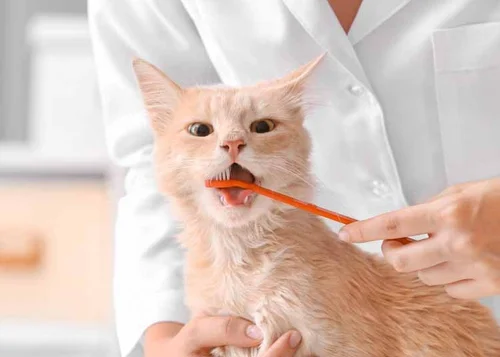
Have you ever wondered if your cat’s teeth need brushing? You might be surprised to learn that oral hygiene is not just a human concern.
Just like you, your furry friend can suffer from dental issues that impact their health and happiness. Imagine the discomfort of aching teeth or inflamed gums—it's not something you'd want for yourself, and certainly not for your beloved pet. But how do you know if your cat's teeth need attention, and what steps can you take to ensure their pearly whites stay healthy?
Stick around, because we're about to dive into everything you need to know about brushing cat teeth and why it might be more important than you think. Your cat’s smile depends on it!
Importance Of Cat Dental Health
Caring for your cat's teeth is vital. Dental health impacts their overall well-being. A clean mouth prevents pain and discomfort. It also reduces the risk of serious health issues. Dental problems can lead to infections. These infections may spread to other organs. Regular dental care can enhance your cat's quality of life.
Many pet owners overlook cat dental health. Yet, it is as important as nutrition and exercise. Cats cannot clean their teeth alone. They rely on their owners for dental care. Ignoring this can lead to plaque buildup. Plaque can turn into tartar. Tartar causes gum disease and other issues.
Understanding The Risks Of Poor Dental Health
Poor dental health in cats can be dangerous. It can cause bad breath, gum disease, and tooth loss. Gum disease is painful and can lead to infections. Cats with dental issues might stop eating. This can result in weight loss and malnutrition. In severe cases, bacteria can enter the bloodstream. This can damage the heart, liver, and kidneys.
Signs Your Cat Might Have Dental Issues
Watch for signs of dental problems. Bad breath is a common indicator. Drooling and pawing at the mouth are also warning signs. You might notice red or bleeding gums. Loose or missing teeth are another sign. If your cat is reluctant to eat, check their mouth. Early detection can prevent severe issues.
Benefits Of Regular Dental Care
Regular dental care is beneficial. It prevents plaque and tartar buildup. This reduces the risk of gum disease. A healthy mouth means a happy cat. Dental care can extend your pet's lifespan. It keeps their breath fresh and their teeth strong. Regular check-ups with a vet are crucial.
Simple Steps To Maintain Cat Dental Health
Start by brushing your cat's teeth. Use a cat-specific toothbrush and toothpaste. Introduce this gradually to avoid stress. Provide dental treats and toys. These help clean teeth and gums. Schedule regular vet visits for dental check-ups. Ensure your cat's diet supports dental health. Avoid sugary or sticky foods.
Signs Of Dental Problems In Cats
Understanding the signs of dental problems in cats is crucial for maintaining their overall health and well-being. Cats are notorious for masking pain, making it challenging for pet owners to spot issues early. By familiarizing yourself with the symptoms of dental distress, you can ensure your feline friend remains happy and healthy.
Swollen Or Bleeding Gums
Swollen or bleeding gums are a common indicator of gum disease, which can lead to more severe dental issues if left untreated. You might notice your cat's gums appearing red or inflamed. Regularly check your cat's mouth and consider professional cleaning if you spot these signs.
Bad Breath
If your cat's breath smells worse than usual, it could be a sign of periodontal disease. Bad breath isn't just unpleasant; it can indicate bacterial buildup in your cat's mouth. Ask yourself: when was the last time your cat had a dental check-up?
Difficulty Eating
Watch for changes in your cat’s eating habits. Is your cat suddenly avoiding dry food or showing disinterest in meals? Difficulty chewing or dropping food can be a telltale sign of dental discomfort. Addressing this early can prevent weight loss and nutritional deficiencies.
Excessive Drooling
Excessive drooling can point to oral pain or infection. If you notice your cat drooling more than usual, it may be time to investigate further. Keep an eye out for other symptoms that accompany drooling, such as pawing at the mouth.
Pawing At The Mouth
Cats often paw at their mouths when experiencing dental pain. This behavior can signify a toothache or foreign object lodged between the teeth. Regularly observe your cat's behavior to catch these subtle cues early.
Visible Tartar Buildup
Visible tartar or plaque buildup on your cat's teeth is not just unsightly; it's a breeding ground for bacteria. Check your cat's teeth regularly for yellow or brown deposits. Consider integrating dental treats or toys to help reduce tartar accumulation.
Remember, your cat's dental health is a vital component of their overall wellness. Being proactive in recognizing these signs can make a significant difference in your cat's quality of life. What steps can you take today to ensure your cat’s dental health is in check?
Benefits Of Brushing Cat Teeth
Brushing cat teeth boosts their oral health, preventing gum disease and bad breath. It helps avoid costly vet visits by maintaining a healthy mouth. Regular brushing can extend your cat's life by reducing dental issues.
Brushing your cat's teeth offers numerous benefits. It helps keep their mouth healthy and prevents dental issues. Regular brushing can reduce plaque buildup and tartar. This leads to fresher breath and a happier kitty. Understanding these benefits can motivate you to maintain your cat's oral hygiene. Let's explore these advantages further.
Improved Oral Health
Brushing removes food particles and plaque from your cat's teeth. It prevents bacteria buildup which causes gum disease. Keeping their mouth clean reduces the risk of infections. Healthy gums support strong teeth and overall well-being.
Prevention Of Dental Diseases
Regular brushing prevents common dental problems. Cats can suffer from periodontal disease if left untreated. Brushing reduces the chances of developing cavities. It keeps their teeth strong and healthy.
Fresher Breath
Bad breath in cats is often due to plaque and bacteria. Brushing helps eliminate these causes. Your cat will have fresher breath with regular brushing. A pleasant-smelling kitty is more enjoyable to cuddle with.
Cost Savings
Dental treatments for cats can be expensive. Preventing problems with brushing saves money in the long run. Regular care means fewer visits to the vet for dental issues. It's a cost-effective way to ensure your cat's oral health.
Enhanced Quality Of Life
Healthy teeth contribute to a happier cat. Dental pain can affect their mood and behavior. Brushing prevents discomfort and keeps your cat playful. A healthy mouth leads to a better quality of life for your feline friend.
Tools For Brushing Cat Teeth
Brushing your cat’s teeth might sound like a daunting task, but with the right tools, it can become a manageable part of your pet care routine. Dental hygiene is crucial for preventing issues like gum disease and bad breath in cats. Equipping yourself with the appropriate toothbrush and toothpaste can make the process smoother and more effective for both you and your feline friend.
Toothbrush Options
Choosing the right toothbrush is essential for your cat’s comfort and safety. Cat toothbrushes come in various styles, such as finger brushes and small, soft-bristled brushes. Finger brushes are great for beginners as they allow you to feel the teeth and gums more precisely. However, some cats might prefer a traditional toothbrush with a longer handle, which can help you reach those tricky back teeth. Try different options to see what works best for your cat's preference.
Toothpaste Choices
Never use human toothpaste for cats, as it contains ingredients harmful to them. Instead, opt for specially formulated cat toothpaste that is safe and often comes in flavors cats love, like chicken or fish. This flavoring can make brushing a more pleasant experience for your cat, turning a dreaded chore into something they can tolerate or even look forward to. It’s important to read the labels and ensure the toothpaste is vet-approved to maintain your cat's dental health.
Remember, consistency is key. Make brushing a regular habit, and your cat's dental health will improve significantly. What kind of tools have you tried, and how did your cat respond? Share your experiences in the comments below!
How To Brush Your Cat's Teeth
Regular brushing of a cat's teeth helps prevent dental issues. Use a cat-friendly toothbrush and toothpaste. Keep sessions short and gentle for a stress-free experience.
Brushing your cat's teeth might sound like a daunting task, but it's an essential part of maintaining their overall health. Dental issues in cats can lead to serious health problems if left unchecked. By taking a few minutes each week to brush your cat's teeth, you can prevent plaque buildup and keep their gums healthy. But how exactly do you go about brushing a cat's teeth? Let's break it down.
Preparing Your Cat
Begin by getting your cat used to having their mouth touched. Gently lift their lips and run your finger along their gums without using a toothbrush. This helps them become accustomed to the sensation. Choose a time when your cat is calm and relaxed. Trying to brush their teeth when they're agitated can be counterproductive. A comfortable environment can make a significant difference. Invest in a cat-specific toothbrush and toothpaste. Never use human toothpaste, as it can be harmful to cats. Cat toothpaste often comes in flavors they enjoy, like chicken or fish.
Step-by-step Brushing Guide
- Start Slow:Begin by letting your cat taste a small amount of the toothpaste. This can help them associate the flavor with a positive experience.
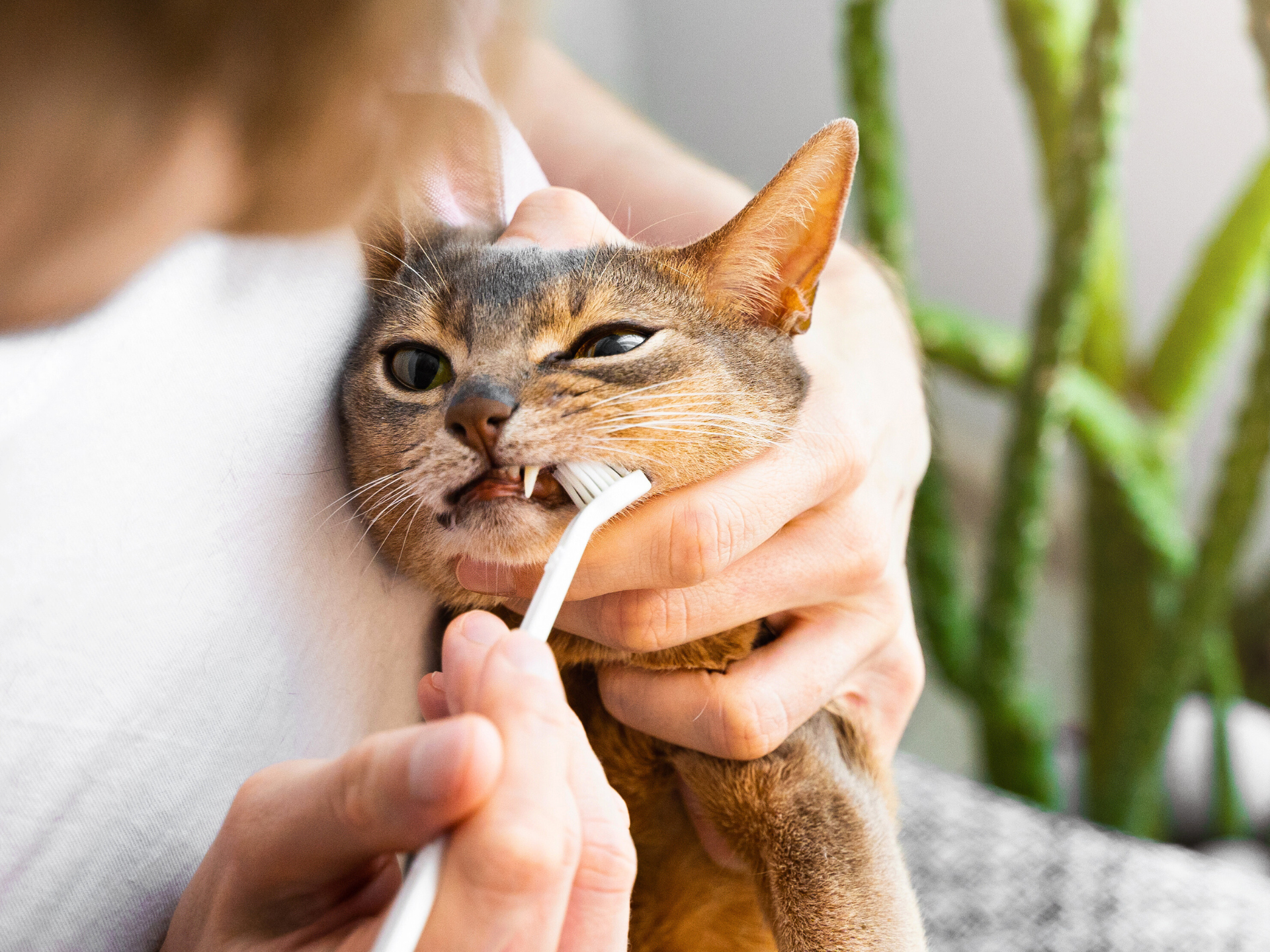
- Positioning:Hold your cat securely in your lap. Use a gentle yet firm hold to keep them still. If your cat resists, try wrapping them in a towel to keep them calm and prevent scratches.
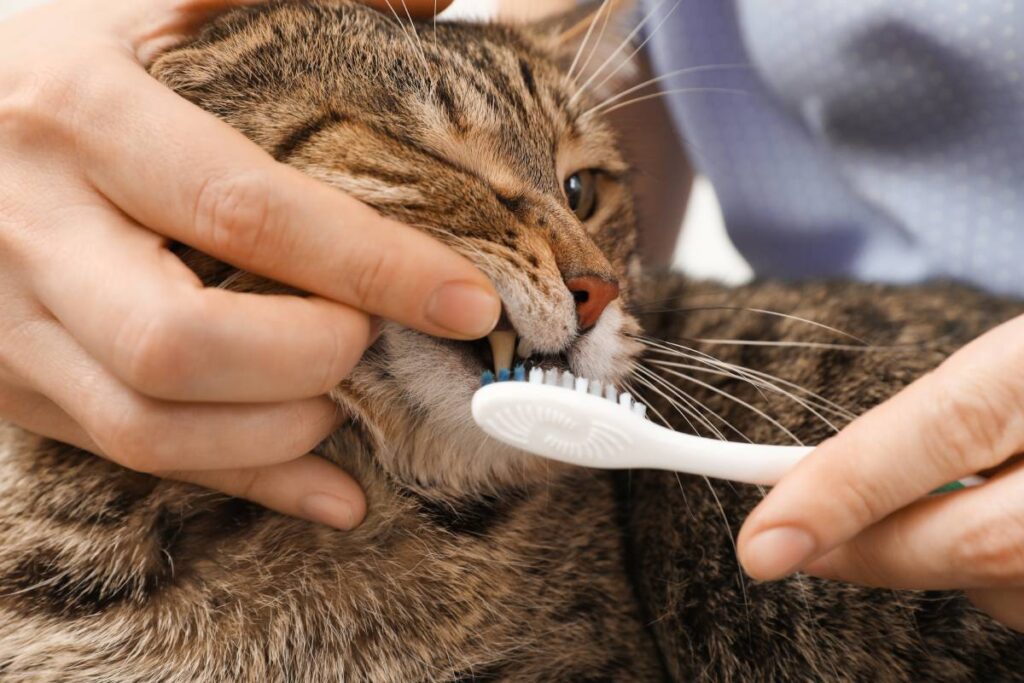
- Brushing Technique:Gently lift the lip to expose the teeth and gums. Use the toothbrush to make small, circular motions. Focus on the outer surfaces, where plaque is most likely to accumulate.
- Short Sessions:Keep brushing sessions brief, especially at first. Aim for a few seconds and gradually increase the time as your cat becomes more comfortable.
- Positive Reinforcement:After brushing, reward your cat with a treat or some playtime. Positive reinforcement can help create a positive association with the brushing process.
Have you ever tried brushing your cat's teeth? It might take a few attempts to get the hang of it, and that's okay. Consistency is key. Over time, you may find your cat actually looks forward to this bonding time!
Credit: paradepets.com
Alternative Dental Care Methods
Curious about cat dental care? Brushing a cat's teeth can prevent plaque buildup and gum issues. Regular brushing helps maintain fresh breath and overall health.
Caring for your cat’s dental health is crucial, but brushing their teeth might not always be feasible. Whether it's due to your cat's resistance or your busy schedule, you might be looking for alternative methods to keep those pearly whites in top shape. Thankfully, there are other effective ways to ensure your cat maintains good dental hygiene without the stress of brushing.
Dental Treats
Dental treats are a delicious way to improve your cat's oral health. These treats are specially designed to help reduce plaque and tartar buildup. Some even contain enzymes that fight against bacteria and freshen your cat's breath. Offering these treats can turn dental care into a fun activity for your cat. Look for options that are vet-approved and suitable for your cat’s dietary needs. Always monitor the number of treats given, as overindulging can lead to weight gain.
Professional Cleanings
Sometimes, a professional touch is necessary to maintain your cat's dental health. Regular check-ups with your vet can catch issues before they become serious. Professional cleanings might be needed if your cat already has a significant buildup of plaque or tartar. During these cleanings, veterinarians can perform thorough checks and clean areas that are hard to reach. While this might be more expensive, it ensures a deep clean that home methods can’t achieve. Have you considered scheduling regular vet visits as part of your cat's dental care routine? By incorporating these alternative methods, you can ensure your cat's teeth remain healthy without the hassle of daily brushing. Which method will you try first?
Common Challenges And Solutions
Brushing your cat's teeth is crucial for their health. Yet, many pet owners face challenges during the process. Understanding these common obstacles and their solutions can make dental care easier.
Dealing With Resistance
Cats often resist having their teeth brushed. It's unfamiliar and uncomfortable. To ease resistance, start slowly. Use your finger to gently rub their gums. This helps them get used to the sensation. Gradually introduce a cat-friendly toothbrush and toothpaste. Choose a time when your cat is relaxed. A calm environment makes them more cooperative. Reward them with treats after each session. This builds positive associations.
Handling Anxiety
Anxiety can make brushing difficult. Cats sense their owner's stress and react accordingly. Stay calm and speak softly. Your tone can soothe them. Create a routine. Consistency reduces anxiety. Try brushing at the same time each day. Use a gentle approach and take breaks if needed. Some cats benefit from calming aids. These might include sprays or diffusers. Consult your vet for suitable options.
Credit: weareallaboutcats.com
Frequency Of Dental Care
Understanding the frequency of dental care for cats is essential. Regular brushing helps maintain your cat's dental health. It prevents plaque buildup and reduces the risk of dental diseases. Establishing a routine can significantly benefit your cat's overall well-being.
How Often Should You Brush Your Cat's Teeth?
Brushing your cat's teeth daily is ideal. If daily brushing seems challenging, aim for at least three times a week. Consistency is key to preventing dental issues. Regular brushing keeps your cat's teeth and gums healthy.
Signs Your Cat Needs More Frequent Dental Care
Watch for signs like bad breath or drooling. Swollen gums and difficulty eating are also indicators. These signs suggest your cat may need more frequent brushing. Consult a vet if these symptoms persist.
Creating A Dental Care Routine For Cats
Start slowly to help your cat get used to brushing. Use cat-specific toothbrushes and toothpaste. Gradually increase the frequency of brushing. Patience and persistence help in establishing a routine.
Benefits Of Regular Dental Care For Cats
Regular dental care prevents serious health issues. It reduces the risk of oral infections. Healthy teeth contribute to your cat's overall health. Regular brushing can extend your cat's life.
Consulting A Veterinarian
Consulting a veterinarian ensures your cat's dental health. Regular brushing can prevent oral diseases and maintain fresh breath. Expert advice helps in choosing the right tools and techniques for effective brushing.
Consulting a veterinarian about your cat's dental health is crucial. Cats can suffer from dental issues like humans. Tartar buildup, gum disease, and tooth decay are common. A vet can assess your cat's oral health accurately. Regular check-ups help catch problems early. A professional cleaning might be necessary. Vets have tools and expertise to clean teeth safely. They also offer advice on maintaining oral hygiene. This includes brushing techniques and diet changes. Vets can recommend dental treats and toys too.
Understanding Your Cat’s Dental Needs
Cats have specific dental needs. They differ from humans and dogs. Vets know these differences well. They can guide you on what’s best for your cat. Each cat is unique. Age, breed, and health affect dental needs. A vet considers all these factors. This personalized approach ensures effective care.
Scheduling Regular Dental Check-ups
Regular vet visits are essential. They help monitor your cat’s dental health. Annual check-ups are recommended. Some cats may need more frequent visits. A vet can advise on the frequency. These visits prevent serious dental issues. Early detection is key to treatment success.
Professional Dental Cleaning Options
Sometimes brushing isn’t enough. Professional cleaning may be required. Vets offer this service safely. Anesthesia is often used to keep cats calm. It allows thorough cleaning and examination. This procedure removes stubborn tartar. It improves overall oral health. Vets ensure your cat’s safety during cleaning.
Expert Advice On Oral Hygiene Products
Vets can recommend effective products. They know which toothpaste and brushes are safe. Not all human products are suitable for cats. Some can be harmful. Vets can suggest dental treats that clean teeth. These products make maintaining oral hygiene easier.
Tailored Diet And Care Recommendations
Diet affects dental health significantly. Vets can advise on dietary changes. Specific foods can reduce tartar buildup. They promote healthier gums and teeth. Vets may suggest chew toys that aid in cleaning. Tailored care ensures your cat stays healthy.
Credit: m.facebook.com
Frequently Asked Questions
Is It Okay To Not Brush Your Cat's Teeth?
Regular brushing prevents dental issues in cats. Neglecting it can lead to plaque buildup and oral health problems. Prioritize your cat’s dental care to ensure their well-being. Use pet-safe toothpaste and consult your vet for guidance. A healthy mouth contributes to your cat’s overall happiness and longevity.
Do Vets Recommend Brushing Cats' Teeth?
Yes, vets recommend brushing cats' teeth to maintain oral health. Regular brushing prevents tartar buildup and reduces the risk of dental disease. Use a cat-friendly toothbrush and toothpaste for best results. Start slowly and gently to get your cat accustomed to the routine.
Is It Necessary To Clean A Cat's Teeth?
Cleaning a cat's teeth is important for preventing dental diseases. Regular brushing helps maintain oral health. Use cat-specific toothbrushes and toothpaste. Dental issues can lead to pain and other health problems. Regular vet check-ups are essential for monitoring your cat's dental health.
Prioritize your cat's dental care for their overall well-being.
How Often Must I Brush My Cat's Teeth?
Brush your cat's teeth daily to maintain dental health. Regular brushing prevents plaque buildup and reduces gum disease risk. Use a cat-friendly toothbrush and toothpaste for effective cleaning. Consistent dental care keeps your cat's teeth and gums healthy. If daily is challenging, aim for at least several times a week.
Conclusion
Brushing your cat's teeth is important for their health. It helps prevent gum disease and tooth decay. Regular brushing can be a simple routine. A healthy mouth leads to a happy cat. Consider using cat-friendly toothpaste for better results. Start slowly, and make it a fun activity.
Your cat may resist at first, but patience pays off. Gradually, they will get used to it. A clean mouth means fewer vet visits. Investing time in brushing saves money and stress. Keep your furry friend smiling with healthy teeth.
