
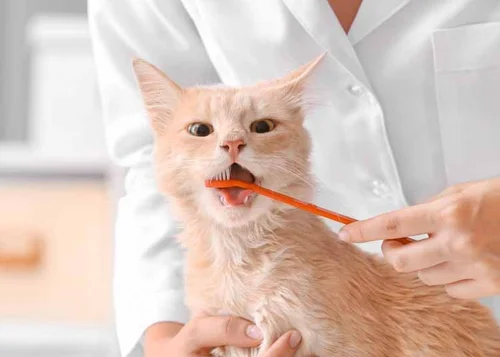
Does your cat have a dazzling smile? You might think that brushing a cat's teeth sounds like an impossible task, but it's crucial for their health.
Just like humans, cats can suffer from dental issues, leading to discomfort and serious health problems. Imagine your furry friend living pain-free with fresh breath and a healthy mouth. You have the power to make this happen! You'll discover how you can effectively brush your cat's teeth without the stress and drama.
It’s time to ensure your beloved pet lives their happiest, healthiest life. Dive in to learn the secrets to a simple and successful tooth-brushing routine for your feline friend. Your cat will thank you!

Credit: cvhospital.ir
Importance Of Cat Dental Care
Brushing a cat's teeth is vital for their health. Use a cat-friendly toothbrush and toothpaste. Gently lift their lip, brush in small circles, and focus on the gum line. Regular dental care prevents tartar buildup and keeps your cat's mouth healthy.
Dental care for cats is often overlooked, yet it's crucial for their overall health and well-being. Just like humans, cats can suffer from dental issues that can lead to more severe health problems if left untreated. Regular dental care can help prevent these issues and ensure your feline friend remains healthy and happy.
Understanding The Risks Of Neglecting Cat Dental Care
Without proper dental care, cats can develop periodontal disease, which is an infection of the tissues surrounding the teeth. This condition can lead to pain, tooth loss, and even affect your cat's internal organs if bacteria enter the bloodstream. Have you ever noticed bad breath in your cat? It could be a sign of a dental problem that needs attention.
Benefits Of Regular Cat Teeth Brushing
Brushing your cat's teeth regularly helps remove plaque and prevent tartar buildup. This simple habit can save your cat from discomfort and potential health issues in the future. Not only does this improve oral hygiene, but it also strengthens the bond between you and your cat as they come to trust and enjoy this routine.
Choosing The Right Tools For Cat Dental Care
Selecting the right toothbrush and toothpaste is essential for effective brushing. Use a toothbrush designed specifically for cats, which is smaller and more gentle on their gums. Always opt for cat-friendly toothpaste, as human toothpaste can be harmful to your pet. A flavored toothpaste might even make the experience more pleasant for your cat.
Signs Your Cat Needs Immediate Dental Attention
Keep an eye out for symptoms like excessive drooling, bleeding gums, or difficulty eating. These signs indicate that your cat may need a professional dental check-up. Addressing these issues promptly can prevent further complications and ensure your cat's comfort.
Making Cat Dental Care A Routine
Integrating dental care into your cat's routine doesn't have to be daunting. Start by gently introducing the toothbrush and toothpaste to your cat, allowing them to sniff and explore. Gradually work up to brushing a few teeth at a time, rewarding your cat with treats or affection to make the process enjoyable. Maintaining your cat's dental health is as important as feeding them the right diet or keeping their litter box clean. How do you plan to incorporate this essential care into your cat's life?
Choosing The Right Tools
Brushing your cat's teeth can seem daunting. Choosing the right tools makes it easier and more effective. Using tools designed for cats ensures comfort and efficiency. The right toothbrush and toothpaste are crucial for maintaining feline dental health.
Cat-specific Toothbrushes
Cat-specific toothbrushes are gentle and small. They fit comfortably in your cat’s mouth. Most have soft bristles to avoid hurting gums. Finger brushes are a great option. They slip onto your finger for better control. Some brushes have angled heads for easier access to tricky spots.
Pet-friendly Toothpaste Options
Use toothpaste made for pets. Human toothpaste is harmful to cats. Pet-friendly toothpaste is safe and often flavored. Flavors like chicken or fish make brushing enjoyable. Check labels for veterinary approval. Choose paste without harmful chemicals.
Preparing Your Cat
Brushing your cat's teeth involves gentle introduction to toothpaste and a toothbrush. Gradually get your cat comfortable with the routine. Use a soft-bristled brush designed for pets.
Preparing your cat for teeth brushing is essential. With the right approach, the process becomes easier. Start by understanding your cat's temperament. This helps create a positive experience for both of you. Proper preparation reduces stress and ensures effective brushing.
Familiarizing With The Tools
Introduce your cat to the toothbrush and toothpaste. Let them sniff and explore these items. Choose a toothbrush designed for cats. It should be small and soft-bristled. Cat toothpaste comes in flavors like chicken or fish. Avoid human toothpaste as it can harm cats. Spend time letting your cat get comfortable with the tools.
Creating A Calm Environment
Create a peaceful setting for brushing. Choose a quiet place without distractions. Ensure your cat feels relaxed and safe. Speak softly to reassure them. Gentle petting can help them stay calm. A calm environment encourages cooperation. Patience is key. Each session should be a positive experience for your cat.

Credit: www.purina.com
Step-by-step Brushing Guide
Brushing your cat’s teeth might seem like a daunting task, but with the right approach, it can become a part of your routine. This step-by-step brushing guide will walk you through the essentials of keeping your feline friend's teeth clean and healthy. Follow these steps, and you might find that your cat actually enjoys this new ritual.
Positioning Your Cat
The first step is to ensure your cat is comfortable. Sit in a relaxed environment where your cat feels safe, such as their favorite spot or your lap. Gently hold your cat, ensuring they are calm and not stressed.
Try wrapping your cat in a towel, leaving only their head exposed. This technique can help keep them still and prevent any sudden movements. Offer a few gentle strokes to reassure them.
Effective Brushing Techniques
Start by letting your cat taste the toothpaste. Use a cat-specific toothpaste with a flavor they like, such as chicken or fish. This will help them associate brushing with a positive experience.
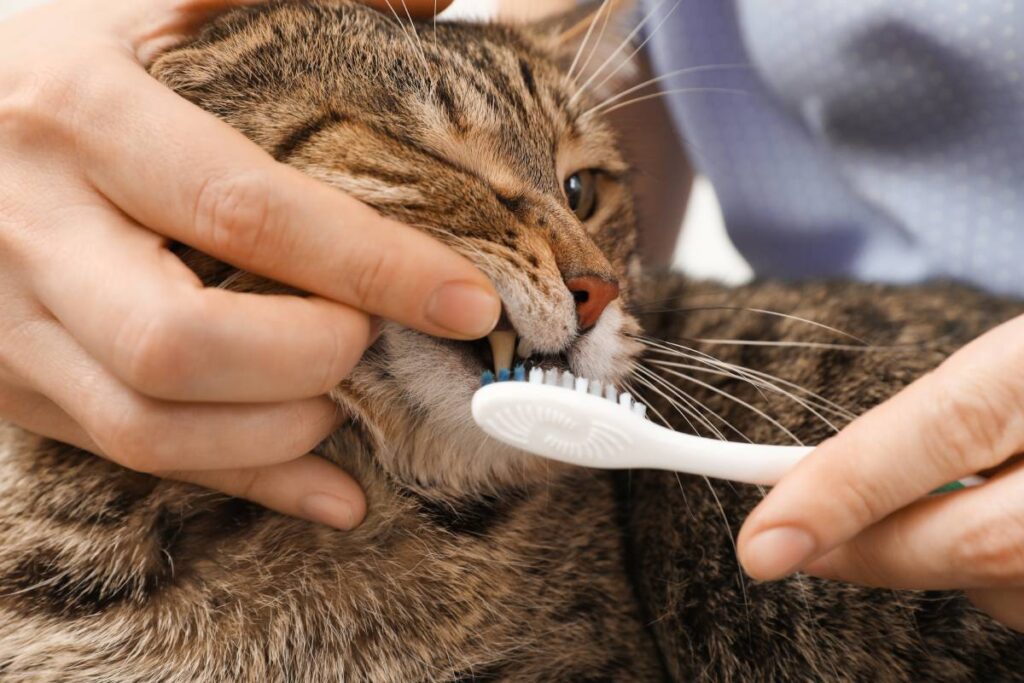
Use a soft-bristled toothbrush or a finger brush. Begin by brushing the front teeth in gentle circles, gradually working towards the back. Focus on the gum line where plaque tends to build up.
Keep the sessions short. Initially, aim for a few seconds and gradually increase the duration as your cat becomes more comfortable. Reward your cat with a treat or affection after each session to reinforce good behavior.
Have you ever noticed how your cat might mirror your habits? Just like how they might curl up next to you when you're reading, they might start looking forward to brushing time if they see it as a bonding moment. Consistency is key.
Common Challenges And Solutions
Brushing your cat's teeth can seem like a daunting task. Many cat owners face challenges such as resistance and anxiety, which can make the process difficult. However, with some practical solutions, you can tackle these issues effectively and ensure your feline friend maintains good oral health.
Dealing With Resistance
Resistance is a common issue when it comes to brushing your cat's teeth. Cats are independent creatures and may not appreciate their mouths being handled. To overcome this, start by introducing the toothbrush gradually. Allow your cat to sniff and explore the brush before you attempt to use it. You might find that a finger brush is less intimidating than a full-sized toothbrush.
- Start slow by gently rubbing your cat's gums with your finger before introducing the brush.
- Use flavored toothpaste that appeals to your cat's taste buds, making the experience more pleasant.
- Reward your cat with treats or praise after each session to reinforce positive behavior.
Consider breaking the brushing into short sessions to avoid overwhelming your pet. This approach helps build trust and reduces resistance over time.
Handling Anxiety
Anxiety can be a barrier to effective tooth brushing. Cats can become anxious when they feel trapped or uncomfortable. Creating a calming environment can help alleviate stress. Play soothing music or give your cat a safe space where they feel at ease.
- Try brushing your cat's teeth at a consistent time to create routine and predictability.
- Use gentle movements and speak softly during brushing to maintain a calm atmosphere.
- Consider using calming sprays or treats designed to reduce anxiety.
Remember, patience is key. If your cat shows signs of distress, take a break and try again later. Consistency and calmness will gradually reduce anxiety and make teeth brushing a more manageable task.
What strategies have you found effective in managing your cat's resistance or anxiety during brushing? Sharing experiences can offer new insights and help fellow cat owners. Your efforts will pay off in the form of a healthier, happier cat with a bright smile!
Signs Of Oral Health Issues
Caring for your cat's oral health is essential, yet often overlooked. Dental issues in cats can lead to serious health problems if not detected early. Knowing the signs of oral health issues can make all the difference in ensuring your furry friend stays healthy and happy.
Recognizing Symptoms
How can you tell if your cat is suffering from dental issues? Pay attention to their behavior and physical signs.
- Bad Breath:While a cat’s breath isn’t meant to be minty fresh, an unusually strong odor can be a red flag.
- Pawing at the Mouth:If your cat is frequently pawing at their mouth, it could indicate discomfort or pain.
- Red or Bleeding Gums:Check your cat’s gums. Healthy gums are typically a light pink, not red or swollen.
- Drooling Excessively:If your cat is drooling more than usual, it might be due to oral pain.
- Difficulty Eating:Notice if your cat is dropping food or seems hesitant to eat hard foods.
Recognizing these symptoms early can prevent potential complications. But when should you take the next step?
When To Consult A Veterinarian
Not every sign of oral discomfort requires an immediate vet visit, but it's always better to be safe. Have you noticed persistent symptoms despite your efforts to address them?
Consider scheduling a vet appointment if:
- The symptoms don't improve or worsen over time.
- Your cat exhibits signs of distress or changes in behavior.
- You observe any swelling or growths in their mouth.
Regular veterinary check-ups can also help catch issues before they become severe. A professional cleaning might be necessary, especially if tartar buildup is visible.
How proactive are you about your cat’s dental care? Your vigilance can make a significant difference in their quality of life.
Maintaining Regular Dental Care
Brushing your cat's teeth can help maintain their oral health. Use a cat-specific toothbrush and toothpaste. Gently lift the cat's lips and brush in small circles. Regular brushing prevents plaque and keeps their breath fresh.
Maintaining regular dental care for your cat is essential. It helps prevent dental diseases. Regular brushing can keep your cat's teeth healthy. Consistency is key. It creates a stress-free experience for both you and your cat.
Establishing A Routine
Start with short, gentle sessions. Introduce brushing when your cat feels calm. Choose a quiet time and place. Use a cat-specific toothbrush. A soft-bristled brush is ideal. Begin by letting your cat sniff it. Let them get used to the smell. Reward with treats after each session. Gradually increase brushing time. Aim for a few seconds at first. Build up to a minute. Daily brushing is best. If not, try at least twice a week. Consistency makes it easier. Your cat will expect it. Over time, they will cooperate more.
Additional Dental Products
Use cat-friendly toothpaste. Human toothpaste is harmful to cats. Cat toothpaste comes in flavors cats enjoy. Choose flavors like chicken or fish. Dental chews can help. They reduce plaque and tartar. Look for ones approved by vets. Dental rinses are another option. Add them to your cat's water. They work throughout the day. Always consult your vet first. They can recommend safe products. Routine dental care keeps your cat healthy. It prevents serious dental issues. Investing time in brushing pays off. Your cat will have a happy, healthy smile.
Credit: weareallaboutcats.com
Frequently Asked Questions
Am I Supposed To Brush My Cat's Teeth?
Yes, brushing your cat's teeth is important for preventing dental issues. Use a cat-specific toothbrush and toothpaste regularly. Regular brushing helps maintain oral health and prevents plaque buildup. Consult your vet for guidance on proper techniques and frequency. A healthy mouth supports your cat's overall well-being.
How Do I Brush My Cat's Teeth At Home?
Use a pet-safe toothbrush and toothpaste. Gently lift your cat's lips and brush in small circles. Start slowly to let your cat adjust. Reward them with a treat afterward to create a positive experience. Regular brushing helps maintain your cat’s dental health.
Can I Use Toothpaste On My Cat?
No, do not use human toothpaste on cats. It contains fluoride and xylitol, harmful to their health. Use cat-specific toothpaste.
What Is The Best Way To Clean Your Cat's Teeth?
Brush your cat's teeth regularly using a cat-friendly toothbrush and toothpaste. This prevents plaque buildup and maintains oral health. Dental treats and toys can also help clean teeth and reduce tartar. Consult a vet for professional cleanings if needed.
Conclusion
Brushing your cat's teeth is easier with patience and practice. Start slowly, using a soft brush and pet-friendly toothpaste. Make it a calming routine. Your cat's dental health depends on regular care. Remember, healthy teeth lead to a happy cat.
Try to brush them a few times a week. Begin today for healthier feline gums and teeth. A little effort now prevents big problems later. Your cat deserves a clean, pain-free mouth. Make dental care a priority. Keep your furry friend smiling.
Happy brushing!
