
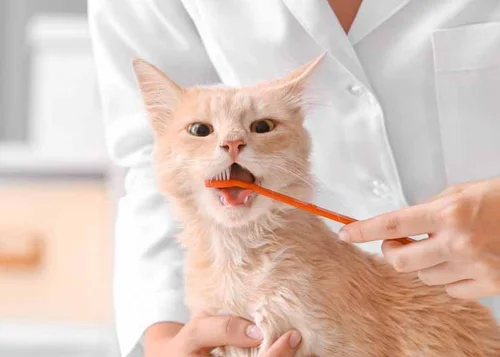
If you're a cat owner, you know how important it is to keep your feline friend healthy and happy. While you might already be taking care of their diet and grooming, there's one aspect that often gets overlooked: dental hygiene.
Imagine the peace of mind knowing your cat is free from dental issues and discomfort. You have the power to make that a reality. Don't worry; brushing your cat's teeth isn't as daunting as it sounds. With a few simple steps, you can ensure your cat's teeth stay clean, strong, and free from plaque.
Stick around to discover how you can easily incorporate this essential routine into your cat care regimen, and ultimately enhance your cat's wellbeing. Your cat deserves a healthy smile, and you're about to learn how to give them just that!

Credit: www.yahoo.com
Importance Of Dental Care For Cats
Brushing your cat's teeth is vital for their health. Regular dental care prevents plaque buildup and gum disease. Use a cat-friendly toothbrush and toothpaste to gently clean their teeth, ensuring a happy and healthy feline friend.
The health of your cat's teeth might not be the first thing on your mind, but it plays a crucial role in their overall well-being. Just like humans, cats need regular dental care to prevent diseases and maintain a healthy lifestyle. Ignoring this aspect can lead to severe health issues, affecting not only their mouth but their entire body.
Why Is Cat Dental Care Essential?
Dental care for cats is vital because it helps prevent periodontal disease, which affects the gums and structures supporting the teeth. If left untreated, it can lead to painful infections and tooth loss. This is not just a problem for older cats; young cats can also develop dental issues if their teeth are not properly cared for.
Recognizing Signs Of Dental Problems
Understanding the signs of dental problems can save your cat from discomfort and pain. Common signs include bad breath, difficulty eating, and drooling. If you notice any of these symptoms, it's important to consult your vet as soon as possible.
Preventing Dental Diseases In Cats
Regular brushing is a simple yet effective way to prevent dental diseases. You might find it challenging at first, but patience is key. Start by letting your cat get used to the taste of cat toothpaste, then gradually introduce the toothbrush.
Personal Experience With Cat Dental Care
I remember when I first started brushing my cat's teeth. It was a struggle, to say the least. But with consistent effort and plenty of treats as rewards, it became a part of our routine. Now, my cat enjoys the attention, and I have peace of mind knowing she's healthier for it.
Questions To Consider
Have you noticed your cat avoiding dry food or showing signs of discomfort while eating? Are you willing to invest a few minutes a week to ensure their long-term health? These are questions worth pondering as you decide on the best dental care routine for your furry friend. By prioritizing your cat's dental health, you contribute significantly to their quality of life. Regular dental care doesn't just protect their teeth; it ensures they stay happy and playful for years to come.
Credit: weareallaboutcats.com
Choosing The Right Toothbrush And Toothpaste
Keeping a cat's teeth clean is crucial for their health. Choosing the right toothbrush and toothpaste can make this task easier. The right tools ensure effective cleaning without harming your feline friend. Here’s how to select the best options for your cat's dental care.
Types Of Cat Toothbrushes
Cat toothbrushes come in various forms. Each type suits different needs and preferences.
- Finger Brushes:These fit on your finger. They allow close control during brushing. Ideal for cats new to dental care.
- Dual-Ended Brushes:Feature two different brush sizes. They help reach all areas of the mouth easily.
- Electric Brushes:Provide thorough cleaning. Often recommended for cats with dental issues.
Safe Toothpaste Options For Cats
Human toothpaste is not safe for cats. Choose toothpaste formulated specifically for felines. These are designed to be safe if swallowed.
- Enzymatic Toothpaste:Contains enzymes that break down plaque. Effective and commonly recommended.
- Flavored Toothpaste:Available in chicken or fish flavors. Makes brushing more pleasant for cats.
- Natural Toothpaste:Made with gentle ingredients. Suitable for cats with sensitive mouths.
Preparing Your Cat For Teeth Brushing
Introduce your cat to teeth brushing gradually. Use a cat-friendly toothbrush and toothpaste. Gently lift their lips and brush in small circles. Reward them with treats to create a positive experience.
Preparing your cat for teeth brushing is essential for their dental health. Cats can be wary of new experiences, especially involving their mouths. To ensure a smooth process, take time to get them comfortable with the idea. This preparation involves creating a calm environment and slowly introducing the brushing routine.
Getting Your Cat Comfortable
Introduce your cat to the toothbrush gradually. Begin by letting them sniff and investigate the brush. Choose a brush designed for cats, with soft bristles. You can also use a finger brush, which might be less intimidating. Let your cat get used to the smell and texture. Reward them with treats for positive interactions with the brush. Familiarize your cat with the taste of pet toothpaste. Cats might be picky about flavors. Try different options to find one they like. Apply a small amount on your finger and let them taste it. This helps them associate toothpaste with something pleasant. Avoid using human toothpaste as it's not safe for cats.
Creating A Calm Environment
Choose a quiet space for brushing. Avoid areas with loud noises or distractions. A calm environment helps your cat stay relaxed. Brush your cat’s teeth at a time when they're naturally calm. After a nap or during a quiet evening is ideal. Use soothing techniques to keep your cat calm. Gentle petting can reassure them. Speak softly to maintain a peaceful atmosphere. If your cat seems anxious, pause and let them relax. Patience is key for a successful brushing routine. Ensure your cat feels secure and safe throughout the process.
Step-by-step Brushing Technique
Brushing your cat’s teeth might seem daunting, but with a step-by-step approach, it can become a simple routine. You don’t need to be a vet to ensure your feline friend has a healthy smile. With patience and the right technique, you can make this task manageable and even enjoyable for both of you.
Gentle Handling Tips
Start by creating a calm environment. Choose a quiet room away from distractions. Speak softly and reassure your cat with gentle strokes.
Hold your cat securely but gently. Use one hand to stabilize their head and the other to manage the toothbrush.
If your cat resists, don't force it. Take breaks and try again later. Consistency will build trust over time.
Effective Brushing Method
Use a cat-specific toothbrush and toothpaste. Human toothpaste can be harmful to cats.
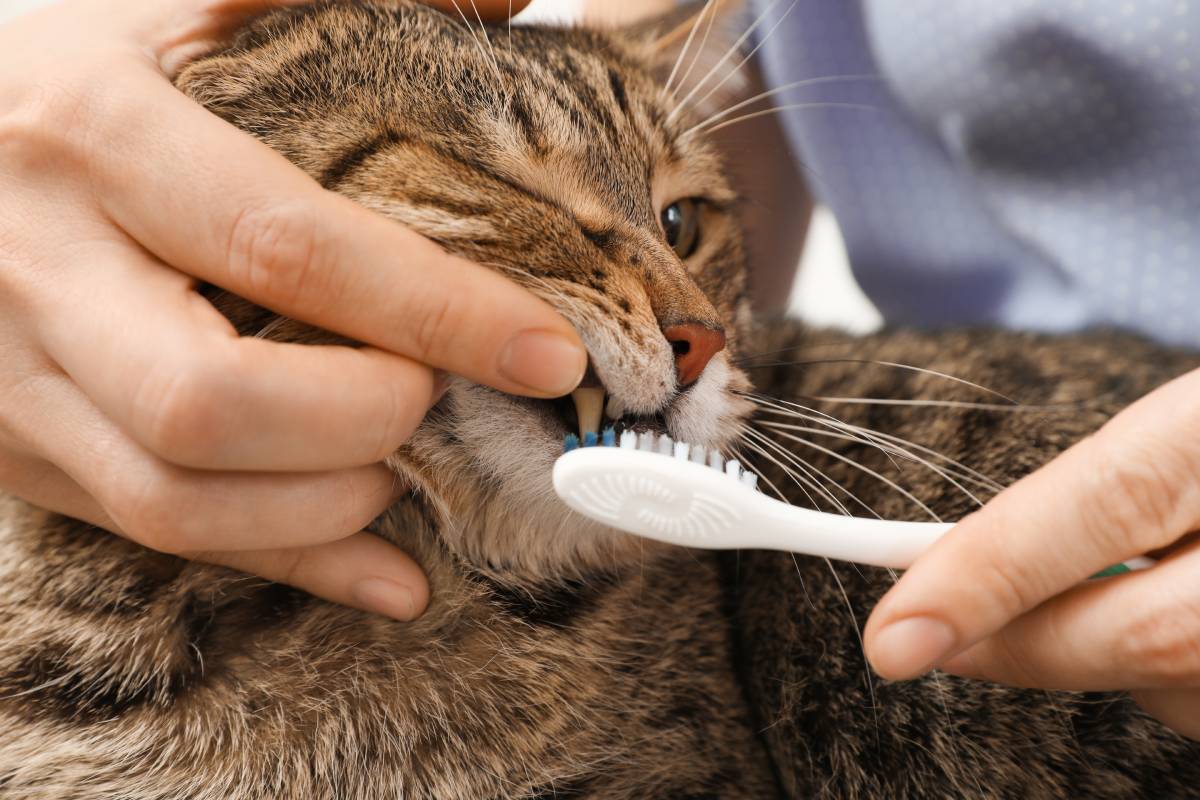
Lift their lip gently and start brushing the outer surfaces of the teeth. Focus on the gum line where plaque tends to accumulate.
Brush in small circles, making sure to reach the back teeth. Short sessions are more effective than long ones.
Reward your cat with praise or a small treat after brushing. Positive reinforcement encourages them to cooperate next time.
Have you ever considered the impact of dental health on your cat's overall well-being? A simple brushing routine can prevent costly vet visits and improve their quality of life. Taking the time to learn and apply these techniques can make all the difference in your cat's dental hygiene.
Frequency Of Brushing
Brushing your cat's teeth two to three times a week helps prevent dental issues. Use a cat-specific toothbrush and toothpaste for the best results. Gentle brushing maintains oral health and keeps your feline friend happy.
Brushing your cat's teeth might sound like a daunting task, but understanding the right frequency can make it manageable and effective. Regular brushing is key to maintaining your cat's dental health and can prevent serious issues down the line. But how often should you really be brushing those tiny teeth?
Recommended Brushing Schedule
Veterinarians typically recommend brushing your cat's teeth daily. This might seem ambitious, especially if you're just starting. However, even brushing a few times a week can significantly improve their oral health. Think of it like your own dental hygiene routine; consistency is crucial for preventing plaque buildup and maintaining fresh breath. Start slow if your cat isn't used to it. Gradually increase the frequency over time. Your patience will pay off as your cat becomes more comfortable with the process.
Signs Of Dental Issues
Even with a regular brushing schedule, it's essential to be aware of the signs of dental problems. Is your cat suddenly avoiding dry food or drooling more than usual? These could be indicators of discomfort or pain. Bad breath is another common sign. While some might find it endearing, it's often a red flag for dental disease. Watch out for red or bleeding gums too, as these are telltale signs of gingivitis. Regular veterinary check-ups will help catch issues early. But your vigilance in spotting changes can make a significant difference in your cat's dental health. Are you prepared to spot these signs and take action? Your cat's healthy smile depends on it!
Overcoming Challenges
Brushing a cat’s teeth can be tricky. Cats are not always cooperative. Understanding challenges helps ensure success. Here are some ways to overcome these obstacles.
Handling Resistant Cats
Many cats dislike being handled. Start slowly to build trust. Use gentle strokes and calm voice. Reward good behavior with treats. Make brushing a positive experience. Patience is key in this process.
Alternative Cleaning Methods
Not all cats accept brushing. Dental wipes can be useful. They are easier to use. Special dental gels can help too. These products reduce plaque without brushing. Consult your vet for recommendations.
Consulting A Veterinarian
Brushing a cat's teeth is vital for their health. Sometimes, expert advice is necessary. Consulting a veterinarian ensures you're on the right track. They provide guidance tailored to your cat's needs. This professional support can prevent dental issues.
Professional Dental Check-ups
Regular check-ups are crucial. A vet examines your cat's teeth thoroughly. They identify any issues early. This helps in preventing painful conditions. Vets can also offer professional cleaning services. These cleanings remove tartar and plaque effectively.
Seeking Advice For Persistent Issues
Some dental problems may persist. In such cases, consult your vet. They can diagnose underlying causes. Persistent bad breath or bleeding gums need attention. A vet may suggest specific treatments. They may recommend changes in diet or routine.

Credit: cvhospital.ir
Frequently Asked Questions
Are You Supposed To Brush Your Cat's Teeth?
Brushing your cat's teeth is important for their dental health. It prevents plaque buildup and reduces gum disease risk. Use a cat-specific toothbrush and toothpaste for best results. Start slow and make brushing a routine to protect your cat's oral hygiene.
Regular dental care can prolong their life.
What To Do If A Cat Won't Let You Brush Your Teeth?
Start by gently introducing the toothbrush. Offer treats to create positive associations. Use a finger brush or dental wipes. Gradually increase brushing time. Consider using flavored toothpaste specifically for cats. If unsuccessful, consult a vet for advice or professional cleaning options.
What Is The Best Way To Clean Your Cat's Teeth?
Brush your cat's teeth with a pet-safe toothbrush and toothpaste regularly. Use dental treats and toys to reduce plaque. Visit your vet for professional cleanings and dental advice. Maintain a consistent dental hygiene routine for optimal results.
Can I Use Toothpaste On My Cat?
Avoid using human toothpaste on cats. It contains fluoride harmful to pets. Choose pet-safe toothpaste designed for cats. Regular brushing with proper products ensures dental health and prevents issues. Always consult your vet for guidance on oral care for your feline friend.
Keep your cat's health a top priority.
Conclusion
Brushing your cat's teeth boosts their health. Start slow and stay calm. Build a routine your cat enjoys. Use the right tools for comfort. Reward your cat for good behavior. This makes brushing a positive experience. Regular dental care prevents issues and saves on vet visits.
Healthy teeth mean a happy cat. It’s worth the effort for your furry friend. Keep their smile bright and gums strong. Consistency is key. With patience, your cat will adapt. A little time today leads to a healthier tomorrow. Your cat deserves the best care.
