
Do you ever wonder if your dog and cat can share the same bowl of food? It's a common thought, especially if you're juggling the needs of both furry friends.
But when it comes to nutrition, dogs and cats are like apples and oranges. Each has unique dietary requirements that are crucial to their health and happiness. Understanding these differences isn't just about being a responsible pet owner; it's about ensuring your pets thrive.
If you want to make the best choices for your beloved companions, keep reading. You'll discover surprising facts that could change the way you think about feeding your pets.

Credit: www.zumalka.com
Basic Nutritional Needs
Dogs and cats have distinct nutritional needs due to their different digestive systems. Dogs thrive on a balanced diet with carbohydrates, proteins, and fats, while cats require high protein and taurine-rich meals. Understanding these differences helps ensure proper health and well-being for each pet.
Understanding the basic nutritional needs of dogs and cats is crucial. These animals have distinct dietary requirements. Dogs and cats are both carnivores, but their needs differ. Dogs and cats need protein for muscle growth and repair. Cats need more protein than dogs. They are obligate carnivores, meaning they rely heavily on meat. Dogs can digest some plant-based proteins. Their diets can include grains and vegetables.
Fat Content
Fat provides energy and helps absorb vitamins. Cats require higher fat levels. They need fatty acids found in animal fats. Dogs can manage with lower fat content. Their diet can include plant-based fats.
Carbohydrates
Carbs are not essential for cats. They get energy mainly from proteins and fats. Dogs can benefit from carbohydrates. They provide quick energy and fiber.
Vitamins And Minerals
Both animals need vitamins and minerals. Cats need taurine, a vital amino acid. It's crucial for heart and eye health. Dogs produce taurine naturally. They require different vitamins like B12 and E.
Water Intake
Hydration is key for both dogs and cats. Cats often drink less water. They rely on moisture from food. Dogs usually drink more water. They need a consistent supply to stay hydrated.

Credit: www.houndsy.com
Protein Requirements
Dogs and cats have distinct protein needs. Protein supports muscle growth, repair, and energy. Understanding their requirements helps ensure pets thrive. Both species need protein, but their needs differ.
Essential Amino Acids For Dogs
Dogs require specific amino acids. These are building blocks of protein. They need ten essential amino acids. These include arginine, histidine, and leucine. These amino acids support vital functions. Dogs cannot produce them naturally. So, they must get them through diet.
Meat-based foods are ideal for dogs. They offer high-quality protein sources. Eggs and dairy also provide essential amino acids. A balanced diet helps dogs maintain health.
Essential Amino Acids For Cats
Cats have unique protein needs. They require eleven essential amino acids. Taurine is crucial for cats. It supports heart and eye health. Cats cannot synthesize enough taurine. They must consume it directly.
Cats are obligate carnivores. They thrive on animal-based protein. Fish, chicken, and beef are excellent sources. These foods ensure cats receive needed amino acids.
Protein quality matters for both pets. Quality impacts digestion and absorption. Choose high-quality proteins for optimal health.
Carbohydrate Differences
When considering the dietary needs of your pets, understanding the carbohydrate differences between dogs and cats is crucial. While both species can consume carbohydrates, their bodies process them differently, impacting their overall health and energy levels. Let's dive into how digestibility plays a role in their nutrition.
Digestibility In Dogs
Dogs have a digestive system capable of processing carbohydrates efficiently. They possess enzymes that break down complex carbohydrates, converting them into energy. This ability allows dogs to thrive on diets with higher carbohydrate content.
Think about how your dog loves munching on a slice of bread or a piece of pasta. These carbohydrates provide them with quick energy, beneficial for active play or a long walk. But, could too much lead to weight gain?
Digestibility In Cats
Cats, on the other hand, are obligate carnivores, meaning their bodies are designed to digest proteins and fats predominantly. Their digestive systems lack the necessary enzymes to break down carbohydrates as effectively as dogs.
Have you ever noticed your cat ignoring a piece of bread or cereal? Cats derive their energy from animal-based proteins and fats, making carbohydrates less essential in their diet. Could focusing on protein-rich meals boost their vitality?
Understanding these differences can help you make informed choices about your pets' diets, ensuring they receive the right balance of nutrients. How do you plan to adjust their meals for better health?
Fat And Energy Needs
Understanding the fat and energy needs of your pets can be quite enlightening. Dogs and cats, despite both being carnivores, have vastly different nutritional requirements due to their evolutionary paths and lifestyles. Fat is a crucial source of energy for both, but the amount and type of fat they need varies. This difference is essential for their health and well-being.
Caloric Intake For Dogs
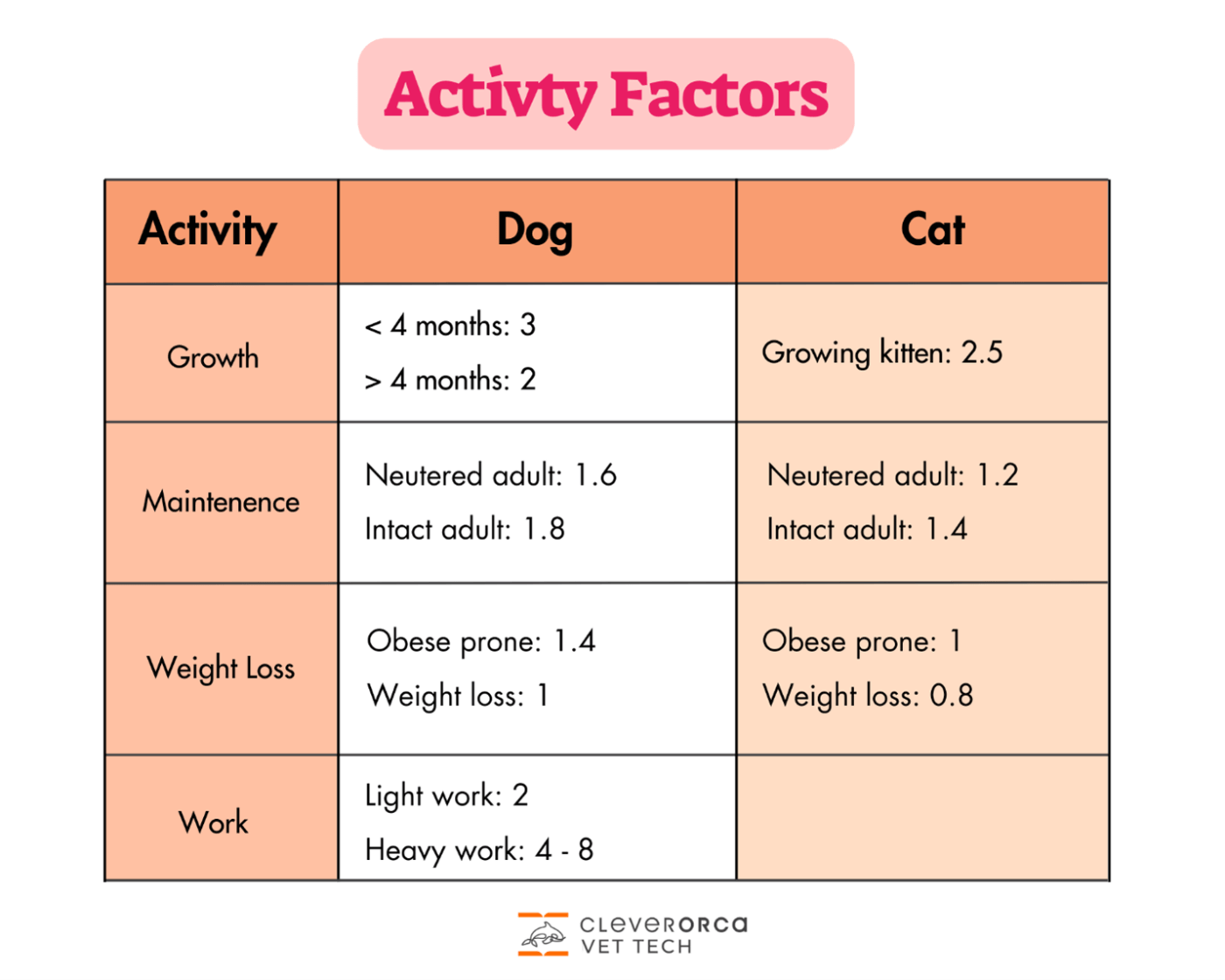
Dogs are active creatures, often requiring a significant amount of energy to sustain their daily activities. Whether they are chasing squirrels, playing fetch, or simply wagging their tails, their energy needs are substantial. A dog's caloric intake is largely dependent on its size, age, and activity level.
- Active breeds like Border Collies may need more calories than smaller, less active breeds.
- Puppies, with their boundless energy, often require more calories than adult dogs.
- Older dogs might need fewer calories as their activity levels decrease.
Have you ever noticed your dog becoming sluggish after a long walk? That's when increased fat content in their diet can help replenish their energy levels. Monitoring their caloric intake ensures they're not only full but also fueled for their adventures.
Caloric Intake For Cats
Cats are generally less active than dogs, spending much of their time lounging and observing the world from their cozy perches. This lifestyle means their caloric needs are different. While cats still need fat for energy, they require fewer calories than their canine counterparts.
- An indoor cat might need fewer calories than an outdoor cat that spends time hunting and exploring.
- Kitten energy demands are high, but adult cats usually stabilize in their needs.
- Senior cats may require fewer calories as their metabolism slows down.
Ever watched your cat lazily stretch after a nap? Their energy conservation is a part of their nature. Balancing their diet with the right amount of fat and calories helps maintain their health without leading to obesity.
How do you balance your pet's diet to cater to their unique energy needs? Their health largely depends on your choices. Remember, what works for dogs might not work for cats, and vice versa. Tailoring their diet ensures they thrive and enjoy a healthy life.
Vitamin And Mineral Variations
Dogs and cats have different nutritional needs due to their distinct biological makeup. Dogs require more carbohydrates, while cats need higher protein levels. Vitamin and mineral intake also varies, with dogs needing more calcium and cats requiring taurine for heart health.
Understanding the vitamin and mineral variations between dogs and cats is crucial for their health and well-being. While both are beloved pets, their nutritional needs differ significantly. As a pet owner, ensuring your furry friend gets the right nutrients can impact their energy levels, coat health, and overall longevity. Let's delve into these differences and discover how you can provide the best diet for your pet.
Key Vitamins For Dogs
Dogs require specific vitamins to support their bodily functions. Vitamin A is essential for maintaining healthy skin and vision. A deficiency can lead to poor coat condition and vision issues. Vitamin D helps in calcium absorption, crucial for strong bones and teeth. B vitamins, such as B12 and B6, play a role in energy production and maintaining a healthy nervous system. Are you ensuring your dog's diet includes these vital nutrients?
Key Vitamins For Cats
Cats have unique vitamin needs compared to dogs. They require Vitamin A from animal sources because they cannot convert beta-carotene from plant sources. This vitamin is vital for eye health and immune function. Taurine, an amino acid, is another critical requirement. Without it, cats can suffer from heart and vision problems. Your feline friend's diet should also include niacin, which supports metabolism and skin health. Is your cat getting these crucial vitamins?
Mineral Requirements
Minerals are the building blocks for a healthy pet. Dogs need calcium and phosphorus in balanced amounts for bone health. Magnesium supports muscle and nerve function. Cats, on the other hand, require higher amounts of calcium and phosphorus to prevent bone and tooth issues. They also need a good balance of potassium and sodium for fluid balance and nerve function. Consider your pet's specific needs and consult with a veterinarian to ensure their diet meets these mineral requirements. Are you ready to make the necessary dietary adjustments for your furry friend?
Hydration And Water Intake
Understanding the hydration and water intake of our furry companions is crucial for their overall well-being. While both dogs and cats need water to stay healthy, their hydration requirements are not the same. Let's dive into how their needs differ and what you can do to ensure your pet stays properly hydrated.
Hydration Needs For Dogs
Dogs are generally more active than cats and may require more water to stay hydrated. Their water intake can depend on factors like their size, activity level, and the climate they live in. A general rule of thumb is to provide your dog with about an ounce of water per pound of body weight daily.
Imagine a playful Labrador bounding through the park, tongue lolling out. After such activity, their thirst spikes, necessitating immediate hydration. Ensuring fresh water is always available can prevent dehydration and support their active lifestyle.
Have you ever noticed your dog lapping up water enthusiastically after a long walk? This behavior is their natural way of replenishing lost fluids. Consider placing water bowls in various locations around your home to encourage regular drinking.
Hydration Needs For Cats
Cats, on the other hand, are descendants of desert animals, which makes them more efficient at conserving water. They often get much of their moisture from their food, especially if they eat wet food. However, it's important to ensure they also have access to fresh water.
Think about the last time you saw your cat drinking water. Was it a rare occurrence? Cats can be picky about their water source, often preferring running water. Investing in a pet water fountain can entice them to drink more regularly.
Have you tried adding a splash of tuna juice to your cat’s water bowl to encourage them to drink? Small tricks like these can make a big difference in maintaining their hydration levels. Remember, a hydrated cat is a happy cat.
Are you providing enough hydration options for your pets? Observing their drinking habits and making necessary adjustments can greatly impact their health and happiness. Keep their water fresh, clean, and accessible to meet their unique needs.
Special Dietary Considerations
Dog nutritional needs differ greatly from cats. Dogs thrive on varied diets, while cats require high protein and specific nutrients. Understanding these differences ensures pets stay healthy and energetic.
Understanding the special dietary considerations for dogs and cats is crucial for their health and well-being. While both pets are beloved family members, their nutritional needs aren't interchangeable. Each species requires specific nutrients to thrive, and ignoring these can lead to health issues. Let's look at how age, life stage, and breed-specific needs play a role in tailoring their diets.
Age And Life Stage
As pets age, their dietary needs evolve. Puppies and kittens require diets rich in proteins and fats to support their rapid growth. Adult dogs and cats need balanced diets to maintain their health, while seniors might require fewer calories but more fiber to aid digestion. Consider that a senior dog may benefit from joint supplements, while an older cat might need more taurine to support heart health. Are you adjusting your pet's diet as they age? Ensuring their food matches their life stage can make a significant difference in their vitality and longevity.
Breed-specific Needs
Different breeds have distinct dietary requirements. Large dog breeds like Great Danes need food that supports bone and joint health, while small breeds might need calorie-dense diets to match their high energy levels. Cats, too, have breed-specific needs. A Maine Coon might require more food due to its larger size compared to a petite Siamese. Have you ever noticed how your pet's breed influences their appetite or energy levels? Understanding these nuances helps you provide the best nutrition for their unique needs. By focusing on these considerations, you ensure that your furry friend receives the nutrition they need to thrive. It's not just about feeding your pet; it's about nourishing their life.
Common Feeding Mistakes
Feeding your pets may seem straightforward, but common mistakes can impact their health. Dogs and cats have different nutritional needs, and misunderstanding these can lead to problems. Let's explore how overfeeding and inadequate nutrition can affect your furry friends.
Overfeeding Issues
It's easy to fall into the trap of overfeeding, especially if your dog gives you those puppy eyes. But this can lead to obesity, a serious health concern. Dogs require a balanced diet, not an overflowing bowl. Consider portion sizes carefully, and remember, treats count too!
Unlike dogs, cats are often picky eaters, but they can still be overfed if you indulge their whims too much. Pay attention to their weight and adjust their food intake accordingly. A healthy weight means a healthier cat.
Inadequate Nutrition Risks
Providing the wrong nutrients can have severe consequences. Dogs need a mix of proteins, fats, and carbohydrates, while cats require a diet high in protein and specific amino acids like taurine. A cat fed dog food might miss out on essential nutrients.
Have you ever noticed your cat looking lethargic or your dog having less energy? This could be due to nutritional deficiencies. It's vital to understand the specific dietary needs of each animal to ensure they thrive.
Have you checked the labels on your pet's food recently? Understanding what's inside can make all the difference. Aim for quality, balanced nutrition to keep your pets happy and healthy.
Choosing The Right Food
Dogs and cats have different nutritional needs. Dogs thrive on balanced proteins and carbs for energy. Cats need a diet high in protein and fat, with taurine for heart health. Understanding these differences ensures proper nutrition for each pet.
Choosing the Right Food Selecting the right food for your pet is crucial for their health and happiness. Dogs and cats have distinct dietary needs, which means what works for one may not be suitable for the other. Understanding these differences can make the task of choosing food less daunting and more effective.
Evaluating Commercial Pet Foods
When you walk down the pet food aisle, the sheer variety can be overwhelming. Look for labels that clearly state the ingredients and nutritional content. Dogs generally need a diet rich in protein, carbohydrates, and fats, while cats require more protein and specific nutrients like taurine. But how do you tell which brand is best? Check for certifications from reputable organizations like the Association of American Feed Control Officials (AAFCO). These certifications ensure the food meets minimum nutritional requirements. Also, consider your pet's age, weight, and activity level as these factors can influence their dietary needs.
Homemade Diets
Preparing homemade meals can be rewarding, but it requires careful planning. You need to ensure your pet gets all the essential nutrients. For dogs, this might include a mix of meats, vegetables, and grains. Cats, on the other hand, thrive on a high-protein, low-carb diet. They also need specific nutrients that might not be present in homemade diets unless properly planned. Consulting with a veterinarian or a pet nutritionist can provide guidance on creating balanced meals. Have you ever wondered if your pet's diet is truly meeting their needs? Consider experimenting with homemade options to see how your pet responds. Just remember, any changes should be gradual to avoid digestive issues. Your pet’s health and energy levels will be a good indicator of whether the new diet is working.

Credit: www.facebook.com
Frequently Asked Questions
How Is Dog Nutrition Different From Cat Nutrition?
Dogs are omnivores needing protein, carbohydrates, and fats. Cats are obligate carnivores requiring high protein and specific nutrients like taurine.
Do Cats Need More Nutrients Than Dogs?
Yes, cats need more nutrients than dogs. Cats are obligate carnivores requiring specific nutrients like taurine and arachidonic acid. They need higher protein intake and certain vitamins that dogs produce naturally. Always ensure their diet meets their nutritional needs for optimal health.
Will My Dog Be Ok If He Eats Cat Food?
Dogs can eat cat food occasionally without harm. Regular consumption may cause nutritional imbalances. Cat food is rich in proteins and fats, which can lead to digestive issues or obesity in dogs. Ensure your dog gets a balanced diet tailored for its needs.
Consult a vet for dietary concerns.
What Affects A Dog Or Cat's Daily Nutritional Needs?
A dog or cat's daily nutritional needs depend on age, size, breed, activity level, and health status. Puppies and kittens require more protein. Active pets need more calories. Senior pets may need fewer calories and more fiber. Health conditions can also influence dietary requirements.
Consult a vet for specific advice.
Conclusion
Understanding pet nutrition is vital for their health. Dogs and cats have unique dietary needs. Dogs thrive on balanced diets with proteins, fats, and carbohydrates. Cats require high protein and specific nutrients like taurine. Feeding pets correctly supports their energy, growth, and well-being.
Consult a vet for tailored advice. Proper nutrition ensures pets live happy, healthy lives. Always check food labels for essential nutrients. Keep learning about your pet's dietary needs. This knowledge benefits their long-term health. Your furry friend deserves the best care possible.
Prioritize their nutrition for a joyful companionship.
