

Have you ever wondered if feeding your adult cat kitten food could be beneficial? It might seem like an unusual choice, but there's a surprising reason behind it.
Kitten food is packed with higher nutrition levels that can offer numerous benefits for your furry friend. If you're curious about how this simple switch could enhance your cat's health and vitality, you're in the right place. Imagine your cat with more energy, a shinier coat, and improved overall wellness.
This article will uncover the secrets behind kitten food's nutritional punch and why it might be the perfect choice for your adult cat. Keep reading to discover how you can make a positive change for your beloved pet's diet and well-being.
Nutritional Differences
Feeding an adult cat kitten food can offer higher protein and fat content, supporting energy needs. Sometimes, cats with specific health issues benefit from the enhanced nutrition. Always consult a vet before making dietary changes.
Feeding an adult cat kitten food might sound unusual, but understanding the nutritional differences can shed light on this choice. Cats have unique dietary needs, and these can change with age and health conditions. Kitten food is specially formulated to support growth and development, yet some adult cats can benefit from its higher nutritional profile.
Protein Levels
Kitten food generally contains higher protein levels compared to adult cat food. This is because kittens require more protein to support their rapid growth and development. If you have an adult cat recovering from illness or surgery, this protein boost can be beneficial. Consider a time when your cat seemed lethargic and less playful. Switching to a high-protein diet, even temporarily, might bring back that youthful energy. It's like giving your cat an energy bar for a quick revival.
Fat Content
The fat content in kitten food is also higher, providing essential fatty acids for developing kittens. For an underweight or very active adult cat, this extra fat can help maintain a healthy weight and coat. Imagine your cat's coat looking dull and lifeless. A diet with higher fat content can restore its shine and softness, making cuddle time more enjoyable for both of you.
Vitamin And Mineral Boost
Kitten food is rich in vitamins and minerals necessary for growth. This includes important nutrients like calcium and phosphorus. For an adult cat with specific deficiencies, this boost can make a significant difference. Think about the last time your cat had a vet check-up and came back with a note about a mineral deficiency. Kitten food can be a temporary solution to address these gaps quickly. Would you consider adjusting your cat's diet for specific health benefits? Understanding these nutritional differences can help you make informed decisions. Always consult with your vet to ensure you're meeting your cat's unique needs.
When It's Beneficial
Feeding an adult cat kitten food might seem unusual, but there are specific scenarios where it can be beneficial. Kitten food is formulated with higher protein and fat content, which can be advantageous for certain adult cats. Let's explore when this nutritional boost could be beneficial for your feline friend.
Pregnant And Nursing Cats
Pregnant and nursing cats need extra energy to support their kittens. Kitten food's rich nutrient profile provides them with the necessary calories and protein. This ensures they maintain their health while nurturing their young.
Imagine your cat being the sole provider of nourishment to her litter. Wouldn't you want her to have the best nutrition possible? Kitten food helps her stay strong and healthy during this demanding time.
Underweight Or Malnourished Cats
Some adult cats struggle to gain weight. Kitten food can be an effective solution, offering the high-calorie content they need to catch up. It helps them recover more quickly, promoting overall health.
If your cat seems skinny despite regular feeding, consider switching to kitten food. This small change might be what she needs to thrive and regain her vitality.
Cats With Special Health Needs
Cats recovering from illness or surgery often need extra nutrition. Kitten food provides the essential nutrients they require for a swift recovery. It's especially helpful for cats with specific dietary needs due to health issues.
Have you ever had a sick pet that struggled to eat? Kitten food's palatability and nutrient density can be a lifesaver, ensuring they get the nutrition they need without the struggle.
Are there instances where you've had to adjust your cat's diet for health reasons? These are prime opportunities to consider the benefits of kitten food for your adult cat.
Potential Risks
Feeding adult cats kitten food may lead to obesity and digestive issues due to higher fat and protein content. Long-term consumption can strain kidneys and cause nutritional imbalances. It's crucial to choose food tailored to an adult cat's dietary needs for optimal health.
Feeding your adult cat kitten food might seem like a harmless choice, especially if you run out of your regular cat food. However, this decision carries potential risks that could affect your feline friend's health. Understanding these risks is crucial to ensure your cat remains healthy and happy.
Weight Gain Concerns
Kitten food is packed with calories to support the rapid growth and energy needs of young cats. An adult cat consuming these extra calories can quickly gain weight. Excess weight in cats can lead to health issues like diabetes and joint problems. If you've ever noticed your adult cat looking a bit rounder after nibbling on kitten food, it's because of those calorie-dense meals. Keep an eye on your cat's weight and consider portion control if you must use kitten food occasionally.
Digestive Issues
Adult cats have different digestive systems than kittens, often more sensitive to changes in their diet. Feeding them kitten food can lead to digestive problems such as diarrhea or vomiting. Have you ever cleaned up after a cat with an upset stomach? It’s not fun for you or your cat. To avoid these issues, stick to the food formulated for their age and digestive capabilities. If a sudden switch is necessary, transition slowly to give their stomach time to adjust.
Nutritional Imbalance
Kitten food is designed to deliver the nutrients kittens need, not adults. This can lead to a nutritional imbalance for your adult cat. Over time, this imbalance can impact your cat's immune system, coat health, and overall vitality. Imagine your cat lacking essential nutrients because they’re eating the wrong food. It’s like you eating only dessert and missing out on vegetables and proteins. Ensure your cat receives a balanced diet tailored for their age to maintain their health.

Credit: www.tippaws.com
Consulting A Veterinarian
Consult a veterinarian to understand the benefits of feeding an adult cat kitten food. This food offers higher nutrition, which can help with certain health issues or dietary needs. Always seek professional guidance to ensure your cat's diet is appropriate and balanced.
Feeding an adult cat kitten food can be tricky. Consulting a veterinarian is crucial. A vet understands your cat's specific needs. They provide expert advice on nutrition. Their guidance ensures your cat stays healthy.
Tailored Nutritional Plans
Vets create tailored nutritional plans. These plans focus on individual cat needs. Every cat is unique. So, a customized approach is best. This ensures your cat gets the right nutrients. It helps in maintaining overall health.
Monitoring Health Changes
Regular vet visits help monitor health changes. Vets track weight, coat condition, and energy levels. They notice even subtle changes. This helps in adjusting the diet as needed. Regular monitoring keeps your cat healthy.
Adjustments Based On Age And Condition
As cats age, their dietary needs change. Vets adjust diets based on age and condition. Older cats might need more protein. Some might need special diets for health issues. Vets ensure that your cat's diet supports its lifestyle.
Transitioning Diets
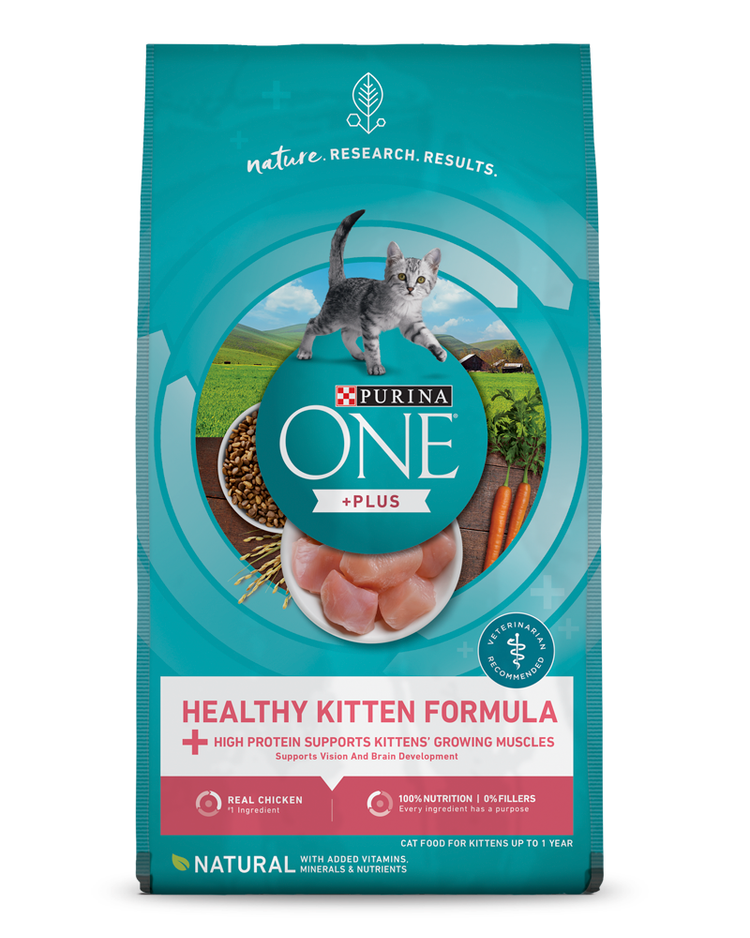
Feeding an adult cat kitten food can offer higher nutrition levels. Kitten food is rich in proteins and calories. Ideal for cats needing extra energy or recovering from illness.
Transitioning a cat's diet from kitten food to adult food requires care. The nutritional needs of cats change as they grow. While kitten food is rich in calories and nutrients, adult cats require a balanced diet to maintain health. Introducing new food gradually helps in adjusting their digestive system. This process ensures that cats receive the right nutrition without digestive issues.
Gradual Introduction
Start by mixing a small amount of adult food with kitten food. Increase the adult food portion slowly over a week. This method helps cats adjust to the new taste and texture. It reduces the risk of stomach upset. Observe if your cat accepts the new food. Patience is key during this transition.
Monitoring Reactions
Watch your cat's behavior and health closely. Look for signs of discomfort or allergies. Check for any changes in their stool. If there are adverse reactions, slow down the transition. Consult a vet if problems persist. Cats may need more time to adapt.
Adjusting Portions
Balance the portion size according to your cat’s weight and activity level. Adult cats need fewer calories than kittens. Overfeeding can lead to obesity. Measure food accurately to avoid overeating. Adjust portions if your cat gains or loses weight. Proper portion control ensures a healthy diet.
Credit: www.purina.com

Credit: weareallaboutcats.com
Frequently Asked Questions
What Happens If I Feed My Adult Cat Kitten Food?
Feeding kitten food to an adult cat can lead to weight gain. Kitten food is higher in calories and nutrients needed for growth, which adult cats don't require. It's best to provide age-appropriate food to maintain your cat's health and prevent obesity.
Is Kitten Food More Nutritious Than Adult Cat Food?
Kitten food is generally more nutritious than adult cat food. It contains higher protein, fat, and calories to support growth. These nutrients are essential for developing muscles, bones, and energy levels in kittens. Adult cat food focuses more on maintaining health rather than growth.
Always choose age-appropriate food for your cat.
Is Kitten Food Better For Older Cats?
Kitten food isn't ideal for older cats. It contains more calories and nutrients needed for growth. Older cats require a diet tailored to their specific health needs. Always consult your veterinarian to choose the best food for your senior cat's health and well-being.
Will Kitten Food Help An Adult Cat Gain Weight?
Kitten food can help an adult cat gain weight due to its higher calorie and protein content. Consult a vet before changing your cat's diet.
Conclusion
Feeding adult cats kitten food can be beneficial. It offers higher protein. Cats need protein for strong muscles. Kitten food has more calories. This helps active adult cats stay energetic. Older cats may benefit too. They often need extra nutrients.
Remember to consult a vet. Some cats may not need kitten food. Every cat is unique. Their diet should match their lifestyle. Too much kitten food can lead to weight gain. Balance is key. Always check ingredients. Choose high-quality food.
Keep your cat healthy and happy with the right nutrition.
