

The 3am sound of claws scraping wood, the fresh gouges on your front door frame, the frustration of coming home to shredded door trim — if you’ve dealt with cat door scratching, you know it’s more than a minor annoyance. It’s a destructive habit that can cost hundreds in repairs, disrupt your sleep, and strain your bond with your feline friend. The good news? This behavior is entirely preventable and trainable, no punishment required. By understanding why your cat targets doors specifically and implementing a few targeted, vet-approved strategies, you can protect your home and keep your cat happy. We’ll walk through step-by-step, expert-backed methods to stop door scratching for good, including how to address root causes, choose the right deterrents, and reinforce positive habits long-term.
Why Do Cats Scratch Doors Specifically?
Understanding the motivation behind door-targeted scratching is the foundation of effective training. This behavior is rarely "bad" — it’s almost always a response to unmet instinctual needs or specific environmental triggers. You can also read our guide on how do you train cats to use the toilet.
Instinctual Drives Behind Scratching
Scratching is a core part of feline wellness, serving three key purposes per feline behavior guidelines from the University of Minnesota Extension:
- Claw maintenance: Scratching removes the outer dead layer of claws to keep them sharp and healthy.
- Territorial marking: Cats have scent glands in their paw pads, so scratching leaves both a visual mark and a unique scent signature to claim space.
- Full-body stretching: Vertical scratching lets cats extend their spine, shoulders, and leg muscles, a critical daily routine for flexibility.
Most cats prefer vertical surfaces for this stretch, which is why door frames — tall, vertical, and located in high-traffic areas of the home — are such popular targets. A common mistake owners make is assuming their cat is acting out of spite when they scratch doors; in reality, this is a completely normal behavior that just needs to be redirected to appropriate surfaces.
Common Door-Specific Triggers
While all cats scratch, door-targeted behavior almost always ties to a specific, identifiable need:
- Being shut out of a space they associate with safety or companionship (like your bedroom, where you sleep)
- Hearing unfamiliar noises or other animals on the other side of the door, prompting territorial marking
- Separation anxiety, especially if scratching starts immediately after you leave for work
- Boredom from lack of mental and physical stimulation, particularly for indoor-only cats
If you notice your cat only scratches specific doors, start by noting what’s on the other side: do they have access to food, water, or their favorite person? That’s almost always the root cause. In practice, owners who address these triggers first see far more consistent, long-term results than those who only rely on deterrents without fixing the underlying need. You can also read our guide on seresto cat flea and tick collar.
Step 1: Rule Out Medical Causes First
Sudden, excessive door scratching can be a sign of underlying health issues. Arthritis or joint pain may make your cat scratch to stretch sore muscles, while unmanaged anxiety or thyroid disorders can increase stress-driven destructive behavior. If the scratching is new, or paired with other signs like changes in appetite, litter box accidents, or increased vocalization, schedule a vet visit first.
Your vet can rule out medical causes, and may recommend calming supplements, dietary adjustments, or prescription anti-anxiety medication for severe cases. They can also refer you to a certified cat behaviorist if the behavior persists despite medical clearance. For foundational guidance on understanding feline learning patterns, our guide to positive reinforcement training fundamentals is a great starting point. You can also read our guide on do cats need to eat wet food.
Set Up Your Home to Discourage Door Scratching
Preventive adjustments to your home environment will stop 80% of door scratching before training even begins, by making the door less appealing and providing better alternatives.
Place Scratching Alternatives Exactly Where They’re Needed
The #1 mistake owners make with scratching posts is tucking them in unused corners of the home, far from the doors their cat targets. Cats scratch door frames because they’re convenient, vertical, and in high-traffic areas — your alternatives need to match that placement. Put a sturdy scratching post or vertical scratcher directly in front of each door your cat scratches, so they don’t have to go out of their way to use it. You can also read our guide on how to improve my cats nutrition daily.
For adult cats, choose posts at least 30 inches tall to accommodate full-body stretches, and test different materials to match your cat’s preference: sisal for cats that prefer rough, tree-bark-like textures, corrugated cardboard for those that like softer surfaces, or carpet for cats that gravitate to fabric scratchers. If your cat scratches low on door frames, add a horizontal scratcher at floor level next to the door. Reward your cat with high-value training treats every time you see them use the alternative, to build a positive association.

Credit: www.amazon.com
A sturdy sisal scratching post positioned directly next to a frequently scratched door redirects natural scratching behavior.
Make Door Surfaces Unpleasant to Scratch
Once you have alternatives in place, make the door itself less appealing to scratch. The safest, most effective options include:
- Double-sided pet-safe tape: The sticky texture is uncomfortable on cats’ paw pads, and most brands peel off without leaving residue on painted or stained wood. Test a small hidden area first if you have delicate door finish.
- Clear vinyl door scratch protectors: These adhere directly to door frames and trim, blocking claws from damaging wood while remaining nearly invisible. They’re ideal for renters who can’t modify doors, or for homes with vintage trim.
- Draft stoppers: Place a weighted draft stopper at the base of the door to block access to the lower 6 inches of the frame, where many cats target first.
Avoid using concentrated citrus essential oils or undiluted vinegar directly on doors: these can irritate cats’ respiratory systems, and many essential oils are toxic if ingested, per AVMA safety guidelines. Stick to pet-formulated deterrent sprays if you prefer a scent-based option.

Credit: www.walmart.com
*Clear, adhesive vinyl protectants shield door frames from scratches while remaining nearly invisible.
Address the Root Trigger for Door Access
If your cat scratches doors to get into a specific room (like your bedroom, or a room with their food and water), address that need directly. Install a pet gate with a small cat door so they can come and go as they please, or set up a cozy bed, food, and water station on their side of the door so they don’t feel excluded. For cats that scratch due to separation anxiety when you’re away, automated wet food feeders can provide scheduled meals and mental stimulation to reduce stress. A low-stress litter box setup also minimizes overall feline anxiety, which can reduce destructive behaviors across the board.
Train with Positive Reinforcement for Lasting Results
Cats do not respond to punishment: yelling, spraying water, or physical discipline will only make them fearful of you, and can increase stress-driven scratching. Instead, use positive reinforcement to build a new, positive habit around scratching appropriate surfaces.
Build a Consistent Reward System
Timing is critical for cat training: reward your cat immediately (within 2 seconds) when they use their scratching post instead of the door, so they associate the reward with the action, not a delayed consequence. Use high-value rewards like small pieces of cooked chicken, soft training treats, or a quick play session to reinforce the behavior. Many owners find success pairing rewards with clicker training tools to mark the exact moment their cat uses the approved scratching surface, making the learning process faster for cats.
Redirect, Don’t Scold
If you catch your cat mid-scratch on the door, avoid scolding. Instead, calmly interrupt them with a neutral "no" or a soft clap to startle (not scare) them, then immediately pick them up and move them to their scratching post. If they use the post, reward them immediately. If they walk away, wait a few minutes and try again — never force them to use the scratcher, as this will create a negative association.
Consistency is critical: you’ll need to redirect them every single time they scratch the door for 2-4 weeks to build the new habit. Small setbacks are normal, especially if there’s a change in routine (like a new pet, a move, or a change in your work schedule) — just go back to higher-value rewards and extra play sessions to reinforce the good behavior.
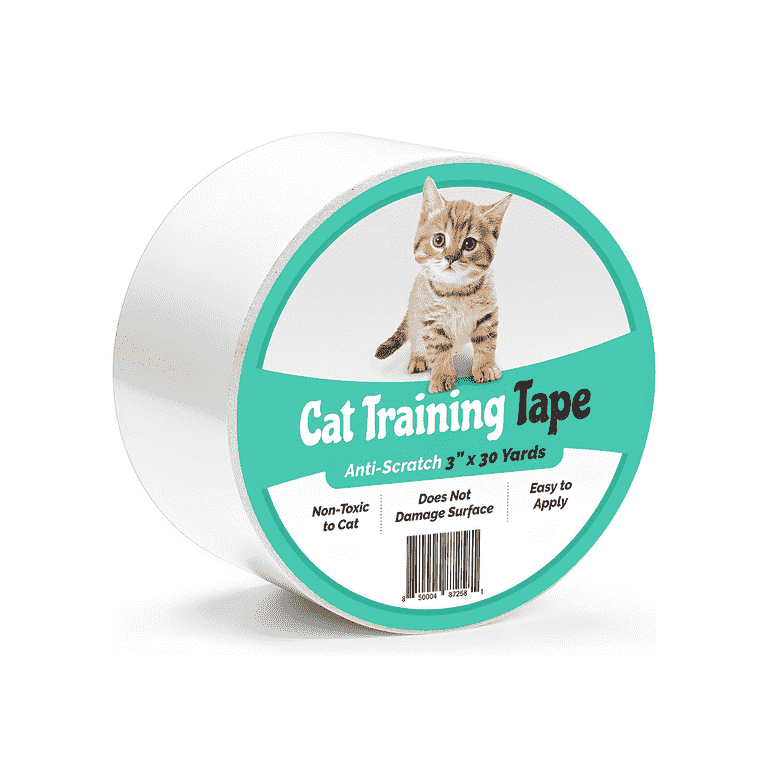
Credit: www.walmart.com
Sticky double-sided tape creates an unpleasant texture that discourages cats from scratching door surfaces.
When to Call in a Professional
If you’ve ruled out environmental triggers and used consistent redirection for a month with no improvement, it’s time to bring in expert support to address underlying issues you may have missed.
Vet Support for Medical or Anxiety-Related Scratching
Your vet can assess for underlying medical issues like arthritis, dental pain, or thyroid disorders that may be increasing your cat’s stress and prompting scratching. For cats with diagnosed separation anxiety or chronic stress, vets may recommend calming pheromone diffusers (like Feliway), dietary supplements with L-theanine or tryptophan, or prescription anti-anxiety medication in severe cases. Many vets also have connections to certified cat behaviorists and can provide trusted referrals.
Work With a Certified Cat Behaviorist
For persistent, long-term scratching that doesn’t respond to home training, look for a behaviorist certified by the International Association of Animal Behavior Consultants (IAABC). Unlike general pet trainers, cat behaviorists specialize in feline psychology and can identify subtle triggers you may have missed, like a stray cat outside your window that’s prompting your cat to mark the door, or a hidden noise source that’s causing anxiety. Many offer virtual consultations now, making this support accessible even if you don’t have a local in-person provider. A behaviorist will create a custom training plan tailored to your cat’s unique personality and your home setup, which can cut down training time significantly for complex cases.
Long-Term Maintenance to Keep Doors Scratch-Free
Once you’ve stopped the scratching, a few simple ongoing habits will keep your doors intact for years:
- Regular nail care: Trim your cat’s nails every 2-3 weeks to blunt the tip and minimize damage if they do scratch the door by accident. For cats that resist nail trims, soft nail caps (like Soft Paws) are a painless, temporary option that lasts 4-6 weeks and completely prevents door damage. Never use declawing as a solution: it’s an invasive, painful procedure that causes long-term behavioral and health issues, and is banned in over 20 U.S. states and dozens of countries as of 2026.
- Keep alternatives fresh: Rotate or replace scratching posts every 3-6 months to keep them engaging. Sprinkle a small amount of catnip or silvervine on new scratchers to attract your cat’s attention, and add new textures or shapes periodically to keep them interested. If you have multiple cats, provide at least one scratching post per cat, plus one extra, to avoid competition over resources.
- Monitor for regression: Big life changes — like moving to a new home, introducing a new pet or baby, or changes to your work schedule — can cause temporary regression in training. If your cat starts scratching doors again during these periods, go back to higher-value rewards, extra play sessions, and temporary deterrents like tape on the door to reinforce the good behavior. Most cats will return to their trained habits within a few weeks once they adjust to the change.
Frequently Asked Questions
How long does it take to train a cat to stop scratching doors?
Most cats learn to redirect their scratching to approved surfaces in 2-4 weeks with consistent redirection and rewards. For behaviors driven by long-term separation anxiety or deep-rooted territorial stress, it may take 2-3 months to see full improvement. Consistency is the single biggest factor in success — even a few days of skipping redirection can set back progress.
Will double-sided tape damage my door paint?
Most pet-safe double-sided tapes (like 3M Scotch) are designed to peel off without leaving residue on most painted or stained wood doors. If you have vintage, delicate, or historic door trim, opt for a clear vinyl scratch protector instead, which leaves no adhesive behind when removed.
Are citrus deterrents safe for cats?
Concentrated citrus essential oils (lemon, orange, lime) can be toxic to cats if ingested, and can irritate their respiratory system if sprayed directly on doors or surfaces they contact. Only use deterrent sprays formulated specifically for pets, and avoid applying any scented product to areas your cat licks or rubs against regularly.
My cat only scratches doors when I’m not home — what should I do?
This is almost always a sign of boredom or separation anxiety. Leave interactive puzzle feeders and rotated toys out while you’re gone to keep them mentally stimulated, and consider leaving a piece of your worn clothing on the other side of the door to provide a comforting scent. For severe anxiety, consult your vet about calming supplements or medication.
Is it ever okay to declaw a cat to stop door scratching?
No. Declawing is an invasive surgical procedure that removes the last bone of each toe, causing long-term pain, behavioral issues (like increased aggression and litter box avoidance), and mobility problems. It is banned in over 20 U.S. states and dozens of countries as of 2026, and is never recommended as a solution for scratching. The methods outlined in this guide are far more effective and humane.
Conclusion
Training a cat to stop scratching doors doesn’t require punishment or expensive gadgets — it just requires understanding your cat’s natural instincts and meeting their needs. Start by ruling out medical causes, place appealing scratching alternatives directly next to targeted doors, use gentle deterrents to make door surfaces unappealing, and reward positive behavior consistently. With patience and the right strategies, you can protect your doors and build a stronger, more trusting bond with your cat.
If you’re working on other common cat behavior challenges, our guide to step-by-step positive reinforcement methods breaks down simple, vet-approved techniques for everything from litter box training to reducing scratching on furniture.