
If you're a cat owner, you've probably found yourself wondering about the safest and healthiest food options for your furry friend. With so many choices out there, it's easy to get overwhelmed.
One question that might have crossed your mind is whether cats can have yeast instead of nutritional yeast. You want the best for your pet, and understanding the difference could make all the difference in their diet and well-being. This article will delve into this intriguing topic, helping you make informed decisions for your cat's health.
Are you ready to uncover the truth and ensure your cat is getting the nutrients they need? Keep reading, because what you discover might surprise you and change how you feed your feline companion forever.

Credit: www.facebook.com
Cats And Yeast Types
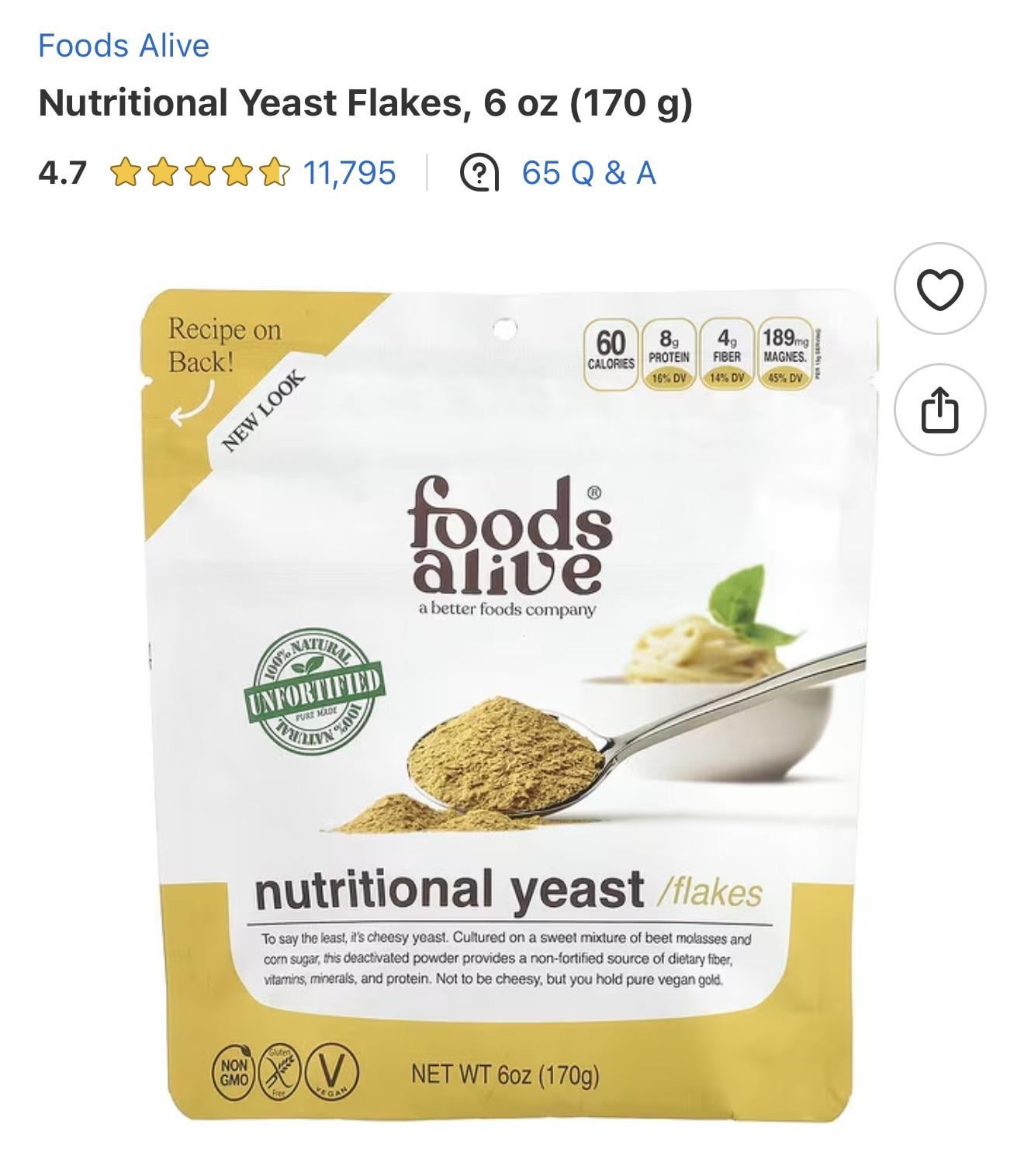
Cats should not consume regular yeast as it can cause digestive issues. Nutritional yeast is safer and provides essential nutrients without harmful effects. Always consult a vet before introducing new foods to a cat's diet.
Cats and yeast types can be a puzzling topic for many pet owners. Understanding the difference between nutritional yeast and regular yeast is crucial. You might have noticed your cat showing interest in some of your foods, but not all yeasts are safe for them.
Nutritional Yeast Benefits
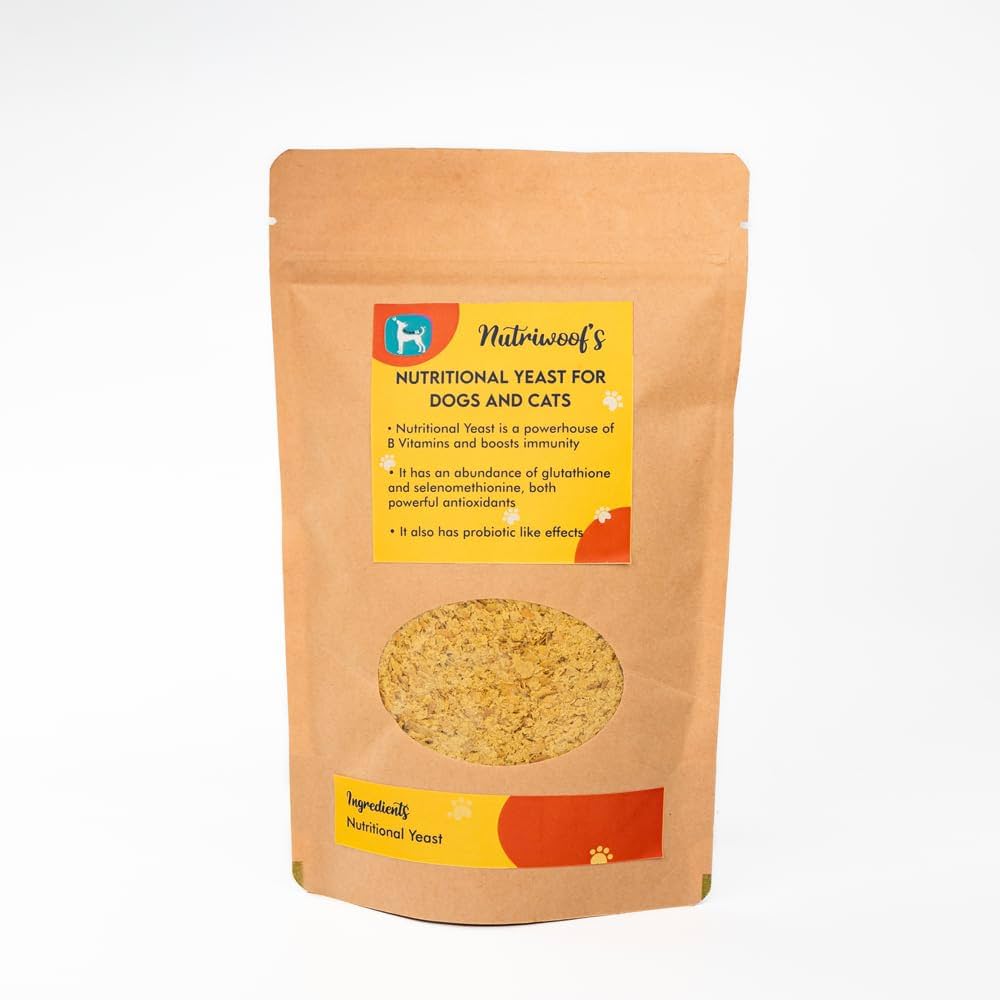
Nutritional yeast is a powerhouse of vitamins and minerals. It is rich in B vitamins, which are essential for your cat's overall health. Adding a small sprinkle to your cat's food can boost their nutrient intake without harmful side effects. This yeast type also contains amino acids, supporting your cat's muscle health. It's inactive, meaning it won't cause any unwanted fermentation in your cat's stomach. Wouldn't you want something that adds flavor and nutrition safely to your pet's diet?
Regular Yeast Risks
Regular yeast, especially baker's yeast, can be harmful to cats. It can ferment in their stomachs, causing bloating or even alcohol poisoning. The risks far outweigh any potential benefits when it comes to this type of yeast. Imagine your cat sneaking a bite of bread dough—dangerous, right? The dough could expand and produce alcohol in their stomach, leading to serious health issues. Always ensure that regular yeast is far from your cat's reach. Understanding the differences between these yeast types can protect your furry friend from unnecessary health risks. Have you checked what kind of yeast is lurking in your kitchen?
Credit: www.amazon.in
Nutritional Needs Of Cats
Cats have unique nutritional needs that are vital for their health. They require specific nutrients to support their bodily functions and overall well-being. Understanding these needs helps in making informed choices about their diet.
Essential Vitamins And Minerals
Vitamins and minerals play a crucial role in a cat's diet. They support immune function, bone health, and growth. Vitamin A is important for vision and skin health. Cats need taurine for heart and eye health. Minerals like calcium and phosphorus support strong bones. A balanced diet ensures they get these vital nutrients.
Protein Requirements
Cats are obligate carnivores, meaning they need high protein intake. Protein is essential for muscle development and energy. Animal-based proteins provide essential amino acids that cats cannot produce themselves. Without adequate protein, they may suffer from muscle loss and weakness. Ensuring a diet rich in protein supports their active lifestyle.
Yeast In Cat Diets
Yeast is a common ingredient in many foods. But is it good for cats? Understanding which yeasts are safe is crucial. Yeast provides certain nutrients but not all types are cat-friendly.
Safe Yeast Options
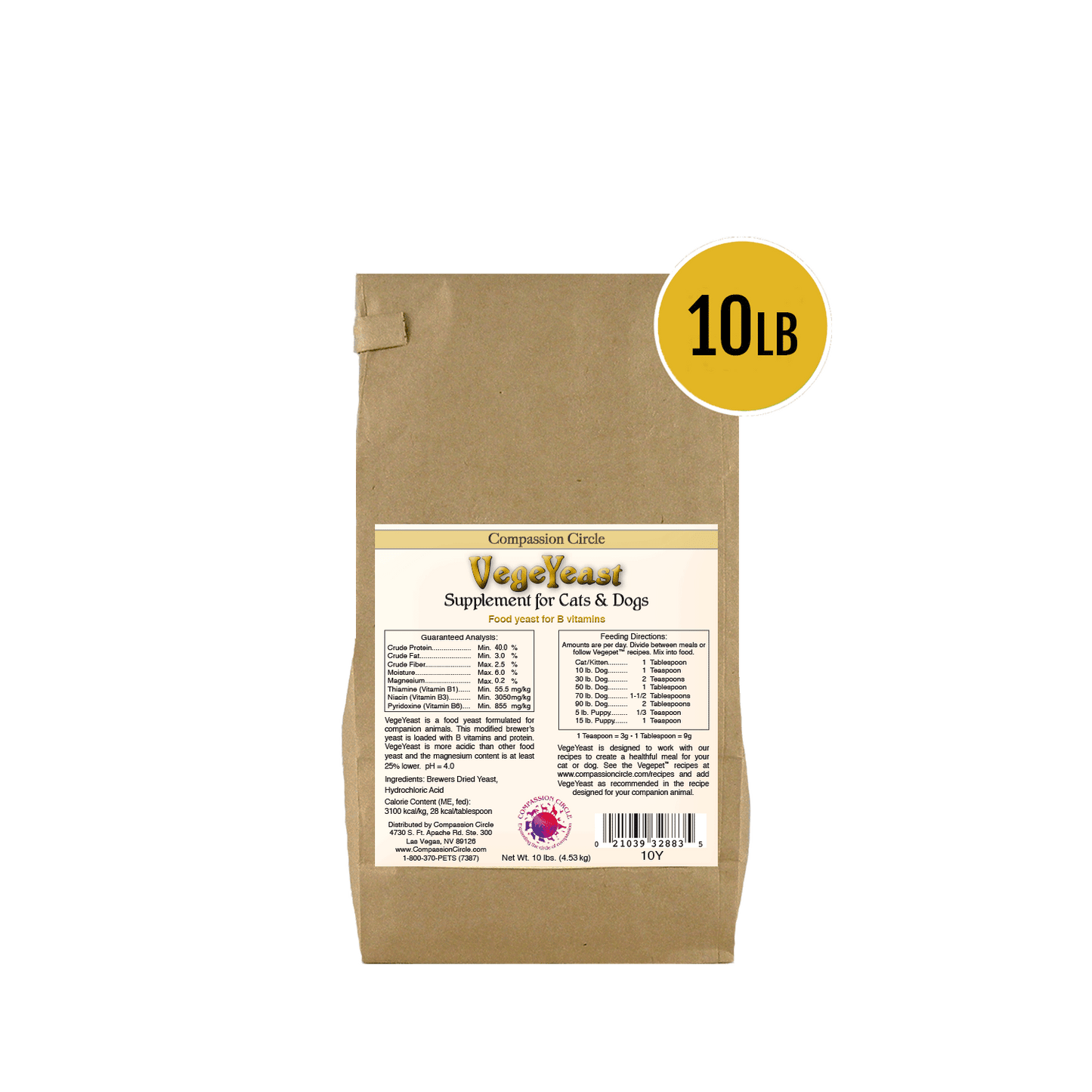
Nutritional yeast is safe for cats. It contains B vitamins and protein. Brewer's yeast is another safe option. It helps improve skin and coat health. Avoid active yeast. It can cause stomach issues.
Incorporating Yeast Safely
Introduce yeast to your cat's diet slowly. Start with a small amount. Mix it with their regular food. Observe for any adverse reactions. Always consult your vet before making changes. Keep active yeast out of reach. Store yeast products in a cool, dry place.
Credit: vecado.com
Potential Health Issues
Cats love exploring new tastes, but not all foods are safe. Yeast and nutritional yeast often confuse pet owners. Each has different effects on a cat's health. Feeding cats the wrong type could lead to health problems. It's crucial to understand the potential health issues.
Digestive Concerns
Regular yeast can upset a cat's stomach. It might cause bloating and gas. Cats might experience diarrhea or vomiting. Yeast can ferment in the stomach. This can lead to severe discomfort and pain.
Allergic Reactions
Some cats have yeast allergies. Symptoms include itching, redness, and swelling. Allergic reactions can cause skin issues. Cats might scratch excessively. Hair loss can occur from constant scratching.
Vet Recommendations
Cats have unique dietary needs. Many pet owners wonder about yeast in their diet. Vets have specific recommendations regarding yeast consumption. Understanding these can help maintain a cat's health. Nutritional yeast is often suggested due to its benefits. But can regular yeast be a substitute? Let's explore vet recommendations on this topic.
Expert Opinions
Veterinarians generally advise against giving cats regular yeast. It can cause digestive issues. Nutritional yeast is different. It provides essential nutrients. Regular yeast doesn't offer these benefits. Experts highlight the importance of balanced nutrition. Nutritional yeast is safe and beneficial in moderation. Always consult with a vet before introducing new foods.
Signs Of Yeast Intolerance
Some cats may show intolerance to yeast. Look for these signs:
- Frequent vomiting
- Diarrhea
- Excessive scratching or licking
- Skin irritations
If these symptoms appear, contact your vet. They can provide guidance and alternatives. Yeast intolerance can lead to discomfort. Early detection is key to ensuring your cat's wellbeing.
Frequently Asked Questions
Can You Give A Cat Nutritional Yeast?
Yes, you can give cats nutritional yeast in moderation. It provides B-vitamins and enhances food flavor. Always consult a vet before introducing new foods. Avoid giving large amounts to prevent health issues.
What Kind Of Yeast Is Good For Cats?
Nutritional yeast is good for cats. It contains B vitamins and is safe for occasional use. Avoid brewer's yeast, which can cause digestive issues. Always consult your vet before introducing new supplements to your cat's diet.
What Can We Replace Nutritional Yeast With?
Replace nutritional yeast with soy sauce, miso paste, or parmesan cheese. Use cashew or almond flour for a cheesy flavor.
Is It Okay For Cats To Eat Yeast?
Cats can eat small amounts of yeast safely. It can aid digestion and provide B vitamins. Large quantities may cause stomach upset or bloating. Always consult your vet before introducing new foods. Avoid raw dough, as it can expand in the stomach and cause harm.
Conclusion
Cats thrive on proper nutrition. Nutritional yeast is safe for them. Regular yeast can cause issues. Digestive problems may occur. Always consult your vet. They know what’s best. Nutritional yeast offers vitamins cats need. It’s a good choice for treats.
Avoid giving regular yeast to cats. Stick to what’s safe. Cats deserve the best care. Their health matters. Keep their diet balanced. Nutritional yeast is beneficial. Make informed choices for your cat's diet. Happy and healthy cats bring joy. Always prioritize their wellbeing.
