
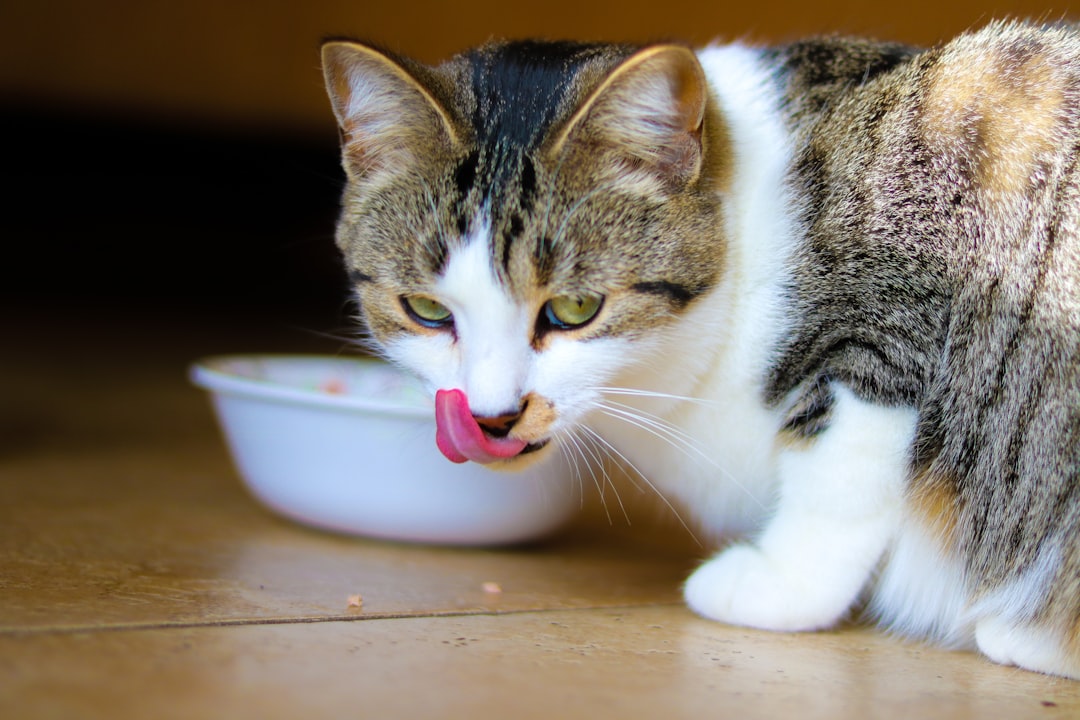
Imagine this: your beloved feline is purring contentedly, but there's a catch—they have no teeth. You might be wondering, "Can a cat with no teeth eat dry food?"
This question may have crossed your mind if your cat is facing dental challenges. Understanding how to care for your toothless pet is not just about keeping their bellies full, but also about ensuring their overall well-being and happiness. You might be surprised to discover that cats, even without teeth, can adapt remarkably well.
We’ll explore whether dry food can still be a part of your kitty's diet, and how you can make the best choices to keep them healthy. Stick with us as we unravel the mystery and provide you with tips that could transform your cat’s dining experience. Your cat's health is in your hands, and the right information can make all the difference.
Dental Health In Cats
Cats rely on their dental health for overall well-being. Healthy teeth and gums help them eat properly. But many cats face dental issues that can affect their eating habits. Understanding dental health in cats is crucial for their care.
Common Causes Of Tooth Loss
Cats can lose teeth due to various reasons. One common cause is periodontal disease. This disease results from plaque buildup, leading to gum inflammation and tooth loss. Dental trauma is another cause. Cats sometimes break teeth during play or accidents. Tooth resorption is also a common issue. This condition causes the tooth structure to break down, leading to loss.
Impact On Nutrition And Eating Habits
Tooth loss can change a cat's eating habits. Cats with no teeth may struggle with dry food. They might find it hard to chew and swallow. This difficulty can lead to nutritional challenges. Cats might eat less, missing essential nutrients.
Offering moist or softened food can help. It makes eating easier for toothless cats. Ensure their diet remains balanced for optimal health. Adjusting their diet can maintain their health and happiness.

Credit: www.facebook.com
Dry Food Vs. Wet Food
Cats with no teeth can still eat dry food. Soften the kibble with water or broth for easier chewing. Wet food, naturally soft, is an alternative for toothless cats, ensuring they get the nutrition they need.
Deciding whether a toothless cat can eat dry food is a common question among pet owners. While wet food is often recommended for cats without teeth, dry food offers benefits worth considering. Understanding the differences between these two types of food can help you make an informed choice for your feline friend.
Nutritional Differences
Dry food typically contains more carbohydrates than wet food. This is because it includes grains and fillers to maintain its shape. On the other hand, wet food is usually higher in protein and moisture, which can be beneficial for cats with hydration issues. However, some dry foods are specifically formulated to be nutritionally complete. They may include essential vitamins and minerals that support a cat's overall health. Reading the labels carefully can ensure your toothless cat gets all the nutrients it needs.
Ease Of Consumption For Toothless Cats
Cats without teeth may find dry food challenging to eat due to its hard texture. But there are ways to make it easier for them. You can soften the kibble by adding a little water or chicken broth, turning it into a mushy consistency. Wet food, being softer, is naturally easier for toothless cats to consume. It requires less chewing and can be lapped up easily. If your cat seems to struggle with dry food, transitioning to wet food might be a more comfortable choice. Have you ever noticed your cat struggling to chew? It could be a sign that softer food is needed. The key is to observe your cat's eating habits and adjust their diet accordingly.
Adapting Dry Food For Toothless Cats
Cats without teeth may struggle to eat regular dry food. Adapting their diet is essential for their health. Many pet owners wonder if dry food can still be an option. It can be, with a few adjustments. Let's explore how to make dry food suitable for toothless cats.
Softening Techniques
Dry food can be softened for easy chewing. One method is soaking it in water or broth. This makes the food tender and easier for cats to eat. Warm water works faster and adds flavor. Use low-sodium chicken broth for a tasty treat. Ensure the food is not too soggy, just soft enough.
Another option is to mix dry food with canned food. This creates a moist, palatable texture. It also adds variety to your cat's meal. Blend well to ensure even distribution of flavors.
Alternative Feeding Methods
Consider alternative feeding methods if softening doesn't work. Wet food is a great option for toothless cats. It requires no chewing and is packed with moisture. Wet food supports hydration and is easy to digest.
Purees and pâtés are also suitable. They provide essential nutrients in a smooth form. Homemade purees can be made using meat and vegetables. Ensure they are well-cooked and blended.
Some owners opt for raw diets. This involves finely ground meats and organs. Always consult a vet before starting a raw diet. It should meet all nutritional needs of your cat.
Assessing Your Cat’s Needs
Understanding your cat's needs without teeth is crucial. Cats may struggle with dry food. Observing their behavior helps in assessing their comfort. Cats are resilient. Many can adjust to new eating methods. Yet, some need extra care.
Signs Of Eating Difficulties
Watch for signs of eating trouble. Does your cat drop food? Is there excessive drooling? These could indicate discomfort. Notice if they eat less. Weight loss is a serious sign. Observe their behavior during meals. Cats may show frustration. Look for changes in their energy levels.
Consulting A Veterinarian
Always consult a veterinarian for guidance. They can assess your cat’s oral health. Vets provide advice on suitable diets. They might suggest a diet change. Soft foods or wet diets may be recommended. Regular check-ups ensure your cat stays healthy. Discuss any concerns about their eating habits.
Benefits Of Dry Food For Toothless Cats
Feeding dry food to a cat without teeth may seem unusual. Yet, there are benefits that make it a viable option. Toothless cats can still enjoy and benefit from dry food.
Dental Health Benefits
Dry food can help maintain gum health. It encourages chewing, which strengthens the gums. The texture can also reduce plaque buildup. This aids in preventing gum disease. A healthy diet supports overall dental health.
Convenience And Storage
Dry food is easy to store. It has a longer shelf life than wet food. This makes it convenient for pet owners. It doesn't need refrigeration, saving space. You can leave it out without spoiling quickly. This provides flexibility for feeding schedules.
Potential Risks Of Dry Food
Feeding dry food to a cat with no teeth might seem convenient, but it carries certain risks. Understanding these potential dangers can help you make an informed decision about your pet's diet. While some cats adapt well to eating dry food without teeth, others face significant challenges that could impact their health.
Choking Hazards
Without teeth, a cat can't chew dry kibble properly, increasing the risk of choking. Imagine trying to swallow large chunks of food without breaking them down first. Cats might attempt to swallow whole pieces, which can get lodged in their throat. You can reduce this risk by soaking the kibble in water to soften it.
Digestive Issues
Dry food is harder to digest for cats with no teeth. When kibble isn't chewed, it can lead to stomach discomfort and indigestion. Cats might experience bloating or constipation as their digestive system struggles to process the food. Consider switching to wet food, which is easier on their stomachs and can prevent these issues.
Choosing The Right Food
Cats without teeth can still enjoy dry food. Soften it with water or broth for easier chewing. Choose small kibble sizes to ensure comfort while eating.
Choosing the Right Food Selecting the perfect diet for a toothless cat might seem daunting, but it's easier than you think. Cats can thrive on dry food even without teeth, provided you choose the right type. Consider the texture, ingredients, and brand reputation to ensure your feline friend gets the nutrition they need.
Ingredients To Look For
When browsing cat food labels, prioritize high-quality protein sources like chicken or fish. These ingredients are not only nutritious but also easy for your cat to chew and digest. Avoid fillers like corn and wheat. They offer little nutritional value and might be harder for your cat to process without teeth. Seek out added vitamins and minerals. Ingredients such as omega-3 fatty acids and taurine support your cat's overall health.
Brand Recommendations
Several brands cater specifically to cats with dental issues. Royal Canin offers a range of products designed to be palatable and nutritious for toothless cats. Hill's Science Diet is another excellent choice. Their formulas focus on easy-to-chew kibble and balanced nutrition. Don't overlook Purina Pro Plan. Known for their specialized blends, Purina provides options that are both tasty and beneficial for your feline's health. Have you tried experimenting with different brands to find the perfect match for your cat's preferences?

Credit: www.yahoo.com

Credit: www.yahoo.com
Frequently Asked Questions
What Is The Best Cat Food For Cats With No Teeth?
Wet cat food is ideal for cats with no teeth. It offers soft textures and easy digestion. Choose high-quality brands like Hill's Science Diet or Royal Canin. Ensure the formula is complete and balanced for optimal nutrition. Consult your vet for specific dietary recommendations.
Can Cats Eat Dry Food After Teeth Removal?
Cats can eat dry food after teeth removal, but ensure it's softened with water. Consult your vet.
How Do You Feed A Cat That Has No Teeth?
Feed a toothless cat with soft, wet canned food or specially formulated kibble. Mash the food with water or broth for easier consumption. Consult your vet for dietary recommendations. Ensure the food is at room temperature to enhance flavor and aroma, encouraging the cat to eat.
How To Feed A Toothless Senior Cat?
Feed a toothless senior cat with soft, wet food or pâté. Ensure meals are easily chewable and digestible. Warm food slightly to enhance aroma and appeal. Consider using a blender for smoother consistency. Provide fresh water and monitor eating habits to ensure proper nutrition and comfort.
Conclusion
Cats without teeth can eat dry food with some adjustments. Small kibble sizes make chewing easier. You can soften the food with water. This helps make it gentle on their gums. Always consult a vet for the best advice. Monitor your cat's eating habits closely.
Watch for signs of discomfort or difficulty. A happy and healthy cat is the goal. Every cat's needs are unique. Find what works best for yours. Your cat can enjoy dry food, even without teeth. Your care and attention make all the difference.
