
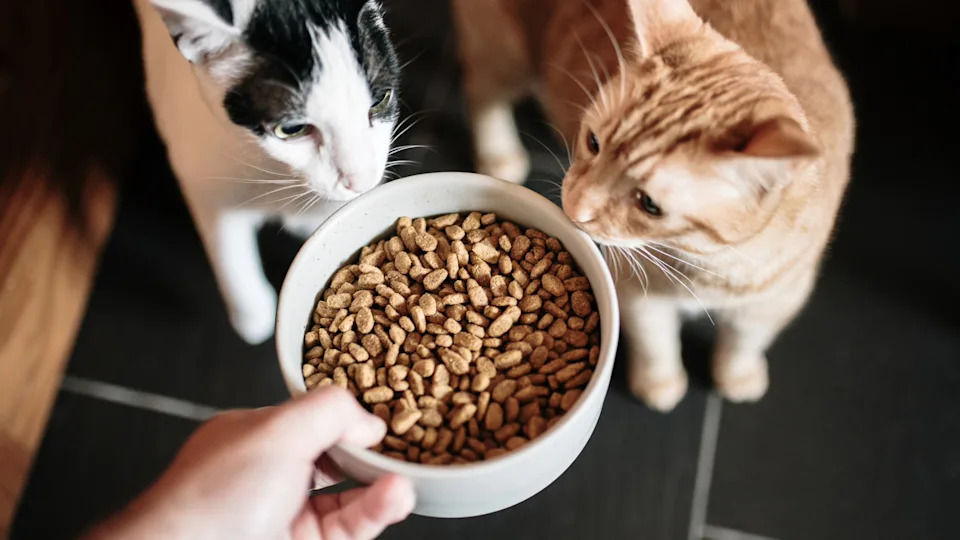
Imagine this: you open a fresh bag of dry cat food, pour it into your cat's bowl, and watch them happily munch away. But as days pass, you might wonder, "Does dry cat food go stale?"
It's a question that every responsible cat owner has probably asked themselves. After all, you want nothing but the best for your furry friend. You may have noticed changes in your cat's enthusiasm for their meals or perhaps a difference in the food's texture or smell.
Could these be signs that your cat's food is losing its freshness? By understanding how dry cat food can change over time, you can ensure that your pet gets the nutrition they need. Stick around to find out everything you need to know about the shelf life of dry cat food and how you can keep it fresh for as long as possible. Your cat's health and happiness depend on it!
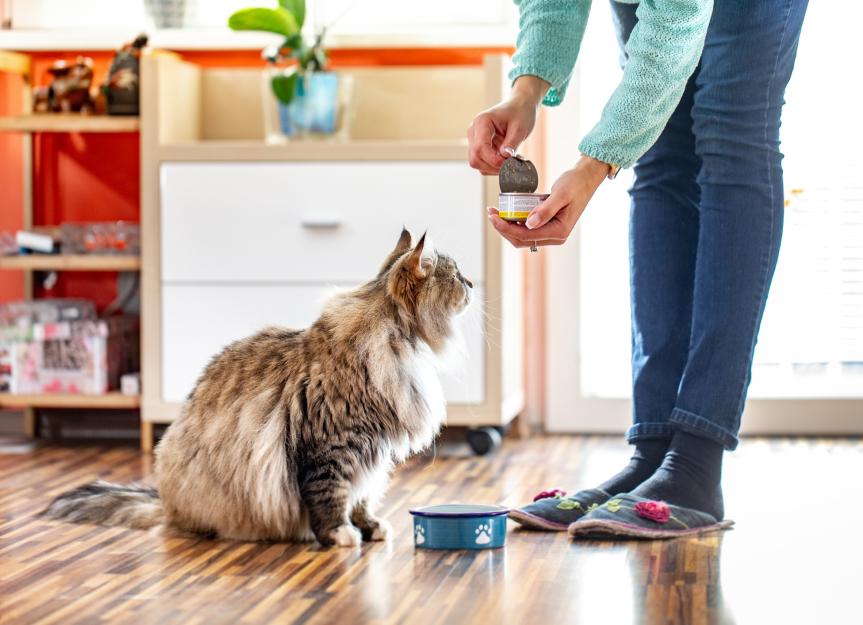
Credit: www.petmd.com
Causes Of Dry Cat Food Spoilage
Dry cat food spoilage is a common concern for pet owners. Understanding why dry cat food goes stale can help maintain its quality. Several factors contribute to spoilage, impacting its taste and nutritional value.
Exposure To Air And Moisture
Air exposure causes oxidation, leading to nutrient loss. Moisture promotes mold growth, making food unsafe. Airtight containers can help prevent these issues.
Temperature Fluctuations
Extreme temperatures can alter food composition. High heat may degrade fats and vitamins. Cold temperatures can harden food, affecting texture.
Packaging And Storage Issues
Poor packaging may lead to spoilage. Damaged bags can allow air and pests in. Proper storage in cool, dry places is essential.
Credit: untamed.com
Signs Of Stale Cat Food
Dry cat food can go stale if stored improperly or past its expiration date. Signs include a change in smell, crumbly texture, and loss of flavor, which may deter cats from eating it. Always check the packaging for freshness and store food in airtight containers to maintain quality.
Noticing changes in your cat's food might seem trivial, but it can significantly impact their health. Just like how you wouldn't enjoy stale chips, your cat won't appreciate stale kibble. Understanding the signs of stale cat food can help you ensure your furry friend is getting the best nutrition.
Changes In Smell And Texture
Does your cat food smell off? Fresh dry cat food typically has a specific, somewhat pleasant smell. If it suddenly starts to have a rancid or sour odor, it's likely gone stale. Additionally, the texture can change; kibble should be firm. If it feels soft or crumbly, that's another red flag.
Loss Of Nutritional Value
Staleness doesn't just affect taste and smell. It can also strip away essential nutrients. Vitamins and minerals can degrade over time, meaning your cat might not be getting the full nutritional benefit. Regularly check expiration dates and storage conditions to keep your cat's diet optimal.
Visible Mold Or Discoloration
Ever spotted mold on bread? It can happen to cat food too. Visible mold or a change in color is a definite sign of spoilage. If you notice any fuzzy patches or unusual discoloration, it's time to toss the food. It's better to be safe and replace it with a fresh batch. Taking these signs seriously can make a difference in your cat's diet and health. So, when did you last check your cat's food for freshness?
Impact On Cat Health
Dry cat food can lose freshness, affecting nutrition and taste. Stale food may lead to health issues for cats. Regularly check expiration dates and store food properly to ensure your cat's well-being.
The freshness of your cat's dry food plays a crucial role in their overall health. As cat owners, we often overlook the potential risks associated with stale food. Let's delve into how it can affect your feline friend.
Digestive Problems
Stale dry cat food can lead to digestive issues. Cats are sensitive creatures, and old food can upset their stomachs. You might notice symptoms like vomiting or diarrhea. Have you ever seen your cat turning away from their food bowl? It could be because the food has lost its appeal and freshness. A stale diet can lead to poor digestion and discomfort for your pet.
Nutritional Deficiencies
Nutrition is vital for your cat's well-being. Stale food loses essential nutrients over time. This means your cat might not be getting the vitamins and minerals they need. Imagine feeding your cat, thinking they are getting all the necessary nutrients, but in reality, they aren't. Regularly check the expiration date and store food properly to maintain its nutritional value.
Potential Toxins
Old cat food can develop harmful toxins. As food sits, it can become a breeding ground for bacteria and mold. These can produce toxins that are dangerous for your cat. Have you ever noticed a strange smell from your cat's food bowl? It's a sign that the food might be going bad. Always ensure the food is fresh and stored in a cool, dry place to prevent contamination. Taking these factors into account, it's essential to regularly check the freshness of your cat's dry food. Your cat's health and happiness depend on it.
Proper Storage Techniques
Dry cat food can go stale if not stored properly. Keep it in an airtight container to maintain freshness. Store in a cool, dry place to prevent moisture from affecting the food's quality.
Storing dry cat food properly is crucial to ensure your feline friend enjoys fresh meals every day. While it might seem simple, using the right techniques can significantly impact the longevity and freshness of the food. Improper storage can lead to stale kibble, which not only loses its nutritional value but might also become unappealing to your cat. So, how can you store dry cat food to maximize its shelf life and keep your cat satisfied?
Ideal Containers For Storage
Choosing the right container is essential for preserving your cat's food. Airtight containers are your best friend when it comes to keeping moisture and pests at bay. Plastic and glass containers are popular choices. Plastic containers are lightweight and often come with airtight seals, making them convenient for everyday use. Glass containers, on the other hand, provide a more durable option and are great for long-term storage. Vacuum-sealed bags offer a compact solution for those with limited space. These bags reduce air exposure and are perfect for storing larger quantities of food.
Maintaining Optimal Conditions
Keeping dry cat food fresh isn't just about the container; the environment plays a significant role too. Ensure the storage area is dry, cool, and away from direct sunlight. Temperature control is key. Storing food in a cool place prevents the oils in the kibble from breaking down, which can lead to rancidity. Avoid humidity. Moisture can cause mold growth, which can be harmful to your cat. If you live in a humid area, consider storing food in a basement or using a dehumidifier.
Best Practices For Long-term Storage
If you buy cat food in bulk, knowing how to store it for the long haul can be a game-changer. Labeling containers with purchase dates helps track the freshness of the food. Rotate your stock. Use older stock first to ensure none of the food goes stale, keeping your cat's meals fresh. Regularly clean containers. Residue buildup can affect the taste and quality of the food. A quick wash between refills ensures the container remains clean and odor-free. By following these strategies, you can keep your dry cat food fresh and nutritious, ensuring your cat enjoys every meal.
Extending Shelf Life
Dry cat food can lose its freshness over time. Stale cat food may not appeal to your feline friend. Extending the shelf life of dry cat food ensures it stays fresh and nutritious. Let's explore some effective ways to preserve your pet's food.
Effective Preservation Methods
Proper storage is crucial for keeping dry cat food fresh. Use airtight containers to block out moisture and air. Store the container in a cool, dry place away from sunlight. This prevents spoilage and maintains the food's quality. Consider smaller packages if you have a single cat. This reduces the time food is exposed to air.
Product Expiration Dates
Always check expiration dates before purchasing. Expired food may lose nutritional value and taste. Manufacturers print these dates to guide consumers. Use older food first if you buy in bulk. This practice ensures food is consumed within its prime period.
Using Freshness Indicators
Some brands include freshness indicators on packaging. These indicators help you monitor the food's condition. If the indicator changes color, it might be time to replace the food. This feature provides an easy way to ensure your cat's food remains fresh.

Credit: www.yahoo.com
Alternatives To Dry Cat Food
Many cat owners wonder if their feline friend's dry food might be losing its freshness over time. While dry cat food can indeed go stale, there are several alternatives that might offer your cat a more nutritious and enjoyable meal experience. Exploring these options could lead to discovering a diet that suits your cat's taste and health needs better.
Wet Cat Food Options
Wet cat food is a popular alternative to dry kibble, offering higher moisture content and often a richer flavor profile. This can be particularly beneficial for cats that don't drink enough water. Many brands offer a variety of meat-based flavors, ensuring that even the pickiest eaters find something they love. Consider rotating between different wet food flavors to keep your cat interested and well-nourished.
Homemade Cat Food Recipes
If you're up for a culinary challenge, homemade cat food recipes allow you to control the ingredients and tailor meals to your cat's specific dietary needs. Fresh chicken, fish, and vegetables can be combined to create nutritious dishes. Keep in mind that cats require specific nutrients like taurine, so it's essential to research recipes thoroughly or consult with a vet to ensure a balanced diet.
Specialized Diets For Cats
Specialized diets can cater to cats with particular health requirements, such as weight management or urinary tract health. These diets often come in both dry and wet forms and are formulated to address specific conditions. Have you considered if your cat might benefit from a diet designed for their unique needs? Discussing options with your veterinarian can provide insights into whether a specialized diet could enhance your cat's well-being.
Frequently Asked Questions
How Long Does It Take For Dry Cat Food To Go Stale?
Dry cat food usually goes stale within 4-6 weeks after opening. Store it in an airtight container to maintain freshness. Always check expiration dates and observe for any changes in smell or texture. Proper storage helps extend the food's shelf life and keeps your cat's meals fresh.
How To Tell If Dry Cat Food Is Stale?
Check for a rancid odor or unusual smell. Examine for discoloration or mold. Look for changes in texture, such as being too hard or crumbly. Notice if your cat refuses to eat the food. Verify the expiration date on the packaging.
Does Dry Cat Food Actually Expire?
Yes, dry cat food does expire. Check the packaging for expiration or "best by" dates. Store it in a cool, dry place to maintain freshness. Consuming expired food may lead to nutritional loss and potential health issues for your cat.
Always ensure food is within its expiration date.
Can Dry Cat Food Be Spoiled?
Yes, dry cat food can spoil over time. Exposure to moisture and air can cause mold and bacteria growth. Always store cat food in a cool, dry place. Check expiration dates and packaging integrity regularly. Spoiled food can harm your cat's health, so ensure freshness before serving.
Conclusion
Keeping cat food fresh is essential for your pet's health. Stale food loses flavor and nutrients. Always check expiration dates before purchasing. Store dry cat food in a cool, dry place. Use airtight containers to keep it fresh. This prevents exposure to air and moisture.
Regularly inspect the food for any unusual smell or appearance. Throw away food if you suspect it's stale. Your cat deserves the best nutrition possible. By following these simple steps, you ensure their meals remain tasty and nutritious. Keep your furry friend happy and healthy with fresh food.
