
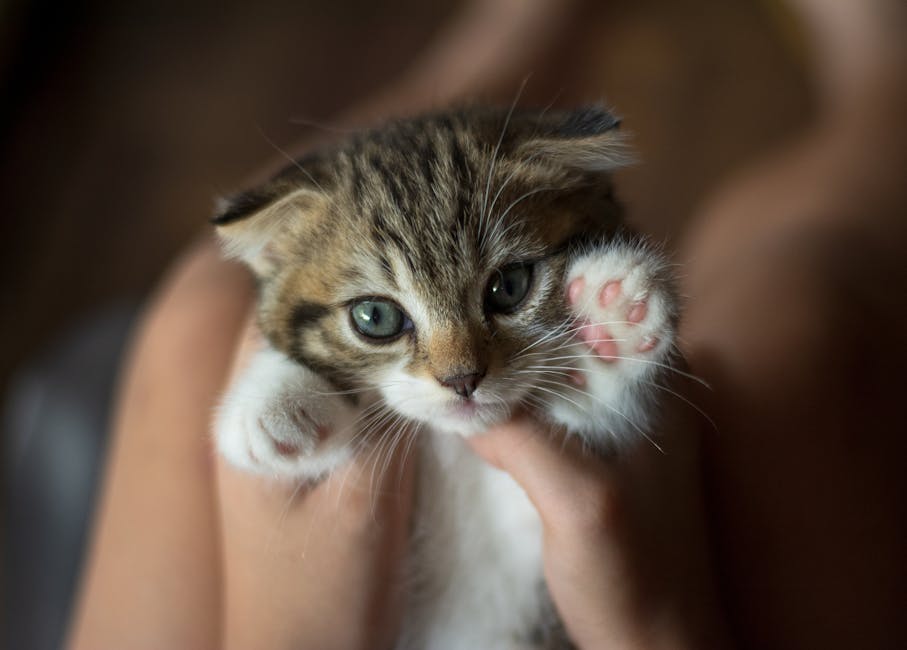
Ever found yourself locked in a battle with your cat, armed with a brush in one hand and an exasperated look on your face? If you've ever wondered, "Why does my cat hate being brushed?"
You're not alone. Many cat owners face this puzzling challenge, and it can be both frustrating and concerning. You want the best for your furry friend, but every grooming session feels like a struggle. Understanding the reasons behind your cat's aversion to brushing is the first step to transforming grooming time from a dreaded chore into a peaceful, bonding experience.
Whether it's the texture of the brush, past unpleasant experiences, or simply a matter of control, your cat's behavior has an explanation. By identifying these reasons, you can tailor your approach, ensuring a happier and healthier relationship with your pet. Stick with us as we explore the common causes of this feline resistance and offer practical tips to make grooming a positive and rewarding activity for both you and your cat. Your journey to a harmonious brushing routine starts here.

Credit: www.reddit.com
Common Reasons For Aversion
Cats may dislike being brushed due to sensitive skin or past negative experiences. Fear of restraint can also cause aversion.
Understanding why your cat might dislike being brushed can help you address their aversion effectively. Each cat is unique, with its own set of preferences and tolerances. Recognizing the common reasons behind this behavior can transform grooming sessions from a dreaded chore to a bonding opportunity.
Sensory Sensitivities
Cats are highly sensitive creatures, and their skin is no exception. Brushing can sometimes overstimulate their senses, particularly if the brush has hard bristles. I once used a brush that seemed gentle to me, but my cat recoiled every time it came near. Switching to a softer brush made all the difference. Think about the texture and pressure your cat might be experiencing. Is the brush too hard or the strokes too firm? Adjusting your technique could be key to easing their discomfort.
Past Negative Experiences
Cats have long memories, especially when it comes to unpleasant experiences. Perhaps your cat associates brushing with a painful tug or an uncomfortable restraint. I remember a time when my cat bolted at the mere sight of a brush, all because of a previous encounter where I accidentally pulled on a knot. Consider how your cat reacts to the sight of the brush. Do they run away or show signs of distress? It might be worth introducing the brush slowly, allowing them to sniff and investigate it at their own pace.
Health Issues
Sometimes, a cat's aversion to brushing stems from underlying health issues. Skin conditions, arthritis, or even an unnoticed injury can make grooming painful. My friend's cat turned aggressive during brushing, only to later discover an inflamed patch of skin that was causing discomfort. Pay attention to any signs of pain or sensitivity when brushing. If your cat suddenly dislikes being brushed, a visit to the vet could uncover health problems that need addressing. Understanding these reasons can help you tailor a brushing routine that your cat will appreciate. What adjustments could you make today to improve your cat's grooming experience?

Credit: baileybrush.com
Understanding Feline Behavior
Cats might dislike brushing due to sensitive skin or past negative experiences. Understanding these reasons can help ease grooming. Try using a gentle brush and create a calm environment to make the process more comfortable for your feline friend.
Understanding why your cat dislikes being brushed requires insight into feline behavior. Cats are unique creatures, each with individual preferences and quirks. Their reactions to grooming can be influenced by instincts and habits embedded in their nature.
Natural Grooming Habits
Cats are self-sufficient groomers. They spend a significant part of their day cleaning themselves. Their tongues are equipped with tiny, hook-like structures to remove dirt. This self-grooming satisfies their need for cleanliness. It also helps with relaxation and stress relief. Brushing might seem unnecessary to them. It can even disrupt their routine.
Territorial Instincts
Cats have strong territorial instincts. They mark their domain with scent glands located on their face and body. Being brushed can interfere with these scent markings. This might cause discomfort or anxiety. They may perceive brushing as an invasion of personal space. It's an instinctual reaction to protect their territory.
Choosing The Right Tools
Selecting the right brush can make a big difference for a cat that hates being groomed. Soft bristles and gentle strokes can help ease the discomfort, making the experience more pleasant for your feline friend.
Choosing the right tools for brushing your cat can make a world of difference. If your cat runs away at the sight of the brush, it might not be the act of brushing they dislike but rather the tool you're using. The right brush can transform grooming from a dreaded chore into a bonding experience.
Types Of Brushes
Cats have different fur types, and each might require a specific brush. Slicker brushes are great for long-haired cats, helping to detangle and remove loose fur. Bristle brushes work wonders for short-haired cats by distributing natural oils, leaving a shiny coat. You might also consider a rubber grooming brush for a gentler touch. These brushes can feel like a massage to your cat, making them more likely to enjoy the experience. If your cat has sensitive skin, a soft-bristle brush might be the best option.
Brush Features To Consider
When selecting a brush, look for one with a comfortable handle. This ensures you can maintain a steady grip, reducing the risk of pulling your cat's fur. Consider the brush's size relative to your cat. A large brush might be overwhelming for a smaller cat, while a compact brush could be insufficient for a larger one. The bristle type is also crucial. Brushes with retractable bristles make cleaning easier, keeping the grooming session efficient. By choosing the right tools, you can turn brushing time into a pleasant routine for you and your feline friend. Have you ever considered whether the tools you use make a difference in your cat's grooming experience? It's worth experimenting to find out.
Building A Positive Brushing Routine
Cats may resist brushing due to discomfort or unfamiliarity. Creating a gentle routine helps ease their anxiety. Gradually introduce brushing, using treats and praise to encourage a positive association.
Building a positive brushing routine can transform your cat's grooming experience. Cats often dislike being brushed due to unfamiliar sensations or past negative experiences. Establishing a routine can help them feel comfortable and even enjoy it.
Starting Slow
Begin brushing sessions with short durations. Use a gentle brush to avoid discomfort. Allow your cat to sniff the brush before starting. This helps them become familiar with the tool. Gradually increase the time spent brushing. Be patient and watch for signs of discomfort.
Using Treats And Rewards
Incorporate treats into the brushing routine. Offer a small treat before and after brushing. This creates positive associations. Praise your cat with a soothing voice. Rewarding them encourages cooperation. Over time, they'll associate brushing with enjoyable moments.
Creating A Calm Environment
Choose a quiet space for brushing. Minimize loud noises and distractions. A calm environment reduces stress for your cat. Ensure your cat feels safe and relaxed. Pet them gently before brushing. A soothing atmosphere can make all the difference in their comfort.
Signs Your Cat Needs Professional Help
Cats show discomfort when brushing leads to aggression or anxiety. Excessive biting or scratching might signal distress. Sudden changes in grooming habits indicate the need for professional help.
Signs Your Cat Needs Professional Help Cats often show subtle signs of distress. Knowing these signs can help you decide if professional help is needed. Some cats might refuse brushing due to underlying issues. Recognizing these issues early is crucial for their well-being.
Recognizing Severe Anxiety
Anxiety in cats can manifest in various ways. Watch for excessive hiding or aggression. Notice if your cat hisses or growls during grooming. These behaviors might indicate severe anxiety. Other signs include trembling or rapid breathing. A cat that avoids human contact might be suffering.
Consulting A Veterinarian
A vet can provide valuable insights into your cat's behavior. They can rule out physical discomfort as a cause. Vets might suggest behavior therapy or medication. Consulting with professionals ensures your cat receives the best care. Regular check-ups can help monitor your cat's mental health.
Credit: www.latimes.com
Alternative Grooming Solutions
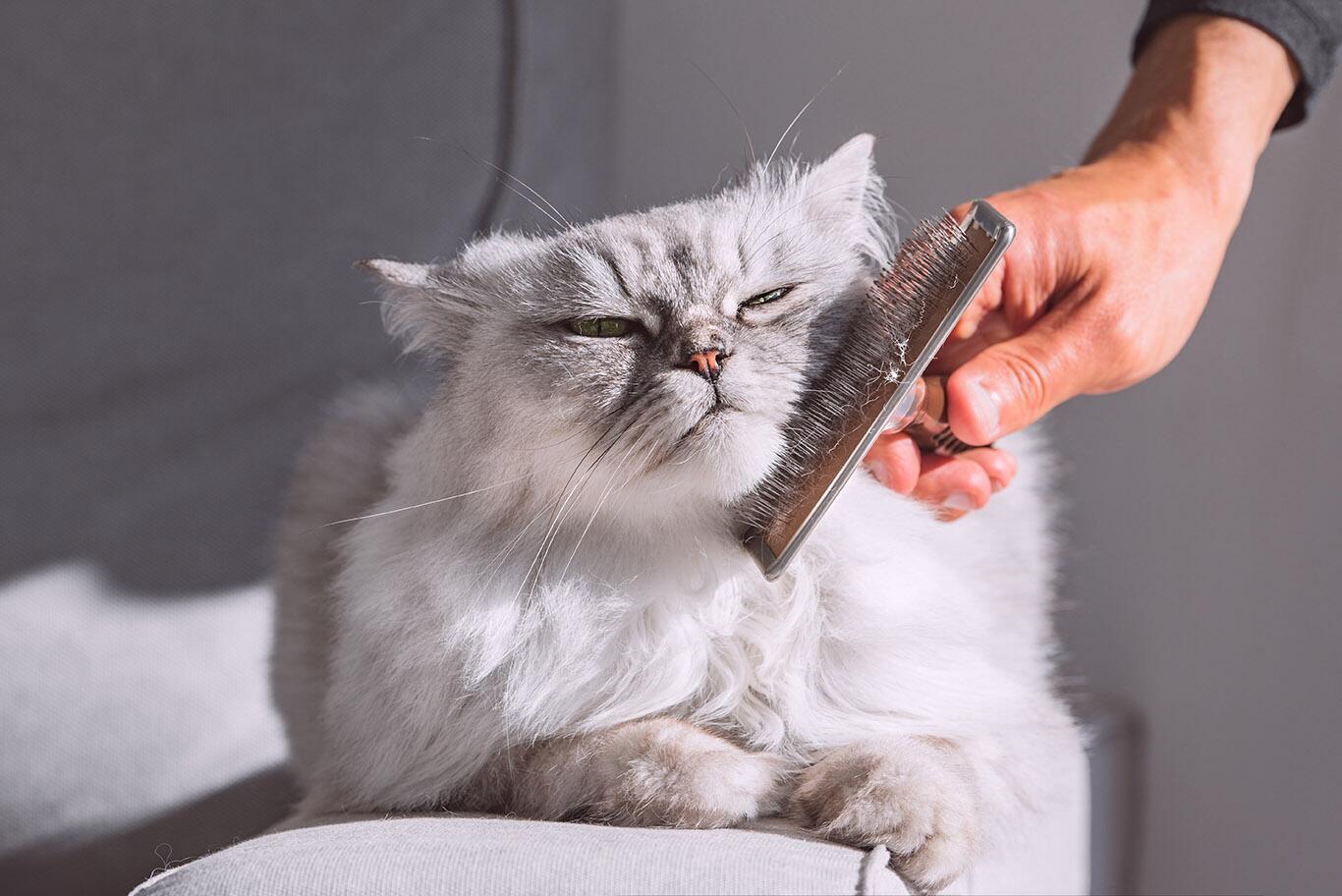
Understanding feline grooming behavior can be tricky. Cats might hate being brushed due to sensitive skin or past negative experiences. Exploring alternative grooming solutions can help ease their discomfort and make grooming a more pleasant experience.
Cats often dislike being brushed due to sensitive skin or unfamiliar sensations. Finding alternative grooming solutions can help maintain their coat without stress. Different methods suit various feline temperaments, ensuring your pet stays comfortable and clean.
Professional Grooming Services
Professional groomers offer a hands-off solution. They have experience handling cats with grooming aversions. Their techniques keep cats calm during the session. Groomers use specialized tools to gently care for your cat's coat. Visiting a professional can prevent knots and mats. Regular appointments maintain your cat's fur health. These services often include nail trimming and ear cleaning.
Self-grooming Aids
Self-grooming aids can be a good option. Products like grooming gloves let cats groom themselves. These gloves mimic petting, easing your cat into brushing. Brushes that attach to walls encourage self-grooming. Cats rub against them, enjoying a natural grooming experience. Look for products with gentle bristles. Regular use can reduce shedding and hairballs. Self-grooming aids help your cat stay clean and happy.
Frequently Asked Questions
Why Does My Cat Get Mad When I Brush Him?
Cats might feel discomfort or pain from tangled fur or sensitive skin. They may dislike the brush's texture or previous negative experiences. Try using a softer brush and reward them with treats. Ensure the environment is calm and stress-free during grooming sessions.
How Do Groomers Deal With Difficult Cats?
Groomers use gentle handling techniques, calming environments, and sometimes sedation to manage difficult cats. They prioritize safety and comfort. Positive reinforcement and patience are key strategies to ensure a stress-free grooming experience for cats.
Do Cats Feel Better After You Brush Them?
Yes, cats often feel better after brushing. It removes loose hair, reduces shedding, and improves circulation. Brushing can also prevent matting and stimulate natural oil production, promoting a healthier coat. Many cats enjoy the bonding and relaxation that comes with grooming.
Why Does My Cat Hate Hair Brushes?
Cats may dislike hair brushes due to sensitivity. Brushes can feel uncomfortable or irritate their skin. Try using softer brushes or grooming gloves. Gradually introduce brushing to make the process more pleasant for your cat.
Conclusion
Understanding your cat's dislike for brushing takes time and patience. Cats have unique personalities. Some enjoy grooming. Others resist. Respect their comfort levels. Try gentle techniques. Use the right brush. Make sessions short and calm. Positive experiences help. Treats can motivate them.
Building trust matters. Pay attention to signs of stress. Avoid forcing them. Observe their preferences. Adjust your methods accordingly. This helps reduce anxiety. Each cat is different. What works for one may not work for another. Listen to your cat's cues.
Approach grooming with care and understanding. Your efforts will lead to happier grooming times.
