
Switching your cat from dry to wet food can seem like a daunting task, but with the right approach, it can be a smooth transition. You've probably heard of the benefits of wet food, like better hydration and more natural ingredients.
Yet, making the change isn't just about popping open a can. It's about understanding your cat's needs and tastes to ensure they remain happy and healthy. You might be wondering how to start, what challenges you might face, and how to overcome them without stress.
Keep reading to discover practical tips and expert advice that will make this switch easier for both you and your furry friend. By the end of this article, you'll feel confident in your ability to enhance your cat's diet and overall well-being.
Credit: www.petsmart.com
Benefits Of Wet Cat Food
Switching cats from dry to wet food can improve hydration and support urinary health. Wet cat food often contains higher moisture content, which helps in maintaining a healthy weight and better digestion.
Switching your cat from dry to wet food can be a rewarding decision for both you and your feline friend. Wet cat food offers several benefits that can contribute to your cat's overall health and happiness. Understanding these advantages can make the transition smoother and more appealing.
Nutritional Advantages
Wet cat food is often richer in essential nutrients compared to its dry counterpart. It's typically packed with higher levels of protein, which is crucial for your cat's muscle maintenance and growth. The ingredients in wet food are often less processed, retaining more of their natural goodness. Some wet foods also have a broader range of flavors and textures. This variety can keep your cat interested in their meals, reducing the likelihood of picky eating habits. Isn't it exciting to offer your cat something they not only need but truly enjoy?
Hydration Benefits
Cats naturally have a low thirst drive, which means they might not drink enough water on their own. Wet food contains a significant amount of moisture, helping to keep your cat hydrated. Adequate hydration supports their urinary tract health and can prevent kidney issues. Have you ever noticed how much more vibrant and energetic your cat becomes when they're well-hydrated?
Weight Management
Wet cat food can be a great ally in managing your cat's weight. It typically has fewer calories than dry food, allowing your cat to feel full while consuming less energy. The high moisture content also contributes to a sense of fullness, reducing the chances of overeating. A balanced diet with wet food can help prevent obesity-related health issues, ensuring your cat stays active and playful. Choosing the right food for your cat isn't just a dietary change; it's a step towards enhancing their quality of life. Are you ready to make this positive change for your furry companion?
Assessing Your Cat's Current Diet
Understanding your cat's current diet is crucial before switching food types. Cats have unique dietary needs that influence their health and behavior. Assessing these needs helps make a smooth transition from dry to wet food. It's essential to know what they are eating now and how it impacts their wellbeing.
Understanding Dry Food Impacts
Dry food is convenient and has a long shelf life. However, it may lack moisture, which is vital for your cat's hydration. It often contains more carbohydrates than wet food. This can affect a cat's weight and energy levels. Cats are obligate carnivores, needing protein-rich diets.
Some dry foods contain fillers that offer little nutritional value. These fillers can lead to weight gain and digestive issues. Evaluating your cat's response to dry food is important. Notice any changes in their coat, energy, or weight. Dry food might not provide the balanced diet they need.
Identifying Nutritional Gaps
Check the ingredients list on the dry food packaging. Look for protein sources like chicken or fish as the first ingredient. Cats need taurine, an essential amino acid, for heart and eye health. Confirm it's included in their current diet. Lack of taurine can lead to serious health issues.
Dry food might miss out on essential vitamins and minerals. Wet food often has higher protein and moisture content. It can help fill these gaps in your cat's nutrition. Identifying what nutrients your cat lacks is key. This knowledge will guide you in choosing the right wet food.
Observe your cat's eating habits and preferences. Are they enjoying their meals? Do they show signs of hunger even after eating? These cues can help identify nutritional deficiencies. Understanding these factors ensures a healthier diet transition for your cat.
Choosing The Right Wet Food
Switching your cat from dry to wet food involves gradual introduction. Mix wet food with dry, increasing wet food gradually. Monitor your cat's reaction and adjust according to their preference and health needs.
Choosing the Right Wet Food Switching your cat from dry to wet food requires careful choice. Wet food offers hydration and can appeal to your cat's taste buds. Selecting the right wet food ensures health benefits and satisfaction.
Reading Labels And Ingredients
Check the label for essential nutrients. Look for high-quality protein sources like chicken or fish. Avoid artificial preservatives or colors. Ensure the food meets AAFCO standards for balanced nutrition.
Considering Your Cat's Preferences
Observe what flavors your cat enjoys. Some cats love seafood, while others prefer poultry. Experiment with different textures such as pate or chunks. Start with small portions to gauge your cat's interest.
Consulting With A Veterinarian
Discuss your cat's dietary needs with a vet. They can recommend brands based on health conditions. Ask about portion sizes suitable for your cat’s weight. A vet can help monitor your cat’s transition to wet food.
Credit: www.green-petfood.com
Gradual Transition Process
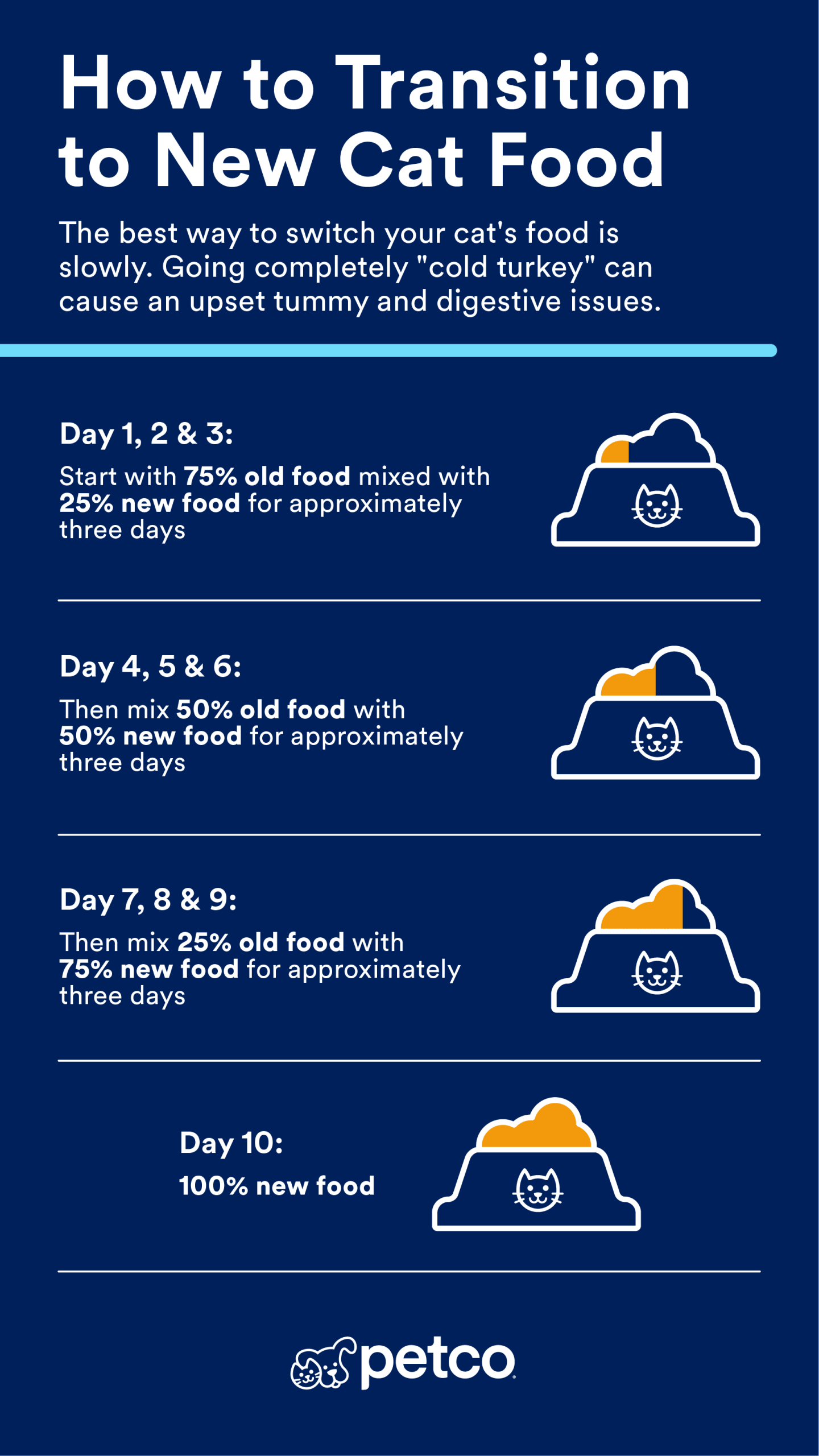
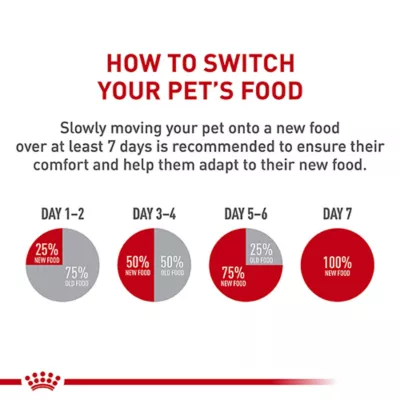
Gradual Transition Process Switching a cat from dry to wet food takes time. Start by mixing a small amount of wet food with their regular dry food. Gradually increase the wet food while decreasing the dry food over a week or two.
This helps their digestion and lets them adjust to the new taste and texture.
Switching your cat from dry to wet food can be a rewarding process, but it requires patience and a methodical approach. A sudden change in diet might upset your cat's digestive system, so taking things slow is key. The gradual transition process ensures your cat adapts comfortably, maintaining health and happiness.
Mixing Wet And Dry Food
Start by mixing a small amount of wet food with your cat's usual dry food. This familiarizes them with the new texture and taste without overwhelming them. Gradually increase the proportion of wet food over several days. A good starting ratio might be 80% dry and 20% wet food. Each day, increase the wet food slightly, observing how your cat reacts. If they seem hesitant, slow down and maintain the current ratio for a bit longer.
Adjusting Portion Sizes
As you introduce more wet food, you may need to adjust portion sizes. Wet food is generally more filling, so your cat might eat less volume compared to dry food. Monitor their weight and energy levels to ensure they are eating enough. You can use a measuring cup to keep track of the portions you're offering. This helps prevent overfeeding or underfeeding during the transition. Adjust according to your cat’s appetite and nutritional needs.
Monitoring Cat's Reaction
Keep a close eye on your cat’s behavior and digestion. Are they eating with enthusiasm or showing signs of discomfort? Changes in stool consistency or frequency can indicate how well they are adapting to the new food. Engage with your cat during feeding times to make the experience positive and enjoyable. If you notice any adverse reactions, such as vomiting or diarrhea, consult your veterinarian promptly. Your cat's well-being is the top priority during this transition. Have you ever noticed your cat being particularly finicky about changes? Understanding their preferences can make the switch smoother for both you and your feline friend.
Dealing With Picky Eaters
Transitioning your cat from dry to wet food requires patience and creativity. Start by mixing small amounts of wet food with their usual dry food. Gradually increase the wet food portion over days, making the change less noticeable and more acceptable to your feline friend.
Dealing with a picky eater can be a challenge, especially when transitioning your cat from dry to wet food. Each cat has its own unique preferences, making this a journey of patience and experimentation. But with some smart strategies, you can successfully encourage your feline friend to embrace their new diet.
Incorporating Treats And Flavors
Cats often respond well to the addition of familiar flavors. Try mixing a small amount of wet food with their favorite treat or a sprinkle of tuna juice. This not only piques their interest but also helps associate the new food with something they already love. Experiment with different flavors and textures of wet food. Some cats may prefer pâté, while others might enjoy a chunky style. Offering a variety can help you discover which type your cat prefers.
Creating A Feeding Routine
Establishing a consistent feeding routine can make the transition smoother. Feed your cat at the same times every day, and place their bowl in a quiet spot where they feel comfortable. Gradually reduce the amount of dry food while increasing the wet food portion. This slow change gives your cat time to adjust and can prevent any digestive issues.
Patience And Persistence
Patience is key when dealing with a picky eater. If your cat doesn't take to the new food immediately, don't be discouraged. Try offering the wet food during their hungriest times. Cats are more likely to try something new when they're feeling hungry. Remember, persistence pays off. Keep offering the wet food consistently, and over time, your cat is likely to adapt. Have you ever noticed how quickly your cat learns where you keep the treats? Use that same determination to help them switch to a healthier diet.
Recognizing Signs Of Success
Recognizing signs of success in switching your cat from dry to wet food involves observing their eating habits. A smooth transition often shows through increased hydration and energy levels. Keep an eye on their digestion and coat health for positive changes.
Switching your cat from dry to wet food can be a rewarding journey, but how do you know if it's working? Recognizing the signs of success is crucial to ensure your feline friend is benefiting from the change. These signs can be subtle, yet they speak volumes about your cat's health and well-being. Observing improvements in your cat's coat, energy levels, and digestive health can confirm you're on the right track. Let's dive into these indicators and what they mean for your furry companion's transition.
Improved Coat And Energy Levels
One of the first noticeable signs of a successful switch is a shinier, healthier coat. Wet food often contains more omega-3 and omega-6 fatty acids, essential for skin and fur health. If your cat's coat appears glossier and feels softer, it's a positive indicator. Energy levels often soar with the right nutrition. Pay attention to your cat's playfulness and overall activity. A jump in energy might mean your cat is benefiting from the increased moisture and protein found in wet food.
Better Digestive Health
Digestive health is another area where wet food can make a significant difference. Wet food can be easier on your cat's stomach, helping with regular bowel movements and reducing constipation. Look for consistent, healthy stools as a sign of improved digestion. Have you noticed fewer hairballs? This can also be a sign that the wet food is aiding in smoother digestion. Cats on a wet food diet often shed less fur, contributing to fewer hairballs. By observing these signs of success, you can rest assured that your cat's transition to wet food is beneficial. Have you noticed any changes in your cat after switching their food? Share your experiences and help others in the community understand these subtle yet significant improvements.
Common Challenges And Solutions
Switching a cat from dry to wet food can be tricky. Cats may resist new textures and flavors. Gradual transition helps. Mix wet food with dry, increasing wet food over time. Patience and consistency are key. Keep an eye on your cat's health and preferences.
Switching your cat from dry to wet food might seem like a simple task, but it can come with its own set of challenges. These challenges often surprise pet owners who assume their feline friend will eagerly lap up the new wet food. But, like humans, cats have their preferences and sensitivities, and sudden changes can be jarring. By understanding these common challenges, you can better prepare for a smooth transition and ensure your cat’s health and happiness.
Managing Sudden Dietary Changes
Cats can be creatures of habit, and a sudden change in diet can be unsettling for them. You might notice your cat refusing to eat or showing signs of stress. Start by mixing a small amount of wet food with their regular dry food. Gradually increase the wet food portion over a week or two. This slow transition helps your cat adjust to the new texture and flavor without causing digestive issues. Observe your cat's reaction closely during this period. If they seem reluctant, try warming the wet food slightly to enhance its aroma. A strong scent can often entice a hesitant eater.
Addressing Allergies And Sensitivities
Just like us, cats can have food allergies or sensitivities. Switching foods can sometimes reveal these issues. Watch for signs like itching, vomiting, or diarrhea. If you notice any of these symptoms, consult your veterinarian immediately. They can help determine if a specific ingredient is causing the problem. Consider trying a different protein source if your cat shows signs of allergies. Many wet foods come in a variety of proteins like chicken, beef, or fish. Experimenting with different options can help you find a suitable choice that your cat enjoys without adverse reactions. Have you ever switched your pet’s diet only to discover hidden allergies? It’s a reminder that patience and observation are key during dietary changes.

Credit: thelittlecarnivore.com
Frequently Asked Questions
How Long Does It Take A Cat To Adjust To Wet Food?
Cats usually take a few days to a week to adjust to wet food. Gradual introduction is key for success. Start by mixing small amounts of wet food with their current diet. Monitor their response and increase wet food gradually.
Consistency and patience help in the transition process.
Do Vets Recommend Dry Or Wet Cat Food?
Vets recommend both dry and wet cat food. It depends on individual cat needs. Wet food provides hydration, while dry food helps dental health. A balanced diet with both can be beneficial. Consult your vet for personalized advice based on your cat’s health and preferences.
What Is The 25 Rule For Cat Food?
The 25% rule for cat food means the named ingredient must comprise at least 25% of the product. This ensures transparency in labeling, helping pet owners choose food based on specific dietary needs. Understanding this rule aids in selecting the best nutrition for your cat.
How To Alternate Wet And Dry Cat Food?
Alternate wet and dry cat food by offering wet food in the morning and dry food in the evening. Ensure balance by maintaining consistent portions. Monitor your cat's preference and health. Gradually adjust if needed to prevent digestive issues. This routine provides variety and complete nutrition.
Conclusion
Switching your cat from dry to wet food takes patience. Start slowly, mixing both foods. Gradually increase the wet food portion. Watch your cat's response. Adjust based on preferences. Fresh water should always be available. Wet food helps hydration. Better digestion too.
Keep an eye on weight changes. Consult your vet if unsure. They'll provide guidance. A successful switch ensures your cat's health. Happy cat, happy you. Enjoy the journey.
