
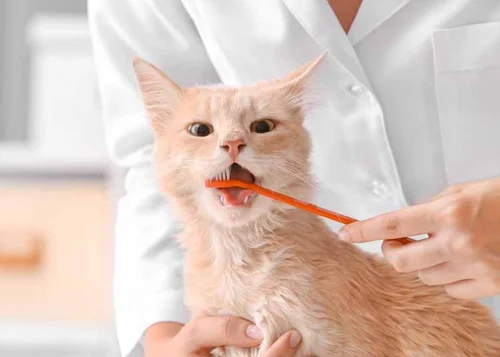
Do you ever wonder how to keep your cat's teeth clean? You might be brushing your own teeth twice a day, but what about your furry friend?
Dental hygiene is just as important for cats as it is for humans. Neglecting it can lead to serious health issues. That's why knowing what to brush your cat's teeth with is crucial. Imagine your cat free from the discomfort of dental problems, happily purring without a care.
You have the power to make that happen. This article will guide you through the best tools and techniques to ensure your cat's mouth stays healthy. You'll discover simple solutions that can transform your pet's dental care routine. So, keep reading to unlock the secrets to a happier, healthier cat. Your feline friend deserves the best, and you can deliver it with the right knowledge.
Importance Of Cat Dental Care
Cat dental care is often overlooked by pet owners. Yet, it is vital for a cat's overall health. Poor oral hygiene can lead to serious issues. These include gum disease and tooth loss. Cats can also develop infections that affect other organs. Regular dental care helps prevent these problems. It ensures your cat stays healthy and happy. Let's explore what you can use to brush your cat's teeth.
What To Use For Brushing
Special cat toothbrushes are available. They have soft bristles. These are gentle on your cat's gums. Finger brushes are also an option. They fit over your finger. This gives you more control.
Choosing The Right Toothpaste
Use toothpaste made for cats. Human toothpaste contains fluoride. This is harmful to cats. Cat toothpaste comes in flavors they enjoy. Chicken and fish are popular choices. These flavors make brushing easier.
Benefits Of Regular Brushing
Brushing your cat's teeth reduces plaque. It prevents tartar buildup. Regular brushing can freshen your cat's breath. It also helps avoid painful dental problems. Your cat will have better health overall.
Signs Of Dental Problems In Cats
Be alert to changes in your cat's behavior. Bad breath is a common sign. Difficulty eating or chewing is another. Drooling excessively can indicate an issue. If you notice these signs, consult your vet.

Credit: www.amazon.com
Choosing The Right Toothbrush
Choosing the right toothbrush for your cat is crucial for maintaining their dental health. Just like humans, cats benefit from regular brushing to prevent plaque buildup and dental diseases. But how do you decide which toothbrush is best for your feline friend? Consider your cat's temperament, the ease of use, and the effectiveness of different options. Let's explore some popular choices.
Finger Brushes
Finger brushes are a great starting point for cat owners. These small, soft brushes fit over your fingertip, allowing you to gently massage your cat's gums and teeth. They offer a close-up experience, letting you feel exactly where you're brushing. If your cat is skittish or new to brushing, a finger brush can help them adjust to the sensation without overwhelming them.
Long-handled Brushes
Long-handled brushes provide greater reach, especially useful for cats who are less cooperative. The extended handle allows you to brush your cat's teeth from a safe distance. These brushes often have angled heads, making it easier to reach those tricky back teeth. If your cat tends to nip or scratch, a long-handled brush might be your best ally.
Electric Toothbrushes
Electric toothbrushes might sound extravagant for a pet, but they can be remarkably effective. They offer vibration and rotation that manual brushes can't match, helping to dislodge stubborn plaque. However, the buzzing sound and sensation might be intimidating for some cats. Consider your cat's personality—are they curious or easily startled? An electric toothbrush could be a game-changer if they're open to new experiences.
Selecting Safe Toothpaste
Brushing your cat's teeth might not be an activity you look forward to, but it's crucial for their dental health. While the act itself might seem daunting, choosing the right toothpaste can make the process easier. The key is to select a toothpaste that's safe and appealing to your feline friend. Not all human toothpaste is suitable for cats, and using the wrong kind can lead to serious health issues. Let's delve into what makes a toothpaste safe and enjoyable for your cat.
Flavors Cats Enjoy
Just like humans, cats can be picky about flavors. The good news is that there are toothpastes specifically designed to appeal to their taste buds. Many cat toothpastes come in flavors like poultry, beef, or fish. These flavors can make the brushing process more enjoyable for your cat. Imagine your cat eagerly waiting for their daily dental treat! Choosing a flavor they love can transform tooth brushing from a chore into a bonding moment.
Ingredients To Avoid
Not all ingredients in human toothpaste are safe for cats. Fluoride, for instance, is toxic to cats and should be avoided. Xylitol, a common sweetener in human toothpaste, can also be harmful. Always check the label for these ingredients before purchasing. If you're unsure, consult your vet for recommendations. A safe toothpaste will ensure your cat's health while keeping their teeth in top condition.
Dental Wipes And Pads
Maintaining your cat's dental health is crucial for overall wellness. Dental wipes and pads offer a practical solution for cleaning your cat's teeth. These tools are designed to remove plaque and food particles with ease. They are a simple addition to your pet care routine. Let's explore the benefits and proper usage of dental wipes and pads.
Convenience And Effectiveness
Dental wipes are easy to use. They don't require rinsing or special equipment. Just grab a wipe and gently rub it on your cat's teeth. They are pre-moistened with solutions that help fight bacteria. This makes them effective in reducing plaque buildup. Most wipes are designed to be safe and gentle. They won't harm your cat's gums.
Pads often come with textures that enhance cleaning. These textures scrub away plaque efficiently. They can be used regularly to maintain oral hygiene. Using wipes or pads is quicker than brushing. This makes them ideal for busy cat owners.
Using Wipes Correctly
Start by getting your cat comfortable with the wipes. Let your cat sniff and explore them first. When your cat feels relaxed, gently hold their head. Use a wipe to clean the outer surface of the teeth. Focus on one area at a time. Move slowly to avoid startling your pet.
Repeat this process for all teeth. Be gentle around the gums. If your cat resists, try again later. Consistency will help in getting your cat used to the routine. Regular use can lead to better dental health. Always follow the instructions on the packaging.
Water Additives For Oral Health
Water additives for oral health can help maintain a cat's dental hygiene. These additives mix with drinking water, making oral care easy. They reduce plaque and tartar without brushing. Perfect for cats who resist traditional brushing.
Benefits Of Water Additives
Water additives offer several advantages for feline oral health. They are easy to use. Just add them to your cat's water bowl. They help reduce bad breath in cats. This makes cuddle time more pleasant. These additives also slow plaque buildup. This can prevent dental diseases. They are less stressful than brushing. Cats often dislike toothbrushes. Water additives are a gentle alternative. They can improve your cat's overall health. Healthy teeth mean a healthy body.
Choosing The Right Product
Selecting the right water additive is crucial. Check for natural ingredients. They are safer for your cat. Avoid additives with alcohol or artificial flavors. Look for products approved by veterinarians. This ensures quality and safety. Consider your cat's preferences. Some cats are picky about taste. Try different products to find what they like. Read reviews from other cat owners. Their experiences can guide your choice. Ensure the product is easy to use. Clear instructions make life simpler. A good choice supports your cat's dental health.

Credit: www.purina.com
Dental Treats And Chews
Choosing the right dental treats and chews helps keep your cat's teeth clean. Opt for products designed to reduce plaque and freshen breath. Look for options recommended by veterinarians for safe and effective oral care.
Cats, much like humans, require proper dental care to maintain their oral health. While brushing their teeth can be challenging, dental treats and chews provide a practical alternative. These specially designed products not only help clean your cat's teeth but also make the process enjoyable for them. Imagine giving your feline friend a treat that helps maintain their dental hygiene without the hassle of a toothbrush.
How They Help
Dental treats and chews work by reducing plaque and tartar buildup on your cat's teeth. The chewing action stimulates saliva production, which naturally washes away food particles and bacteria. Additionally, many dental treats are formulated with ingredients that promote oral health, ensuring your cat's breath stays fresh. Chews are designed to be abrasive, gently scraping away plaque as your cat gnaws on them. This mechanical action mirrors the effect of brushing, making it a beneficial addition to your cat's dental routine. You might find that incorporating these treats into your cat's diet can lead to noticeable improvements in their oral health.
Popular Options
There are several dental treats and chews available that cater to different preferences and dietary needs. Some popular options include:
- Greenies Feline Dental Treats:These treats are a favorite among many cat owners due to their palatable taste and effective dental cleaning properties.
- Feline Greenies SmartBites:These not only promote dental health but also support your cat's overall well-being with added vitamins and minerals.
- Virbac C.E.T. Enzymatic Oral Hygiene Chews:Formulated with enzymes that help break down plaque, these chews are both effective and delicious.
Choosing the right dental treat or chew depends on your cat's preferences and any dietary restrictions they may have. It's essential to try a few options to see which one your cat enjoys most. After all, a happy cat is more likely to engage with their dental care routine. Have you tried dental treats or chews for your cat? What has been your experience? Sharing your experiences can help other cat owners find the perfect solution for their furry friend's dental health.
Techniques For Brushing Cat's Teeth
Cat toothbrushes with soft bristles are gentle on gums. Pair with feline-friendly toothpaste for effective cleaning. Choose flavors cats enjoy, like poultry or seafood.
Brushing your cat's teeth is important for their health. Dental hygiene prevents plaque and tartar buildup. It reduces the risk of gum disease and other health issues. Learning the right techniques makes the process easier. It also ensures your cat's comfort and safety.
Getting Your Cat Comfortable
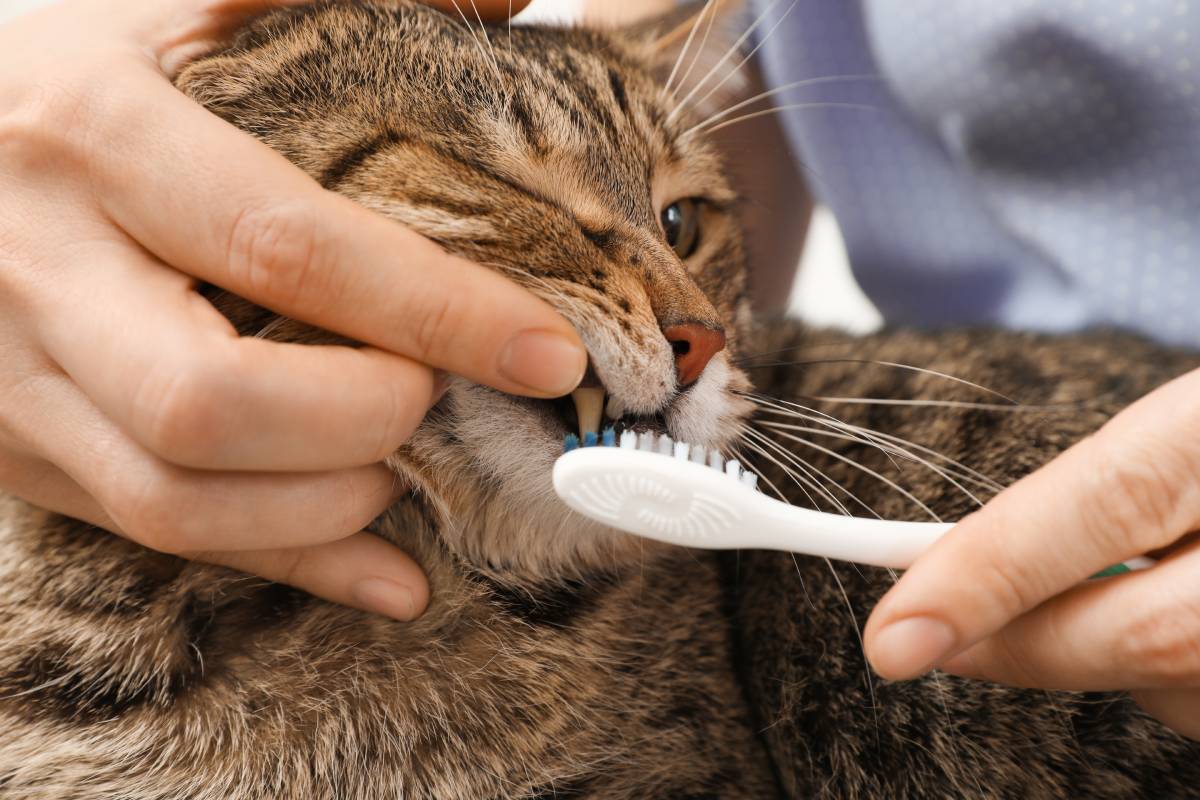
Begin by introducing the toothbrush and toothpaste. Let your cat sniff them. Use pet-safe toothpaste with a flavor they like. Gently rub your finger on their gums. This helps them adjust to the sensation. Reward them with praise or a treat. Keep sessions short and positive.
Step-by-step Brushing Guide
- Start by lifting your cat's lip gently.
- Angle the toothbrush at 45 degrees to the gum line.
- Use small, circular motions for brushing.
- Focus on the outer surfaces of the teeth.
- Keep the session short, around 30 seconds per side.
- Gradually increase the time as your cat gets used to it.
Consistency is key. Brush your cat's teeth regularly. Aim for several times a week. This routine helps maintain their oral health.
Frequency Of Brushing
Brushing your cat's teeth is crucial for their oral health. Regular cleaning can prevent tartar buildup and gum disease. But how often should you brush your cat’s teeth? The frequency of brushing is important. This decision can impact your cat's overall dental health.
Daily Vs Weekly
Daily brushing is the gold standard for cat dental care. It helps remove food particles and prevent plaque formation. Many cats resist daily brushing. In such cases, weekly brushing can be a compromise. Weekly brushing is better than not brushing at all. It still offers some protection against dental issues.
Signs You Need To Brush More
Bad breath is a common sign of dental problems. If your cat's breath smells worse than usual, brush more often. Check your cat's gums. Red or bleeding gums indicate inflammation. Plaque or tartar buildup is visible on their teeth. This could mean you need more frequent brushing sessions.
Regular brushing keeps your cat's teeth healthy. Adjust the frequency based on these signs. Your cat's dental health will benefit in the long run.
Professional Dental Cleaning
Professional dental cleaning for cats is not just a luxury; it's a necessity for maintaining your feline friend's oral health. While brushing at home is essential, sometimes your cat needs a little extra help from the experts. Imagine a world where your cat never suffers from dental pain or discomfort. That's what professional dental cleaning aims to achieve. But when should you take this step, and what does a visit to the vet entail?
When To Visit A Vet
Knowing when to schedule a professional dental cleaning can be tricky. Is your cat struggling with bad breath or bleeding gums? These are tell-tale signs that a vet visit is overdue. Regular check-ups are vital, but if you notice these symptoms, it's time to make an appointment.
Consider the age and breed of your cat. Some cats are more prone to dental issues than others. For older cats or specific breeds, a yearly dental check might be necessary. Consult with your vet to tailor a dental care schedule that fits your cat's unique needs.
What To Expect At The Vet
When you arrive at the vet, your cat will undergo a thorough oral examination. The vet will look for signs of plaque, tartar, and any other underlying issues. The process is usually quick, but the insights you gain can be invaluable for your cat’s health.
Professional cleaning involves removing plaque and tartar buildup that you can't tackle at home. The vet may use ultrasonic tools for this purpose. Don't worry, your cat will be under anesthesia to ensure comfort and safety. It's a small price for a lifetime of healthy smiles.
Finally, you'll receive advice on how to maintain your cat’s dental health moving forward. Listen carefully and ask questions. This is your chance to learn from the experts and ensure your cat’s teeth remain in tip-top shape.
Credit: weareallaboutcats.com
Frequently Asked Questions
What Can I Use To Brush My Cat's Teeth If I Don't Have Cat Toothpaste?
Use a soft-bristled toothbrush with plain water. Consider using baking soda or coconut oil in small amounts. Consult your vet for safe alternatives. Avoid human toothpaste, as it's harmful to cats. Regular brushing helps maintain your cat's dental health.
What Should I Brush Cats' Teeth With?
Use a cat-specific toothbrush and toothpaste. Human toothpaste can harm cats. Choose flavors like poultry or seafood for better acceptance. Regular brushing helps prevent dental issues and ensures oral health. Always consult your veterinarian for recommendations tailored to your cat's needs.
What Kind Of Toothpaste Can I Use On My Cat?
Use toothpaste specifically formulated for cats. Human toothpaste contains ingredients harmful to pets. Look for enzymatic toothpaste available at pet stores or online. Regular brushing helps maintain your cat's dental health, preventing plaque and tartar buildup. Always consult your veterinarian for recommendations tailored to your cat's needs.
Can I Brush My Cat's Teeth With Human Toothpaste?
No, do not use human toothpaste for cats. It contains fluoride and other ingredients harmful to cats. Use toothpaste specifically designed for cats to ensure their safety and health. Regular brushing with cat-safe products helps maintain their dental hygiene effectively.
Conclusion
Brushing your cat's teeth protects their health. Choose the right tools. A cat toothbrush and pet-friendly toothpaste work best. Regular brushing prevents plaque buildup. It also reduces the risk of gum disease. Start gradually to make your cat comfortable. Patience helps them adjust.
Healthy teeth lead to a happy cat. Consistent care is key to success. Your efforts pay off in the long run. Remember to consult your vet for advice. They can recommend products suitable for your cat. Good oral hygiene ensures your cat's long-lasting well-being.
Keep your furry friend smiling!
