
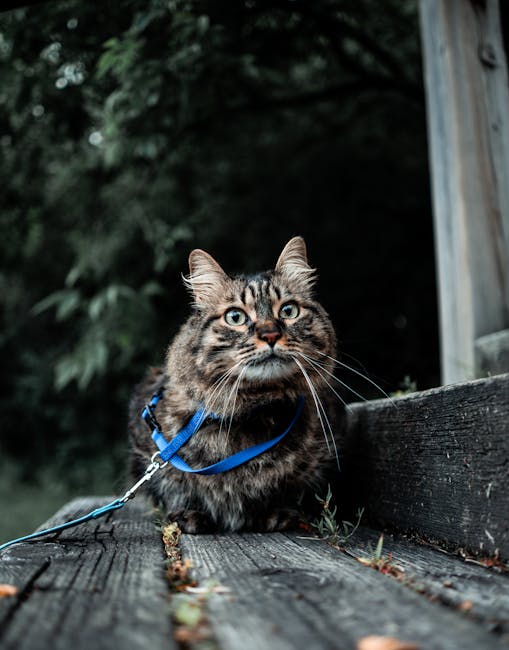
Imagine taking your cat on a walk through your favorite park, the neighborhood, or even a hiking trail. Sounds fun, right?
Training your cat to walk with a leash opens up a whole new world of exploration and bonding. You might think it’s impossible, but with the right approach, it’s completely doable. In this guide, you'll discover simple steps to help your feline friend adapt to the leash, making outdoor adventures enjoyable for both of you.
You'll learn the secrets to overcoming common challenges, ensuring that your cat feels comfortable and safe. Get ready to unlock a new level of companionship with your furry friend. Curious to find out how? Keep reading to transform your cat’s world and yours.
Choosing The Right Gear
Selecting the appropriate gear is crucial for training a cat to walk with a leash. Opt for a comfortable, well-fitted harness and a lightweight leash to ensure your cat feels secure and at ease.
Training a cat to walk with a leash can open up a new world of adventure for both you and your feline friend. However, success starts with choosing the right gear. The harness and leash are the fundamental elements that will ensure your cat's comfort and safety. Selecting the right ones can make the difference between a pleasant stroll and an escape artist scenario.
Selecting A Harness
A well-fitting harness is crucial for your cat's safety. Opt for a harness specifically designed for cats, not dogs, as they are crafted to fit feline anatomy better. Adjustable harnesses are ideal because they can be customized to your cat’s size, ensuring a snug but comfortable fit. Check for the harness's material. Soft, breathable fabrics will prevent irritation and allow your cat to move naturally. Many cat owners swear by the vest-style harnesses, which distribute pressure more evenly and can be more comfortable for your cat. Before purchasing, measure your cat’s chest and neck accurately. A harness that is too loose can lead to escapes, while a tight one can cause discomfort. Remember, a harness should allow you to fit two fingers between it and your cat’s body.
Picking A Suitable Leash
The leash is your connection to your cat, so it’s essential to choose wisely. Cat leashes are typically lighter and shorter than dog leashes, offering better control. A leash around 4 to 6 feet gives your cat enough freedom to explore without losing control. Consider the material of the leash. Nylon is durable and weather-resistant, but if you prefer something softer, a cotton leash can also be a good choice. You might want to avoid retractable leashes for beginners, as they can be difficult to manage and may encourage your cat to pull. Think about where you’ll be walking. If you’re in a busy area, a shorter leash might help you keep your cat close by. For quieter spaces, a longer leash can allow for more exploration. Always ensure the leash is securely attached to the harness before heading out. Choosing the right gear is the first step in making leash training a positive experience for your cat. With the right harness and leash, you’re setting up your feline friend for a fun and safe adventure outside. Ready to step out and explore the world together?
Credit: lifeandcats.com
Getting Your Cat Comfortable
Getting your cat comfortable with a leash involves patience and positive reinforcement. Start by letting your cat wear the harness indoors, gradually introducing the leash. Reward your cat with treats and praise, making each step enjoyable and stress-free.
Getting your cat comfortable with a leash might sound like a daunting task, but with patience and understanding, it's certainly achievable. Cats are naturally curious creatures, yet they can be wary of new experiences. The key is to slowly introduce the concept of walking on a leash, allowing your feline friend to adapt at their own pace. A comfortable and relaxed cat is more likely to enjoy their outdoor adventures. So, how do you start this journey? Let's break it down.
Introducing The Harness
Begin by selecting a harness that fits snugly but not too tight. Opt for one with adjustable straps and a soft fabric to ensure comfort. Allow your cat to sniff and explore the harness before attempting to put it on. Place the harness near your cat's favorite resting spot or feed them treats next to it. This creates positive associations. Once they're familiar with the harness, gently try putting it on. If they resist, take a break and try again later. Remember, patience is key. Your cat might initially feel like they're being wrapped in a foreign object. But with time, they'll get used to the sensation.
Familiarizing With The Leash
Once your cat is comfortable with the harness, it's time to introduce the leash. Let them inspect and play with it. You can even drag it around for them to chase. Attach the leash to the harness indoors, allowing them to roam freely with it trailing behind. This helps them understand the leash is part of their new adventure gear. Try gently guiding them with the leash, offering treats to encourage movement. If your cat shows resistance, don't force the issue. Take small steps, and let them lead the way. How does your cat react to the leash? Observing their behavior will help you tailor the training process to suit their comfort levels.
Training Indoors
Training a cat to walk with a leash can be a rewarding experience. Begin indoors, where your cat feels safe. Gradually introduce the harness, allowing your cat to get comfortable before attaching the leash.
Training your cat to walk with a leash can be rewarding. Starting indoors offers a safe environment for your cat. It helps them adjust without distractions. This phase builds confidence and strengthens your bond. Let's explore how to make indoor training effective and fun.
Practicing With The Harness
Introduce the harness slowly. Let your cat sniff and explore it. Place it near their favorite spot. Reward them with treats for curiosity. Once comfortable, gently put it on your cat. Ensure it fits snugly but not tight. Allow them to wear it for short periods. Gradually increase the time. Always praise and treat them for calm behavior. This helps them associate the harness with positive experiences.
Using The Leash Inside
Attach the leash to the harness indoors. Let your cat drag it around. This lets them get used to the feeling. Supervise them during this process. Praise your cat for staying calm. After they adjust, hold the leash lightly. Walk with them around the room. Gently guide them in different directions. Keep sessions short and positive. Use treats to reward cooperation. This sets a foundation for outdoor walks.
Building Confidence Outdoors
Training a cat to walk with a leash enhances outdoor confidence. Start with short indoor sessions using a comfortable harness. Gradually introduce outdoor environments, rewarding calm behavior to ease anxiety.
Taking your cat for a walk outdoors can be a rewarding experience. It allows your feline friend to explore new sights and smells while staying safe. Building confidence outdoors is essential for a successful adventure. Start slow and ensure your cat feels secure and comfortable. This gradual process will help your cat enjoy outdoor walks without fear.
Starting In A Safe Space
Begin your training in a familiar area like your backyard or a quiet room. This safe space helps your cat feel secure while wearing a leash. Let your cat explore this area freely. Encourage with gentle words and treats to create positive associations. Keep sessions short and pleasant to avoid overwhelming your cat. Consistency is key. Practice this routine several times until your cat feels comfortable.
Gradual Exposure To New Environments
Once your cat is at ease in a safe space, introduce new environments. Start with quieter areas like a garden or a calm park. Gradually expose your cat to different sights and sounds. Keep the leash loose and allow your cat to explore at its own pace. Always be patient and observant. If your cat seems stressed, return to a familiar space. Over time, your cat will gain confidence and curiosity to explore further.
Addressing Common Challenges
Training a cat to walk with a leash can be challenging. Cats may resist at first. Start indoors with short sessions, using gentle encouragement and treats.
Addressing Common Challenges Training a cat to walk with a leash can be tricky. Cats are independent creatures. They often resist new experiences. Understanding common challenges helps in navigating this journey smoothly. Let's explore how to handle resistance and distractions effectively.
Handling Resistance
Cats may resist wearing a harness initially. They may feel uncomfortable or restricted. Start by introducing the harness indoors. Let the cat sniff and explore it. Offer treats and positive reinforcement. Encourage them to associate the harness with good things. Once the cat is comfortable, try putting the harness on. Ensure it fits snugly but not too tight. Allow your cat to wear it for short periods. Gradually increase the time as they get used to it. Patience and consistency are key.
Dealing With Distractions
Cats are naturally curious. Outside, they can easily get distracted. Birds, cars, or even a rustling leaf can catch their attention. Start leash training in a quiet area. This helps minimize distractions. Use treats to maintain focus. Walk slowly and observe your cat's reactions. If they get distracted, gently guide them back with a treat. Positive reinforcement encourages them to stay on track. Keep sessions short and positive. This helps build their confidence. With time, your cat will learn to ignore minor distractions. Training becomes a fun and rewarding experience for both.

Credit: www.timescolonist.com
Maintaining A Positive Experience
Training a cat to walk with a leash requires patience and gentle encouragement. Start indoors, letting the cat get used to the harness. Gradually introduce the leash, offering treats and praise for positive behavior.
Training a cat to walk with a leash can be an exciting journey for both you and your feline friend. Maintaining a positive experience throughout the process is crucial to ensure your cat feels comfortable and eager to learn. A positive approach not only strengthens the bond between you and your cat but also makes the training process more enjoyable and effective.
Using Treats And Rewards
Cats respond well to positive reinforcement. Offering treats and rewards can significantly enhance the training experience. Every time your cat makes progress, reward them with their favorite treat or a bit of catnip. Don't forget to offer verbal praise along with the treats. A soft, encouraging voice can do wonders. Remember, the goal is to associate the leash with positive experiences. You might be surprised at how quickly your cat picks up new habits with the right motivation. Have you noticed how a simple treat can make your cat's eyes light up with excitement?
Ensuring Consistency
Consistency is key when training your cat to walk with a leash. Set a specific time each day for training sessions to build a routine. Cats thrive on predictability and will start to anticipate these sessions. Ensure your training environment remains the same. Familiar surroundings can help your cat feel secure and open to learning. Consistency in your commands and actions is just as important. Use the same phrases and gestures to avoid confusing your cat. Have you ever considered how much clearer things become with consistent effort?
Monitoring Health And Safety
Training a cat to walk with a leash ensures their safety outdoors. Begin with indoor practice to make them comfortable. Use gentle encouragement and patience to build their confidence.
Monitoring Health and Safety Training your cat to walk with a leash is an exciting journey, but it’s crucial to monitor their health and safety throughout the process. Just like us, cats have their unique personalities and comfort levels. Paying close attention to their well-being ensures a positive experience for both of you.
Checking For Signs Of Stress
Cats might not vocalize their discomfort as clearly as dogs do, but they have subtle ways of showing stress. Watch out for behaviors like excessive grooming, flattened ears, or a twitching tail. These could be signs that your feline friend is feeling overwhelmed. Take breaks if you notice any of these signs. A calm environment can help your cat feel more secure. Offer treats and affection to reassure them.
Ensuring Proper Fit Of Equipment
A well-fitted harness is crucial to ensure your cat’s safety and comfort. The harness should be snug but not too tight. You should be able to slide two fingers between the harness and your cat’s body. Before heading outdoors, let your cat wear the harness indoors for short periods. This helps them get accustomed to the sensation without the added stress of the outside world. Check the leash and harness for any signs of wear and tear. A secure fit prevents accidental escapes, keeping your adventurous feline safe on their explorations. By keeping these health and safety tips in mind, you’ll pave the way for many enjoyable walks with your cat. Have you ever noticed how a simple walk can transform your cat’s mood?

Credit: threechattycats.com
Frequently Asked Questions
Is It Hard To Train A Cat To Walk On A Leash?
Training a cat to walk on a leash requires patience and consistency. Start indoors, using positive reinforcement. Gradually introduce the leash and harness. Each cat is different; some adapt quickly, while others may take time. Ensure the experience is positive to help your cat feel comfortable.
What Age Can You Start Leash Training A Cat?
Start leash training a cat as early as 8 weeks old. Early training helps adapt them to the leash. Ensure the cat feels comfortable and safe during the process. Use positive reinforcement to encourage good behavior. Gradually increase the time and distance for best results.
Is It A Good Idea To Walk Your Cat On A Leash?
Walking your cat on a leash can be a good idea. It offers exercise and mental stimulation. Ensure your cat is comfortable with the harness. Supervise closely to keep them safe. Use positive reinforcement for a stress-free experience. Check local regulations before heading out.
How Do You Train A Cat To Go Outside And Come Back?
Train your cat by using treats and praise. Start with short supervised outdoor sessions. Gradually increase time outside, ensuring it's safe. Always call your cat back with a consistent cue. Use toys or food to encourage return. Ensure your cat feels secure and comfortable during outdoor exploration.
Conclusion
Training a cat to walk on a leash takes patience. Start slow. Respect your cat's pace and comfort. Use treats to encourage positive behavior. Practice indoors first. Gradually introduce outdoor walks. Always ensure the leash fits snugly. Keep sessions short and enjoyable.
Watch your cat's body language. Avoid busy areas initially. Build trust with consistent routines. Remember, every cat is unique. Some may adapt quickly. Others need more time. Celebrate small milestones. Leash walking can be a fun experience. Strengthens your bond with your furry friend.
Enjoy your adventures together!