
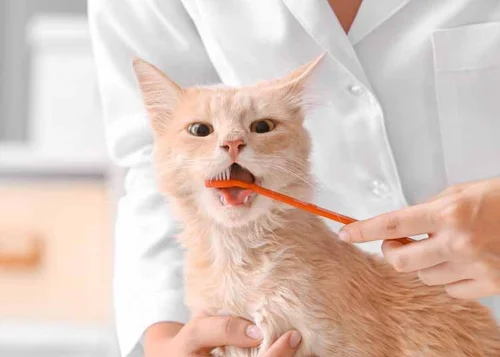
Do you often find yourself worried about your cat's dental health? You're not alone.
Many cat owners overlook the importance of brushing their cat's teeth, yet it's crucial for preventing dental diseases and ensuring your feline friend lives a healthy life. Imagine the peace of mind knowing your cat is happy, healthy, and free from painful dental issues.
This guide will show you how to make tooth brushing a simple, stress-free part of your routine. You’ll discover easy techniques to keep your kitty’s teeth clean and strong, and learn why starting this habit today can save you from expensive vet bills tomorrow. Keep reading to unlock the secrets to a happier, healthier cat!
:strip_icc()/brush-your-cats-teeth-4778262-hero-9b2c8ee454904454a195642ceaa5454e.jpg)
Credit: www.thesprucepets.com
Importance Of Dental Care For Cats
Cats need dental care to stay healthy. Many cat owners overlook this. Poor dental hygiene can lead to serious health problems. These issues might include gum disease or infections. Regular brushing can prevent such problems. It ensures your cat's teeth stay strong and clean. Dental care is vital for your cat's overall well-being.
Why Dental Health Matters For Cats
Healthy teeth help cats eat properly. They need strong teeth to chew food. Dental issues can cause pain and discomfort. Cats may avoid eating if their mouth hurts. This can lead to weight loss and other health issues.
Common Dental Problems In Cats
Cats can suffer from gingivitis. This is inflammation of the gums. Tartar buildup is another common issue. It can lead to more severe dental problems. Tooth decay and tooth loss are serious concerns. Regular dental care helps prevent these issues.
Signs Of Dental Issues In Cats
Look for signs like bad breath. Cats with dental problems may drool excessively. They might also paw at their mouth. Reluctance to eat or chew is a warning sign. Bleeding gums are another indicator.
Benefits Of Regular Dental Care
Regular brushing keeps your cat's mouth clean. It reduces the risk of dental diseases. Good oral hygiene can extend your cat's lifespan. It also ensures they remain pain-free and happy.
Choosing The Right Tools
Brushing your cat's teeth might seem daunting, but with the right tools, it becomes a simple task. Having the appropriate toothbrush and toothpaste makes all the difference in keeping your feline friend's mouth healthy and clean.
Cat Toothbrush Options
Finding the perfect toothbrush for your cat is crucial. You can opt for a regular cat toothbrush, which resembles a small, soft-bristled brush, ideal for gently cleaning their teeth.
Another option is a finger brush. These fit over your finger, giving you more control and allowing you to feel how your cat is responding to the brushing. Many find this type less intimidating for both them and their cats.
Some owners prefer dual-ended brushes, which have two different sizes to accommodate various mouth sizes. This versatility is perfect if you have more than one cat.
Safe Toothpaste For Cats
Don't reach for your toothpaste when brushing your cat's teeth. Human toothpaste is unsafe for cats due to ingredients like fluoride.
Instead, choose a toothpaste specifically made for cats. These are formulated with flavors cats love, such as poultry or fish, making the brushing experience more enjoyable.
Consider trying different flavors to see which one your cat prefers. It's a small investment that can make the routine smoother and more pleasant for both of you.
Ultimately, the right tools can transform tooth brushing from a chore into a bonding moment. Have you explored various toothbrush and toothpaste combinations yet? Your cat might surprise you with their preferences!
Preparing Your Cat
Introduce dental care to your cat by gently rubbing their teeth with a finger. Use pet-safe toothpaste and a soft brush for cleaning. Regular brushing helps prevent plaque and promotes oral health.
Preparing your cat for tooth brushing might seem daunting at first. But with patience and the right approach, it can become a smooth process. Cats are creatures of habit, and a little preparation goes a long way in ensuring their comfort and cooperation.
Creating A Calm Environment
Before you even think about brushing, focus on creating a peaceful space. Choose a quiet room where your cat feels secure. A familiar setting helps reduce anxiety and makes the experience more pleasant for both of you. Consider the lighting; soft, natural light is less stressful than harsh, artificial light. Keep a few of your cat's favorite toys or a comfy blanket nearby. These familiar items provide comfort and reassurance.
Getting Your Cat Comfortable
Start by gently touching your cat’s mouth and teeth. This helps them get used to the sensation. Aim for short, positive sessions that end with a treat or praise. Introduce the toothbrush and toothpaste gradually. Let your cat sniff and explore them before you start brushing. If your cat seems anxious, take a break and try again later. Patience is key; rushing can cause stress and setbacks. Have you ever noticed how cats love routine? Use this to your advantage by brushing at the same time each day. Consistency helps build a habit and makes the process predictable for your feline friend. How do you ensure your cat feels at ease during brushing? Share your tips in the comments below!
Credit: weareallaboutcats.com
Step-by-step Brushing Guide
Brushing your cat's teeth might seem daunting at first, but it's a crucial part of maintaining their health. A step-by-step brushing guide can transform this task from a chore into a bonding experience with your feline friend. Let's dive into the specifics that make brushing effective and manageable.
Proper Brushing Techniques
Start by getting your cat accustomed to the toothbrush and toothpaste. Use a soft-bristled brush designed for pets and toothpaste specifically made for cats—human toothpaste can be harmful. Let your cat sniff and explore these items before you begin.
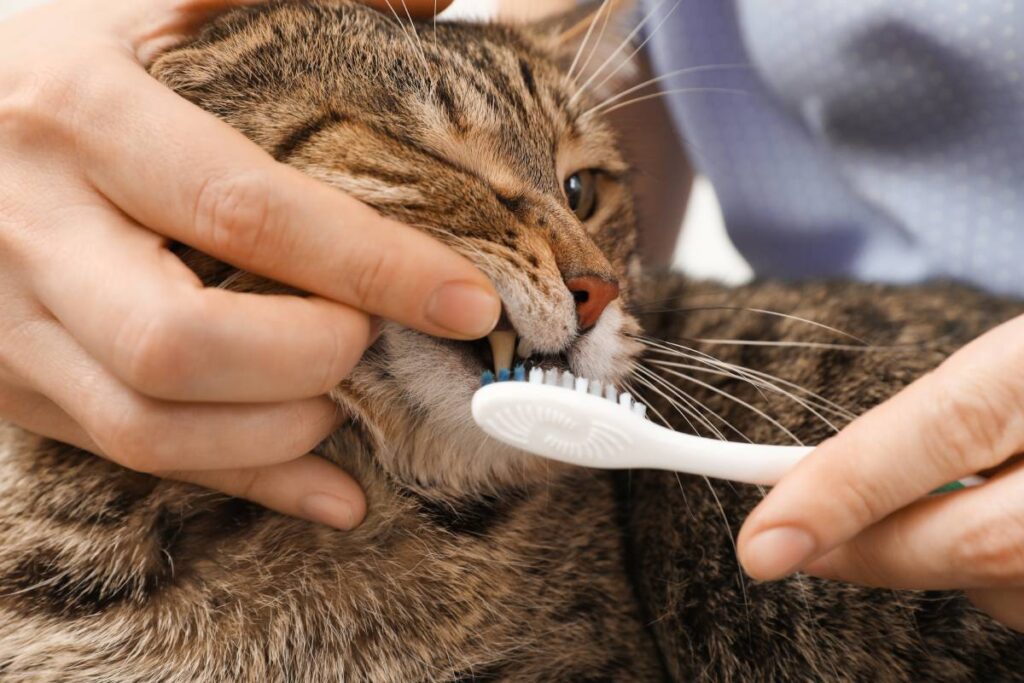
Once your cat is comfortable, gently lift their lips to expose their teeth. Focus on the gum line, where plaque builds up most quickly. Use small, circular motions, applying gentle pressure. It's okay if you don't brush every tooth perfectly at first. Consistency is key.
Don't rush the process. Begin with short sessions, gradually increasing the time as your cat gets used to it. Reward them with praise or a small treat afterwards to associate brushing with positive experiences.
Frequency And Duration
Consistency is essential for effective dental care. Aim to brush your cat's teeth at least two to three times a week. This frequency helps prevent plaque buildup and reduces the risk of dental disease.
Each brushing session should last about two minutes. This duration is enough to cover most of your cat's teeth without overwhelming them. If your cat becomes restless, break the session into shorter parts throughout the day.
Ever wondered how much easier brushing could be if your cat saw it as playtime? Make brushing a routine they look forward to. The results will not only benefit their oral health but also your relationship with them.
Overcoming Common Challenges
Brushing your cat's teeth is crucial for their overall health, but it can present some challenges. Whether your feline friend is squirmy or simply uninterested, overcoming these hurdles is key. Let's dive into practical tips to make this task a little easier and a lot more effective.
Handling A Resistant Cat
Is your cat acting like a furry Houdini every time you bring out the toothbrush? You're not alone. Many cats resist having their teeth brushed because it's unfamiliar and uncomfortable.
- Start by getting your cat used to the sensation. Let them sniff and taste the cat-friendly toothpaste.
- Try short sessions and gradually increase the time. Make sure to reward your cat with treats and praise.
- Consider brushing during a calm moment, like after a meal or playtime, to keep your cat relaxed.
Remember, patience is your best tool. Consistency helps build trust and familiarity over time.
Dealing With Behavioral Issues
Some cats may have deeper behavioral issues that make brushing a daunting task. Addressing these behaviors is important for their dental health.
- If your cat is anxious, create a calming environment. Use soothing words and gentle strokes to reassure them.
- For aggressive cats, a different approach may be needed. Try wrapping them in a towel, leaving their head exposed, to prevent scratches.
- Professional help might be necessary for persistent issues. Consult your vet for advice tailored to your cat's behavior.
What strategies have you found effective for easing your cat's brushing anxiety? Sometimes, a little creativity and experimentation can make all the difference.
Monitoring Dental Health
Monitoring your cat's dental health is crucial for their overall well-being. Regularly checking their teeth can prevent serious health issues. Cats can suffer from dental problems without obvious signs. Therefore, knowing what to watch for is essential.
Signs Of Dental Problems
Look for changes in your cat's eating habits. If they are reluctant to eat or chew, this could indicate discomfort. Bad breath is another red flag. While some odor is normal, a strong, foul smell is not. Examine their gums; healthy gums should be pink. Red or bleeding gums suggest issues. Notice any excessive drooling or pawing at their mouth. These behaviors can signal pain or discomfort.
When To Consult A Veterinarian
Consult a veterinarian if you notice any of these signs. Early intervention can prevent severe dental diseases. Regular check-ups are vital for your cat's dental health. A vet can professionally clean your cat's teeth and provide advice. They can also recommend the best dental products for your pet.
Additional Dental Care Tips
Brushing your cat's teeth is crucial, but it's only one part of a comprehensive dental care routine. There are additional steps you can take to ensure your feline friend's mouth stays healthy and clean. These practices can not only prevent dental disease but also improve your cat's overall well-being. Ready to add some variety to your cat's dental care regimen?
Incorporating Dental Treats
Dental treats are a fantastic way to promote oral health while treating your cat to something they love. These specially designed treats help reduce plaque and tartar build-up. They come in various flavors and textures, making them a delightful addition to your cat's diet. Check with your vet for recommendations on the best dental treats for your pet. Have you tried finding dental treats that your cat can't resist?
Regular Vet Check-ups
Regular vet check-ups are essential in maintaining your cat’s dental health. A vet can spot early signs of dental issues that you might miss. These visits are an opportunity for professional cleanings that can prevent serious dental diseases. Schedule these check-ups at least once a year, or more frequently if your vet recommends it. Do you have a regular schedule for your cat's vet visits?
Implementing these tips can significantly enhance your cat's dental care routine. So why not give them a try and see the difference it makes?

Credit: www.purina.com
Frequently Asked Questions
Are You Supposed To Brush Your Cat's Teeth?
Brushing your cat's teeth is recommended to maintain oral health. It helps prevent dental diseases and plaque buildup. Use a cat-specific toothbrush and toothpaste. Regular brushing can improve your cat's overall health. Start slowly to make your cat comfortable with the process.
What To Do If My Cat Won't Let Me Brush Her Teeth?
Try using dental treats or toys to clean your cat's teeth. Gradually introduce brushing with tasty toothpaste. Consult your vet for advice and alternatives. Patience and positive reinforcement can help your cat adjust to brushing.
How Do I Brush My Cat's Teeth At Home?
Use a cat toothbrush with pet toothpaste. Gently lift your cat's lips and brush in circular motions. Start slowly and gradually increase the brushing time. Reward your cat with treats to make the experience positive. Regular brushing helps prevent dental issues and maintains oral health.
How Can I Clean My Cat's Teeth Naturally?
Brush your cat's teeth using a cat-friendly toothbrush and toothpaste. Offer dental treats that reduce plaque. Provide raw bones or chew toys to help clean teeth naturally. Regular vet check-ups help maintain oral health. Ensure a balanced diet for strong teeth.
Conclusion
Brushing your cat's teeth keeps them healthy and happy. Regular brushing fights plaque and bad breath. Start slow and be gentle. Use a pet-safe toothpaste and brush. Your cat's comfort matters most. Reward them after each session. This builds trust and makes brushing easier.
Routine dental care prevents expensive vet visits. Keep your furry friend’s mouth clean. A little effort goes a long way. Healthy teeth lead to a happy cat. Try these tips and see the difference. Your cat will thank you with a purr.
Enjoy a stronger bond with your pet.
