
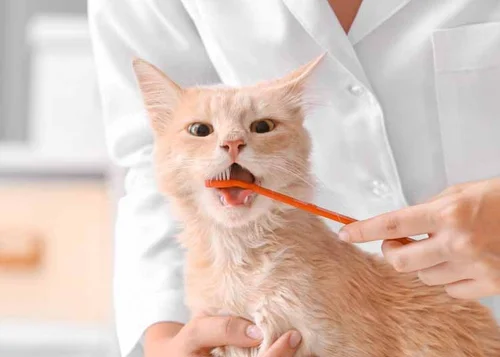
You love your cat and want the best for them, but how often do you think about their dental health? If you’ve ever wondered, “How often should I brush my cat’s teeth?” you’re not alone.
Dental care for cats is often overlooked, yet it's crucial for their overall health. Just like humans, cats can suffer from gum disease, plaque buildup, and other dental issues if their teeth aren't properly cared for. By the end of this article, you'll not only know how frequently you should be brushing your cat's teeth but also why it's so important for their well-being.
Imagine your furry friend being free from dental pain and having fresh breath every time they snuggle up to you. Dive into the details to ensure you're giving your cat the best care possible.
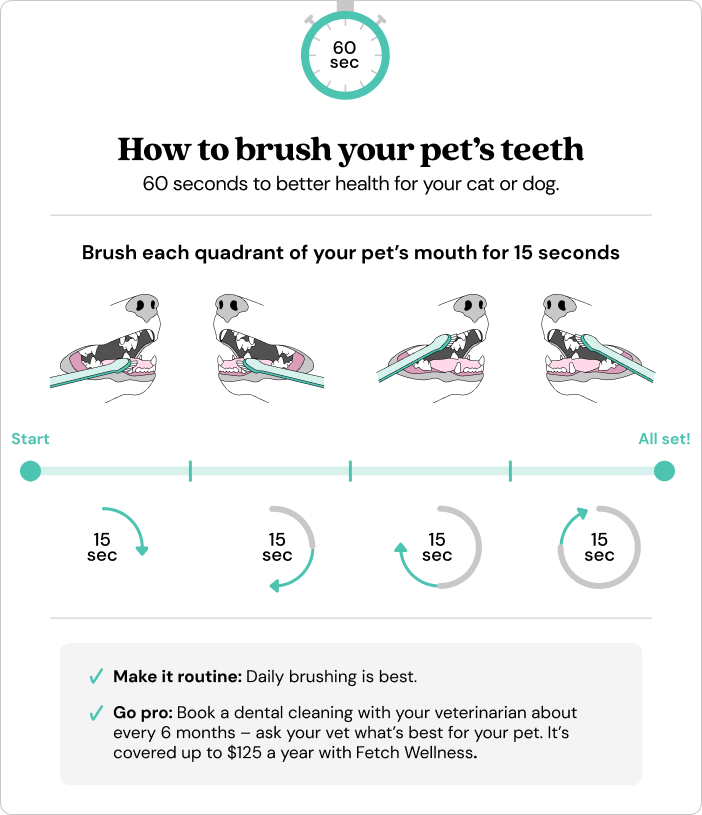
Credit: www.fetchpet.com
Importance Of Cat Dental Care
Cats need dental care just like humans. Proper dental care prevents diseases and pain. Cats with healthy teeth live happier lives. Regular brushing and dental check-ups are crucial. This routine can save your cat from discomfort and serious health issues.
Why Cat Dental Care Matters
Plaque and tartar build-up can lead to gum disease. Gum disease causes pain and tooth loss. Bacteria from the mouth can enter the bloodstream. This may affect the heart and other organs. Dental care helps prevent these problems.
Signs Of Dental Issues In Cats
Bad breath can be a sign of dental trouble. Drooling and difficulty eating are also common signs. You might notice your cat avoiding hard foods. Red or bleeding gums are serious indicators. Regular checks help catch these signs early.
Benefits Of Regular Brushing
Brushing reduces plaque and tartar build-up. It helps keep gums healthy and teeth strong. Regular brushing can prevent costly vet visits. Your cat will have fresher breath and better health. A quick brush can make a big difference.
Choosing The Right Toothbrush And Toothpaste
Use a toothbrush designed for cats. Human brushes can be too harsh. Cat toothbrushes are gentle and effective. Choose toothpaste made for cats. Human toothpaste can be harmful. Cat toothpaste often comes in flavors they like.
Making Brushing A Positive Experience
Start slowly and be patient. Let your cat sniff the brush first. Use treats to reward them after brushing. Make it a calm and positive time. Consistency will help your cat adjust. Soon, it will become a normal routine.
Frequency Of Brushing
Brushing your cat's teeth regularly helps maintain oral health. Aim for brushing two to three times a week. Consistent care prevents plaque buildup and ensures fresher breath.
The frequency of brushing your cat's teeth plays a vital role in their overall health. Regular brushing helps prevent plaque buildup and gum disease. Many cat owners wonder how often they should brush their cat's teeth. The answer depends on several factors, including your cat's age and diet.
How Often Should You Brush?
Cats benefit from daily brushing. It reduces the risk of dental problems. If daily brushing isn't possible, aim for at least three times a week. Consistency is key to keeping your cat's mouth healthy.
Consider Your Cat's Diet
Cats on wet food diets might need more frequent brushing. Wet food can stick to their teeth, increasing plaque buildup. Dry food can help scrape off some plaque but isn't enough alone.
Adjust For Your Cat's Age
Kittens may resist brushing at first. Start slow and gradually increase frequency. Older cats might have established dental issues. They might need more frequent care to prevent further problems.
Signs You Need To Brush More Often
Bad breath and red gums indicate poor dental health. If you notice these signs, increase brushing frequency. Regular checks help catch problems early. Regular brushing can prevent costly vet visits.
Consult Your Vet
Your vet can offer personalized advice based on your cat's needs. They can guide you on the ideal brushing schedule. Regular dental check-ups complement your home care routine.
Signs Of Dental Issues
Cats can suffer from dental issues that may not be obvious at first. Regular brushing helps, but knowing the signs of dental problems is crucial. Catching these issues early prevents pain and more serious health problems.
Common Symptoms Of Dental Problems
Cats with dental issues often show certain symptoms. Bad breath is a primary sign. Drooling more than usual can also indicate a problem. Cats might paw at their mouth or face, showing discomfort.
Changes In Eating Habits
Watch for changes in your cat's eating habits. They may eat less or only chew on one side. These changes can signal dental pain. Weight loss might follow due to eating less.
Visible Signs In The Mouth
Look inside your cat's mouth if possible. Red, swollen gums are a sign of gingivitis. Discolored teeth or tartar buildup might be visible. Loose or missing teeth are severe signs.
Behavioral Changes
Behavioral changes can indicate dental issues. Your cat might become irritable due to pain. Less grooming and increased hiding are also warning signs.
Consulting A Veterinarian
If you notice these signs, visit your vet. They can examine your cat's mouth thoroughly. Early intervention can prevent more serious health problems.
Choosing The Right Toothbrush
Choosing the right toothbrush for your cat is a crucial step in maintaining their dental health. You might wonder, does the toothbrush really make a difference? Absolutely! The right toothbrush not only makes the brushing process easier for you but also more comfortable for your feline friend. Let’s dive into how you can select the perfect toothbrush for your cat's needs.
Finding The Ideal Size
Size matters when it comes to cat toothbrushes. A toothbrush too large can cause discomfort and discourage your cat from cooperating. Opt for a small brush head designed specifically for pets. Alternatively, fingertip brushes can offer more control and ease, especially if your cat is a fidgety brusher.
Considering Bristle Type
Soft bristles are your best bet for gentle cleaning. Cats have sensitive gums, and harsh bristles can lead to irritation or even bleeding. Look for brushes with gentle, soft bristles to ensure a comfortable brushing experience for your pet.
Ease Of Use
The toothbrush design should allow you to reach all areas of your cat's mouth effortlessly. Some brushes come with angled heads to target hard-to-reach spots, ensuring a thorough clean. Consider your comfort and ease of use as well, especially if your cat tends to move around during brushing.
Durability And Quality
A well-made toothbrush can withstand regular use without losing its effectiveness. Look for brushes made from durable materials that won’t wear out quickly. A quality toothbrush will last longer and provide a more consistent brushing experience.
Have you ever tried brushing your cat's teeth only to end up in a battle of wills? Choosing the right toothbrush can make this task less daunting and more effective. By paying attention to these factors, you can ensure your cat’s dental hygiene is on point without a fuss.
Selecting Cat-friendly Toothpaste
Choosing the right toothpaste for your cat is crucial for their dental health. Brush your cat's teeth regularly, ideally a few times a week, using cat-friendly toothpaste. This helps prevent plaque buildup and ensures their gums stay healthy.
Selecting the right toothpaste for your cat is essential for their dental health. Cats have unique needs, and human toothpaste can be harmful to them. Choosing a cat-friendly toothpaste ensures safety and effectiveness.
Understanding Cat Toothpaste Ingredients
Cat toothpaste contains ingredients safe for feline consumption. Many are designed to appeal to a cat’s taste. Some common flavors include poultry, seafood, and beef. These flavors encourage acceptance and make brushing less stressful. Look for enzymatic toothpaste that helps break down plaque. Avoid toothpaste with fluoride or other harmful chemicals.
Benefits Of Enzymatic Toothpaste
Enzymatic toothpaste offers several benefits. It not only cleans but also breaks down bacteria. This type of toothpaste helps reduce plaque and tartar. It creates a healthier environment in your cat's mouth. Regular use can prevent dental diseases and bad breath.
Choosing The Right Flavor
Cats can be picky about flavors. Choosing a flavor your cat enjoys will make brushing easier. Test a few options to see which your cat prefers. Poultry and seafood are popular choices among cats. A pleasant flavor can turn brushing into a rewarding experience.
Consulting Your Veterinarian
Consulting with a veterinarian is advisable. They can suggest the best toothpaste for your cat's needs. A vet can also provide guidance on proper brushing techniques. This ensures your cat’s dental routine is effective. Regular check-ups help monitor your cat’s dental health.

Credit: www.purina.com
Step-by-step Brushing Guide
Brush your cat's teeth at least twice a week to maintain oral health. Use a cat-friendly toothbrush and toothpaste. Regular brushing helps prevent plaque buildup and keeps their gums healthy.
Brushing your cat's teeth might seem daunting, but with the right guidance, it can become a simple routine. Keeping your feline friend’s teeth clean is crucial for their overall health. This step-by-step guide will walk you through the process, making it easy and stress-free for both you and your cat.
Prepare Your Supplies
Before you start, gather everything you need. A cat toothbrush and special cat toothpaste are essential. Remember, human toothpaste is not safe for cats.
Get Your Cat Comfortable
Choose a calm and quiet spot where your cat feels relaxed. Let them sniff and explore the toothbrush to reduce their anxiety. Speak softly and offer gentle petting to keep them at ease.
Introduce The Toothpaste
Place a small amount of cat toothpaste on your finger and let your cat lick it. This helps them get used to the taste and texture. If they seem to enjoy it, that's a great sign!
Start With Gentle Touch
Begin by gently lifting your cat’s lip to expose their teeth. Use your finger to gently rub the toothpaste on their teeth and gums. This will familiarize them with the sensation.
Use The Toothbrush
Once your cat is comfortable, use the toothbrush. Hold it at a 45-degree angle to the teeth. Focus on the outer surfaces where plaque tends to build up.
Brush In Small Circles
Use small circular motions to brush their teeth. This method is effective in cleaning and is less intrusive for your cat. Be patient and take breaks if needed.
Reward And Praise
After brushing, reward your cat with a treat or extra cuddles. Positive reinforcement makes the process more enjoyable. They’ll associate brushing with positive experiences.
Establish A Routine
Aim to brush your cat's teeth a few times a week. Consistency is key to maintaining their dental health. The more you practice, the easier it becomes for both of you. By following these steps, you’ll ensure your cat’s dental health while strengthening your bond. What creative methods do you use to keep your cat calm during brushing? Share your tips in the comments!
Alternatives To Brushing
Exploring alternatives to brushing can help keep your cat's teeth healthy. Dental treats, oral sprays, and chew toys can support oral hygiene. Regular vet check-ups are also essential for maintaining your cat's dental health.
Brushing your cat's teeth might seem daunting, especially if your feline friend isn't fond of the toothbrush. Luckily, there are several alternatives that can help maintain your cat's dental health without the daily struggle. These options can be as effective and are often easier to implement into your routine. Let's dive into some practical alternatives to brushing your cat's teeth.
Dental Treats
Dental treats are a tasty way to improve your cat's oral hygiene. These treats are specifically designed to clean your cat's teeth and reduce tartar buildup as they chew. They can be an excellent option if your cat is resistant to brushing, and they often come in flavors that cats love. Next time you're at the pet store, consider grabbing a bag and see how your cat responds.
Dental Toys
Dental toys not only provide entertainment but also promote dental health. Many toys are designed with textures and grooves that help clean teeth and massage gums as your cat plays. Look for toys made of durable material that can withstand your cat's playful nature. Do you have a favorite dental toy that your cat can't resist?
Water Additives
Water additives are a simple way to support your cat's dental hygiene. These are added to your cat’s water bowl and work by reducing plaque and freshening breath. They are tasteless and odorless, so your cat is unlikely to notice the difference. Have you tried using water additives as a hassle-free alternative?
Dietary Adjustments
Some specially formulated cat foods can contribute to better dental health. These diets often have larger kibble that encourages chewing and mechanical cleaning of the teeth. Consult with your veterinarian to see if switching your cat's diet could benefit their dental care routine. What changes could you make to enhance your cat's dental diet?
Regular Vet Check-ups
Routine veterinary check-ups are crucial for catching any dental issues early. Your vet can perform professional cleanings and provide advice tailored to your cat's specific needs. Regular visits ensure that any underlying problems are addressed promptly, keeping your cat healthy and happy. How often do you schedule dental check-ups for your cat?
When To Consult A Veterinarian
Regular brushing is key for your cat's dental health. But sometimes, professional help is needed. Recognizing when to consult a veterinarian is crucial for your cat's well-being. Let's explore the signs that indicate a vet visit is necessary.
Signs Of Dental Problems
Watch for changes in your cat's eating habits. Difficulty chewing or dropping food can signal dental pain. Bad breath that doesn't improve with brushing may indicate infection. Swollen or bleeding gums are clear warning signs. These symptoms require professional attention.
Behavioral Changes
Unusual aggression or withdrawal could mean dental discomfort. Cats often hide pain, so behavior shifts are significant. If your cat avoids toys or play, dental issues might be the cause. Monitor these changes and consult your vet if they persist.
Regular Check-ups
Routine vet visits are essential for early detection. A vet can spot issues you might miss. Annual dental exams help maintain your cat's oral health. Your vet will recommend cleaning schedules based on your cat's needs.
Professional Cleaning
Sometimes brushing isn't enough. Professional cleanings remove tartar and plaque effectively. Your vet will perform a thorough cleaning under anesthesia. This process ensures your cat's teeth stay healthy and strong.
Consulting For Chronic Issues
If your cat has recurring dental problems, consult a vet. Chronic issues may need special care or treatment. Your vet can provide tailored advice and solutions. Don't wait if you suspect ongoing dental health problems.

Credit: www.discovermagazine.com
Frequently Asked Questions
Is It Okay If I Don't Brush My Cat's Teeth?
Neglecting to brush your cat's teeth can lead to dental issues like plaque, tartar, and gum disease. Regular brushing promotes oral health and prevents potential pain and infections. Consult your vet for dental care advice tailored to your cat's needs.
Prioritize dental hygiene to ensure your cat's well-being.
How Frequently Should You Brush Your Cat's Teeth?
Brush your cat's teeth daily to prevent plaque buildup and maintain oral health. Use cat-specific toothbrushes and toothpaste. Regular brushing helps avoid dental issues and keeps your pet's breath fresh. Gradually introduce brushing to make your cat comfortable with the routine.
Do Vets Recommend Brushing Cats' Teeth?
Vets do recommend brushing cats' teeth to prevent dental issues. Regular brushing helps maintain oral hygiene and reduce plaque buildup. Use cat-specific toothpaste and a soft brush. Start slowly to get your cat accustomed. Regular dental care can improve your cat’s overall health and prevent costly treatments.
How Often Should I Brush My Cat's Teeth?
Brushing your cat's teeth daily is ideal. It helps prevent plaque and tartar buildup. If daily brushing isn't possible, aim for at least three times a week. Regular brushing supports your cat's overall oral health. Always use cat-specific toothpaste and a soft-bristled toothbrush.
Conclusion
Brushing your cat's teeth is key for their health. Aim for daily brushing, if possible. This prevents plaque and tartar buildup. Keep it simple and gentle. Use a toothbrush made for cats. Pair it with cat-safe toothpaste. Start slowly to help your cat adjust.
Regular brushing keeps their mouth clean. It also reduces vet visits for dental issues. Small steps make a big difference. Your cat’s smile will thank you. Healthy teeth lead to a happy life. So, grab that brush today!
