
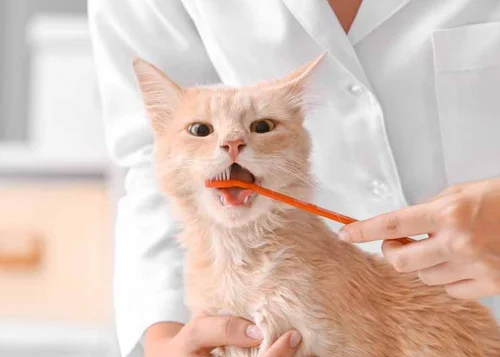
Have you ever wondered how often you should brush your cat's teeth? You might be surprised to learn that dental care is just as important for your feline friend as it is for you.
Imagine the discomfort of having plaque and tartar build-up in your own mouth. It's not a pleasant thought, right? Your cat feels the same way. Neglecting their dental hygiene could lead to serious health issues down the road. But don’t worry, you’re not alone in figuring this out.
You’ll discover simple tips and insights that will help you keep your cat’s teeth clean and healthy. Keep reading to learn how often you should brush your cat’s teeth and why it matters more than you might think.
Importance Of Cat Dental Hygiene
Cats need good dental hygiene for overall health. Poor dental care can lead to gum disease, tooth loss, and other health issues. Regular brushing keeps their teeth and gums healthy. It also prevents bad breath and reduces the risk of infections. Cats cannot clean their teeth themselves, so they rely on us for help. Let's explore why cat dental hygiene is important and how to maintain it effectively.
Why Cat Dental Hygiene Matters
Cat dental hygiene impacts their quality of life. Healthy teeth allow them to eat comfortably and enjoy meals. Dental problems can cause pain and discomfort. Ignoring their dental health may lead to costly vet visits. Regular brushing can prevent these problems.
Signs Of Dental Problems In Cats
Watch for signs of dental issues like bad breath or drooling. Cats with dental problems may also paw at their mouth. They might eat less or refuse food. Red or swollen gums can indicate gingivitis. Spotting these early can save your cat from pain.
Benefits Of Regular Teeth Brushing
Brushing removes plaque and reduces tartar buildup. It keeps your cat's mouth fresh and clean. Regular brushing also helps you notice any changes in their mouth. This can catch problems early. A clean mouth supports your cat's overall health.
How To Brush Your Cat's Teeth
- Use a cat-specific toothbrush and toothpaste.
- Introduce the toothbrush gently to your cat.
- Brush in small, circular motions.
- Start slowly and build up to longer sessions.
Creating A Dental Hygiene Routine
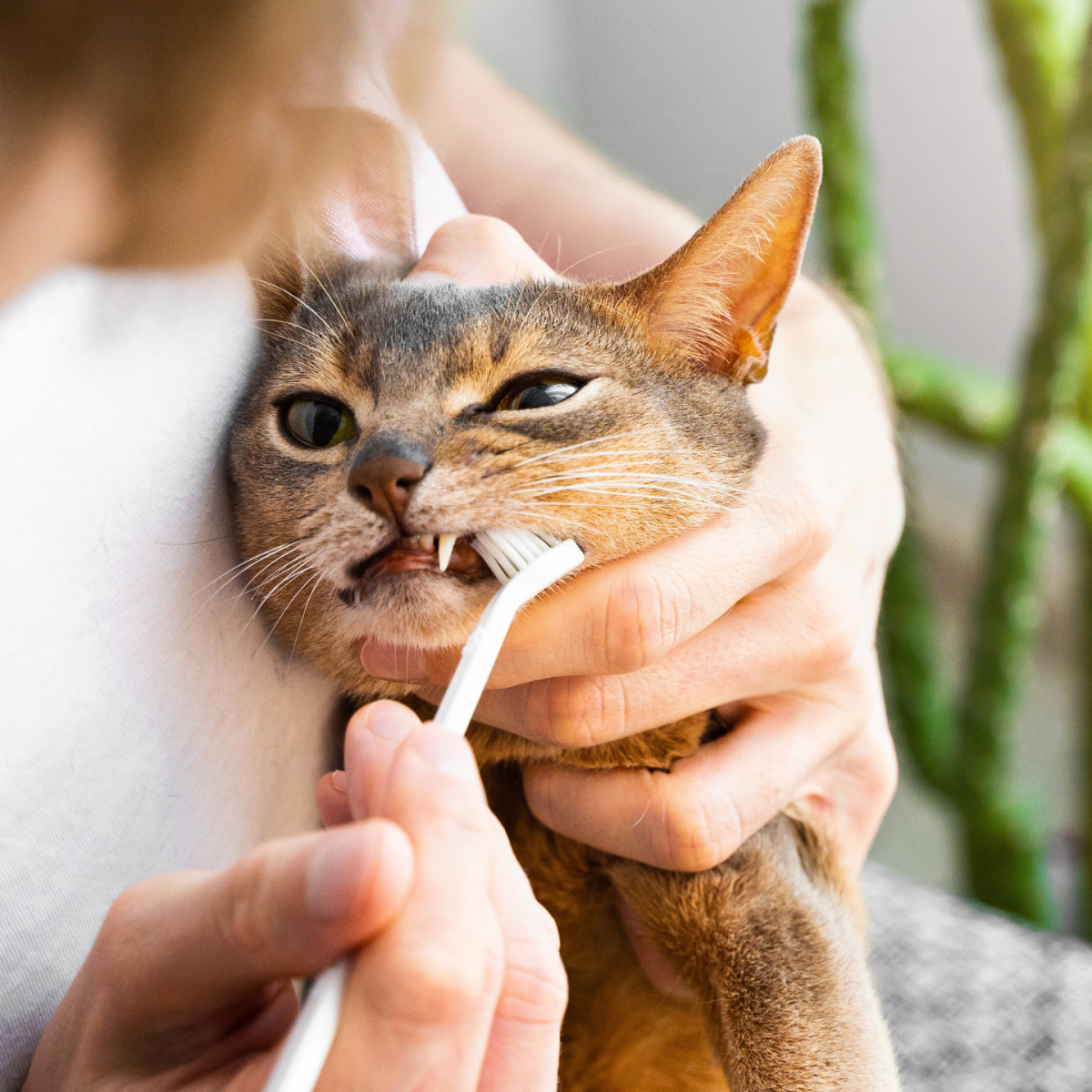
Establish a routine to make brushing a habit. Aim to brush their teeth several times a week. Consistency is key to maintaining dental health. Pair brushing with a rewarding experience, like a treat or playtime. This makes the process enjoyable for your cat.
Credit: paradepets.com
Ideal Brushing Frequency
Brushing your cat's teeth is a crucial aspect of their overall health. Just as you wouldn't skip brushing your own teeth, maintaining your cat's dental hygiene can prevent serious health issues. But how often should you be reaching for the feline toothbrush? This section explores the ideal brushing frequency to keep your cat's smile healthy and bright.
Understanding Your Cat's Dental Needs
Every cat is unique, and their dental needs can vary. Age, diet, and overall health play significant roles in determining how often you should brush their teeth. Kittens may require less frequent brushing compared to older cats who might need more attention.
Recommended Frequency For Brushing
Ideally, brushing your cat's teeth should be a daily routine. Daily brushing ensures that plaque doesn't have a chance to harden into tartar, which is much harder to remove. If daily brushing seems daunting, aim for at least three times a week.
Adjusting Based On Diet And Lifestyle
Cats on dry kibble diets may need more frequent brushing than those on wet food diets. Dry kibble can leave more residue on teeth, leading to quicker plaque buildup. Consider your cat's lifestyle and habits when setting your brushing schedule.
Signs You Might Need To Brush More Often
Look for signs like bad breath, red gums, or reluctance to eat. These could indicate that your cat's teeth need extra care. Regular inspections can help you decide if you need to increase brushing frequency.
Personal Experience: Finding The Balance
When I first started brushing my cat's teeth, I found daily brushing overwhelming. But after noticing fresher breath and healthier gums, the routine became rewarding. Finding a balance that suits both you and your cat is key.
Conclusion: Making Brushing Manageable
Think of brushing your cat's teeth as a bonding activity. Use positive reinforcement and treats to make the process enjoyable for both you and your pet. A little effort goes a long way in ensuring your cat's dental health.
Choosing The Right Tools
Choosing the right tools for brushing your cat's teeth is a crucial step in maintaining their oral health. The right tools can make the task easier and more effective, ensuring your feline friend gets the care they need. Let's dive into the essentials, focusing on cat-friendly toothpaste and the selection of a suitable brush.
Cat-friendly Toothpaste
Using toothpaste formulated specifically for cats is essential. Human toothpaste can be harmful to cats due to certain ingredients like fluoride. Cat-friendly toothpaste comes in flavors that appeal to cats, such as chicken or fish, making the brushing experience more enjoyable for them.
Have you ever tried to brush your cat's teeth only to be met with resistance? A flavorful toothpaste can turn this chore into a bonding activity. Always check labels for natural ingredients and consult your vet for recommendations.
Selecting A Suitable Brush
The choice of toothbrush can make all the difference. Cat toothbrushes are designed to fit their small mouths and come in various styles, including finger brushes and small-headed toothbrushes. Finger brushes allow you to feel the teeth and gums, offering greater control.
Consider the ease of use and comfort for both you and your cat. A soft-bristled brush is gentle on their gums, reducing any discomfort. It's worth experimenting with different types to see which your cat prefers. Have you found a brush that your cat doesn't mind? It might be the key to regular brushing sessions.
:strip_icc()/brush-your-cats-teeth-4778262-hero-9b2c8ee454904454a195642ceaa5454e.jpg)
Credit: www.thesprucepets.com
Step-by-step Brushing Guide
Regular brushing helps keep your cat's teeth and gums healthy. This step-by-step guide will make the process easy for both you and your furry friend. With patience and practice, brushing your cat's teeth can become a simple routine.
Preparing Your Cat
Start by choosing the right time. Pick a moment when your cat is relaxed. A calm environment helps. Use a cat-specific toothbrush and toothpaste. Human toothpaste is harmful. Get your cat familiar with the tools. Let them sniff and play with the toothbrush. Reward them with treats. This builds positive associations.
Proper Brushing Technique
Gently hold your cat. Position them in your lap or on a table. Lift their lips to expose the teeth. Move the toothbrush in small circles. Focus on the gum line. Brush a few teeth at a time. Gradually increase the number of teeth brushed. Stop if your cat becomes stressed. Always end with a treat and praise. Consistency is key for success.
Overcoming Common Challenges
Brushing your cat's teeth twice a week can prevent dental issues. Many cats resist, making it a common challenge. Gradual introduction of brushing can help ease the process.
Overcoming Common Challenges Caring for a cat’s dental health can be tricky. Many cat owners face challenges in brushing their pet's teeth. With patience, these obstacles can be overcome. Learning how to manage resistance and establish a routine is key.
Dealing With Resistance
Cats may resist teeth brushing. They often dislike having their mouths touched. Start slowly by letting your cat sniff the toothbrush. Use a small amount of cat toothpaste. Allow your cat to get used to the taste. Gradually introduce brushing by gently touching their teeth. Praise and reward your cat with treats.
Building A Routine
Consistency is important for dental care. Choose a quiet time each day for brushing. Make it a habit after feeding or playtime. Create a calm environment to reduce stress. Use a gentle voice and slow movements. Keep brushing sessions short. Regular practice helps your cat get comfortable. Stick to the routine for better dental health.
Signs Of Dental Problems
Understanding the signs of dental problems in cats is crucial. Cats often hide their pain, making dental issues hard to detect. Regularly checking your cat’s mouth helps spot problems early. Awareness of these signs ensures your feline friend stays healthy and happy.
Recognizing Symptoms
Look for specific symptoms to identify dental issues. One common sign is bad breath, which might indicate gum disease or tooth decay. Drooling more than usual can also signal a problem. If your cat shows discomfort while eating, it might have dental pain. Watch for red or swollen gums as well. These symptoms suggest inflammation or infection. Notice any loose or missing teeth? That’s another sign of dental trouble.
When To Visit A Vet
Schedule a vet visit if you notice any of these symptoms. Early detection prevents more serious health issues. A vet can provide a thorough dental examination. They may perform a professional cleaning if needed. Regular check-ups maintain your cat’s oral health. Don't wait for symptoms to worsen. Proactive care is key for your pet’s well-being.
Additional Dental Care Tips
Keeping your cat’s teeth clean is essential, but brushing isn't the only way to ensure good dental health. There are several additional tips you can follow to maintain your feline friend's oral hygiene. Let's dive into these practical strategies that can complement regular brushing and ensure your cat's teeth stay healthy.
Dietary Considerations
Your cat's diet plays a crucial role in dental health. Dry food can help scrape away plaque as your cat chews, acting like a natural toothbrush. However, some cats may benefit from specially formulated dental diets that are designed to reduce tartar and plaque buildup. Check with your vet to see if switching to a dental diet could be beneficial for your pet.
In addition to dry food, consider adding raw bones or dental chews to your cat’s diet. These can provide essential nutrients while also helping to clean their teeth. Make sure they are the right size and shape to avoid choking hazards.
Dental Toys And Treats
Dental toys are not just fun for your cat, they can also aid in cleaning their teeth. Toys that are designed to be chewed can help remove plaque and massage gums, promoting overall oral health. Look for toys with textures that encourage chewing.
Treats are another tasty way to support dental health. Opt for treats specifically designed to reduce plaque and tartar. They can be a delightful addition to your cat’s routine and make dental care more enjoyable.
Have you ever noticed how your cat loves to chew on certain toys? This behavior can be harnessed to improve their dental health. So, consider investing in a few dental-friendly options that will satisfy their curiosity and keep their teeth clean.

Credit: www.instagram.com
Frequently Asked Questions
Is It Okay To Not Brush Your Cat's Teeth?
Brushing your cat's teeth is important for their dental health. Neglecting it can lead to plaque buildup and gum disease. Regular dental care prevents issues and keeps your cat's mouth healthy. Use cat-friendly toothbrushes and toothpaste for effective cleaning. Consult a vet for guidance on maintaining your cat's oral hygiene.
How Often Do I Need To Brush My Cat's Teeth?
Brush your cat's teeth daily to maintain optimal dental health. Regular brushing prevents plaque and tartar buildup. Use cat-specific toothpaste and a soft-bristled brush. If daily brushing is challenging, aim for at least a few times a week. Consistent dental care reduces the risk of gum disease and bad breath.
Is It Necessary To Clean A Cat's Teeth?
Cleaning a cat's teeth is essential for maintaining oral health. Regular dental care prevents plaque buildup and gum disease. Use cat-friendly toothpaste and brushes. Incorporate dental treats or toys to promote healthy teeth. Consult a vet for professional cleanings to ensure your cat's teeth remain strong and healthy.
Do Vets Recommend Brushing Cats' Teeth?
Yes, vets recommend brushing cats' teeth. It helps prevent dental disease and maintains oral health. Use cat-specific toothpaste and a soft brush. Start slowly to let your cat get used to the process. Regular dental check-ups with the vet are also important.
Conclusion
Brushing your cat's teeth regularly supports their overall health. It prevents plaque and tartar buildup. Start with short sessions to make your cat comfortable. Aim for brushing a few times each week. Use a toothbrush and toothpaste designed for cats.
Gradually, your cat will get used to this routine. Regular dental care reduces the risk of dental diseases. It also helps your cat live a healthier life. Remember, patience is key. Your efforts ensure your cat stays happy and healthy.
A little time spent now saves potential problems later. Keep your furry friend smiling and healthy.
