

Are you ready to turn your feline friend into a well-behaved companion? Training a cat might seem like a daunting task, but it is entirely possible with the right techniques and a little patience.
Imagine having a cat that responds to your commands, uses the litter box perfectly, and even performs tricks! The secret lies in understanding how cats think and what motivates them. You'll discover effective strategies to train your cat, making your life easier and your home more harmonious.
Get ready to unleash the hidden potential in your furry friend, and watch as your bond grows stronger than ever. Dive in to learn how you can start training your cat today!
:strip_icc()/spruce-pets-cat-clicker-training-5594c453bd7f499aa8e7cf756d485afc.png)
Credit: www.thesprucepets.com
Choosing The Right Training Techniques
Training a cat involves using positive reinforcement techniques. Reward good behavior with treats or affection. Consistency and patience are key to success.
Choosing the right training techniques for your cat is essential. Cats are unique creatures, and their training requires patience and understanding. Selecting effective methods can make a difference. It helps in building a strong bond with your feline friend. Below are some techniques that can guide you.
Positive Reinforcement Methods
Positive reinforcement is a gentle and effective way to train cats. It involves rewarding your cat for good behavior. This could be with treats, toys, or affection. Cats love treats. Use their favorite snacks to motivate them. Always reward immediately after the desired behavior. This helps them associate the action with the reward. Consistency is key. Ensure that you reward your cat every time they perform the desired behavior.
Clicker Training Basics
Clicker training is another popular method for cat training. It uses a small device that makes a clicking sound. First, associate the click with a treat. Click and then give your cat a treat. Do this several times. Once your cat understands, use the clicker during training. Click when your cat performs the desired action. This sound acts as a marker. It tells your cat they did something right. Keep sessions short to maintain their interest.
Understanding Cat Behavior
Understanding cat behavior is crucial for successful training. Cats are not small dogs. They have their own way of thinking. Observe your cat's body language. Notice when they are relaxed or tense. This can guide you in knowing when to train. Pay attention to their natural habits. Use their instincts to guide training. For example, cats love to climb. Use this to teach them tricks involving climbing. Understanding their nature makes training enjoyable for both of you.
Creating A Cat-friendly Environment
Creating a Cat-Friendly Environment Train your cat by using positive reinforcement like treats and praise. Provide engaging toys to stimulate their curiosity. Establish a consistent routine to help them feel secure and comfortable.
Creating a Cat-Friendly Environment Cats thrive in spaces that cater to their instincts. A cat-friendly environment makes training easier. It encourages learning and reduces stress. When your cat feels comfortable, it's more receptive to new behaviors. Creating such a space involves understanding their needs. It requires setting up areas that promote safety and comfort.
Safe Spaces For Learning
Cats need secure areas to feel confident. Designate a quiet room for training sessions. Ensure it's free from loud noises and distractions. Provide cozy spots like soft beds or blankets. Cats enjoy lounging in warm, snug places. High perches give them a sense of security. They love to observe from above. Shelves or cat trees can serve this purpose.
Essential Training Tools
Choose tools that are gentle and effective. Clickers are popular for signaling correct behavior. Treats motivate cats to follow commands. Use small, tasty rewards for quick results. Toys can make learning fun. Interactive toys keep them engaged during training. Laser pointers can guide their attention. Remember, the tools should never scare or overwhelm them.
Teaching Basic Commands
Training a cat involves patience and consistency. Use treats and praise to teach basic commands like "sit" and "come. " Repeat these steps regularly to reinforce learning and encourage your cat's responsiveness.
Teaching your cat basic commands might seem like a daunting task, but it's a rewarding way to bond with your feline friend. Cats are often seen as independent creatures, but they can be trained to respond to commands just like dogs. The key is patience, consistency, and understanding your cat’s unique personality. Let’s dive into two fundamental commands that can enhance your interaction with your cat.
Sit And Stay
Training your cat to sit and stay can be incredibly useful, especially when you need them to be calm. Start by holding a treat above your cat's head and slowly move it towards their tail. As your cat follows the treat with their eyes, their bottom will naturally lower to the ground. Once they sit, reward them immediately with the treat and plenty of praise. Repeat this several times until your cat sits consistently when you hold the treat in this position. Gradually introduce the command "sit" as they perform the action. To teach "stay," once your cat is sitting, hold your hand up like a stop sign and say "stay." Take a step back, and if your cat remains seated, reward them with a treat. Increase the distance gradually, always rewarding your cat for staying put.
Come When Called
Teaching your cat to come when called is not just convenient; it can be a lifesaver in emergencies. Begin by choosing a specific word or phrase like "here kitty" or their name. Use this command whenever you offer them a treat or their favorite food. Make sure you use a positive and consistent tone. Over time, your cat will associate the command with something positive and will start coming to you even without treats. Practice in different rooms and gradually add distractions to strengthen the command. Remember, training should be a fun experience for both you and your cat. Keep sessions short and always end on a positive note. What basic command will you teach your cat first?
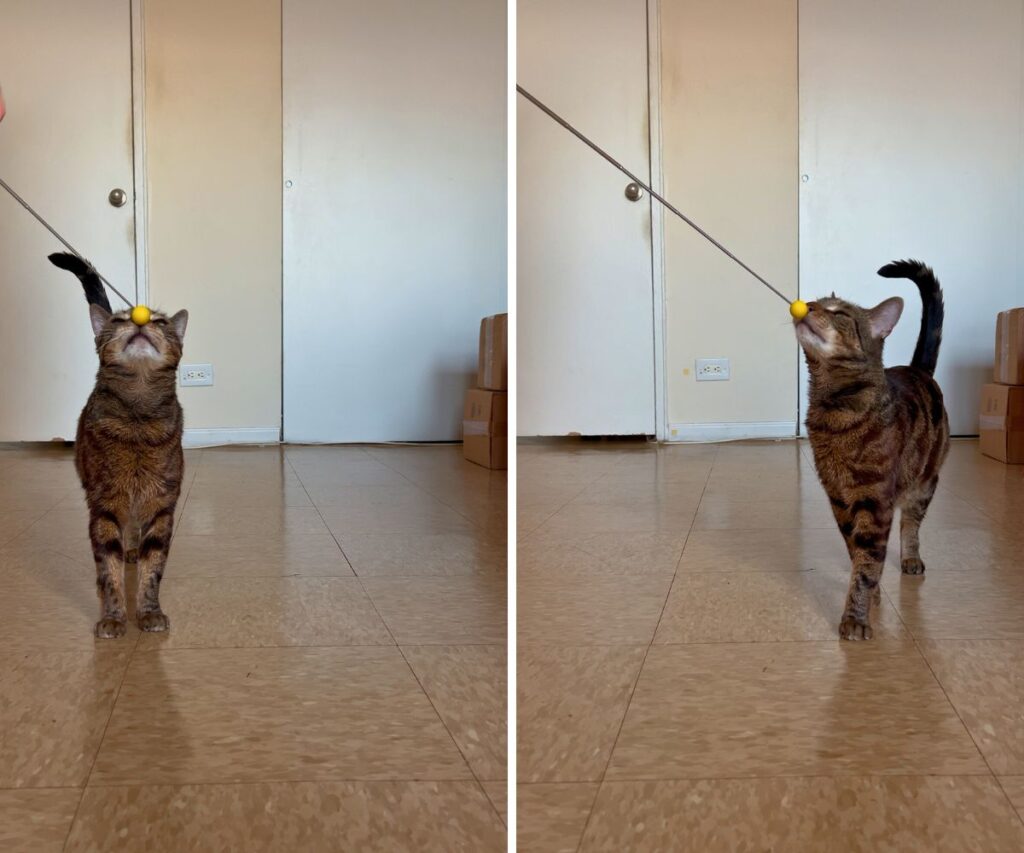
Credit: caticles.com
Addressing Behavioral Issues
Training a cat can be challenging, especially when dealing with behavioral issues. These issues can range from scratching to aggression. Understanding your cat's behavior is key to effective training. It helps build a stronger bond between you and your feline friend.
Dealing With Scratching
Cats scratch instinctively to mark territory and keep their claws sharp. Redirect this behavior to acceptable objects like scratching posts. Choose sturdy posts covered in rough material. Place them near areas your cat prefers to scratch. Reward your cat when it uses the post. Consider using deterrents like double-sided tape on furniture. This discourages unwanted scratching.
Regularly trim your cat's claws to minimize damage. Use cat-friendly nail clippers for safe trimming. Be gentle and patient during the process. Short claws reduce furniture damage and keep your home safe.
Managing Aggression
Aggression in cats can stem from fear or overstimulation. Recognize the triggers that lead to aggression. Provide a calm environment to reduce stress. Offer hiding spots where your cat feels safe. Use toys to distract and engage your cat. Interactive play helps in reducing aggressive tendencies.
Don't use punishment to control aggression. It can worsen the behavior. Instead, reward calm behavior with treats. Positive reinforcement encourages gentle interactions. Consult a veterinarian if aggression persists. They can offer advice or recommend a behavior specialist.
Advanced Training Tricks
Training a cat involves patience and understanding their unique behaviors. Use positive reinforcement, like treats, to encourage desired actions. Consistent practice and gentle encouragement help cats learn tricks over time.
Training a cat might sound like a whimsical task, but with the right techniques, you can teach your feline friend some impressive tricks. Advanced training not only strengthens your bond but also keeps your cat mentally stimulated and physically active. Whether you're taking your cat on outdoor adventures or engaging them in fun exercises at home, there's always room for learning and growth.
Leash Training Techniques
Leash training can open up a world of exploration for your indoor cat, allowing safe outdoor experiences. Start by introducing the harness indoors, letting your cat sniff and inspect it. Gradually, place it on your cat without fastening it, rewarding them with treats and affection. Once your cat is comfortable, fasten the harness and let them walk around the house. Practice patience and ensure the experience remains positive. As your cat becomes accustomed, attach the leash and gently guide them. Always allow your cat to lead the way, making the stroll enjoyable.
Agility Exercises
Agility exercises are fantastic for keeping your cat engaged and fit. Set up a simple obstacle course using household items like boxes, tunnels, and poles. Encourage your cat to navigate through it using toys or treats as motivation. You might be surprised by how quickly your cat adapts and learns. Start with basic jumps and gradually introduce more complex challenges like weaving through poles. Celebrate small victories with praise and snacks, reinforcing positive behavior. Have you ever considered how these exercises could boost your cat's confidence? Engaging in agility training not only satisfies their curiosity but also enhances their problem-solving skills. Keep sessions short and fun, ensuring your cat looks forward to each new adventure.

Credit: www.brindlepets.ca
Maintaining Consistency And Patience
Training a cat might sound like a daunting task, but maintaining consistency and patience can make the journey rewarding for both you and your feline friend. Cats are independent creatures, and unlike dogs, they don't respond to commands in the same way. Yet, with the right approach, you can teach your cat new behaviors and even tricks. The key lies in being consistent with your training methods and exercising patience as your cat learns at its own pace.
Setting Training Schedules
Start by establishing a regular training schedule. Cats thrive on routine, and setting aside specific times for training can help them anticipate and enjoy these sessions. Whether it's right after their meal or before bedtime, find a time that works best for both you and your cat. Keep these sessions short—about five to ten minutes. This helps maintain your cat's interest and prevents them from feeling overwhelmed.
Consistency in timing will also reinforce the training habits. If you make training a daily or weekly ritual, your cat will begin to see it as part of their routine. Consistency doesn't just apply to timing; it also means using the same commands, gestures, and rewards. Over time, your cat will learn to associate these signals with specific actions.
Handling Setbacks
Every training journey comes with its setbacks. Sometimes your cat might seem uninterested or stubborn. In such cases, it's crucial to remain patient. Avoid showing frustration as cats can sense your mood and might become anxious. Instead, take a break and try again later. Consider what might be causing the setback—could the environment be too distracting, or is your cat feeling unwell?
Re-evaluate your approach if progress stalls. Are the rewards enticing enough? Are you using the right tone? Adjusting your strategy might be all that's needed to get back on track. Remember, setbacks are a natural part of the learning process. What can you learn from each challenge that can enhance your training methods?
Frequently Asked Questions
Is It Easy To Train A Cat?
Training a cat can be challenging due to their independent nature. Use positive reinforcement techniques like treats and praise. Patience and consistency are key to success. Focus on simple commands and rewarding good behavior. With time, cats can learn basic tricks and habits.
How Do You Teach A Cat No?
Use a firm voice to say "No" when your cat misbehaves. Redirect attention to a toy. Consistently repeat this process. Reward positive behavior with treats or affection. Patience is essential for effective training.
How Do You Discipline A Cat To Train?
Use positive reinforcement, like treats or praise, to encourage desired behavior. Establish clear boundaries and be consistent. Avoid punishment, as it can cause stress. Redirect unwanted actions and reward good behavior promptly. Keep training sessions short and engaging.
How Do You Train An Indoor Cat?
Train an indoor cat by using positive reinforcement with treats and praise. Establish a consistent routine for feeding and playtime. Provide engaging toys and scratching posts to stimulate instincts. Use a clicker for effective communication and gradually introduce commands like "sit" or "come.
" Patience and consistency are key.
Conclusion
Training a cat requires patience and consistency. Start with simple commands. Reward your cat with treats. Use toys to make learning fun. Keep sessions short to avoid stress. Cats respond to kindness. Speak softly and calmly. Avoid punishment; it can harm trust.
Every cat learns differently. Some take longer than others. Celebrate small successes. Gradual progress is key. Building a bond is important. Training strengthens your relationship. Enjoy the journey together. Watch your cat grow and learn. A well-trained cat is happier and more secure.
Remember, your effort pays off.