
If you’re searching for service cat training near me, you’re likely looking for a low-stress, effective way to teach your cat to perform specific tasks that support your disability needs. Unlike emotional support animals, which provide comfort through presence alone, service cats are trained to execute measurable, reliable tasks — from fetching medication to alerting to low blood sugar or providing deep pressure during anxiety episodes. Clicker training, a force-free marker-based method, is the most widely recommended approach for service cat prep, as it builds clear communication between you and your cat while keeping training sessions low-stress and fun. With consistent 10–15 minute daily sessions, most cats master basic service tasks in 4–8 weeks, and more complex tasks in 3–6 months. This guide breaks down easy clicker techniques, how to find reputable local trainers, and how to assess if your cat is a good fit for service work.
What Is a Service Cat, and How Does Its Training Differ From Pet Cat Training?
Service cats are felines trained to perform specific, disability-related tasks for their handlers, and are granted public access rights under the Americans with Disabilities Act (ADA). This sets them apart from emotional support animals (ESAs), which require no formal task training and only provide emotional comfort. Service cat training is far more intensive than basic pet obedience: cats must master task reliability (performing the behavior on cue 90% of the time in any environment), public access manners (staying calm in busy stores, on public transit, or around strange people and animals), and impulse control (ignoring food or distractions while working). Not every cat is suited for this work — successful service cats are typically calm, people-oriented, and enjoy consistent routine, traits that can be assessed early in training.
Why Clicker Training Is the Gold Standard for Service Cat Prep
Clicker training uses a small handheld clicker that makes a distinct, consistent clicking sound to mark the exact moment your cat performs a desired behavior, followed immediately by a high-value reward. This marker signal eliminates the confusion of verbal praise timing, which is critical for teaching precise service tasks like a gentle nudge to alert you to a sound, or retrieving a specific item from a shelf. As a force-free method endorsed by the University of Minnesota Extension’s feline behavior program as a low-stress, evidence-based training approach, clicker training also builds trust between you and your cat, which is essential for a working partnership. A common mistake new handlers make is clicking too late, which accidentally rewards the wrong behavior — for example, clicking after your cat has already stood up from a sit will reinforce standing, not the sit command. Precise timing takes practice, but it’s the core of fast, reliable service cat training.
Easy Clicker Techniques for Quick Service Cat Success
Master these step-by-step clicker methods to build reliable service behaviors in your cat, even if you’ve never trained a cat before:
1. Charge the Clicker First
Before you can teach any behavior, your cat needs to associate the click sound with a reward. Hold the clicker in one hand and a small piece of high-value treat (like cooked chicken or a commercial training treat) in the other. Click once, then immediately give your cat the treat. Repeat 5–10 times per session, for 2–3 short daily sessions, until your cat looks at you expectantly every time they hear the click, with no visible lure. This step only takes a few days, and it’s the foundation for all future training.
2. Lure and Mark Target Service Behaviors
Once the clicker is charged, use a treat to lure your cat into the position you want for their first service task. For example, to train a diabetic alert nudge: hold a small amount of a strong-smelling treat near your wrist, and when your cat nudges your hand with their nose, click the exact second they make contact, then reward. Repeat until your cat nudges your hand reliably when they smell the treat on your wrist. For this step, stock up on high-value, cat-approved training treats to keep your cat motivated, even during repetitive sessions.
3. Add a Cue Once the Behavior Is Reliable
Only add a verbal or hand cue (like "nudge" or a tap on your wrist) once your cat performs the lured behavior 80% of the time without you showing them the treat first. Say the cue, wait for your cat to perform the behavior, click the exact moment they do it correctly, then reward. If they don’t respond, don’t repeat the cue — just re-lure the behavior to remind them, then try again next session.
4. Proof Behaviors in Real-World Settings
Service tasks only count if your cat performs them reliably in any environment, not just your living room. Once your cat masters a task at home, practice in progressively more distracting spaces: first your backyard, then a quiet park, then a pet-friendly store, then a busy public area. Gradually add distractions (like other people walking by, loud noises, or other animals) to build their focus. This step is non-negotiable for public access, and it’s where many local service cat trainers near you can provide personalized support.
5. Keep Sessions Short and Positive
Cats have short attention spans, so limit all training sessions to 10–15 minutes maximum, and always end on a positive note (e.g., with an easy behavior your cat already knows, followed by a big reward). If your cat gets frustrated or distracted, end the session early and try again tomorrow — forcing training will make them resistant to future sessions. For the most precise marking, use a durable, ergonomic clicker that fits comfortably in your hand, so you can mark behaviors instantly even when you’re out in public with your service cat.

A concise, beginner-friendly guide to force-free clicker training for cats of all temperaments.
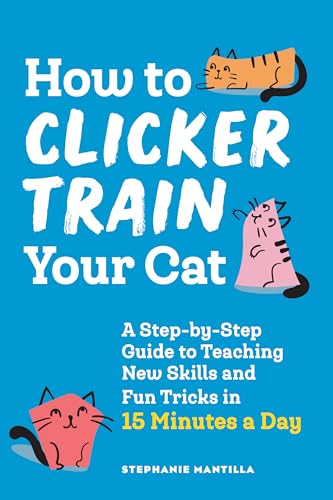
If you prefer a structured, self-paced resource to guide your training, the 2021 guide How to Clicker Train Your Cat breaks down marker training for total beginners, with troubleshooting tips for common timing mistakes and 15-minute daily session plans that fit even busy schedules. Get the step-by-step clicker training guide on Amazon to build your skills at your own pace.
How to Find Trusted Service Cat Training Near Me
Not all pet trainers have experience with service animal training, so it’s important to vet local options carefully to avoid wasting time and money on methods that won’t prepare your cat for public work. Look for trainers with certifications from the Certification Council for Professional Dog Trainers (CCPDT), Karen Pryor Academy, or International Association of Animal Behavior Consultants (IAABC), with explicit experience training service felines (not just pet obedience). Ideal local options include:
- In-person certified trainers who offer in-home sessions to work on task training and public access proofing in your local area
- Nonprofit service animal training organizations that offer sliding-scale rates for disabled handlers
- Virtual coaching programs that pair remote guidance with in-person follow-up sessions in your city
Red flags to avoid: trainers who use punishment-based tools (like prong collars, spray bottles, or alpha rolling), promise guaranteed service cat certification in less than 3 months, or refuse to let you observe a session before signing a contract. Many local animal shelters and disability advocacy groups also maintain lists of recommended service animal trainers in your area, so reach out to them for referrals.
Is Your Cat a Good Fit for Service Work? Key Prerequisites
Not every cat has the temperament or stamina to be a service animal, and forcing training on a stressed or unwilling cat will only lead to frustration for both of you. Before you invest time in service cat training near me, assess your cat against these key criteria:
- Temperament: Your cat should be calm, people-oriented, and unflappable in new situations. Skittish, high-strung, or aggressive cats are not good candidates for service work, as they will struggle with public access requirements.
- Health: Your cat must be up-to-date on all vet care, free of chronic pain or untreated health issues, and able to focus for 10–15 minute sessions without discomfort.
- Foundational training: Before starting service task training, your cat should have a solid foundation in basic obedience and confidence building skills like recall, sit, stay, and staying calm around strangers and new environments.
- Age: The ideal age to start service training is 6 months to 2 years old, when cats are old enough to learn reliably but young enough to adapt to new routines. Older cats can learn new service tasks, but may not have the stamina for long public outings.
If you’re adopting a cat specifically for service work, The Complete Guide to Adopting a Cat walks you through evaluating a cat’s temperament during meet-and-greets, preparing your home for their adjustment, and building a positive training foundation before you start task-specific work.

Covers all stages of cat adoption, from pre-adoption prep to lifelong training and care for first-time and experienced cat owners alike.
Grab the full adoption and training guide on Amazon to set your new service cat up for success from day one.
Preparing Your Home and Routine for a Service Cat
A low-stress home environment is the foundation of successful service cat training. Before you start sessions, make these adjustments to set your cat up for success:
- Set up a quiet, accessible low-stress, easy-to-clean litter box in a low-traffic area of your home, so your cat has a safe space to decompress after training or public outings.
- Establish a consistent daily routine for feeding, play, and training to help your cat feel secure and predict what’s coming next.
- Start regular grooming sessions early to get your cat used to being touched and handled, which is critical for public access (e.g., if a store employee needs to pet your cat, or if you need to adjust their harness mid-outing). For stress-free grooming tips, check out professional grooming guidance for cats.
- Prioritize your cat’s health with nutritionally complete wet food options that meet their dietary needs, so they have the energy and focus to work during training and outings.
Frequently Asked Questions
What is the difference between a service cat and an emotional support animal (ESA)?
Service cats are trained to perform specific, measurable tasks for people with documented disabilities, and have full public access rights under the ADA. ESAs provide comfort through presence only, require no formal task training, and do not have public access rights under federal law. If you need a cat to perform specific tasks to manage your disability, you will need service cat training, not just an ESA letter.
How long does clicker training for a service cat take?
Most basic service tasks (like nudging to alert to a sound, or fetching medication) take 4–8 weeks of consistent 10–15 minute daily sessions to master. Complex tasks like alerting to low blood sugar or providing deep pressure during panic attacks may take 3–6 months of training, plus additional time to proof the behavior in busy public settings. Progress varies based on your cat’s age, temperament, and prior training experience.
Can I train my own service cat with clicker methods, or do I need a local trainer?
Many handlers successfully train their own service cats using clicker methods, especially if they have prior experience with positive reinforcement training. However, working with a certified service animal trainer near you can help you master precise clicker timing, avoid common mistakes, and ensure your cat meets task reliability standards required for public access. Local trainers can also help you proof behaviors in real-world public spaces in your area.
What if my cat doesn’t respond to clicker training?
Some cats are less food-motivated, sensitive to the clicker’s sharp sound, or stressed by training sessions. Try switching to a softer verbal marker (like a gentle "yes"), using a quieter clicker, or offering higher-value rewards like cooked chicken or tuna. If your cat still doesn’t respond after 2–3 weeks of consistent, low-stress sessions, consult a certified cat behaviorist to rule out underlying health issues or anxiety that may be interfering with learning.
How do I verify a local service cat trainer is legitimate?
Look for trainers with recognized certifications (CCPDT, Karen Pryor Academy, IAABC) and explicit experience training service felines, not just pet obedience. Ask for references from other service animal handlers, and request to observe a session before signing a contract. Avoid trainers who use punishment-based tools, promise guaranteed certification in less than 3 months, or refuse to share their training methods in advance.
Conclusion
Training a service cat is a rewarding, long-term commitment that requires patience, consistency, and a focus on your cat’s welfare above all else. Easy clicker techniques make the process low-stress and fun for both you and your cat, with quick, reliable results when practiced in short daily sessions. If you’re searching for service cat training near me, prioritize certified, force-free trainers with service animal experience to avoid common pitfalls, and remember that every cat learns at its own pace. Celebrate small wins along the way, and don’t be discouraged by setbacks — with time and practice, your cat can become a reliable, loving helper that enhances your daily life. If you’re ready to start your journey this week, research local certified clicker trainers in your area, stock up on high-value treats and a reliable clicker, and carve out 10 minutes a day for your first training session.