
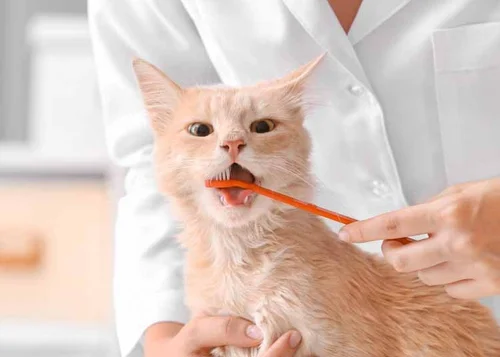
Have you ever wondered about the dental health of your feline friend? As a loving cat owner, you want your pet to be happy and healthy.
But amidst all the cuddles and playtime, you might overlook an essential part of their wellbeing – their teeth. Just like humans, cats can suffer from dental issues that can affect their overall health. You might ask yourself, "Do I need to brush my cat's teeth?
" This question is more important than you may think, and the answer could surprise you. By understanding your cat's dental needs, you can help prevent painful problems and costly vet visits. Dive into this article to uncover the reasons why your cat's dental hygiene is crucial, and discover simple ways to keep their smile bright and healthy.
Importance Of Cat Dental Health
Maintaining your cat's dental health is crucial for its overall well-being. Cats can suffer from dental issues just like humans. Neglecting their teeth can lead to painful conditions. Regular dental care prevents disease and keeps your cat healthy.
Understanding Cat Dental Diseases
Dental diseases are common in cats. Gingivitis is the inflammation of gums. Periodontitis affects the tissues supporting teeth. Cats can also develop abscesses and tooth resorption. These conditions cause pain and affect eating habits.
Signs Of Dental Problems In Cats
Look for signs of dental issues. Bad breath is a red flag. Drooling and difficulty eating are warning signs. Swollen or bleeding gums indicate a problem. Observe your cat's behavior closely.
Benefits Of Regular Dental Care
Regular dental care prevents disease. It avoids costly vet bills. Clean teeth promote better eating habits. A healthy mouth leads to a happier life. Cats with good dental hygiene live longer.
Methods To Maintain Cat Dental Health
Brush your cat's teeth regularly. Use a cat-specific toothbrush and toothpaste. Dental treats and toys help clean teeth. Regular check-ups with a vet are essential. Professional cleaning may be necessary.
Choosing The Right Dental Products For Cats
Choose products designed for cats. Cat toothpaste is safe for them. Dental treats contain beneficial ingredients. Select toys that promote chewing. Consult your vet for recommendations.
Signs Of Dental Issues In Cats
Cats may show signs like bad breath or difficulty eating when dental issues arise. Regularly brushing their teeth can prevent these problems. Stay attentive to your cat's oral health for their overall well-being.
Cats, much like humans, can suffer from dental issues that affect their overall health and well-being. Recognizing the signs of dental problems in your feline friend is crucial for maintaining their comfort and happiness. Have you ever noticed subtle changes in your cat's behavior or eating habits? These might be indicative of underlying dental issues. Let's explore some key signs that may alert you to your cat's dental health needs.
Bad Breath
If you catch an unpleasant odor from your cat's mouth, it could be more than just normal cat breath. Persistent bad breath is often a sign of dental disease, usually caused by bacteria build-up. While all cats have a distinct smell, a strong, offensive odor may warrant a closer look at their oral health.
Difficulty Eating
Has your cat suddenly become picky about their food or started dropping kibble? Cats with dental pain might show reluctance to chew or swallow their food. You might notice them favoring one side of their mouth, an indication that something is wrong with their teeth or gums.
Excessive Drooling
Excessive drooling, especially when it’s out of the ordinary for your pet, can be another sign of dental problems. Cats with oral pain may drool more than usual, and the saliva might be tinged with blood if there's a serious issue. It’s essential to monitor any changes in their drooling habits.
Visible Tartar And Gum Inflammation
Take a moment to examine your cat’s teeth. Visible tartar build-up or red, inflamed gums could indicate a dental issue. Healthy gums should be pink and firm, while tartar should be minimal. If you notice any deviations, it's time to schedule a vet visit.
Pawing At The Mouth
A cat that repeatedly paws at their mouth might be trying to signal discomfort or pain in that area. This behavior can be a direct response to irritation or an attempt to remove something that’s bothering them. Observing this can help you act quickly to address potential dental distress. Regularly checking for these signs can help you catch dental issues early and prevent more severe problems down the line. Have you noticed any of these signs in your cat? Addressing dental health proactively can lead to happier, healthier cats.
Benefits Of Brushing Cat's Teeth
Brushing your cat's teeth can prevent plaque buildup and reduce the risk of gum disease. Regular dental care helps maintain fresh breath and overall health. Keep your feline friend happy and healthy with consistent oral hygiene.
Brushing your cat's teeth might seem unnecessary. But it offers significant benefits. Regular brushing can improve your cat's health. It helps in preventing dental issues. It also ensures your feline friend stays happy and healthy.
Prevents Plaque And Tartar Build-up
Plaque on teeth can harden into tartar. This causes gum disease and tooth decay. Brushing removes plaque before it hardens. It keeps your cat's mouth clean and fresh. A clean mouth means fewer trips to the vet.
Reduces Risk Of Gum Disease
Gum disease is common in cats. It can lead to painful infections. Brushing your cat's teeth helps fight gum disease. It keeps their gums healthy and strong. Healthy gums mean a happier cat.
Improves Overall Health
Oral health affects overall health. Bacteria from the mouth can enter the bloodstream. It can harm organs like the heart and kidneys. Brushing reduces bacteria in the mouth. It supports your cat's overall well-being.
Enhances Your Bond With Your Cat
Brushing your cat's teeth can be a bonding activity. It shows your care and attention. Over time, your cat will enjoy this routine. It strengthens the trust between you and your pet.
Helps Detect Dental Issues Early
Regular brushing lets you check your cat’s mouth. You can spot problems early. Early detection means easier and less costly treatments. It saves you worry and keeps your cat comfortable.
Tools For Cat Dental Care
Ensuring your cat's dental health requires the right tools. These tools help maintain their teeth and gums. Regular dental care can prevent serious health issues. Below, we'll explore effective tools for cat dental care.
Toothbrush Options
There are several toothbrush options for cats. Choose one that suits your cat's comfort. Finger toothbrushes are popular. They fit over your finger, providing control during brushing. They are gentle and easy to use.
Another option is a small, soft-bristled brush. These resemble human toothbrushes but are designed for cats. They clean effectively without harming sensitive gums. Always select the right size for your cat's mouth.
Cat-friendly Toothpaste
Human toothpaste isn't safe for cats. Cat-friendly toothpaste is essential. These pastes come in flavors cats enjoy, like chicken or fish. This makes brushing a more pleasant experience.
Look for enzymatic toothpaste. It helps break down plaque without excessive brushing. This type of toothpaste is effective for maintaining oral hygiene. Always check the label for safe ingredients.
Step-by-step Brushing Guide
Brushing your cat's teeth is crucial for their oral health. It prevents plaque and tartar buildup, which can lead to dental issues. Follow this step-by-step guide to ensure your cat's teeth stay clean and healthy. With patience and practice, you can make tooth brushing a stress-free part of your cat's routine.
Preparing Your Cat
Start by choosing a quiet place. This helps your cat stay calm. Gather all the supplies before you begin. You'll need a cat toothbrush and toothpaste. Do not use human toothpaste. Let your cat smell and taste the cat toothpaste. This helps them get used to it. Gently touch their mouth and teeth with your fingers. This acclimates them to the brushing sensation.
Brushing Technique
Begin by lifting your cat's lip gently. Expose their teeth and gums. Hold the toothbrush at a 45-degree angle. Use small, circular motions to clean the teeth. Focus on the outer surfaces of the teeth. Spend a few seconds on each tooth. Be gentle to avoid hurting their gums. Praise your cat throughout the process. This reinforces positive behavior.
Establishing A Routine
Consistency is key for dental health. Brush your cat's teeth regularly. Aim for daily brushing sessions. If daily is not possible, try for a few times a week. Make brushing a positive experience. Offer treats and affection after each session. This helps your cat associate brushing with positive outcomes. Stay patient and calm. Over time, brushing will become a natural part of your cat's routine.
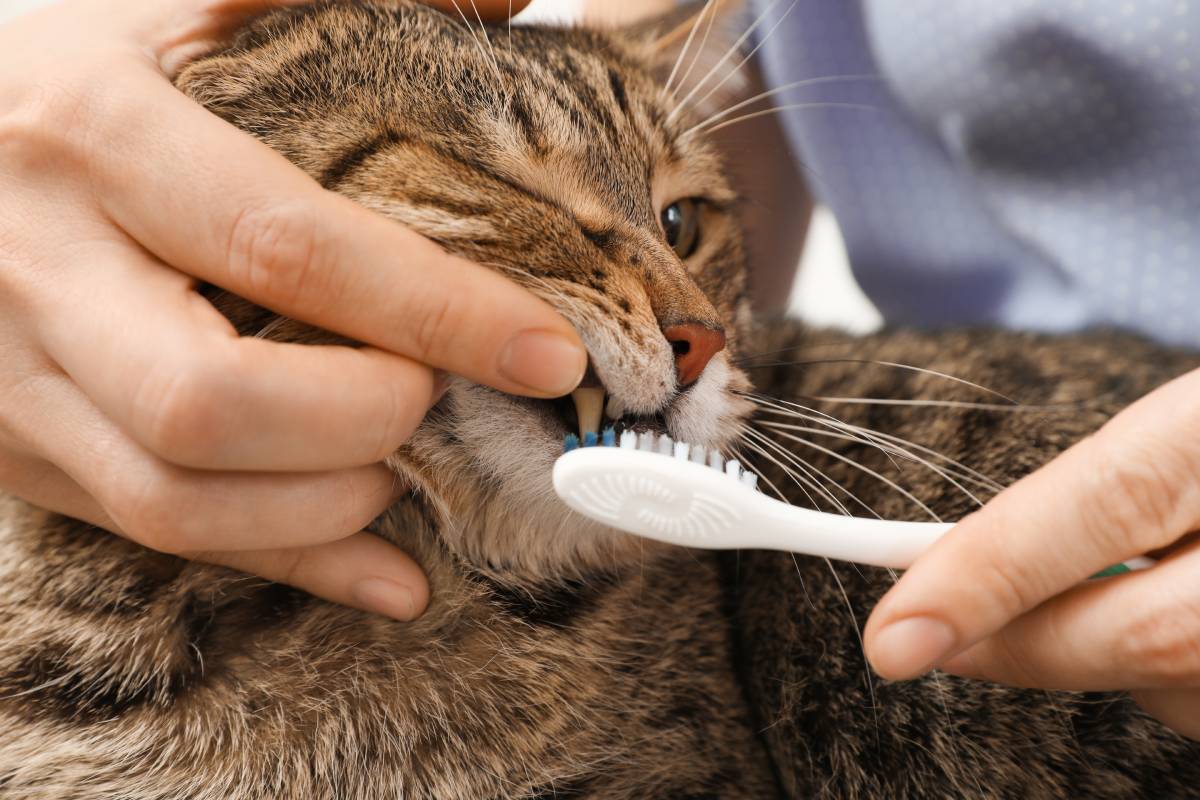
Credit: weareallaboutcats.com
Alternatives To Brushing
Brushing your cat's teeth can be quite the challenge. Fortunately, there are alternatives to brushing that promote good oral health. These methods can be effective and stress-free for both you and your cat.
Dental Chews And Treats
Dental chews and treats are convenient options for maintaining your cat's oral hygiene. They are designed to reduce plaque and tartar buildup. Most of these treats are tasty, making them appealing to your feline friend. The texture of the chews helps clean teeth as your cat enjoys their snack. Look for products approved by veterinarians for the best results.
Professional Dental Cleanings
Professional dental cleanings are essential for cats with serious dental issues. Veterinarians use specialized tools to clean your cat's teeth thoroughly. These cleanings can address problems that chews and treats may not fix. Regular cleanings help prevent more severe dental diseases. Discuss the frequency of these cleanings with your veterinarian based on your cat's needs.
Tips For Success
Regularly brushing your cat's teeth can prevent dental issues and maintain their overall health. Use a soft-bristled toothbrush designed for pets and cat-friendly toothpaste. Gradually introduce brushing into your routine to help your cat become comfortable with the process.
Brushing your cat's teeth can seem daunting. Yet, it is crucial for their health. Consistent care prevents dental issues. Follow these tips for success. You'll make the process smoother for you and your cat.
Patience And Consistency
Start slowly with your cat. Allow them to get used to the toothbrush. Gradually increase brushing time. Consistency is key. Set a regular schedule. Cats love routine. It makes them feel secure. Be gentle and calm. Your patience will pay off.
Positive Reinforcement
Reward your cat after brushing. Use treats or affection. Positive experiences encourage cooperation. Speak softly to your cat. Praise them for staying calm. Reinforcement builds trust over time. Your cat will associate brushing with fun. This makes future sessions easier.
Credit: m.facebook.com
When To Consult A Veterinarian
Consult a veterinarian if your cat shows signs of gum disease or bad breath. Regular check-ups ensure optimal dental health. Brushing your cat's teeth can prevent serious issues.
When it comes to your cat's dental health, sometimes professional help is needed. Regular check-ups are crucial to catch any dental issues early. Knowing when to consult a veterinarian can make all the difference. Cats are experts at hiding pain, so dental problems might go unnoticed. Here are some signs that indicate it's time to seek veterinary advice.
Unusual Drooling
Excessive drooling can be a sign of dental issues. Cats usually don't drool unless there's a problem. If you notice your cat drooling more than usual, it might be time for a dental check-up.
Bad Breath
Persistent bad breath can indicate gum disease or tooth decay. A healthy cat should not have a strong odor from its mouth. If the smell is consistent and strong, a vet visit is recommended.
Difficulty Eating
Struggling to eat or chew can signal dental pain. Cats may avoid hard food if their teeth hurt. They may also drop food or eat less than usual. This behavior should prompt a visit to the vet.
Visible Plaque Or Tartar
Plaque and tartar buildup need professional cleaning. If you see yellow or brown spots on your cat's teeth, it's time for a vet check-up. Regular cleanings can prevent serious dental issues.
Swollen Or Bleeding Gums
Swollen gums might indicate infection. Bleeding gums are a definite sign of gum disease. Both require immediate veterinary attention to prevent further complications.
Loose Or Missing Teeth
Loose teeth can be painful and affect eating. Missing teeth might signal advanced dental disease. A vet can assess the situation and provide necessary treatment.
Behavioral Changes
Changes in behavior might be due to dental pain. Cats may become less active or more irritable. If you notice a change in your cat's behavior, consulting a vet is wise.

Credit: www.yahoo.com
Frequently Asked Questions
Is It Okay To Not Brush Your Cat's Teeth?
Brushing your cat's teeth is important for their dental health. Neglecting this can lead to plaque buildup, gum disease, and tooth loss. Regular dental care helps prevent serious health issues. Consult your vet for the best dental care routine for your cat.
Is It Necessary To Clean A Cat's Teeth?
Yes, cleaning a cat's teeth is necessary. It helps prevent dental diseases and maintains overall health. Regular brushing reduces plaque buildup and keeps gums healthy. Consult your veterinarian for guidance on cat dental care routines. Prioritize oral hygiene to enhance your feline's well-being.
Do Vets Recommend Brushing Cats' Teeth?
Yes, vets recommend brushing cats' teeth to prevent dental issues. Regular brushing helps maintain oral hygiene and prevents plaque buildup. Use cat-specific toothbrushes and toothpaste for best results. Consult your vet for guidance on proper techniques and frequency. Prioritizing dental care promotes your cat's overall health.
What Can I Do Instead Of Brushing My Cat's Teeth?
Use dental wipes or gels designed for cats. Offer dental treats and toys to promote oral health. Regular vet check-ups help monitor teeth condition.
Conclusion
Brushing your cat's teeth can keep them healthy. Dental care is crucial. It prevents gum disease and other issues. Start with small steps. Use cat-friendly toothpaste and brushes. Make brushing a routine. Your cat might resist at first. Be patient and gentle.
This simple habit can improve your cat's life. Regular vet check-ups help too. They catch problems early. Healthy teeth mean a happy cat. You can avoid future health troubles. Take care of your cat's dental needs. It's worth the effort.
Your furry friend will thank you.
