
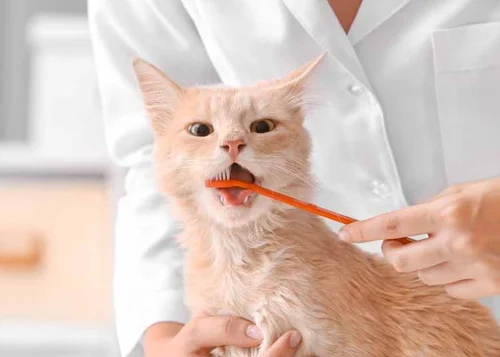
Have you ever wondered if your cat's dental health needs as much attention as your own? You might be surprised to learn that brushing your cat's teeth could be a crucial part of their overall health care routine.
Just like humans, cats can suffer from dental issues that lead to discomfort, infections, and even more serious health problems. Neglecting their dental hygiene might be doing more harm than you think. By taking a few simple steps, you can significantly improve your cat's well-being and potentially extend their life.
Ready to discover why your feline friend’s teeth deserve some love and how you can keep them healthy? Dive into this article to unravel the secrets of feline dental care that might just change the way you care for your cat.
Importance Of Cat Dental Health
Cat dental health is vital for their overall well-being. Just like humans, cats need proper oral care. Ignoring it can lead to serious health issues. Dental diseases are common in cats. These can affect their eating and mood. Regular dental care can prevent these problems.
Why Cat Dental Health Matters
Healthy teeth help cats eat comfortably. Poor dental health can cause pain and discomfort. It can also lead to infections. These infections might spread to other organs. This is why dental health is crucial for cats.
Common Dental Problems In Cats
Cats often suffer from plaque and tartar. These can cause gum disease. Gum disease might lead to tooth loss. Another issue is tooth resorption. This affects many cats and can be painful. Regular check-ups can help catch these issues early.
Benefits Of Regular Dental Care
Regular dental care keeps your cat's mouth healthy. It can prevent bad breath. It also reduces the risk of infections. Routine care can save on vet bills. It ensures your cat stays happy and healthy.
Signs Your Cat Needs Dental Attention
Look for signs like bad breath. Difficulty eating is another sign. Drooling or pawing at the mouth also indicates trouble. Bleeding gums should not be ignored. Regular observation can help spot these signs early.
How To Maintain Cat Dental Health
Brush your cat's teeth regularly. Use products designed for cats. Provide dental treats and toys. Schedule regular vet check-ups. A balanced diet also supports dental health.
Signs Of Dental Issues In Cats
Ensuring your cat's dental health is crucial for their overall well-being. Cats, like humans, can suffer from dental issues that might go unnoticed until they become severe. Recognizing the signs of dental problems can save your feline friend from discomfort and potential health complications. But what should you look out for?
Dental issues in cats can manifest in various ways. Being observant and proactive can make all the difference in maintaining your cat's oral hygiene.
Bad Breath
Bad breath in cats is not just unpleasant; it can be a sign of dental disease. If your cat's breath makes you recoil, it's time to check their teeth. A healthy cat's breath should be mild, not pungent.
Difficulty Eating
Is your cat avoiding their favorite kibble? Difficulty in eating or chewing could indicate tooth pain or gum issues. Notice if they drop food or chew on one side of their mouth.
Excessive Drooling
While some drooling is normal, an excessive amount can be a red flag. This might be your cat's way of dealing with mouth pain or discomfort. Watch for wet spots where your cat rests.
Pawing At The Mouth
If your cat frequently paws at their mouth, it may be a sign of irritation or pain. Cats often try to soothe themselves when something doesn’t feel right. This behavior deserves your attention.
Swollen Or Bleeding Gums
Swollen gums are often a sign of gingivitis, a common dental issue in cats. Bleeding gums can indicate more severe problems. Regularly check your cat's mouth for any unusual redness or swelling.
Yellow Or Brown Teeth
Discoloration of teeth can signal plaque buildup or tartar, leading to dental disease. You want your cat's teeth to be as bright and clean as possible. Regular brushing can prevent these issues.
Have you noticed any of these signs in your cat? Addressing dental issues early can prevent further complications. Regular vet check-ups and at-home dental care are essential in keeping your feline's teeth healthy. Don't wait until it's too late—your cat's smile depends on it!
Benefits Of Brushing Your Cat's Teeth
Brushing your cat's teeth helps prevent gum disease and bad breath. Regular dental care can enhance your cat's overall health by reducing the risk of infections. A simple routine keeps their teeth clean and strong, ensuring a happy, healthy pet.
Brushing your cat's teeth might not be the first thing you think of when it comes to pet care, but it offers several significant benefits that can improve their health and well-being. Dental hygiene is crucial for cats, just as it is for humans. Regular brushing can help prevent a range of dental issues, ensuring your furry friend stays happy and healthy. Here's why brushing your cat's teeth is a worthwhile habit to develop.
Improves Oral Health
Regularly brushing your cat's teeth can significantly improve their oral health. It helps remove plaque and tartar buildup, reducing the risk of gum disease and tooth decay. Healthy gums and teeth mean less pain and discomfort for your cat.
Prevents Bad Breath
Cats can develop bad breath from bacteria in their mouth. Brushing your cat's teeth regularly helps eliminate these bacteria, leading to fresher breath. You'll enjoy more cuddle time without the unpleasant odor.
Reduces Risk Of Systemic Diseases
Did you know that poor oral health can lead to more serious health issues in cats? Bacteria from dental diseases can enter the bloodstream and affect vital organs. By maintaining your cat's dental hygiene, you help reduce the risk of heart, liver, and kidney diseases.
Enhances Overall Quality Of Life
A cat with healthy teeth is likely to be more playful and active. They can chew their food more efficiently, which aids in better digestion. Brushing your cat's teeth contributes to their overall happiness and quality of life.
Cost-effective In The Long Run
While it may seem like an extra task, brushing your cat's teeth can save you money. Preventing dental issues can reduce the need for expensive veterinary treatments. Think of it as an investment in your cat's health that pays off over time. Have you ever checked your cat's teeth? Maybe it's time to start a dental routine and see these benefits for yourself.

Credit: www.purina.com
How Often To Brush Cat's Teeth
Brushing your cat's teeth is essential for maintaining their dental health. Many pet owners wonder how often they should brush their cat's teeth. Regular brushing helps prevent plaque and tartar buildup. It also reduces the risk of gum disease.
Creating a routine is key to keeping your cat's teeth healthy. Ideally, aim to brush your cat's teeth daily. This might sound challenging but regular practice makes it easier. If daily brushing is not possible, try a few times a week. Consistency is important for effective oral hygiene.
Start slowly to make your cat comfortable. Use a cat-friendly toothbrush and toothpaste. Offer treats or praise to encourage cooperation. Over time, your cat will get used to the routine.
Start With Short Sessions
Begin with short brushing sessions. Gradually increase the time as your cat becomes more comfortable. Short sessions help prevent stress.
Monitor Your Cat's Reaction
Observe your cat's behavior during brushing. If they seem stressed, take breaks. Gradually increase the duration of each session.
Adjust Frequency Based On Needs
Some cats may need more frequent brushing. Others may require less. Adjust the frequency based on your cat's dental health.
Consult Your Veterinarian
Talk to your vet about your cat's dental care. They can offer advice on brushing frequency. They might suggest professional cleanings if necessary.
Choosing The Right Tools
Proper tools are essential for brushing your cat's teeth. Ensuring a comfortable experience is key. The right tools make the process smooth and stress-free. Start with selecting the best toothbrush and toothpaste for your feline friend.
Selecting Cat Toothbrush
Choose a toothbrush designed for cats. Small, soft-bristled brushes work best. Finger brushes are also a popular choice. They fit over your finger, giving better control. Ensure the brush is easy to handle and gentle on gums.
Choosing Cat Toothpaste
Never use human toothpaste for cats. It can be harmful. Select toothpaste specifically made for cats. These are safe if swallowed. Cat toothpaste often comes in flavors like chicken or fish. This makes brushing more enjoyable for your cat. Always check ingredients for safety and quality.
Step-by-step Brushing Guide
Brushing your cat's teeth might seem like a daunting task, but it's a crucial part of maintaining their health. Cats can't tell you when their teeth hurt, and dental issues can lead to more serious health problems. This step-by-step guide will help you navigate the process with ease, ensuring your furry friend has the best dental care possible.
Preparing Your Cat
Before diving into brushing, ensure your cat is comfortable and calm. Choose a quiet spot where your cat feels safe, like their favorite resting place. Gently pet and talk to them, creating a soothing environment.
Introduce the toothbrush and toothpaste slowly. Let your cat sniff them to familiarize themselves with these new items. Opt for a cat-specific toothbrush and toothpaste, as human toothpaste can be harmful to cats.
Brushing Techniques
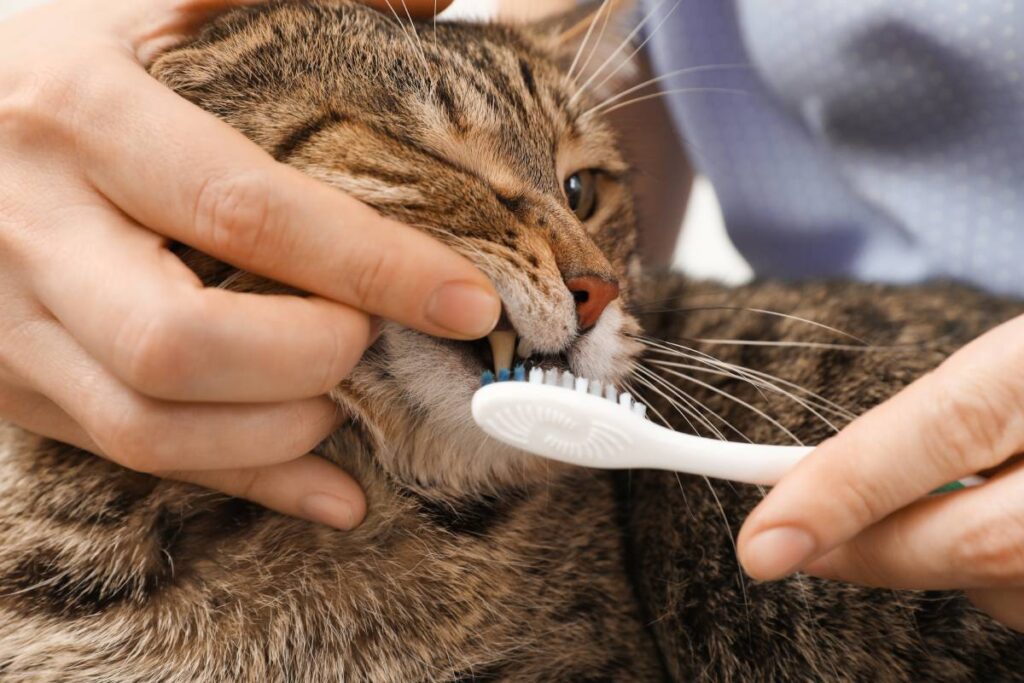
Start by lifting your cat's lip gently to expose their teeth. Use a soft, circular motion to brush, focusing on the gum line. It's okay if you can't brush all their teeth in one go; patience is key.
- Begin with a few teeth, gradually increasing the number as your cat gets used to the process.
- Keep sessions short to avoid overwhelming your cat.
- Offer a treat or a favorite toy as a reward afterward to create a positive association.
Post-brushing Care
After brushing, ensure your cat feels relaxed and praised. Observe their behavior and look for any signs of discomfort. Consistency is important, so aim to brush their teeth regularly, ideally once a day.
Remember, even with regular brushing, professional dental check-ups are essential. Schedule regular vet visits to ensure your cat's teeth and gums remain healthy. Is there any better feeling than knowing you've contributed to your pet's well-being?
Alternatives To Brushing
Brushing a cat's teeth can be challenging. Cats often resist the process, making it stressful for both cat and owner. Fortunately, there are alternatives to brushing that can help maintain your cat's dental health. These options are effective and easier for many pet owners to manage.
Dental Treats
Dental treats are a tasty way to improve your cat's oral health. These treats are designed to reduce plaque and tartar. They often have a texture that helps clean teeth as your cat chews. Many cats enjoy these treats, making them an easy addition to their routine. Look for treats approved by veterinarians for the best results.
Professional Cleanings
Professional cleanings by a veterinarian are another option. These cleanings are thorough and remove plaque and tartar effectively. They often require anesthesia, ensuring a stress-free experience for your cat. Regular cleanings can prevent dental diseases, keeping your cat's mouth healthy. Discuss a cleaning schedule with your vet for optimal care.
Common Challenges And Solutions
Brushing a cat's teeth can be challenging due to their resistance and discomfort. Regularly using cat-friendly toothpaste and introducing it gradually can ease the process. Consistent practice with patience helps maintain their dental health effectively.
Caring for your cat's oral health is vital, but brushing their teeth can be quite the challenge. Many cat owners face common obstacles that make this task seem daunting. However, with a bit of patience and the right techniques, you can overcome these challenges and ensure your feline friend maintains a healthy smile.
Dealing With Resistance
Some cats simply refuse to have their teeth brushed. They may squirm, scratch, or even bite when you try to approach them with a toothbrush. One effective solution is to gradually introduce the toothbrush during playtime. Let your cat sniff and explore it while associating it with positive experiences, like treats or gentle petting. You might also consider using a finger brush, which can feel less intrusive to your cat. Reward them with a treat after each session to build a positive association with the process.
Handling Anxious Cats
Anxiety is another common challenge when brushing a cat's teeth. A stressed cat is likely to resist more, making the experience difficult for both of you. Create a calm environment by choosing a quiet room and speaking softly to your cat. You might play some soft music to soothe their nerves. If your cat remains anxious, try brushing during a time when they are naturally more relaxed, like after a meal or playtime. Remember, patience is key. Gradually increase the duration of each session as your cat becomes more comfortable. Have you tried different techniques with your cat? Finding the right approach can turn a dreaded task into a bonding experience.
Consulting A Veterinarian
Consulting a veterinarian is crucial for your cat's oral health. A professional can provide tailored advice and check for dental issues. Regular consultations ensure your cat's teeth stay healthy and strong.
Understanding Dental Needs
Veterinarians understand each cat's dental needs. They assess factors like age, breed, and health. This helps determine the best care for your cat's teeth.
Professional Advice
Veterinarians offer expert advice. They guide you on brushing techniques and frequency. This ensures your cat receives proper dental care.
Identifying Oral Problems
Veterinarians identify oral problems early. They spot issues like plaque buildup or gum disease. Early detection prevents severe health problems.
Preventive Measures
Veterinarians suggest preventive measures. They recommend products and routines that protect your cat's teeth. These measures maintain oral hygiene effectively.
Regular Check-ups
Regular check-ups are essential. They ensure any developing dental issues are addressed. Consistent visits keep your cat's mouth healthy.
Credit: weareallaboutcats.com
Credit: m.facebook.com
Frequently Asked Questions
Is It Okay If I Don't Brush My Cat's Teeth?
Neglecting your cat's dental hygiene can lead to plaque buildup and gum disease. Regular brushing prevents these issues. Use a pet-safe toothpaste and brush gently. Consult your vet for alternative dental care methods if brushing isn't possible. Prioritize your cat's oral health to ensure their overall well-being.
How Often Should You Brush A Cat's Teeth?
Brush your cat's teeth daily for optimal dental health. Regular brushing prevents plaque buildup and dental issues. Use cat-specific toothpaste and a soft-bristled toothbrush. Start slowly to help your cat adjust. Consistent dental care keeps your cat's mouth healthy and prevents future dental problems.
Do Vets Recommend Brushing Cats' Teeth?
Yes, vets recommend brushing cats' teeth to maintain oral health. Use a cat-friendly toothbrush and toothpaste. Regular brushing prevents plaque buildup and dental issues. Start slowly and make it a positive experience for your cat. Consult your vet for more tips on proper dental care for your feline.
How Do You Clean A Cat's Teeth Without Brushing?
Use dental treats designed for cats to clean their teeth. Offer raw bones for natural cleaning. Incorporate dental diets that reduce plaque. Use oral sprays or gels for fresh breath. Regular vet check-ups ensure optimal dental health.
Conclusion
Brushing your cat's teeth is important. It helps prevent dental issues. Regular brushing keeps their mouth healthy. Your vet can guide you on how. Start slow and be gentle. Use a cat-friendly toothbrush and paste. Consistency is key for success.
Healthy teeth lead to a happy cat. Remember, good dental care means fewer vet visits. It's worth the effort for your furry friend. Invest time now to avoid problems later. Your cat will thank you with purrs. Keep their smile bright and their health top-notch.
