
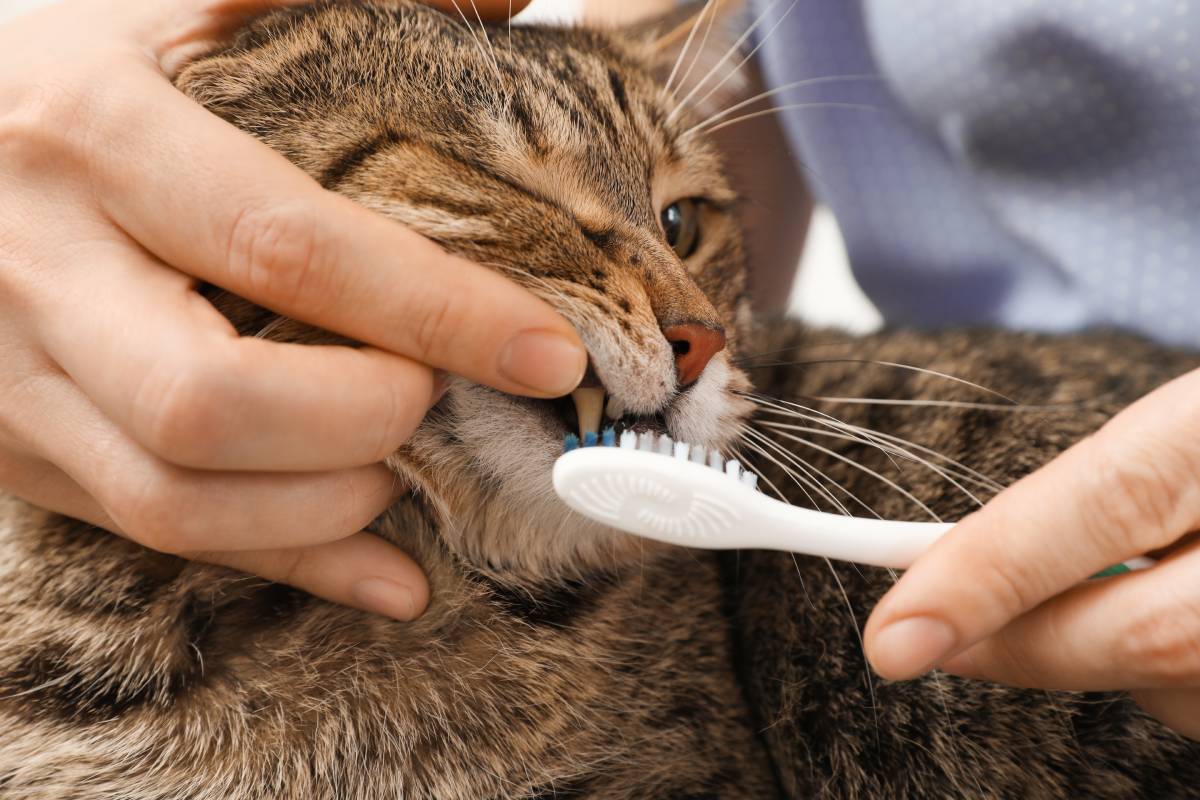
Do you find yourself questioning if you need to brush your cat's teeth? You're not alone.
Many cat owners are unaware of the importance of feline dental care. You might think that a cat's teeth naturally stay clean, or perhaps you assume their diet takes care of it. But your cat's oral health is crucial for their overall well-being.
Imagine your furry friend living a long, happy life, free from painful dental issues. This article will reveal the truth about your cat's dental needs, and why brushing their teeth could be the best decision you make for your pet. Stay with us, and discover how you can enhance your cat's health and happiness with just a few simple steps.
Importance Of Cat Dental Care
Brushing your cat's teeth helps prevent dental diseases and keeps their breath fresh. Regular brushing can reduce plaque buildup and support overall health. Establishing a dental routine will make brushing easier over time, ensuring your feline friend stays healthy and happy.
Caring for your cat's teeth is more important than you might think. Dental issues in cats can lead to serious health problems if neglected. So, should you really be brushing your cat’s teeth? Let's dive into why dental care for your feline friend is crucial.
What Happens When You Ignore Cat Dental Care?
Neglecting your cat's dental health can result in painful conditions like gingivitis or periodontal disease. These issues might make your cat avoid eating, leading to weight loss and malnutrition. Even worse, bacteria from dental disease can enter the bloodstream and affect vital organs.
Signs Your Cat Needs Dental Attention
Have you noticed your cat has bad breath or is drooling excessively? These could be signs of underlying dental problems. If your cat avoids chewing toys or has red, swollen gums, it's time to take action.
Benefits Of Regular Dental Care For Cats
Regular brushing can prevent plaque buildup and reduce the risk of dental diseases. Keeping your cat's mouth healthy also means a happier, more active pet. Plus, maintaining their oral health can increase their lifespan.
How To Start A Cat Dental Care Routine
Begin by gradually getting your cat used to having their mouth handled. Use a pet-safe toothpaste and a soft brush to gently clean their teeth. Consistency is key—aim for a few times a week to make it a part of their routine.
Is Professional Dental Cleaning Necessary?
While home care is vital, professional cleanings are sometimes necessary. Your vet can perform thorough cleanings to remove tartar and check for issues you might miss. It's a worthwhile investment in your cat's long-term health. Taking action now can save your cat from future pain and costly vet bills. So, will you make dental care a priority for your furry friend?
Signs Of Dental Problems In Cats
Cats often show signs of dental problems through bad breath or difficulty eating. Gum redness and drooling are common indicators. Regular brushing helps prevent plaque buildup and maintains oral health.
Cats, like humans, can suffer from dental problems. These issues can lead to discomfort and health problems. Recognizing signs of dental problems early can help maintain your cat's oral health. Watch for these common indicators.
Painful Chewing Or Eating
Cats with dental issues may chew awkwardly. You might notice your cat dropping food while eating. This can indicate discomfort or pain in their mouth. A change in eating habits is often a red flag.
Bad Breath
Unpleasant smell from your cat's mouth can signal dental trouble. Healthy cats generally have neutral-smelling breath. Persistent bad breath might mean gum disease or tooth decay.
Red Or Bleeding Gums
Check your cat's gums regularly. Healthy gums are pink and firm. Redness or bleeding can indicate inflammation or infection. This is often a sign of gingivitis.
Excessive Drooling
Drooling more than usual can be another indicator. Cats with sore mouths might drool excessively. This could be due to oral pain or irritation.
Visible Tartar Or Plaque
Tartar buildup can be seen on teeth. Look for yellow or brown deposits. These deposits can lead to decay if not addressed.
Pawing At The Mouth
Cats may paw at their mouth if experiencing discomfort. This behavior can suggest dental pain. It is a clear sign that something is wrong.
Swelling Around The Mouth
Facial swelling can be a serious symptom. It may indicate a dental abscess or infection. Swelling should be checked by a veterinarian promptly.
Weight Loss
Dental problems can affect eating habits. Cats might eat less due to pain. This can lead to gradual weight loss. Changes in weight can be a subtle sign of oral issues.
Benefits Of Brushing Your Cat's Teeth
Brushing your cat's teeth helps prevent dental diseases. It reduces plaque and tartar buildup, keeping their mouth healthy. Regular brushing also helps maintain fresh breath, improving overall well-being.
Brushing your cat's teeth might seem like an unusual task, but it holds significant benefits for your feline friend. Dental care is often overlooked in cats, yet it plays a crucial role in their overall health. Just like humans, cats can suffer from oral issues that impact their wellbeing. Regular brushing can prevent these problems, ensuring your pet leads a happy, healthy life. Let's dive into the specific advantages of keeping your cat's teeth clean.
Improved Oral Health
Brushing your cat's teeth helps remove plaque buildup, which can lead to tartar and eventually gum disease. You reduce the risk of painful oral conditions by maintaining their dental hygiene.
Prevention Of Bad Breath
No one enjoys cuddling a cat with stinky breath. Regular brushing can significantly reduce odor by eliminating bacteria that cause bad breath, keeping your kitty smelling fresh.
Overall Health Benefits
Did you know dental health is linked to overall health? Poor oral hygiene can lead to bacteria entering the bloodstream, affecting organs like the heart and kidneys. Brushing can help prevent these serious issues.
Cost Savings On Vet Bills
Veterinary dental procedures can be expensive. By brushing your cat's teeth, you can avoid costly treatments for dental problems, saving money in the long run.
Strengthening The Bond With Your Cat
Brushing is not just about health; it's also an opportunity to bond with your pet. This routine can become a moment of connection, enhancing your relationship.
Credit: m.facebook.com
How To Start A Brushing Routine
Starting a tooth brushing routine for your cat can seem daunting, but it’s crucial for their health. With the right approach, you can make this a stress-free experience for both you and your feline friend. Let’s break down the steps to ensure your cat’s dental hygiene is in top shape.
Choosing The Right Toothbrush
Pick a toothbrush that feels comfortable for your cat. There are various options available, from finger brushes to small, soft-bristled brushes designed specifically for cats. I found success with a finger brush as it allowed for more control and felt less intimidating for my cat.
Ensure the bristles are soft and gentle to prevent any gum irritation. The size should be manageable, allowing you to reach all areas of your cat’s mouth. If in doubt, consult with your vet for recommendations tailored to your cat’s needs.
Selecting Cat-friendly Toothpaste
Human toothpaste is not safe for cats, so choose a toothpaste specifically formulated for them. Cat toothpastes often come in flavors that appeal to feline taste buds, like chicken or fish. This can make the process more enjoyable for your cat and less of a battle for you.
Read the ingredients to ensure there are no harmful substances. If your cat turns their nose up at one flavor, try another. Finding the right flavor can transform brushing time from a chore to a treat.
Introducing Your Cat To Brushing
Begin by letting your cat get familiar with the toothbrush and toothpaste. Allow them to sniff and even taste the toothpaste first. This builds curiosity and reduces the fear of something new.
- Start slowly by gently rubbing the toothbrush along their gums and teeth without paste.
- Gradually introduce the toothpaste once they are comfortable with the brush.
- Keep initial sessions short and positive, rewarding your cat with treats or affection.
Patience is key here. If your cat resists, don’t force it. Take a step back and try again later. Consistency and a calm demeanor will eventually win them over.
Remember, every cat is different. Some might warm up to the routine quickly, while others may take longer. What's most important is that you’re taking steps towards maintaining their oral health. Are you ready to start this journey with your cat?
Alternatives To Brushing
Brushing your cat's teeth might seem like a daunting task. Thankfully, there are alternatives that can help maintain your feline friend's dental health without the hassle. These options can be effective and might even be more enjoyable for your cat.
Dental Treats And Chews
Dental treats and chews are a popular alternative to brushing. They are designed to reduce plaque and tartar buildup as your cat chews. Look for products approved by veterinary dental associations to ensure they are effective.
My own cat, Whiskers, loves these treats, and it's comforting to know they contribute to his oral hygiene. The best part? Your cat gets a tasty reward while unknowingly cleaning their teeth.
Specialized Diets
Some cat foods are formulated to promote dental health. These diets often have larger kibble sizes, encouraging your cat to chew more, which helps in scraping off plaque. They might also contain ingredients that reduce tartar formation.
Consider consulting your vet about switching to a dental-specific diet. Remember, though, that diet alone may not replace the need for other dental care practices.
Professional Dental Cleanings
Professional dental cleanings are another alternative, albeit a more involved one. Veterinarians have the tools and expertise to thoroughly clean your cat's teeth. This procedure usually requires anesthesia, so it's best done when necessary.
While it may seem costly, it can prevent more severe dental issues down the line. Ask yourself: is your cat's dental health worth the investment? The peace of mind knowing your pet's teeth are in top condition might just be worth it.

Credit: www.yahoo.com
Common Challenges And Solutions
Brushing your cat's teeth can be tricky. Cats are independent and have a mind of their own. Many cat owners face challenges when trying to maintain their pet's oral health. Let’s explore some common hurdles and their solutions. This will help make tooth brushing a more manageable task.
Handling A Reluctant Cat
Your cat may resist having its teeth brushed. This is common. Begin by getting your cat used to the idea. Let them sniff and taste the toothpaste. Use a cat-specific toothpaste. Gradually introduce the toothbrush. Start with gentle strokes. Reward your cat with treats after each session. Patience is key.
Maintaining Consistency
Consistency is vital for your cat's dental health. Create a regular brushing routine. Aim for a few times a week. Choose a calm time when your cat is relaxed. Stick to this schedule. Consistency helps your cat become familiar with the routine. Soon, brushing will become a part of your cat's life.
Veterinarian Insights On Cat Dental Health
Brushing your cat's teeth is crucial for preventing dental issues. Cats can suffer from gum disease and tooth decay. Regular brushing helps maintain their oral health and reduces vet visits.
Understanding your cat's dental health can be crucial for their overall well-being. Many cat owners often overlook this aspect, assuming cats naturally maintain their teeth. However, veterinarians stress the importance of regular dental care, including brushing, to prevent common dental issues.
Why Veterinarians Recommend Brushing
Veterinarians emphasize that brushing your cat’s teeth can significantly reduce the risk of periodontal disease. Cats, like humans, can develop plaque and tartar, leading to gum disease and tooth loss. Regular brushing helps eliminate plaque, preventing these issues and maintaining your cat’s oral health.
Signs Your Cat Needs Dental Attention
Be attentive to signs that your cat might need dental care. Bad breath, drooling, or difficulty eating are indicators of dental problems. If you notice any of these symptoms, it’s essential to consult your veterinarian for a thorough dental check-up.
How Often Should You Brush Your Cat's Teeth?
Veterinarians typically recommend brushing your cat’s teeth daily. While this might seem challenging, incorporating it into your routine can be beneficial. Consistency is key, and even a few times a week can make a significant difference in your cat’s dental health.
Choosing The Right Tools For Brushing
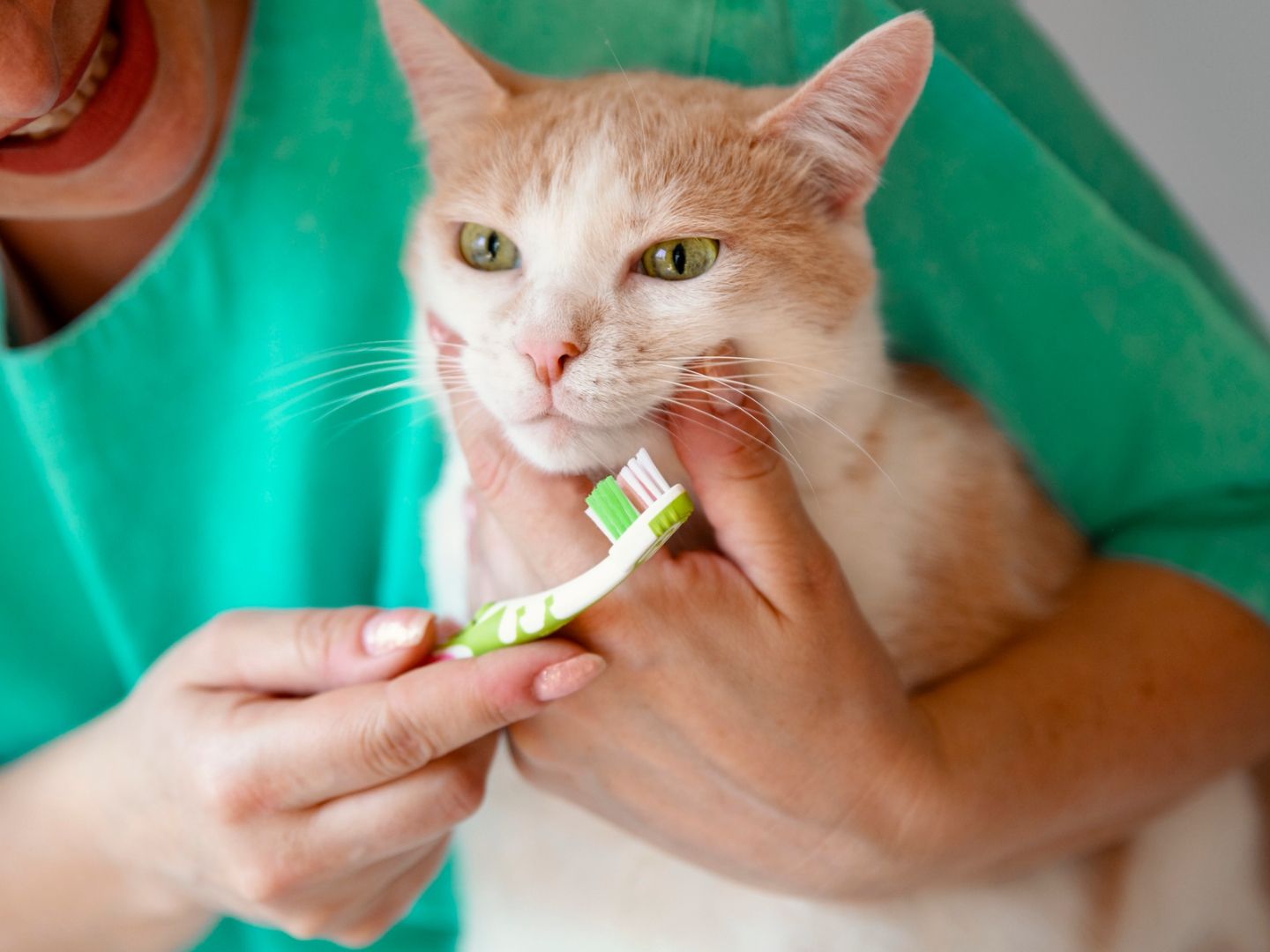
Select a cat-specific toothbrush and toothpaste for effective brushing. Human toothpaste can be harmful to cats, so ensure you use products designed for feline use. Many pet stores offer flavored toothpaste that cats find appealing, making the process easier.
Veterinarian Advice On Professional Dental Cleanings
In addition to home care, professional dental cleanings are recommended. Your veterinarian can perform thorough cleanings under anesthesia, reaching areas you might miss. These cleanings can prevent serious dental issues and are typically recommended annually. Reflect on this: How often do you prioritize your cat's dental health? Regular brushing and professional care could be the key to a healthier, happier cat.
Credit: www.petsradar.com
Frequently Asked Questions
Do You Need To Brush An Indoor Cat's Teeth?
Yes, you should brush an indoor cat's teeth regularly. It helps prevent dental issues and maintains oral health. Use a cat-specific toothbrush and toothpaste. Regular brushing reduces plaque buildup, preventing gum disease and bad breath. Consult your vet for tips on maintaining your cat's dental hygiene.
Is It Okay If I Don't Brush My Cat's Teeth?
Neglecting your cat's dental care can lead to gum disease and tooth decay. Regular brushing helps prevent these issues. It's important for your cat's overall health. Consult a vet for advice on maintaining your cat's dental hygiene.
Is It Necessary To Clean Your Cat's Teeth?
Cleaning your cat's teeth is essential for their oral health. Regular dental care prevents plaque buildup and gum disease. Use cat-friendly toothpaste and brushes. Consult a vet for professional cleaning advice. Proper dental hygiene ensures a happier, healthier cat, reducing potential health issues related to poor oral care.
Do Vets Recommend Brushing Cats' Teeth?
Yes, vets recommend brushing cats' teeth regularly. It helps prevent dental issues and maintains oral health. Use cat-specific toothbrushes and toothpaste for effective cleaning. Regular brushing can reduce tartar buildup and promote healthy gums. Always consult your vet for personalized dental care advice for your cat.
Conclusion
Brushing your cat's teeth matters for their health. It prevents gum disease and tooth decay. Cats need dental care like humans. A routine keeps their mouth fresh and clean. Start slowly, let them adjust. Use cat-friendly toothpaste and brushes. Consult your vet for guidance.
Regular check-ups help spot issues early. Remember, healthy teeth mean a happy cat. Good oral care boosts their overall well-being. It's worth the effort to maintain your cat's dental health. Keep your furry friend smiling and healthy. Your dedication pays off with a healthier pet.
