
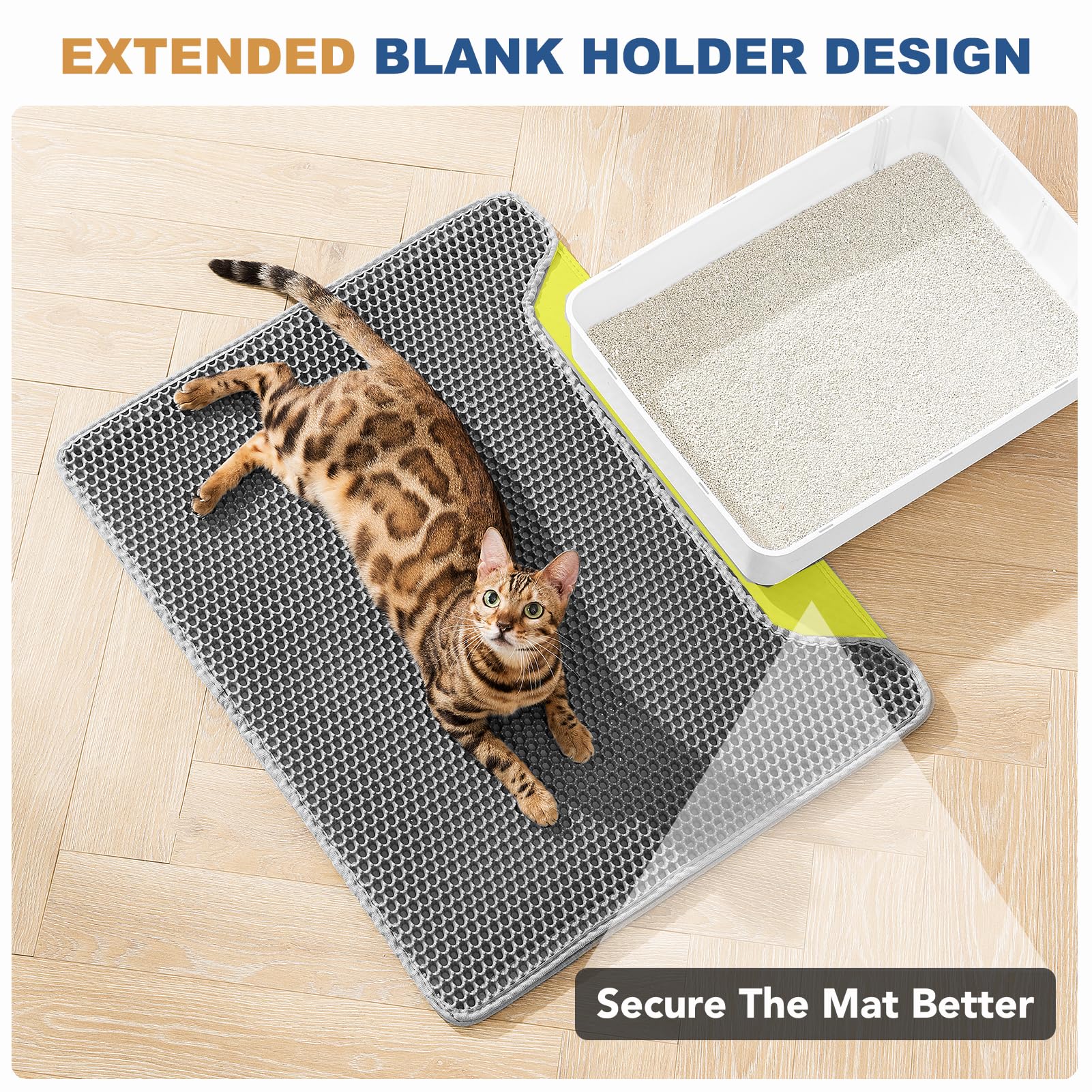
If you’ve ever stepped on a tiny piece of clay litter barefoot, you know the universal frustration of cat ownership: no matter how careful you are, loose litter ends up scattered across floors, stuck in grout lines, and even tracked to kitchen counters and beds. Litter box mats for cats are the simple, low-cost solution to this messy problem, designed to catch stray litter from your cat’s paws before it spreads throughout your home. Unlike throw rugs that just move the mess around, high-quality litter mats trap debris at the source, protect your flooring from scratches and stains, and even provide a comfortable surface for your cat to step on after using the box. In this guide, we’ll break down the benefits of litter mats, the different types available, key features to look for when shopping, maintenance tips to keep them effective, and budget-friendly DIY options for thrifty cat owners.
Key Benefits of Litter Box Mats for Cat Owners
Litter box mats do far more than just keep your floors clean—they simplify your cleanup routine, protect your home, and even improve your cat’s litter box experience. You can also read our guide on wet cat food for hydration.
Reduces Litter Tracking
In practice, most cats shake their paws 2–3 times after exiting the litter box, dislodging a noticeable amount of loose litter per use that ends up scattered across floors, grout, and low-pile carpet fibers that are nearly impossible to fully vacuum out. A well-designed litter mat acts as a first line of defense, catching the vast majority of this loose litter before it spreads to other areas of your home. This means less time sweeping and vacuuming, and no more crunchy litter underfoot when you walk barefoot.
Protects Your Flooring
Clay litter is mildly abrasive, and over time, scattered litter can scratch hardwood finishes, wear down tile grout, and even stain carpet fibers. A litter mat creates a barrier between the litter box and your flooring, preventing this long-term damage. For homes with expensive hardwood or tile, a mat can save you hundreds of dollars in repair costs over time. You can also read our guide on can you train cats like dogs.
Comfort for Sensitive Paws
Many cats—especially senior cats with arthritis, declawed cats, or cats with paw pad injuries—discomfort stepping on hard, cold floors after using the litter box. Soft foam or low-pile fabric mats provide a cushioned, warm surface that eases discomfort and can even encourage cats to use the litter box more consistently, reducing the risk of accidents outside the box.
Easy to Clean and Maintain
Unlike throw rugs that trap litter deep in their fibers, most litter mats are designed for quick, hassle-free cleaning. Rubber and silicone mats can be shaken out, vacuumed, or hosed off in under 2 minutes, while fabric mats are machine washable on a gentle cycle. Dual-layer designs let you dump trapped litter directly into the trash without touching debris. You can also read our guide on cat litter box mats best.
Fits Any Home Aesthetic
Gone are the days of bulky, ugly plastic mats that clash with your decor. Modern litter mats come in a wide range of colors, patterns, and sizes, from neutral beige and gray that blend seamlessly with flooring to fun, cat-themed designs that add personality to your space. You can even find mats sized to fit specific litter box shapes, from small corner boxes to large multi-cat boxes.
Common Types of Litter Box Mats
Litter mats come in a variety of materials and designs, each with unique pros and cons suited to different cat behaviors and home setups. Here’s a breakdown of the most common options:
Rubber Mats
Extremely durable and scratch-resistant, rubber mats often have raised edges to contain kicked litter, and their non-slip surface stays in place even when cats leap out of the box. They are easy to hose off for quick cleaning. The main downside is that smooth rubber surfaces can be slippery for some cats, and they may retain odors if not dried properly after washing. They are the best choice for high-traffic homes, multi-cat households, and cats that kick litter aggressively. You can also read our guide on cat flea and tick medication.
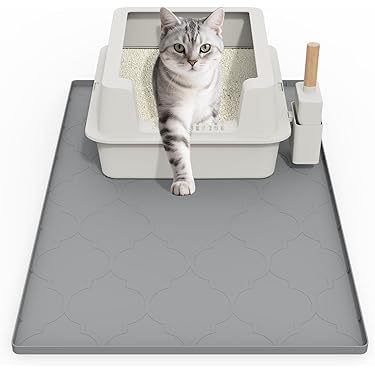
Image source: www.amazon.com
A raised-edge rubber mat is the most popular option for containing kicked litter.
Silicone Mats
Fully waterproof and flexible, silicone mats have a non-stick surface that prevents litter from clinging, and they can be easily rinsed and dried. They are resistant to mold and mildew, making them ideal for wet areas like laundry rooms. Thin silicone options may slide around on smooth floors, and they offer less cushion for cats with sensitive paws. They work best for small spaces, cats that occasionally urinate outside the box, and owners who want a fully waterproof option.
Foam Mats
Soft and cushioned, foam mats are the top choice for senior cats, declawed cats, or cats with paw pad sensitivities. They are lightweight and easy to move, and absorb minor moisture from tracked paw prints. The main drawback is that foam can absorb urine and odors over time if not cleaned regularly, and it is far less durable than rubber or silicone. They are best suited for single-cat households with gentle cats.
Fabric/Textile Mats
Available in a huge range of colors and patterns to match any home decor, fabric mats are soft on paws and machine washable for easy cleaning. The downside is that they trap litter deep in their fibers, making shaking out less effective, and they take longer to dry than other mat types, which can lead to mold if not cared for properly. They are a good pick for cat owners who prioritize aesthetics and use low-shedding litter.
Dual-Layer Honeycomb Mats
A newer, increasingly popular design, dual-layer honeycomb mats have a top layer with a honeycomb pattern that catches litter from paws, and a solid bottom tray that holds trapped litter so it doesn’t spill out when you move the mat to clean it. They are slightly more expensive than single-layer mats and bulkier to store, but they are the most effective option for cats that kick litter aggressively, as they contain both tracked and kicked litter in one place.
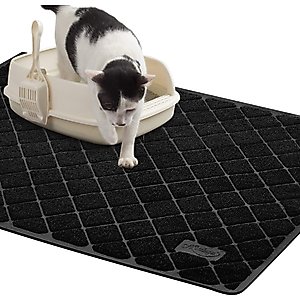
Image source: www.chewy.com
Dual-layer honeycomb mats catch litter in the top layer and hold it in a solid bottom tray for easy disposal.
Essential Features to Look for in a High-Quality Litter Box Mat
Not all litter mats are created equal—these key features will help you pick a model that lasts and works for your cat’s needs:
Size and Coverage
The mat should be at least 18x24 inches for standard litter boxes, but larger is always better. Aim for a mat that extends 6–12 inches past all sides of the box to catch litter from cats that jump out from a distance or kick litter aggressively. For covered litter boxes, make sure the mat is large enough to cover the entire entrance area. For multi-cat households, opt for a mat that’s at least 24x36 inches to accommodate multiple cats using the box at once.
Litter Retention Design
Honeycomb, ribbed, or raised edge designs are far more effective at catching litter than flat, smooth mats. Avoid mats with shallow patterns that let litter fall through easily. Dual-layer mats are the best option for heavy litter tracking, as they hold trapped litter in a separate tray so it doesn’t spill out when you lift the mat to clean it.
Non-Toxic, Pet-Safe Materials
Cheap PVC mats may contain phthalates or other harmful chemicals that can be toxic if ingested (a risk for kittens or cats that chew on mats). Opt for BPA-free, phthalate-free rubber or food-grade silicone, per ASPCA guidelines for pet-safe household products. If you have a cat with known allergies, avoid fabric mats with synthetic dyes or chemical treatments.
Non-Slip Backing
A textured, non-slip backing prevents the mat from sliding when your cat leaps out of the litter box, which can cause falls or shift the mat out of place and reduce its effectiveness. For smooth floors like tile or polished hardwood, look for mats with rubberized backing or even small adhesive corners (if you don’t mind minor residue when removing the mat).
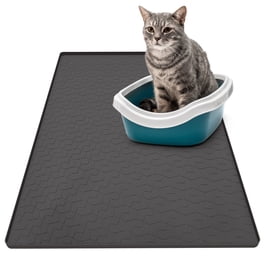
Image source: www.walmart.com
Textured non-slip backing keeps the mat in place on smooth, slippery flooring.
Ease of Cleaning
Look for mats that are easy to shake out, vacuum, or rinse off. Avoid mats with deep, hard-to-reach crevices, as trapped litter and moisture can lead to mold and odors that deter your cat from using the litter box. If you opt for a fabric mat, make sure it’s machine washable on a gentle cycle to simplify cleanup.
Durability
Rubber and thick silicone mats typically last 2–3 years with regular use, while foam and fabric mats may need replacing every 6–12 months. For multi-cat households, investing in a more durable mat is cost-effective long-term, as you won’t have to replace it as often.
How to Choose the Right Mat for Your Cat and Home
The best litter mat for you depends on your cat’s habits, your litter box setup, and your home’s flooring. Use these tips to narrow down your options:
Assess Your Cat’s Litter Habits
Observe your cat’s behavior around the litter box: if they kick litter aggressively after using the box, you need a mat with raised edges or a dual-layer design to contain the mess. If they have sensitive paws, opt for a soft foam or low-pile fabric mat. If they tend to urinate just outside the box, a waterproof silicone or rubber mat is a must to protect your flooring from stains. For kittens or cats that chew on household items, avoid thin, flimsy mats that can be torn and ingested. Cats have unique personalities and litter box preferences, so tailoring the mat to their habits will make both of you happier.
Match to Your Litter Box Setup
Measure your litter box before buying a mat to ensure a proper fit. For standard open litter boxes, a rectangular mat that fits entirely under the box is ideal. For covered boxes, use a larger mat that covers the entrance and the area in front of the box. If you have an automatic litter box setup, look for mats specifically designed to fit the unit’s base with cutouts for the waste compartment. If you have a self-cleaning litter box, opt for a low-profile mat that won’t interfere with the unit’s sensors or rake mechanism.
Budget Considerations
Litter mat prices range from $5 for a basic rubber welcome mat to $30+ for premium designer fabric mats. For most cat owners, a mid-range rubber or dual-layer mat ($15–$20) offers the best balance of durability and effectiveness. If you’re on a tight budget, a rubber welcome mat from a local hardware store works just as well as most pet-specific mats for a fraction of the price. For multi-cat households, investing in a more durable mat will save you money on replacements over time.
How to Clean and Maintain Your Litter Box Mat
Regular maintenance keeps your litter mat effective, prevents odors and mold, and ensures it doesn’t become a deterrent for your cat using the litter box.
Routine Care (Every 2–3 Days)
- Lift the mat and shake it out over a trash can to dislodge loose litter. For dual-layer mats, pull out the bottom tray and dump the trapped litter directly into the trash.
- Vacuum the mat’s surface with a handheld vacuum or brush attachment to remove stuck-on litter particles, especially in textured or honeycomb designs.
- If you have a fabric mat, shake it out outdoors first to avoid spreading loose litter inside your home.
Deep Cleaning (Weekly)
- For rubber and silicone mats: Wipe down with warm, soapy water, or hose off outdoors if heavily soiled. Make sure the mat is fully dry before placing it back under the litter box to prevent mold.
- For fabric mats: Machine wash on a gentle cycle with unscented detergent (scented detergents leave residues that can deter cats from using the litter box) and air dry completely. Never put fabric mats in the dryer, as high heat can melt synthetic fibers or shrink the mat.
- Avoid using harsh chemical cleaners like bleach, ammonia, or strong disinfectants near litter box areas, as these can be toxic to cats and leave strong odors that repel them. The Humane Society recommends avoiding harsh chemical cleaners near litter box areas to prevent deterring cats from using their boxes.
Odor Prevention and Replacement
To neutralize mild odors, sprinkle baking soda over the mat’s surface, let sit for 15 minutes, then shake or vacuum it out. For rubber and silicone mats, a wipe-down with a 50/50 mix of white vinegar and water also removes odors without harsh chemicals. Replace your mat if it develops deep cracks, tears, or persistent odors that can’t be removed with cleaning, as these can harbor harmful bacteria. Most mats last 1–3 years with regular use.
Budget-Friendly DIY Litter Box Mat Alternatives
If you don’t want to spend money on a store-bought mat, several common household items work just as well, with a few caveats:
Rubber Welcome Mat
The most effective DIY option, as the raised, textured edges trap litter extremely well, and it’s fully waterproof. Cut it to size with a utility knife if it’s too large for your space. Cost: $5–$10 at any hardware store. Pro tip: look for one with a non-slip backing to keep it in place.
Old Yoga Mat
Cut to size, the textured surface catches litter well, and it’s easy to wipe clean with soap and water. Avoid thin, flimsy yoga mats that tear easily. Cost: free if you have an old one you no longer use.
Low-Pile Carpet Remnant
Cut a piece of low-pile carpet to size, the textured fibers trap litter effectively. Avoid high-pile carpet, as it holds litter deep in the fibers that’s hard to remove and can harbor moisture and odors. Cost: free or $1–$5 from a carpet remnant store.
What to Avoid for DIY Mats
Skip fluffy bath towels, high-pile rugs, and cardboard: towels and high-pile rugs trap litter deep in their fibers that’s nearly impossible to fully remove, and they absorb moisture which leads to mold and odors. Cardboard will get soggy from urine or litter moisture and fall apart within a few weeks.
Complementary Accessories for a Cleaner Home
A litter box mat is just one part of a complete litter box cleanup routine. Pair it with these tools to cut down on mess and odors even more:
Litter Box Liners
Use heavy-duty, tear-resistant liners that fit your litter box snugly to make emptying the entire box a 30-second task—just lift the liner, dump the litter, and replace it. Look for liners with drawstrings for even easier cleanup. If you have an odor-control litter box, make sure to use liners designed for that specific model to avoid tearing.
Litter Deodorizers and Odor Absorbers
Sprinkle a small amount of baking soda or a pet-safe litter deodorizer on top of the litter each time you scoop to neutralize odors at the source. For persistent odors, place a small activated charcoal filter near the litter box (not inside, as some cats may avoid it). Pair this with a litter box deodorizer spray for quick touch-ups between deep cleans.
High-Quality Low-Tracking Litter
Low-dust, clumping clay or silica litter produces far less mess and tracking than cheap, dusty clay litter. If you have multiple cats, a high-quality multi-cat formula will also help control odors and reduce the amount of loose litter in the box that gets tracked out.
Fine-Mesh Litter Scoop
A scoop with a fine mesh screen sifts out small litter particles instead of dumping them along with waste, reducing the amount of loose litter in the box that gets tracked out. Empty the scoop directly into a trash can lined with a litter box liner to avoid spills.
Frequently Asked Questions
Do litter box mats actually work?
Yes, when chosen and used correctly. High-quality litter box mats with a textured, raised design can catch the vast majority of loose litter from your cat’s paws before it’s tracked throughout your home. The key is selecting a mat with a design that matches your cat’s habits: for cats that kick litter, a mat with raised edges or a dual-layer design is far more effective than a flat, low-pile mat.
Should I put a mat under my litter box?
Absolutely, as long as it’s waterproof. A mat under the litter box protects your flooring from scratches, urine stains, and water damage from spilled water bowls or humid litter. If you use a foam or fabric mat, place a thin rubber mat underneath it to prevent moisture from seeping through to your floors.
What can I use instead of a store-bought litter box mat?
As noted in the DIY section, a rubber welcome mat, old yoga mat, or low-pile carpet remnant works just as well as most pet-specific mats. Just make sure whatever you use is easy to clean, non-slip, and made of non-toxic materials.
How often should I clean my litter box mat?
Shake out or vacuum your mat every 2–3 days to remove loose litter. Deep clean rubber, silicone, and fabric mats once a week with warm, soapy water or in the washing machine (for fabric). Replace your mat when it shows signs of wear, like cracks, tears, or persistent odors that won’t come out with cleaning, which is usually every 1–3 years depending on the material and how many cats use it.
My cat is avoiding the litter box mat—why?
This is almost always due to the mat’s texture or cleanliness. Some cats dislike sticky, rubbery textures, or mats that are dirty and smell like old litter or cleaning chemicals. Try switching to a softer fabric or foam mat, and make sure you clean the mat regularly with unscented detergent to avoid strong odors that deter your cat. If avoidance persists, consult your vet to rule out underlying health issues causing litter box aversion.
Final Thoughts
Litter box mats are one of the simplest, most cost-effective tools you can add to your cat care routine to keep your home clean and your cat comfortable. By catching loose litter at the source, they eliminate the hassle of constant sweeping, protect your flooring from long-term damage, and even provide a comfortable surface for your cat after using the box. The right mat for you depends on your cat’s habits, your litter box setup, and your home’s layout: for heavy litter kickers, a raised-edge rubber or dual-layer mat is the best choice; for cats with sensitive paws, a soft foam or fabric mat works best; for small spaces or wet areas, a waterproof silicone mat is ideal. If you’re also shopping for a new litter box to pair with your mat, our guide to top-rated litter box models breaks down the best options for every home and cat type, from standard open boxes to self-cleaning automatic models.