
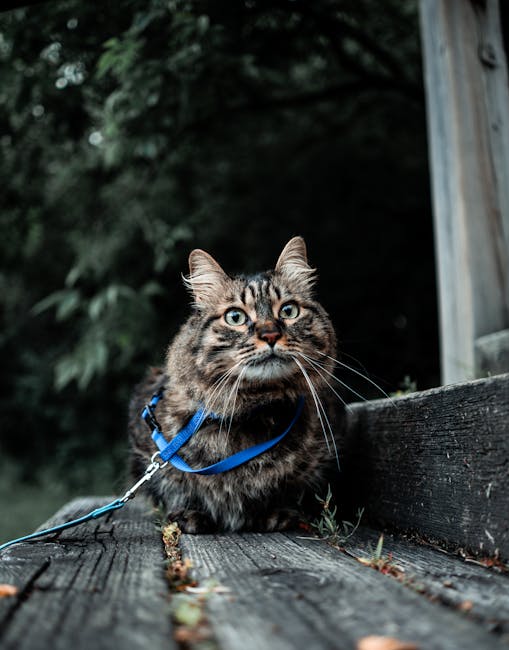
Imagine the joy of exploring the outdoors with your feline friend by your side. Training your cat to walk on a leash opens up a world of adventures and strengthens your bond.
If you're wondering how to make this dream a reality, you're in the right place. This guide will show you how to safely and effectively train your cat to enjoy leash walks. You'll learn simple steps that make the process easy and enjoyable, both for you and your furry companion.
With a bit of patience and the right techniques, you'll soon be sharing outdoor moments with your cat like never before. Ready to start this exciting journey? Let's dive in!

Credit: lifeandcats.com
Choosing The Right Equipment
Choosing the right equipment is crucial for training a cat to walk on a leash. Opt for a comfortable harness that fits well and a lightweight leash to ensure your cat feels secure and relaxed during walks.
Choosing the Right Equipment Training your cat to walk on a leash begins with the right gear. Proper equipment ensures safety and comfort for both you and your feline friend. The harness and leash are crucial components in this process. Let's dive into selecting the best options for your cat.
Selecting The Perfect Harness
A good harness is essential for your cat's safety. Unlike collars, harnesses distribute pressure across the body. This prevents choking and provides better control. Look for a harness that is adjustable. It should fit snugly but not too tight. The material should be soft yet durable. Mesh or padded options offer comfort and breathability. Ensure the harness has secure buckles or clips. This prevents accidental escapes. Always check the harness fit regularly. Cats can slip out if it becomes too loose.
Picking The Suitable Leash
Leashes for cats differ from those for dogs. They are usually lighter and shorter. A lightweight leash allows your cat freedom to explore. Opt for a leash that is 4 to 6 feet long. This provides enough room for movement while maintaining control. Retractable leashes may seem appealing but can be risky. They can tangle or break easily. A simple nylon or cotton leash often works best. It's easy to handle and less likely to cause injury. Choose one with a comfortable handle for your grip. Proper leash selection enhances your cat's walking experience.

Credit: threechattycats.com
Acclimating Your Cat
Introduce your cat to a leash gradually. Begin indoors with short sessions. Praise and offer treats to encourage walking. Practice regularly until your cat feels comfortable exploring outside.
Acclimating your cat to a leash can be a rewarding experience, both for you and your feline friend. Cats are naturally curious creatures, and with patience, they can learn to enjoy the outdoors safely. It's all about creating a positive association with the leash and harness. As you embark on this journey, remember that each cat is unique, and the acclimation process might require some time.
Introducing The Harness
Start by choosing a comfortable harness specifically designed for cats. It should fit snugly but not too tight. Place the harness near your cat's favorite lounging spot. Let them sniff and investigate it at their leisure. Gradually, associate the harness with positive experiences. Offer treats or their favorite toy when they are near the harness. This builds a positive connection and reduces any initial apprehension. Think about how your cat reacts to new objects. Are they curious or cautious? Adjust your approach based on their personality to ensure a smooth introduction.
Allowing Time For Adjustment
Once your cat is familiar with the harness, gently put it on them for short periods indoors. Keep it light and fun, offering treats or playtime while they wear it. Monitor their behavior closely. If they seem uncomfortable, remove the harness and try again later. Patience is key; rushing the process can lead to stress. Consider how your cat responds to wearing the harness. Do they freeze or try to remove it? Use these cues to pace your training, ensuring your cat feels secure and relaxed. Taking these steps gradually can transform the harness from a foreign object into a gateway to exciting outdoor adventures.
Leash Training Indoors
Training a cat to walk on a leash begins indoors. This environment feels safe and familiar. It helps your cat get comfortable with the leash. Start with short sessions. Gradually increase the time spent training. Be patient. Encourage your cat at each step.
Encouraging Movement
Use treats to motivate your cat. Hold a treat in front of them. Let them sniff it. Then, slowly move the treat. Encourage your cat to follow. Reward them when they move forward. This links movement with positive outcomes.
Create a fun path. Use toys or objects your cat likes. Place them at intervals. This encourages exploration. Your cat will move towards the toys naturally. Praise them as they move.
Practicing Commands
Teach simple commands. Start with "come" or "follow." Use a calm voice. Say the command and show a treat. Reward your cat when they respond correctly.
Repeat commands regularly. Keep sessions short to maintain interest. Gradually increase the challenge. Add more complex commands over time.
Remember to stay patient. Training takes time. Celebrate small victories with your cat. This builds confidence and trust.
Credit: medium.com
Transitioning Outdoors
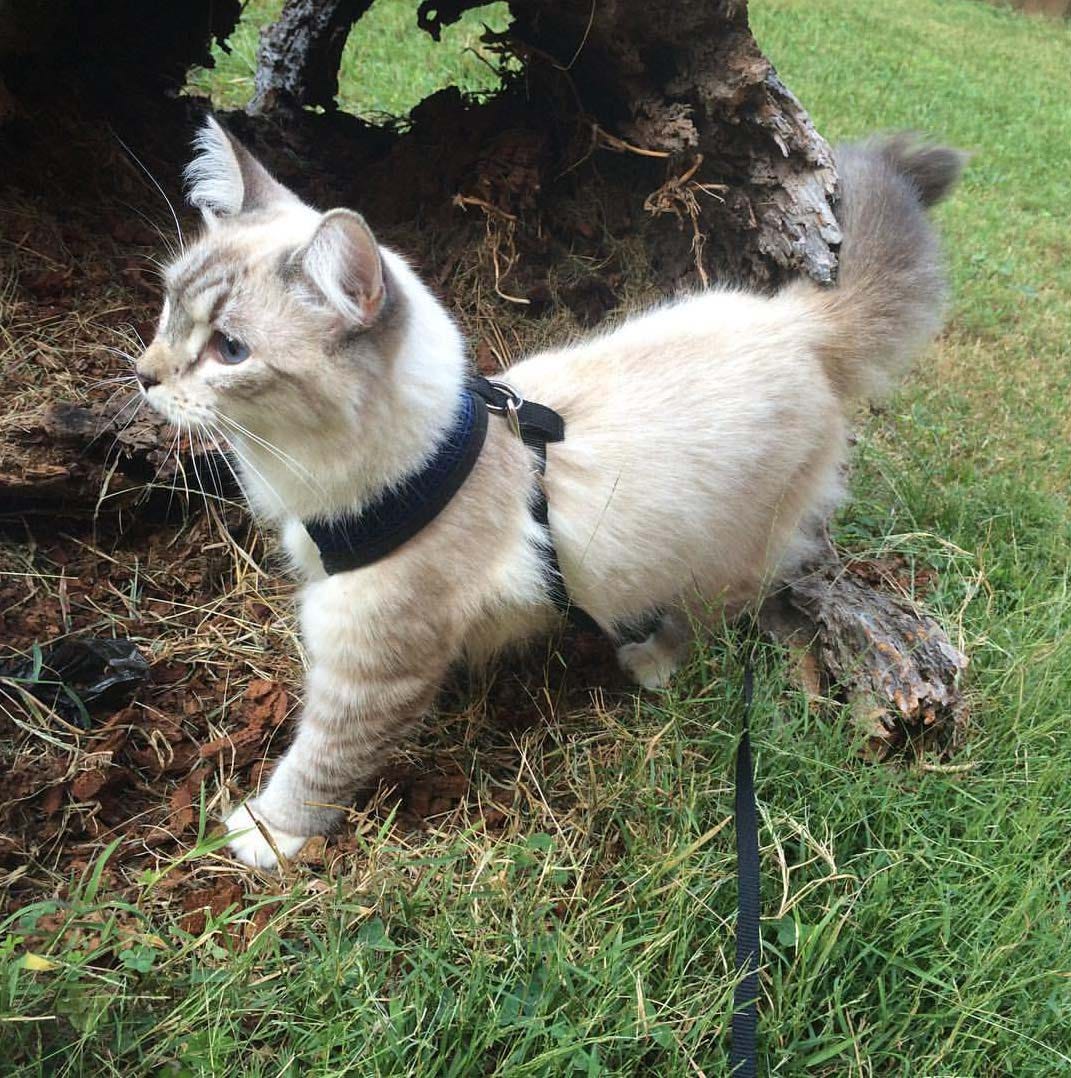
Transitioning outdoors is a big step for a cat learning to walk on a leash. The outside world is full of sights, smells, and sounds. It's crucial to ensure your cat feels safe and comfortable. Proper preparation can make this journey enjoyable for both you and your feline friend.
Choosing A Safe Environment
Pick a quiet place for your cat's first outdoor experience. Avoid areas with heavy traffic or loud noises. A backyard or a calm park is ideal. Ensure the area is free from dogs or other animals that might scare your cat. Familiarity helps; choose a spot your cat knows, like the garden.
Starting With Short Sessions
Begin with brief outings. Ten minutes is a good starting point. Gradually increase the time as your cat gets used to the new environment. Watch your cat's behavior closely. If they seem stressed, cut the session short. Praise and treats can help your cat associate outdoor time with positive experiences.
Handling Outdoor Challenges
Training a cat to walk on a leash can be a fun outdoor adventure. Start indoors with a comfortable harness, allowing your cat to get used to the feel. Gradually introduce the leash, ensuring each step is calm and positive for your feline friend.
Training a cat to walk on a leash can be an exciting adventure. Yet, outdoor challenges can arise. Understanding these challenges ensures a smoother experience. Cats, curious by nature, will encounter many new stimuli outside. Preparing for these situations makes the walk enjoyable for both you and your feline friend.
Dealing With Distractions
Cats can be easily distracted outdoors. Birds, insects, and even leaves can capture their attention. It's important to keep your cat focused during walks. Use treats to redirect their attention when they become distracted. A gentle tug on the leash can also help refocus them. Practice patience during these moments. Over time, your cat will learn to ignore minor distractions.
Ensuring Safety From Other Animals
Outdoor environments can host various animals. Dogs, other cats, or wild animals may be nearby. Ensure your cat's safety by being vigilant. Keep your cat close and observe their surroundings. If another animal approaches, calmly pick up your cat if necessary. Avoid areas known for stray animals. Choose quiet routes for your walks. This reduces the risk of unexpected encounters.
Reinforcing Positive Behavior
Introduce the leash gently, letting the cat sniff and explore it. Reward calm behavior with treats and praise. Gradually build up to wearing the harness indoors before venturing outside.
Reinforcing Positive Behavior is a vital part of training your cat to walk on a leash. Cats, unlike dogs, are naturally independent and may not respond immediately to commands. Positive reinforcement helps bridge this gap, encouraging your feline friend to associate the leash with pleasant experiences. But how can you make sure your cat embraces this new adventure?
Using Treats And Praise
Offering treats is a powerful tool in your training arsenal. Choose a treat your cat loves—perhaps a special snack reserved just for training sessions. Consistently rewarding your cat when they respond positively to the leash can help them understand that good behavior earns rewards. Pair treats with praise. Use a cheerful voice to commend your cat when they take steps on the leash or show curiosity. This builds a positive association, making them more likely to repeat the behavior. Imagine your cat's delight when they learn that leash time means snack time and a shower of compliments!
Maintaining Patience
Patience is your greatest ally in this journey. Cats may not adapt quickly to the leash, and rushing the process can lead to setbacks. A calm and patient approach ensures your cat feels secure and not pressured. Consider each session a step forward, even if progress seems slow. How would you feel if someone rushed you into a new experience? Give your cat the time they need to adjust, celebrating small victories along the way. In your experience, what has been your biggest challenge with patience? Reflect on how overcoming that can also help you in training your cat.
Addressing Common Issues
Teaching a cat to walk on a leash can be challenging. Cats may resist unfamiliar sensations, like wearing a harness. Use treats and gentle encouragement to make the experience positive.
Training a cat to walk on a leash can be a rewarding journey for both you and your feline friend. However, it's not always smooth sailing, and you might encounter some common issues along the way. Addressing these challenges effectively can make the experience enjoyable and stress-free for both parties.
Overcoming Fear And Anxiety
Cats are naturally cautious creatures, and introducing them to a leash can trigger fear and anxiety. Start by allowing your cat to explore the leash and harness inside your home. Let them sniff and play with it to build familiarity. Once your cat seems comfortable, try putting the harness on for short periods, offering treats and affection to create positive associations. Remember, patience is key. Avoid forcing the harness or leash onto your cat, as this can exacerbate their anxiety. Think about the environment you're exposing your cat to. Is it too noisy or overwhelming? A quiet backyard or a calm room is ideal for initial training sessions.
Managing Leash Resistance
Leash resistance is a common hurdle. Some cats might freeze or refuse to move when they first feel the tug of the leash. If this happens, gently coax them forward with treats or toys. Keep the leash slack, allowing your cat to lead the way initially. This gives them a sense of control and minimizes resistance. Encourage small steps, celebrating each success with praise and rewards. If your cat pulls back or tries to escape, stop and let them get comfortable again. Consistency and calmness will help them adjust over time. Remember, every cat is unique, and some may take longer to adapt to leash walking. Have you tried different harness styles? Sometimes, a better fit can make all the difference in reducing resistance.
Frequently Asked Questions
Can A Cat Be Taught To Walk On A Leash?
Yes, cats can learn to walk on a leash with patience and training. Start with a comfortable harness. Gradually introduce the leash indoors, rewarding your cat for progress. Practice regularly, keeping sessions short and positive. Eventually, your cat will adapt to outdoor walks, enjoying new sights and smells.
At What Age Can You Leash Train A Cat?
You can start leash training a cat at around 8-12 weeks old. Begin with short sessions using positive reinforcement. Ensure the cat is comfortable with the harness before attaching the leash. Gradually increase the duration as the cat becomes more accustomed.
Is It A Good Idea To Walk Your Cat On A Leash?
Walking your cat on a leash can be a great idea. It provides exercise and mental stimulation. Ensure your cat feels comfortable with the harness. Start slowly and choose a quiet, safe environment. Always supervise your cat during walks to prevent any stress or danger.
How Do You Train A Cat To Go Outside And Come Back?
Start by using a harness and leash for safety. Gradually increase outdoor time, using treats as rewards. Call the cat's name and use familiar sounds to encourage return. Ensure a consistent routine to build familiarity and confidence. Supervise until the cat reliably comes back on its own.
Conclusion
Training a cat to walk on a leash requires patience. Start slow. Use treats to encourage your cat. Practice in a quiet space at first. Gradually increase outdoor adventures. Pay attention to your cat's comfort. Every cat is unique, so adjust your approach.
Celebrate small victories and progress. Don't rush the process. Consistency is key. Your efforts will lead to success. Enjoy bonding time with your cat. Leash walking can be fun for both of you. With time, your cat may love these walks.
Keep it positive. Happy training!
