
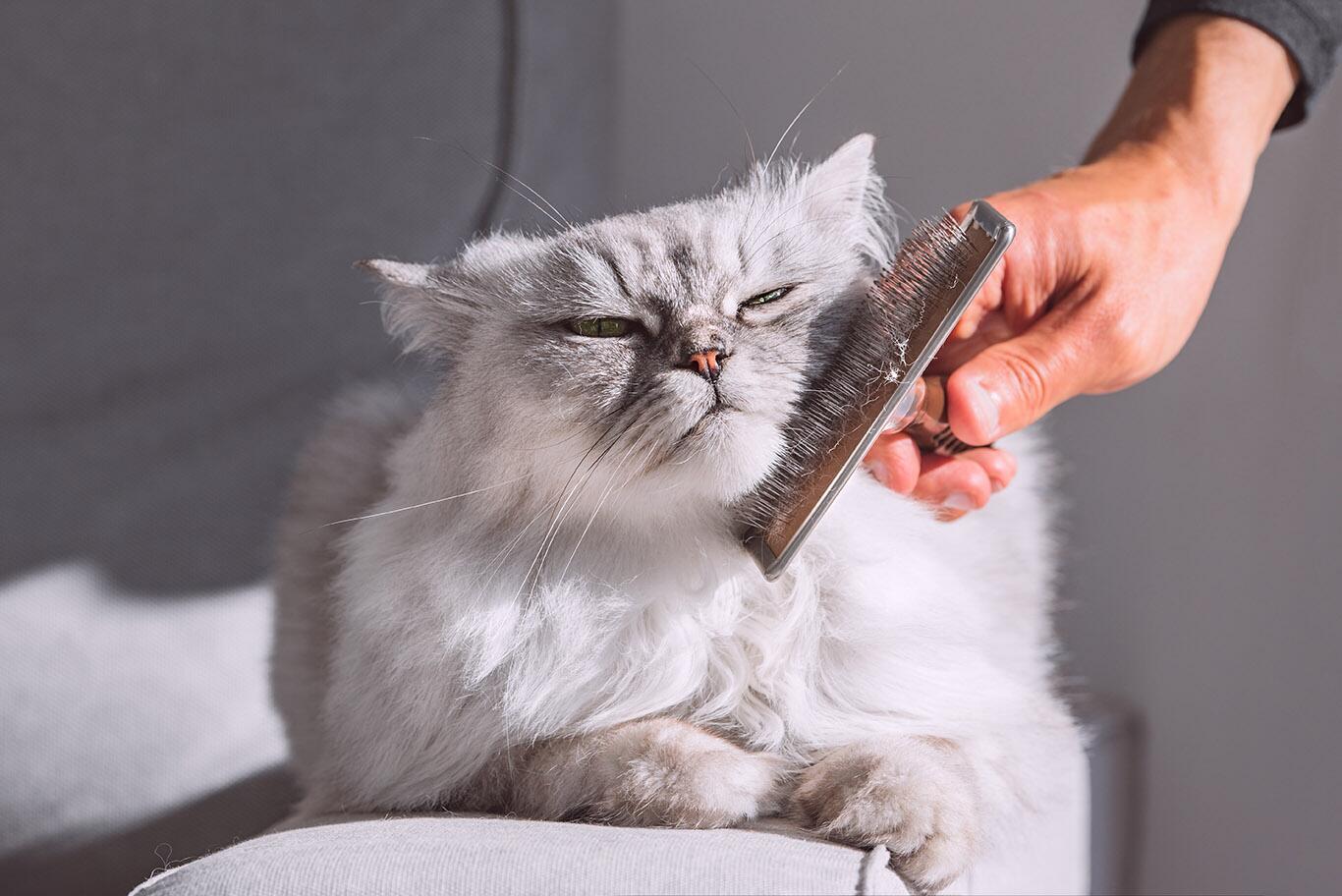
Do you ever wonder how often you should brush your cat's hair? You’re not alone.
Many cat owners are unsure about how frequently they should groom their feline friends. Regular brushing is crucial for maintaining your cat’s health and happiness. It helps prevent mats, reduces shedding, and can even minimize hairballs. But finding the right brushing routine isn't just about keeping your furniture fur-free; it's about ensuring your cat feels comfortable and cared for.
Dive into this article to discover the secrets of effective cat grooming, and learn how to turn brushing into a bonding experience both you and your cat will love. Your furry friend deserves the best, and understanding the ideal brushing frequency is a perfect start.
Brushing Frequency For Cats
Brushing your cat's hair 2-3 times a week helps reduce shedding and prevents matting. Long-haired breeds may need daily grooming to maintain a healthy coat. Regular brushing also minimizes hairballs and strengthens your bond with your feline friend.
Brushing your cat's hair is crucial for their health and comfort. It helps remove loose hair, reduces shedding, and prevents matting. Establishing a regular brushing routine is important. But how often should you brush your cat? The answer depends on several factors, including the type of cat you have.
Understanding Your Cat's Coat Type
Different cats have different coat types. Short-haired cats require less frequent brushing. Long-haired cats need more attention. Recognizing your cat's coat type is the first step. It guides you in setting a proper brushing schedule.
Short-haired Cats
Short-haired cats are low maintenance. Brush them once a week. This frequency helps control shedding. It also keeps their coat shiny and healthy. Use a soft-bristle brush for the best results.
Long-haired Cats
Long-haired cats require more care. Brush them daily. Their hair tangles easily. Daily brushing prevents mats and tangles. It also reduces hairballs. A wide-toothed comb works well for these cats.
Seasonal Considerations
Cats shed more during certain seasons. Spring and fall see increased shedding. Adjust your brushing frequency during these times. For short-haired cats, twice a week may suffice. Long-haired cats might need extra attention.
Age And Health Factors
Consider your cat's age and health. Older cats may have trouble grooming themselves. Ill cats might need extra help too. Frequent brushing can assist them. It keeps their coat in good condition.
Signs You Should Brush More Often
Look for signs of matting or excessive shedding. These indicate a need for more brushing. Also, watch for changes in your cat's coat. Dullness or increased shedding might require attention. Regular brushing offers many benefits. It reduces hairballs and shedding. It also promotes a healthy coat. Plus, it's a bonding experience. Your cat will enjoy the attention and care.
Factors Influencing Brushing Needs
Brushing your cat's fur isn't just about maintaining a neat appearance. The frequency of brushing greatly depends on several factors that are unique to your feline friend. Understanding these factors can help you tailor a grooming routine that best suits your cat’s needs.
Coat Type
Different breeds have varying coat types, influencing how often you should brush their fur. Long-haired breeds like Persians require daily brushing to prevent matting and tangles. In contrast, short-haired cats such as the American Shorthair may only need weekly sessions. Consider the texture and length of your cat's coat. Does your cat have dense fur prone to knots? This might necessitate more frequent brushing.
Age And Health
Older cats or those with health issues might need extra attention. As cats age, their grooming habits may decline. You might notice your senior cat struggling with self-grooming, leading to more tangles. Also, if your cat suffers from ailments like arthritis, brushing can help alleviate discomfort and promote circulation. How does your cat’s health influence its grooming needs?
Seasonal Shedding
Many cats undergo periods of increased shedding, often during seasonal changes. Spring and fall are notorious for shedding spikes as cats adjust their coats for temperature changes. During these times, more frequent brushing can help manage loose fur and reduce the amount of shedding around your home. Do you notice more fur on your furniture during certain months?
By understanding these factors, you can create a brushing routine that ensures your cat is comfortable and well-groomed. What's your experience with brushing your cat's fur, and how have these factors played a role?
Tools For Effective Grooming
Proper grooming tools can make brushing your cat's hair easier. They help keep your cat's coat healthy and free of tangles. Using the right tools can also reduce hair shedding. Let's explore some essential tools for effective grooming.
Brush Types
Choosing the right brush for your cat is crucial. Different brushes suit different fur types. Slicker brushes work well for cats with long hair. They remove loose fur and prevent mats. Bristle brushes are best for short-haired cats. They help distribute natural oils and keep the coat shiny. Always brush gently to avoid hurting your cat.
Combs And Detanglers
Combs are useful for removing knots. Metal combs with wide and narrow teeth are versatile. They can tackle different fur types and lengths. Detanglers are handy for stubborn mats. They gently break down knots without pulling. Regular combing can prevent tangles from forming. This keeps your cat's fur neat and healthy.

Credit: www.purina.com
Signs Your Cat Needs More Grooming
Caring for your feline friend involves more than just feeding and cuddles; grooming is equally crucial. But how do you know if your cat needs more grooming? Paying attention to specific signs can make all the difference in their comfort and health. Let's delve into the telltale signs your cat might need a bit more TLC in the grooming department.
Excessive Shedding
Have you ever noticed tufts of cat hair gathering in the corners of your home? While some shedding is normal, excessive shedding might be a sign your cat needs more grooming. Regular brushing helps remove loose fur and reduces the amount left around your house. If you find yourself vacuuming more than usual, it might be time to grab that brush.
Matted Fur
Matted fur can be uncomfortable and even painful for your cat. If your cat's coat feels knotty or tangled, it's a sign that grooming is overdue. Mats can pull on their skin and create potential health issues. Frequent brushing prevents matting and keeps their coat looking smooth and shiny. Is your cat's fur feeling less than luxurious lately? A little extra grooming might be in order.
Benefits Of Regular Brushing
Regular brushing helps reduce shedding and prevents matting in cat hair. It promotes a healthy coat by distributing natural oils. Frequent grooming also enhances bonding with your cat and allows early detection of skin issues.
Regular brushing of your cat's hair offers many advantages. It keeps their coat healthy and reduces hairballs. This simple task can make a big difference in your cat's wellbeing. Let's explore the benefits of regular brushing.
Healthier Coat
Brushing removes dirt and loose fur. It helps distribute natural oils throughout the coat. This process results in a shiny, smooth coat. Regular brushing also prevents mats and tangles. These can be uncomfortable and painful for your cat. By brushing, you also stimulate your cat's skin. This promotes better blood circulation. A healthier coat means a happier cat.
Reduced Hairballs
Cats groom themselves by licking their fur. This can lead to swallowing loose hair. Hairballs form in the stomach. Regular brushing reduces loose hair. This means fewer hairballs for your cat. Less hair in the stomach makes your cat feel better. It also means less mess for you to clean. Regular brushing helps keep your home cleaner too.

Credit: www.latimes.com
Grooming Tips For Cat Owners
Regular brushing keeps your cat's coat healthy and reduces shedding. Long-haired cats need brushing daily to avoid tangles, while short-haired cats benefit from weekly grooming. This routine helps in maintaining a clean, comfortable environment for both cats and owners.
Grooming your cat is more than just about keeping their coat shiny; it’s a bonding experience that can enhance your relationship. Regular brushing helps reduce shedding, prevents hairballs, and keeps your cat's skin healthy. But how do you create a grooming routine that's effective and enjoyable for both you and your feline friend?
Creating A Routine
Establish a consistent grooming schedule that suits your cat's needs. Long-haired breeds might require daily brushing, while short-haired cats may only need it a few times a week. Set aside a specific time each day or week, so your cat knows what to expect and begins to anticipate these sessions. Observe your cat's reaction to brushing and adjust the schedule as needed. If your cat seems stressed or agitated, try a different time of day when they’re more relaxed. Consistency is key, but flexibility can make the routine more effective.
Making Grooming Enjoyable
Transform grooming time into a positive experience by using treats and praise. Reward your cat with their favorite snacks after a successful session to build positive associations. Speak in a calm and soothing voice to reassure them. Choose the right brush for your cat’s coat type to avoid discomfort. A soft-bristled brush is often ideal for sensitive areas, while a slicker brush can help with tangles. Test different tools to find one your cat prefers, and always be gentle to maintain their trust. Have you ever noticed how your cat reacts to different grooming tools? Paying attention to their preferences can make all the difference in creating a routine they love. What small changes can you make to turn grooming into a highlight of their day?
Expert Opinions On Cat Grooming
Understanding how often to brush your cat's hair is important. Expert opinions on cat grooming vary. They provide valuable insights to maintain your cat's coat health. Regular grooming prevents matting and reduces hairballs. It also strengthens the bond between you and your pet. Let's dive into expert advice on cat grooming.
Understanding Your Cat's Coat Type
Cats have different coat types. Some have short hair, while others are long-haired. Each type requires a unique grooming routine. Long-haired cats need daily brushing. This prevents tangles and matting. Short-haired cats require less frequent grooming. Aim for a few times a week.
Recognizing Seasonal Shedding Patterns
Cats shed more during certain seasons. Spring and fall are common shedding times. During these periods, increase brushing frequency. This helps manage excess fur and keeps your home cleaner.
The Role Of Cat Breed In Grooming Needs
Different breeds have specific grooming needs. Persian cats, for example, need more frequent grooming. Their long, dense fur tangles easily. Siamese cats have short fur. They require less frequent brushing. Know your cat's breed and adjust grooming accordingly.
Health Benefits Of Regular Grooming
Regular grooming offers many health benefits. It reduces the risk of skin issues. It also helps detect parasites early. Grooming can improve blood circulation. This keeps your cat's coat shiny and healthy.
Look for signs your cat needs more brushing. Mats or tangles in fur indicate more frequent grooming is needed. Excessive shedding is another sign. Regular attention to these signs ensures a healthy coat.

Credit: www.latimes.com
Frequently Asked Questions
Are You Supposed To Brush Your Cat's Fur?
Brushing your cat's fur is essential for maintaining their coat's health and reducing shedding. Regular grooming helps prevent matting and hairballs. It also strengthens the bond between you and your cat. Choose a suitable brush based on your cat's fur type, and gently brush them for a few minutes daily.
How Often Can You Brush Your Cat's Hair?
Brush your cat's hair several times a week to prevent tangles and reduce shedding. Long-haired cats may need daily brushing. Regular grooming promotes a healthy coat and minimizes hairballs. Use a suitable brush and be gentle to make the experience enjoyable for your cat.
What Happens If I Don't Brush My Cat's Hair?
Neglecting to brush your cat's hair leads to matting and tangles. This can cause skin irritation and discomfort. Regular grooming reduces shedding and prevents hairballs. It also promotes a healthier coat and skin. Regular brushing strengthens your bond with your cat and helps monitor their overall health.
How Often Should I Brush My Cat's Hair?
Brushing your cat's hair daily is ideal for most breeds. It helps remove loose fur and reduces shedding. Regular grooming also prevents mats and tangles. However, some short-haired cats may require brushing only a few times a week. Always consider your cat's specific coat type and grooming needs.
Conclusion
Brushing your cat is essential for their health. It removes loose hair and prevents mats. Regular brushing can reduce shedding around your home. It also helps you bond with your cat. Each breed has different needs. Long-haired cats need more frequent brushing than short-haired ones.
Always choose the right brush for your cat's fur type. Make brushing a fun and relaxing routine. Your cat will appreciate it. Stay consistent and patient. Your efforts will lead to a happier, healthier cat. Remember, a well-groomed cat is a happy cat.
