
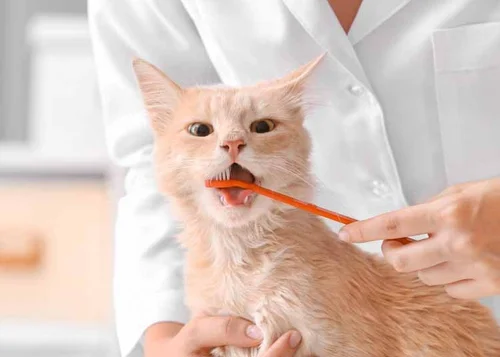
Have you ever wondered about your cat’s dental health? You might be surprised to learn that brushing your cat's teeth can be just as important as brushing your own.
Imagine the fresh breath and the avoidance of painful dental issues. If you’re like most cat owners, the thought of brushing your feline friend’s teeth might seem challenging, or perhaps even impossible. But don’t worry, you’re not alone in your curiosity.
Before you dismiss the idea, consider this: a healthy mouth means a happier cat. So, are you supposed to brush your cat’s teeth? Dive into this article to uncover the secrets to a healthier, more content kitty, and discover how simple it can be to ensure your furry companion’s dental well-being. Your cat’s smile might just thank you for it!

Credit: www.purina.com
Importance Of Cat Dental Health
As a cat owner, you're probably aware of the importance of grooming and feeding your feline friend. But have you ever considered their dental health? Just like humans, cats can suffer from dental issues, and these problems can lead to serious health complications if neglected. Keeping your cat's teeth clean is not just about preventing bad breath; it's crucial for their overall well-being. Let's dive into why cat dental health is so important and how you can make it a priority.
Understanding Cat Dental Problems
Cats are prone to several dental issues, such as gingivitis, periodontitis, and tooth resorption. These conditions can cause pain and discomfort, affecting your cat's eating habits and mood. Left untreated, dental diseases can lead to infections that might spread to other organs, causing more severe health problems. Regular dental care can prevent these issues and keep your cat happy and healthy.
The Role Of Diet In Dental Health
Diet plays a significant role in maintaining your cat's dental health. Some foods can help clean their teeth as they chew, while others might contribute to plaque buildup. Consider incorporating dry kibble or dental treats designed to reduce plaque and tartar. It's essential to choose a balanced diet that supports their dental needs while ensuring they get all the nutrients they require.
Being aware of the signs of dental issues can help you take action before they become serious. Look out for bad breath, drooling, or difficulty eating. Swollen gums or excessive pawing at the mouth are also red flags. If you notice any of these symptoms, it's crucial to consult a veterinarian for an assessment and appropriate treatment.
Tips For Brushing Your Cat's Teeth
Brushing your cat's teeth might seem daunting, but it's a vital part of their dental care routine. Start by choosing a cat-friendly toothbrush and toothpaste. Gradually introduce your cat to brushing, making it a positive experience with rewards and praise. Regular brushing can significantly reduce the risk of dental diseases and enhance your cat's quality of life.
Professional Dental Care
In addition to home care, professional dental check-ups are essential. Your veterinarian can perform thorough cleanings and diagnose potential issues early. Regular visits ensure your cat's teeth and gums are in top condition, preventing problems before they escalate. It's a partnership between you and your vet to keep your cat healthy.
Have you ever brushed your cat's teeth, or considered the impact of dental health on their overall well-being? It's more important than you might think. Taking small steps towards better dental care can make a big difference in your cat's life.
Signs Of Dental Problems
Keeping your cat's teeth clean is crucial. Dental problems in cats can lead to serious health issues. Understanding the signs can help in early detection and treatment.
Bad Breath
Notice any foul smell from your cat’s mouth? This could be a sign of dental trouble. Cats shouldn't have bad breath. It may indicate plaque build-up or gum disease.
Difficulty Eating
Watch your cat during meal times. If they struggle to chew, there might be a dental issue. Pain while eating can signal tooth decay or infection.
Excessive Drooling
Drooling more than usual is not normal for cats. This can hint at oral discomfort or tooth damage. Check for wet spots where your cat rests.
Swollen Or Bleeding Gums
Healthy gums are pink. Swelling or bleeding is a red flag. It can mean gingivitis or periodontal disease. Regularly inspect your cat's mouth.
Visible Tartar
Look at your cat's teeth. Tartar build-up is easy to spot. Yellow or brown deposits signal poor dental hygiene. Professional cleaning might be needed.
Pawing At The Mouth
Observe your cat's behavior. Pawing at the mouth suggests irritation or pain. It might be due to a broken tooth or sore gums.
Reduced Activity
Dental pain can make cats less active. If your cat seems lethargic, dental issues might be the cause. Monitor their energy levels.
Benefits Of Brushing Cat's Teeth
Brushing your cat's teeth helps prevent gum disease and bad breath. It also supports overall dental health, reducing plaque buildup. Regular brushing can save your pet from dental discomfort and costly vet visits.
Brushing your cat's teeth offers many advantages. Dental health plays a crucial role in your cat's overall well-being. Regular brushing can prevent painful dental issues. It enhances their quality of life. Let's explore the benefits of this routine.
Improved Oral Health
Brushing removes food particles and plaque. This reduces the risk of cavities. Healthy gums also mean fewer infections. It prevents gum disease, keeping your cat comfortable.
Fresher Breath
Bad breath can be a sign of dental problems. Regular brushing keeps breath fresh. A pleasant-smelling cat is more enjoyable to be around.
Reduced Risk Of Serious Illness
Poor dental health may lead to severe issues. Infections can spread to vital organs. Heart disease and kidney issues are common risks. Brushing helps minimize these dangers.
Enhanced Quality Of Life
A healthy mouth means a happier cat. They eat better and play more. No discomfort from sore teeth or gums. Enjoying life becomes easier for them.
Cost Savings
Dental treatments can be expensive. Regular brushing reduces the need for vet visits. It saves money on costly dental surgeries. Prevention is always more affordable.
Strengthened Bond
Brushing can be a bonding activity. Cats enjoy attention and care. This routine builds trust and strengthens relationships. You both benefit from this shared time.

Credit: www.reddit.com
Tools For Brushing Cat's Teeth
Brushing your cat's teeth can prevent dental issues. Proper tools make the process easier. Let's explore the essentials for brushing your cat's teeth effectively.
Choosing The Right Toothbrush
A cat toothbrush should have soft bristles. These are gentle on their gums. Consider finger brushes for more control. They fit snugly on your finger. This makes brushing precise and less stressful for your cat.
Selecting Cat-friendly Toothpaste
Human toothpaste is not safe for cats. Choose a toothpaste made for cats. These have flavors cats enjoy, like chicken or fish. This makes brushing more pleasant for your furry friend. Always ensure the toothpaste is safe for pets.
Techniques For Effective Brushing
Regular brushing of your cat's teeth is essential for maintaining oral health. Using a soft-bristled brush and cat-friendly toothpaste, gently clean their teeth. Consistent dental care prevents plaque buildup and keeps gums healthy.
Cats need clean teeth for good health. Brushing their teeth can prevent gum disease. It can also help avoid bad breath. But how do you brush a cat's teeth? The right techniques make it easier. Here, we explore the best ways to do it.
Preparing Your Cat
Start by getting your cat used to the toothbrush. Let them sniff it first. Choose a quiet place where your cat feels safe. Sit with your cat calmly and gently. Pet them softly to help them relax. This is important for a stress-free experience. Use a toothbrush designed for cats. Human toothbrushes are too big. Cat toothpaste is essential. Human toothpaste can harm cats.
Step-by-step Brushing Guide
Begin by placing a small amount of toothpaste on your finger. Let your cat taste it. This helps them accept the flavor. Next, put the toothpaste on the toothbrush. Lift your cat's lip gently. Brush in a small circular motion. Focus on the outer surfaces of the teeth. Brushing the inside is not necessary. Cats usually clean those areas themselves. Keep the session short, around 30 seconds. Reward your cat with a treat after brushing. This creates a positive association. Over time, your cat will become more comfortable. Regular brushing can improve your cat's dental health.
:strip_icc()/brush-your-cats-teeth-4778262-hero-9b2c8ee454904454a195642ceaa5454e.jpg)
Credit: www.thesprucepets.com
Alternatives To Brushing
Brushing your cat's teeth can be challenging. Dental treats and toys help reduce plaque and tartar. Regular vet check-ups ensure your cat's oral health stays optimal.
Cats may not enjoy having their teeth brushed. Luckily, there are alternatives to maintain their dental health. These options can help reduce plaque and tartar buildup, keeping your cat's mouth healthy.
Dental Treats And Toys
Dental treats are a tasty way to clean a cat's teeth. They are designed to reduce plaque and freshen breath. Some treats have a unique texture that scrapes off tartar as cats chew. Always choose treats specifically made for dental health. Toys can also promote dental hygiene. Chew toys encourage cats to gnaw, which helps clean their teeth. Look for toys with a rough texture to aid in plaque removal. Regular playtime with these toys can be both fun and beneficial.
Professional Dental Cleanings
Veterinary cleanings provide a thorough approach to dental care. Vets use special tools to remove tartar and plaque. This process is more effective than home treatments. It's important for cats with significant dental issues. Regular check-ups will help monitor your cat's oral health. Consider scheduling annual cleanings. It ensures your cat's teeth remain healthy and clean. This proactive approach can prevent more serious dental problems.
Tips For Keeping Your Cat Calm
Brushing your cat's teeth can help keep them calm. Regular dental care reduces discomfort and prevents health issues. Use a pet-friendly toothpaste to make brushing more enjoyable for your cat.
When it comes to brushing your cat's teeth, keeping your feline friend calm is crucial. Cats can be sensitive, and dental care is not always their favorite activity. To help your cat stay relaxed, here are some practical tips that can make the experience smoother.
Introduce Dental Care Gradually
Start by letting your cat explore the toothbrush and toothpaste. Allow them to sniff and investigate. This helps them get familiar with the tools.
Create A Relaxing Environment
Choose a quiet space with minimal distractions. A calm setting can ease your cat's anxiety. Soft music can also help.
Use Positive Reinforcement
Reward your cat with treats or affection. Positive reinforcement encourages good behavior. Praise them gently throughout the process.
Stay Calm And Patient
Your demeanor affects your cat. Keep calm and speak in a soothing voice. Patience is key to building trust.
Practice Short Sessions
Begin with brief brushing sessions. Gradually increase the duration. Short sessions prevent overwhelming your cat.
Find The Right Time
Choose a time when your cat is naturally relaxed. After meals or playtime can be ideal. Timing can influence your cat's mood.
Experiment With Different Techniques
Try different brushing techniques to find what works. Circular motions might be more comfortable. Every cat is unique in their preference. These tips aim to make the dental care routine less stressful for both you and your cat. Keeping your cat calm ensures a more pleasant experience and contributes to their overall health.
Frequency Of Dental Care
Maintaining your cat's dental health is crucial for their overall well-being. But how often should you be brushing those tiny teeth? Understanding the frequency of dental care can make a significant difference. Regular brushing can prevent dental diseases and keep your feline friend happy and healthy.
How Often Should You Brush Your Cat's Teeth?
Most veterinarians recommend brushing your cat's teeth at least once a day. While this might sound excessive, daily brushing helps prevent plaque buildup and reduces the risk of periodontal disease. If daily brushing is not feasible, aim for at least three to four times a week.
Consider this: do you remember the last time your cat had their teeth cleaned? If not, it might be time to start a routine. You'll find that consistent brushing can improve not only their dental health but their overall quality of life.
Signs That Your Cat Needs More Frequent Brushing
Have you noticed bad breath coming from your cat? This could be a sign that their teeth need more attention. Other signs include visible tartar on teeth, red or swollen gums, and discomfort when chewing.
If your cat exhibits these symptoms, increasing the frequency of brushing can help. Regular dental care not only alleviates these issues but also prevents serious health problems in the future.
Tips For Establishing A Brushing Routine
- Start slow: Allow your cat to get used to the toothbrush and toothpaste.
- Make it a positive experience: Use treats and praise to reward your cat after brushing.
- Choose the right tools: Use a toothbrush and toothpaste specifically designed for cats.
Have you tried using flavored toothpaste? Cats often respond well to flavors like chicken or fish, making the brushing experience more enjoyable for them. Establishing a routine may take time, but persistence pays off. Your cat's dental health is worth the effort.
Common Challenges And Solutions
Brushing a cat's teeth can be tricky. Cats often resist, leading to stress for both. Using flavored toothpaste and gradual introduction can help ease the process. Regular dental check-ups are important for maintaining their oral health.
Brushing your cat's teeth might seem like a daunting task, but it's essential for their dental health. Many pet owners face hurdles when it comes to maintaining their feline friend's oral hygiene. Understanding these common challenges and discovering effective solutions can make this routine easier and more beneficial for both you and your cat.
Difficulty In Getting Your Cat To Stay Still
Cats are known for their independent nature, and coaxing them to remain still can be tricky. Try creating a calming environment by choosing a quiet space and speaking softly to your cat. Gradually introduce the toothbrush and let them sniff it first. Rewards can work wonders—offer a treat after each session to create a positive association.
Finding The Right Toothbrush And Toothpaste
Not all toothbrushes and toothpastes are suitable for cats. Using human toothpaste can be harmful, so opt for pet-specific products. Look for a brush with soft bristles designed for cats. If your cat is resistant, consider finger brushes or dental wipes as alternatives.
Integrating Brushing Into Your Routine
Consistency is key, but it might be challenging to fit brushing into your daily schedule. Start slow by brushing a couple of times a week, then gradually increase frequency. Make it a part of your routine by linking it to another daily activity, like feeding or grooming.
Addressing Fear And Anxiety
Cats can be anxious about new experiences. If your cat seems scared, try desensitizing them by letting them play with the toothbrush before using it. Patience is crucial—give them time to adjust to the sensation of brushing. You might ask yourself, how can I make this a stress-free experience for my cat?
Identifying Signs Of Dental Issues Early
Spotting signs of dental problems early can prevent bigger issues. Keep an eye out for bad breath, drooling, or reluctance to eat. Regular vet check-ups can help monitor your cat’s dental health. Would you recognize these signs if they appeared in your pet? Engaging with your cat and understanding their needs can turn a challenging task into a bonding experience. Remember, every small effort contributes to their overall health and happiness.
Consulting A Veterinarian
Brushing your cat's teeth is often overlooked. Consulting a veterinarian ensures you understand the importance of dental care for your feline friend. Regular vet visits can guide proper brushing techniques and prevent dental issues.
Brushing your cat's teeth might seem like a daunting task, and you're not alone if you're unsure about how to proceed. Consulting a veterinarian can provide clarity and confidence in this important aspect of pet care. They have the expertise to guide you through the process and ensure your feline friend maintains a healthy smile.
Why Consult A Veterinarian?
Veterinarians are trained professionals who can assess your cat's oral health accurately. They can identify any existing dental issues that might need attention before you start a brushing routine. Moreover, they can demonstrate the proper technique, making it easier for you to replicate at home.
What Questions Should You Ask?
When visiting your vet, prepare a list of questions to make the most out of your appointment. Ask about the best types of toothpaste and brushes for your cat. Inquire about the frequency of brushing and any signs of dental problems you should watch for.
Understanding Your Cat's Unique Needs
Every cat is different, and your vet can provide personalized advice based on your cat's age, breed, and health status. For instance, some breeds are more prone to dental issues and may require more frequent care. Your vet can tailor their recommendations to fit your cat's specific needs.
Building A Dental Care Routine
Once you have the vet's guidance, you can establish a dental care routine that fits your lifestyle. Consistency is key, so try to brush at the same time each day. You might find it helpful to incorporate brushing into your cat's playtime or feeding schedule to make it a seamless part of their day.
Addressing Concerns And Challenges
It's natural to face challenges when starting a new dental care routine. Your vet can offer solutions to common problems, like a cat's resistance to brushing. They might suggest alternative methods such as dental treats or water additives if brushing proves too difficult.
Follow-up Visits And Monitoring
Regular follow-up visits with your vet will help monitor your cat's dental health. These check-ups can catch issues early and ensure your brushing technique is effective. Maintaining open communication with your vet can lead to long-term success in your cat's oral care. Have you ever considered how your own dental habits influence your pet care routine? Consulting a veterinarian might just be the first step to aligning those practices.
Frequently Asked Questions
Is It Okay To Not Brush Your Cat's Teeth?
Neglecting to brush your cat's teeth can lead to dental issues. Regular brushing helps prevent plaque buildup and tooth decay. Prioritize your cat's oral health for a happier, healthier pet. Consult a vet for tips on maintaining dental hygiene.
Do Vets Recommend Brushing Cats' Teeth?
Vets recommend brushing cats' teeth to prevent dental issues. Regular brushing helps reduce plaque and maintain oral health. Use cat-specific toothpaste and a soft brush. Start gradually to make your cat comfortable with the routine. Brushing your cat's teeth can lead to better overall health.
Is It Necessary To Clean A Cat's Teeth?
Yes, cleaning a cat's teeth is necessary. It prevents dental disease and promotes overall health. Regular brushing reduces plaque buildup and bad breath. Dental care also minimizes the risk of infections. Consult your vet for guidance on proper cleaning techniques and dental products suitable for cats.
What Can I Do Instead Of Brushing My Cat's Teeth?
Use dental treats or toys for your cat. Offer raw bones occasionally. Consider water additives for dental health. Regular vet check-ups help maintain oral hygiene.
Conclusion
Brushing a cat's teeth can seem challenging. But it helps their health. Regular brushing prevents plaque and gum issues. Start slow. Let your cat get used to the toothbrush. Use pet-safe toothpaste. It tastes better to them. Don't force it.
Gradually, your cat will adjust. Oral care is vital for their well-being. Consider professional cleanings too. Talk to your vet. They offer guidance. Remember, a healthy mouth means a happy cat. Your efforts can lead to fewer vet visits. And a stronger bond with your pet.
Keep your cat smiling. It's worth the time and patience.
