
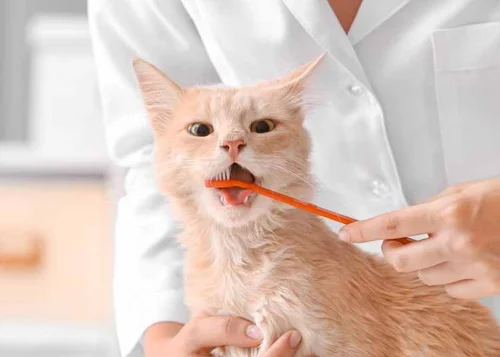
You've probably heard about the importance of brushing your cat's teeth, but do you know how to do it properly? Just like humans, cats need regular dental care to prevent painful gum disease and tooth decay.
You might be wondering where to even start or whether your feline friend will cooperate. Don't worry; you're not alone. Many cat owners face the same dilemma. That's why we're here to guide you through the process with simple, effective tips that will make brushing your cat's teeth a breeze.
Imagine the peace of mind you'll have knowing your cat's dental health is in top shape. Dive into this article and discover how you can easily integrate this crucial routine into your pet care habits, ensuring a happier, healthier life for your furry companion.
Importance Of Cat Dental Care
Proper dental care is vital for your cat's overall health. Ignoring it can lead to serious issues. Cats need regular cleaning to prevent plaque buildup. This helps avoid gum disease and tooth decay. Good dental hygiene can extend your cat's life. It also keeps their breath fresh.
Why Cat Dental Care Matters
Dental disease is common in cats. Many cats show signs by age three. Regular brushing helps prevent this. It reduces bacteria that cause infections. Healthy teeth contribute to better eating habits. Painful teeth can affect your cat's appetite. Proper care ensures they eat comfortably.
Recognizing Dental Problems In Cats
Look for signs of dental trouble in your cat. Bad breath is one indicator. Swollen or bleeding gums are another. Drooling or pawing at the mouth also signal issues. Monitor for changes in eating behavior. If you notice these, consult a vet promptly.
Benefits Of Regular Brushing
Brushing your cat's teeth has several benefits. It prevents tartar buildup. This helps avoid painful tooth extractions. Regular brushing can save you money on vet bills. It also improves your cat's quality of life. A healthy mouth means a happier cat.
Use a toothbrush made for cats. These are small and gentle. They fit comfortably in your cat's mouth. Choose a pet-safe toothpaste. Human toothpaste can be harmful. Flavored toothpaste can make brushing enjoyable for your cat.
How Often To Brush Your Cat's Teeth
Brushing daily is best for your cat. If this isn't possible, aim for several times a week. Consistency is key. Make it a routine part of your cat's care. Regular brushing maintains their dental health.
Choosing The Right Tools
Brushing your cat's teeth can seem challenging. Choosing the right tools makes it easier and ensures your cat's comfort. Proper tools keep your cat's mouth healthy and prevent dental issues. Let's explore the best toothbrushes and toothpaste options for your feline friend.
Cat-friendly Toothbrushes
Not every toothbrush suits a cat's mouth. Select brushes designed specifically for cats. Look for soft bristles to avoid hurting your cat's gums. Finger toothbrushes are a popular choice. They fit over your finger and offer more control. Some brushes resemble small human brushes but have angled heads. This design helps reach back teeth effortlessly. Consider getting a brush with a long handle for deeper cleaning. Always choose a brush your cat feels comfortable with.
Toothpaste Options For Cats
Human toothpaste is harmful to cats. Choose toothpaste made for pets. These come in flavors appealing to cats like poultry or fish. These flavors encourage cats to accept brushing. Check for veterinary-approved toothpaste to ensure safety. Never use baking soda or salt solutions on your cat's teeth. They can cause harm. Some toothpaste also helps with breath freshness. Always introduce new toothpaste gradually to avoid rejection.
Preparing Your Cat
Brushing your cat's teeth can prevent dental problems. Use a pet toothbrush and toothpaste. Gently lift their lips and brush in small circles. Keep sessions short and positive.
Preparing your cat for a dental care routine can be a rewarding experience for both of you. Cats are creatures of habit, and introducing new activities requires patience. By creating a supportive environment and familiarizing your cat with the necessary tools, you can ensure a smoother transition into a regular tooth-brushing routine.
Creating A Calm Environment
Start by choosing a quiet place in your home. A stress-free atmosphere helps your cat feel safe and relaxed. Consider a spot where your cat usually feels comfortable, such as a favorite chair or a cozy corner. Engage with your cat using a gentle voice and soft strokes to build trust. Sometimes, a little playtime before brushing can help burn off excess energy, making your cat more receptive. Would your cat prefer a morning routine, or does it seem more relaxed in the evening? Observing your cat's behavior can guide you in picking the best time.
Familiarizing With Tools
Introduce the toothbrush and toothpaste slowly. Let your cat sniff the brush and taste a tiny bit of toothpaste to spark curiosity. Use a toothbrush designed specifically for cats, or try a finger brush for more control. You might want to keep treats nearby to associate the tools with positive experiences. Consider letting your cat see you brush your teeth first; cats are observant and might mirror your actions. Have you ever noticed how a new object can grab your cat's attention? Use this to your advantage by letting your cat play with the brush before you use it. These preparatory steps can set the stage for a successful dental care routine. As you build this habit, your cat may become more receptive to other grooming activities, strengthening your bond further.
Step-by-step Brushing Guide
Brushing your cat's teeth might seem like a daunting task, but with the right guidance, it can become a simple and rewarding routine. A step-by-step brushing guide will help you understand the nuances of maintaining your feline friend's oral hygiene. Consistency is key, so let's dive into how you can master this essential skill.
Positioning Your Cat
Begin by choosing a quiet, comfortable spot where your cat feels at ease. Gently hold your cat on your lap or on a stable surface. It's important to keep your cat calm and relaxed, so speak softly and move slowly.
Consider wrapping your cat in a towel if it helps them feel more secure. This can also prevent any sudden movements. Ensuring your cat is comfortable will make the process smoother for both of you.
Effective Brushing Techniques
Use a cat-specific toothbrush or a soft-bristled finger brush for best results. Apply a small amount of cat-friendly toothpaste; never use human toothpaste as it's harmful to cats.
Start by gently lifting your cat's lip and brushing the outer surfaces of the teeth. Focus on the back teeth where plaque tends to build up the most.
Brush in gentle, circular motions, working from the back of the mouth to the front. Aim to brush for about 30 seconds on each side. If your cat becomes restless, take a break and try again later.
Rewarding Positive Behavior
After each brushing session, reward your cat with a treat or a favorite toy. Positive reinforcement will help your cat associate brushing with something pleasant.
Praise your cat with affection and a soothing voice. This reinforces a positive experience and makes future brushing easier.
Consider incorporating playtime or cuddle time immediately after brushing. This can turn the routine into a bonding moment, making it a rewarding experience for both you and your cat.
Common Challenges
Brushing a cat's teeth can be challenging due to their unpredictable behavior. Cats may resist or become anxious during this unfamiliar routine. Finding the right technique and products can ease the process and help maintain your cat's dental health.
Brushing your cat's teeth can be a daunting task, especially when faced with common challenges. Cats aren't naturally inclined to sit still while someone pokes around in their mouths. This can make maintaining their oral health quite a feat. However, understanding these challenges can help you tackle them effectively and ensure your furry friend stays happy and healthy.
Handling Resistant Cats
Many cats show resistance when it comes to brushing their teeth. They might squirm, hiss, or even try to run away. This is normal behavior, and it’s essential to approach the task with patience and calmness. Begin by familiarizing your cat with the toothbrush and toothpaste. Let them sniff and explore these items before attempting to brush. Gradually introduce the brushing routine by starting with short sessions and rewarding them with treats or praise. What techniques have you found effective in calming your cat during grooming sessions?
Signs Of Dental Issues
Recognizing signs of dental problems is crucial in maintaining your cat’s oral health. Cats often suffer from issues like gingivitis or tooth decay, which can cause discomfort or pain. Be on the lookout for symptoms such as bad breath, red or bleeding gums, and difficulty eating. These are indicators that your cat might need more than just a routine brushing. If you notice these signs, consult your veterinarian for a professional dental check-up. How often do you check your cat’s mouth for potential dental problems?

Credit: www.purina.com
Maintaining A Dental Care Routine
Maintaining a dental care routine for your cat is crucial. It helps prevent gum disease and tooth decay. Just like humans, cats need regular dental care. This ensures their overall health and well-being. Brushing your cat's teeth might seem challenging. But with consistency, it becomes easier. Start with a gentle approach and be patient. Your cat's dental health is worth the effort.
Frequency Of Brushing
Brush your cat's teeth at least twice a week. Regular brushing keeps plaque at bay. It also helps avoid tartar buildup. Cats can be sensitive to new routines. So, start slowly. Use a toothbrush designed for cats. Gradually increase the frequency over time. Daily brushing is ideal. But twice a week is a great start.
Supplemental Dental Products
Besides brushing, use dental products for cats. Dental treats can reduce plaque. Water additives can freshen your cat's breath. Dental gels can also be effective. These products support oral health. They complement the brushing routine well. Always choose products made for cats. This ensures safety and effectiveness.
Consulting A Veterinarian
Consulting a veterinarian ensures you brush your cat's teeth correctly and safely. Learn the proper technique for using a cat-friendly toothbrush and paste. Regular dental care prevents plaque buildup and supports your cat's oral health.
Consulting a veterinarian is a crucial step in maintaining your cat's oral health. A professional can provide invaluable insights that you might miss. They'll guide you through the process of brushing your cat's teeth and suggest the best products for your feline friend.
Professional Dental Cleaning
A veterinarian may recommend a professional dental cleaning for your cat. This procedure is typically done under anesthesia to ensure your cat is comfortable and still. It's a thorough cleaning that removes plaque and tartar, something regular brushing might not achieve. Regular professional cleanings can prevent serious dental problems. Think of it as a deep clean, akin to what you get at your dentist's office. Discuss the frequency with your vet, as it varies depending on your cat's dental health.
Monitoring Cat's Oral Health
Your vet can also help you monitor your cat's oral health over time. They can spot signs of dental disease early, such as redness or swelling. Catching these signs early can prevent more severe health issues down the road. Regular check-ups can also help you track changes in your cat's oral health. Have you noticed any changes in your cat's eating habits or breath? These could be signs that need a vet's attention. By consulting with a veterinarian, you gain a partner in your cat's dental care. They can provide you with resources and tips to make brushing your cat's teeth a smoother process. With professional guidance, you can ensure your cat's smile stays healthy and bright.

Credit: www.discovermagazine.com
:strip_icc()/brush-your-cats-teeth-4778262-hero-9b2c8ee454904454a195642ceaa5454e.jpg)
Credit: www.thesprucepets.com
Frequently Asked Questions
Are You Supposed To Brush Your Cat's Teeth?
Brushing your cat's teeth is recommended. It helps prevent dental disease and maintain oral health. Use a cat-specific toothbrush and toothpaste. Start slowly to acclimate your cat to the process. Regular dental check-ups with a veterinarian are also important for comprehensive oral care.
What To Do If A Cat Won't Let You Brush Your Teeth?
Use a finger brush with cat toothpaste. Offer treats to create positive associations. Gently introduce brushing gradually, staying calm and patient. Try brushing during relaxation times, like after meals. Consider consulting a vet for advice or dental alternatives if needed.
How Do I Brush My Cat's Teeth At Home?
Use a cat-specific toothbrush and toothpaste. Gently lift your cat's lip and brush in small circles. Start with short sessions and gradually increase time. Reward your cat with treats or affection. Regular brushing helps maintain dental health.
What Is The Best Way To Clean Your Cat's Teeth?
Brush your cat's teeth daily with a pet-safe toothpaste and toothbrush. Regular dental check-ups with a vet are essential. Use dental treats and toys to reduce plaque. Maintain a balanced diet for overall oral health. Consistency is key for preventing dental issues in cats.
Conclusion
Brushing your cat's teeth can be easy with practice. Start slowly. Use a cat-friendly toothbrush and toothpaste. Gradually, your cat will get comfortable. Reward them with treats. Consistency is key. Aim for at least once a week. Healthy teeth mean a happy cat.
You might notice a difference soon. Fresh breath and fewer dental issues. Cats deserve good dental care. Your efforts make a big impact. Keep it simple and patient. You'll both benefit in the long run. Remember, regular brushing is essential for your pet's health.
