
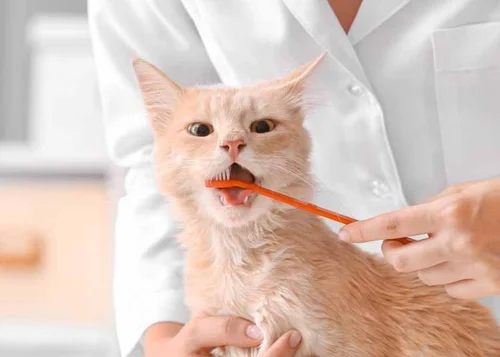
Is your feline friend giving you a run for your money with their oral hygiene? You’re not alone.
As a pet owner, you want your cat to be happy and healthy, and that includes taking care of their teeth. But let's face it, brushing your cat's teeth might seem like a daunting task. However, it's crucial for preventing dental issues and ensuring your cat's overall well-being.
Imagine a world where your cat purrs contentedly, free from the discomfort of dental problems. Intrigued? Stick around, because you're about to discover simple, effective strategies to make tooth brushing a breeze. This guide is packed with insights that can transform your routine and keep your kitty smiling. Your cat deserves the best care, and you’re about to learn how to provide it effortlessly.
Importance Of Dental Care For Cats
Brushing your cat's teeth is essential for preventing dental problems. Regular dental care helps avoid plaque build-up and gum disease. Use a pet-friendly toothbrush and toothpaste to keep your cat's mouth healthy.
The importance of dental care for cats cannot be overstated. Just like humans, cats are prone to dental issues that can lead to more serious health problems. Ignoring your cat's dental health might not only lead to bad breath but could also result in painful infections and tooth loss.
Why Dental Care Is Crucial For Cats
Cats use their teeth for more than just eating. They rely on them for grooming, defense, and exploring their environment. When dental health is compromised, it can affect their overall quality of life.
Common Dental Problems In Cats
Cats can suffer from a range of dental issues, including tartar buildup, gingivitis, and periodontal disease. These problems can lead to painful chewing, loss of appetite, and even systemic infections if bacteria enter the bloodstream.
Impact Of Poor Dental Health On Overall Cat Health
Poor dental health doesn't just stay in the mouth; it can affect your cat's entire body. Serious dental infections can cause damage to organs like the heart and kidneys. Addressing dental health early can prevent these severe outcomes.
Signs Your Cat Might Have Dental Issues
Watch for signs like bad breath, difficulty eating, or red gums. If your cat is pawing at their mouth or drooling excessively, it's time to check their teeth. Early detection can make a big difference in treatment outcomes.
Creating A Dental Care Routine
Starting a dental care routine can be simple. Begin by introducing your cat to the idea of having their teeth brushed. Use a cat-friendly toothbrush and toothpaste, and make it a positive experience with rewards and affection. Regular dental check-ups with a vet can also help keep your cat's teeth in top condition. Taking the time to care for your cat's dental health can lead to a happier, healthier pet. Wouldn't you want to give your furry friend the best chance at a long, joyful life?

Credit: www.purina.com
Choosing The Right Toothbrush And Toothpaste
Brushing your cat's teeth starts with choosing a soft-bristled toothbrush designed for pets. Pair it with pet-safe toothpaste for effective cleaning.
Choosing the Right Toothbrush and Toothpaste When it comes to brushing your cat's teeth, selecting the right tools can make all the difference. Not all toothbrushes and toothpastes are suitable for cats, and using the wrong ones might lead to discomfort or even harm. Imagine using a human toothbrush on your cat; it would be like trying to write with a broom! Understanding the specific needs of your feline friend is crucial for their dental health.
Cat-friendly Toothbrushes
Finding a toothbrush that suits your cat's size and temperament is essential. Cat toothbrushes are typically smaller and softer than those designed for humans. Some pet owners find finger brushes particularly effective. These brushes fit over your finger, allowing for more control and gentle brushing. It's like giving your cat a gentle massage while cleaning their teeth. Another option is the dual-head toothbrush, which is designed to reach different angles in your cat's mouth. This type is perfect if your cat is cooperative during brushing. Consider your cat’s comfort level; a brush that’s too hard or bulky might scare them away.
Safe Toothpaste Options
The toothpaste you choose must be specifically formulated for cats. Human toothpaste contains fluoride and other chemicals that are harmful to cats. Look for options with enzymes that help break down plaque and tartar. Some toothpastes come in flavors like poultry or fish, which can make the experience more enjoyable for your furry friend. If your cat is finicky, try testing a small amount of toothpaste on their paw. Watch their reaction; if they seem curious rather than repulsed, you might be on the right track. It's crucial to make the brushing experience pleasant to prevent future resistance. Have you ever wondered why your cat keeps running away when you bring out the toothbrush? It could be a matter of taste. Finding a flavor they enjoy can transform dental care from a dreaded task to a bonding experience.
Getting Your Cat Comfortable
Brush your cat's teeth gently using a pet toothbrush and cat-friendly toothpaste. Start slowly, letting your cat sniff and taste the toothpaste. Gradually brush in small circles, focusing on the gum line.
Getting your cat comfortable with the process of tooth brushing is a crucial step in maintaining their dental health. Cats can be quite sensitive, and introducing a new routine can be challenging. However, with patience and the right approach, you can make this a positive experience for both you and your feline friend.
Introducing Dental Tools
Start by familiarizing your cat with the dental tools you'll be using. Allow your cat to sniff and inspect the toothbrush and toothpaste. Choose a toothbrush specifically designed for cats, as these are gentler on their gums. Cat toothpaste often comes in flavors like chicken or fish, which can make the experience more enjoyable for your cat. You might even let them taste a bit of the toothpaste as a treat. This initial introduction helps reduce anxiety and sets the stage for a smoother brushing process.
Creating A Calm Environment
Cats are more likely to be cooperative in a calm and quiet setting. Choose a time when your cat is naturally relaxed, perhaps after a meal or playtime. Avoid starting the brushing process when your cat is stressed or agitated. Consider creating a routine around brushing time. This could involve gentle petting or soothing words to help your cat associate tooth brushing with positive experiences. Is there a particular spot where your cat feels most comfortable? Try brushing their teeth there to enhance their comfort level. Remember, your calm demeanor can significantly influence your cat's behavior. If you're relaxed, your cat will likely mirror that energy, making the entire process more manageable.
Step-by-step Brushing Guide
Brushing your cat's teeth is essential for their health. Many cat owners overlook dental care, yet it’s crucial to prevent gum disease and tooth decay. This step-by-step guide will help make brushing your cat's teeth easier and more effective. Follow these simple steps to ensure your cat’s dental hygiene stays top-notch.
Preparing Your Supplies
Before starting, gather the right supplies. You need a cat-friendly toothbrush and toothpaste. Avoid human toothpaste; it can be harmful to cats. Choose a toothbrush designed for pets, often smaller and softer. You may also find finger brushes helpful for better control.
Consider the location. Find a quiet, comfortable space where your cat feels at ease. A familiar room can reduce stress during the brushing process. Have treats ready for rewarding your cat afterward. This positive reinforcement encourages cooperation.
Proper Brushing Technique
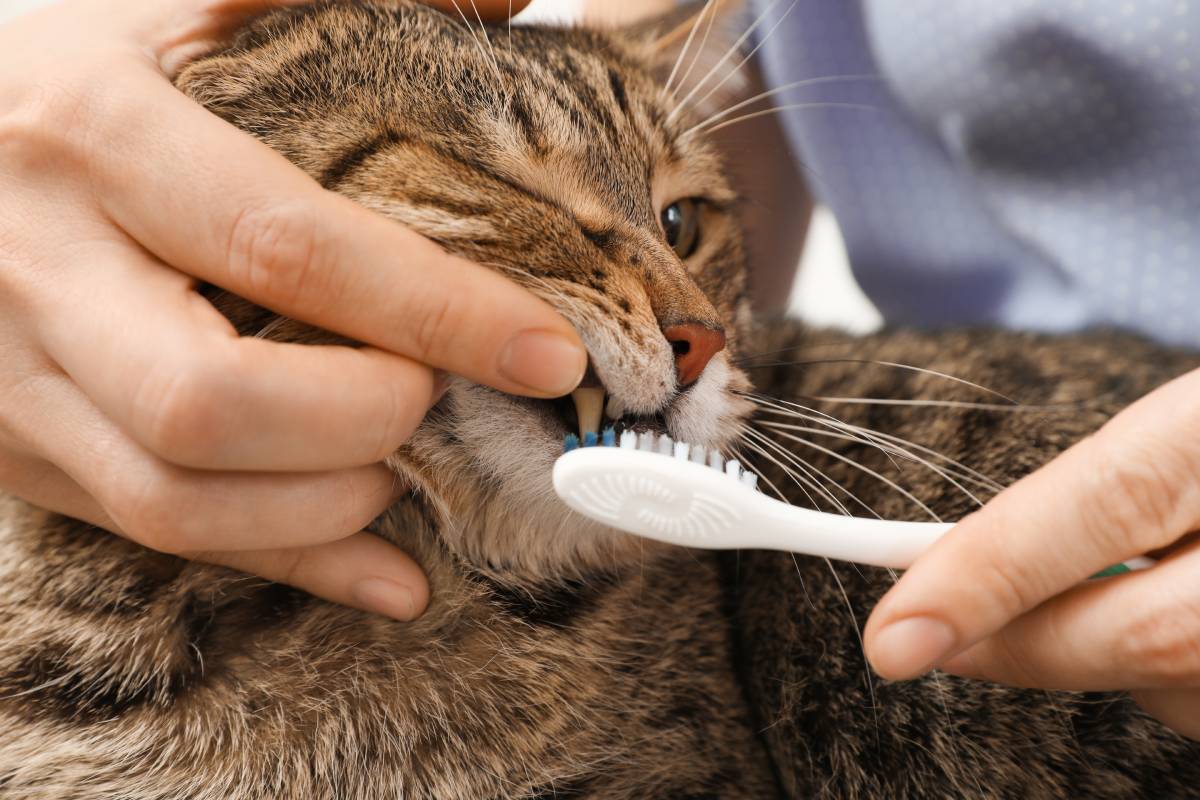
Begin by letting your cat taste the toothpaste. Place a small amount on your finger or the brush. Allow your cat to lick it to become accustomed to the flavor. Once they’re familiar, gently lift their lip to expose the teeth and gums.
Hold the brush at a 45-degree angle to the teeth. Use small, circular motions to clean the outer surfaces of the teeth. Focus on the gum line where plaque and tartar build-up is common. Keep sessions short, around one to two minutes. Over time, increase brushing duration as your cat gets used to it.
Be patient and calm. If your cat resists, stop and try again later. Gradually, they will become more comfortable with the routine. Reward your cat with praise or treats after each session. Building a positive experience makes future brushing easier.
Handling Uncooperative Cats
Brushing your cat's teeth can be challenging. Use gentle pressure and a cat-friendly toothbrush. Gradually introduce dental care while keeping sessions short.
Handling an uncooperative cat during teeth brushing can be challenging. Cats can be stubborn, especially with activities involving their mouths. They might resist or become agitated. But patience is key. With the right approach, even the most reluctant feline can learn to tolerate brushing.
Patience And Persistence
Start with short sessions. Let your cat get used to the toothbrush. Use a finger toothbrush for gentle introduction. Reward positive behavior with treats or affection. Gradually increase the brushing time as your cat becomes more comfortable. Consistency is crucial. Make this routine as regular as feeding time. Avoid forcing your cat. It can create negative associations. Stay calm and patient. Your cat will sense your mood and respond better. Some days may not go as planned. Don’t give up. Persistence pays off.
Alternatives To Brushing
If brushing fails, explore alternative methods. Dental wipes are an option. They help clean the teeth and freshen breath. Dental gels can also be effective. Apply them on your cat's teeth to reduce plaque. Consider dental treats designed to support oral health. They can be a tasty solution for stubborn cats. Some cats respond well to dental toys. They promote chewing and help clean teeth naturally. Remember, your cat’s dental health is important. Explore these alternatives to ensure their teeth stay healthy.

Credit: www.yahoo.com
Signs Of Dental Issues
Cats often hide their discomfort, especially dental issues. Understanding the signs can help prevent serious problems. Regularly checking your cat's teeth and gums is crucial. Dental issues can affect your cat's overall health. Knowing what to look for can make a difference.
Recognizing Symptoms
Common symptoms include bad breath and drooling. Your cat might show less interest in eating. Swollen or bleeding gums are also signs. You might notice a change in behavior. Cats may become more irritable. Look for yellow or brown tartar on teeth. If your cat paws at their mouth, it could signal discomfort. These symptoms can indicate dental problems.
When To Consult A Vet
If symptoms persist, it's time to see a vet. Delaying can worsen the condition. Regular check-ups are key for dental health. A vet can provide professional cleaning. They might suggest dental treatments or special diets. A vet can also spot early signs you might miss. Never ignore persistent symptoms. Early intervention can prevent serious health issues.
Maintaining Oral Health
Maintaining oral health for cats is crucial for their overall well-being. Many cat owners overlook dental hygiene, but it's as important as feeding and grooming. Regular brushing helps prevent plaque and tartar buildup. This prevents diseases that could affect your cat's health. Proper oral care keeps your feline friend happy and healthy. Let's explore essential tips for maintaining your cat's dental health.
Regular Dental Check-ups
Dental check-ups are vital for your cat's oral health. Veterinarians can spot issues early. They provide professional cleaning and advice. Schedule check-ups at least once a year. This ensures any dental problems are caught early. Regular visits also help you learn more about maintaining oral hygiene.
Diet And Chew Toys
Diet plays a crucial role in oral health. Choose foods that promote dental health. Some foods help clean teeth naturally. Dry kibble can reduce plaque build-up. Chew toys are also beneficial. They help clean teeth while your cat plays. Ensure toys are safe and suitable for cats. These small changes make a big difference in dental care.
Credit: weareallaboutcats.com
Frequently Asked Questions
Are You Supposed To Brush Your Cat's Teeth?
Yes, you should brush your cat's teeth regularly. This helps prevent dental diseases and maintain oral health. Use a cat-specific toothbrush and toothpaste for best results. Start slowly to get your cat accustomed to the process. Regular brushing can improve your cat's overall health and well-being.
How To Brush A Cat's Teeth Who Hates It?
Start slow and let your cat get used to the toothbrush. Use feline-friendly toothpaste. Reward with treats and praise. Brush gently and briefly, gradually increasing time. Seek vet advice if needed.
What To Do If A Cat Won't Let You Brush Your Teeth?
Try using a finger brush or dental wipes. Offer treats to make it a positive experience. Gradually introduce the toothbrush while your cat is relaxed. Consider consulting a vet for advice if your cat remains resistant.
How Can I Clean My Cat's Teeth Naturally?
Brush your cat's teeth using a pet-safe toothbrush and toothpaste. Offer dental treats designed for cats. Provide chew toys that help remove plaque naturally. Add dental water additives to their drinking water. Regularly check with a vet to ensure optimal dental health.
Conclusion
Brushing your cat's teeth helps keep them healthy. Start slow and be patient. Use a cat-friendly toothbrush and toothpaste. Your cat might resist at first. Keep the sessions short and gentle. Over time, your cat will get used to it.
Check for signs of dental problems. Bad breath or inflamed gums need a vet visit. Regular brushing prevents plaque and tartar. It also reduces vet bills in the long run. Remember, a healthy mouth means a happy cat. With practice, brushing becomes easier.
Your cat's smile will thank you.
