
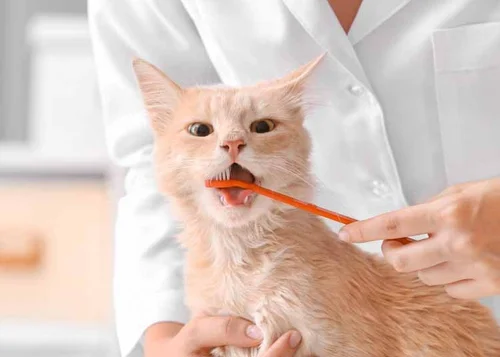
How often do you brush your cat's teeth? It's a question that many pet owners overlook, yet it's crucial for your feline friend's health.
You might think that cats don't need dental care, but neglecting their teeth can lead to serious health issues. Imagine your cat suffering from painful gum disease or losing teeth due to decay. You wouldn't want that for your furry companion, would you?
We'll uncover the secrets to maintaining your cat's dental health, ensuring they remain happy and healthy. By the end, you'll know exactly how often to brush your cat's teeth and why it's so important. Keep reading to ensure your beloved pet gets the care they deserve.
Importance Of Cat Dental Health
Cats need dental care to stay healthy. Their teeth are important for eating and play. Ignoring dental health can lead to pain and disease. Regular brushing prevents tartar and bacteria buildup. It keeps their mouth fresh and their body strong.
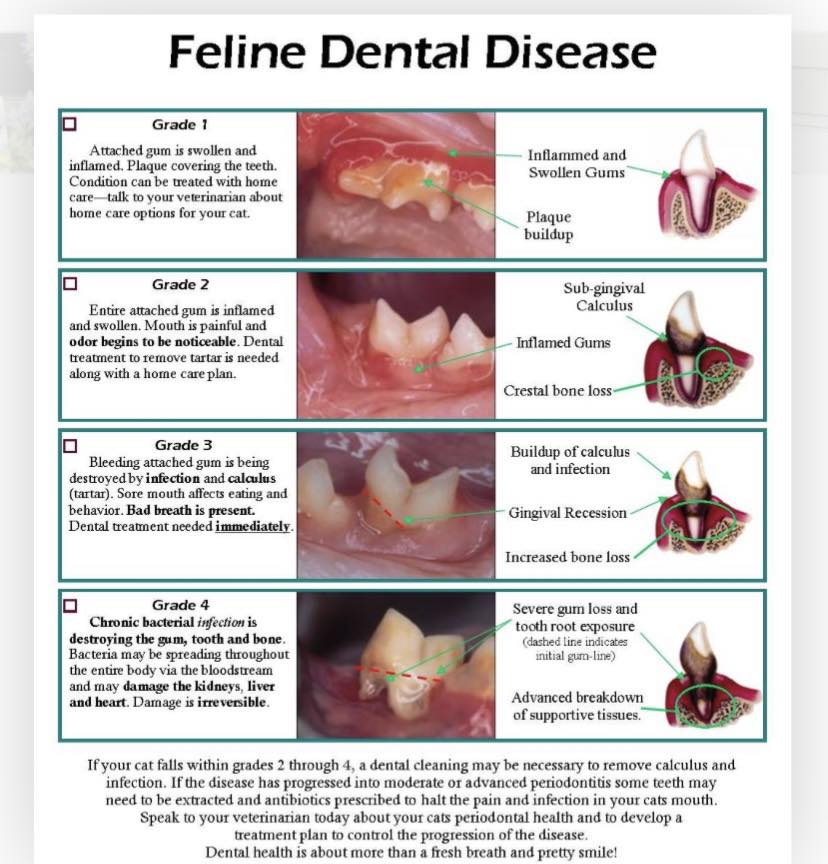
Poor dental care can cause serious health issues. It may affect their heart, kidneys, and liver. A healthy mouth means a healthy cat. Dental problems can be costly to treat. Prevention is always better.
Why Cats Need Dental Care
Cats can't clean their own teeth. Plaque can harden into tartar if not removed. This can cause gum disease and tooth loss. Regular brushing helps avoid these issues.
Signs Of Dental Problems In Cats
Look for bad breath, drooling, or difficulty eating. Swollen gums or bleeding are also warning signs. If you notice these, visit a vet.
Risks Of Ignoring Cat Dental Health
Ignoring dental health can lead to infections. These infections can spread to other organs. It can cause pain and discomfort for your cat.
Benefits Of Regular Brushing
Brushing keeps your cat's teeth clean. It reduces the risk of dental diseases. It also keeps their breath fresh. Regular care can extend your cat's life.
How Brushing Affects Overall Cat Health
Healthy teeth contribute to overall well-being. Good dental care supports a strong immune system. It helps your cat stay active and happy.

Credit: www.purina.com
Frequency Of Brushing
Brushing your cat's teeth might not be at the top of your to-do list, but it's crucial for their dental health. The frequency of brushing can significantly impact your cat's oral hygiene. You might wonder if you're doing enough or if your cat's teeth need more attention. Let's break it down to ensure you're on the right track.
Daily Brushing Benefits
Daily brushing can be a game-changer for your cat's dental health. It helps prevent plaque buildup, which can lead to tartar and eventually gum disease. Just like humans, cats benefit from regular brushing as it keeps their breath fresh and teeth strong. Imagine the peace of mind knowing your cat is less likely to face painful dental issues.
Another advantage of daily brushing is the bonding time it provides. It's an opportunity to spend quality time with your pet. You might even find your cat enjoys the routine and the extra attention. Why not make it a daily ritual?
Recommended Brushing Schedule
If daily brushing sounds overwhelming, aim for at least three times a week. This frequency strikes a balance between maintaining dental health and managing your time. It's a practical schedule that most cat owners find manageable.
Consider integrating brushing sessions into your weekly routine, perhaps after your evening meal or during a quiet moment. Consistency is key, so choose a time that works best for you and your cat. Have you ever tried setting a reminder on your phone?
Ultimately, the best schedule is one you can stick to. Whether daily or thrice weekly, regular brushing is a vital step towards ensuring your cat's teeth remain healthy and their smile stays bright. What schedule suits you and your furry friend best?
Choosing The Right Tools
Choosing the right tools is crucial for your cat's dental health. Proper tools make brushing easier and more effective. Let's explore what you need.
Cat-specific Toothbrushes
Cat-specific toothbrushes are designed for comfort and efficiency. They have soft bristles to protect delicate gums. Some have angled heads for hard-to-reach areas. Finger brushes are also popular. They fit snugly on your finger for better control. Choose the one that your cat finds comfortable.
Toothpaste For Cats
Never use human toothpaste for cats. Cat toothpaste is safe if swallowed. It often comes in flavors cats love, like chicken or fish. This encourages your cat to accept brushing. Look for enzymatic toothpaste. It helps break down plaque and tartar effectively.
Credit: www.facebook.com
Proper Brushing Technique
Proper brushing technique is essential for your cat's dental health. Cats, like humans, need regular oral care to prevent dental issues. Brushing their teeth correctly can reduce plaque and tartar buildup. Follow a simple approach to make the process smooth for you and your cat.
Step-by-step Guide
Start with the right tools. Use a cat-specific toothbrush and toothpaste. Human toothpaste is not safe for cats. Begin by letting your cat taste the toothpaste. This helps them get used to it. Next, gently lift your cat's lip to expose the teeth. Hold the brush at a 45-degree angle. Use small, circular motions to brush the teeth and gum line. Focus on the outer surfaces of the teeth. Be gentle and patient.
- Choose a quiet time and place for brushing.
- Reward your cat with treats after brushing.
- Consistency is key; brush regularly.
Common Mistakes To Avoid
Avoid using too much pressure when brushing. This can hurt your cat's gums. Do not use human toothpaste. It contains ingredients harmful to cats. Skipping regular brushing can lead to dental problems. Consistency is important for dental health.
- Never force your cat to open its mouth.
- Do not rush the process; take your time.
- Avoid using old or worn-out toothbrushes.
Signs Of Dental Issues
Proper care can prevent dental issues in cats. Signs of problems include bad breath, drooling, or difficulty eating. Regular brushing of cat teeth is vital, ideally twice a week, to maintain their oral health.
Caring for your cat's dental health is crucial, but how do you know if something is wrong? Identifying signs of dental issues early can make all the difference. Cats are masters at hiding discomfort, so it's up to you to notice the subtle hints.
Symptoms To Watch For
Pay attention to your cat's eating habits. If they suddenly start avoiding dry food or favor one side of their mouth, it might be a red flag. Bad breath isn't just unpleasant; it's a signal that bacteria might be wreaking havoc in your cat’s mouth. Keep an eye out for drooling, swelling, or bleeding gums as these can indicate more serious issues. Another symptom to watch for is pawing at the mouth or face. This behavior suggests your cat is trying to alleviate discomfort or pain.
When To Consult A Veterinarian
So, when should you take action? If you notice any of the symptoms mentioned, it’s time to make an appointment with your vet. Regular check-ups are vital, but immediate consultation is necessary if your cat refuses to eat or has a noticeable weight loss. These could be signs of advanced dental problems. Remember, acting promptly can save your cat from pain and prevent more serious health issues. It’s better to be safe than sorry, and your vet can offer guidance tailored to your cat’s specific needs.
:strip_icc()/brush-your-cats-teeth-4778262-hero-9b2c8ee454904454a195642ceaa5454e.jpg)
Credit: www.thesprucepets.com
Alternative Dental Care Options
Cats need their teeth brushed regularly, ideally every day, to prevent dental issues. Many dental care options exist, such as water additives, dental treats, and gels, which can complement brushing to keep their teeth healthy.
Alternative dental care options for cats play a crucial role in maintaining their oral health. Regular brushing is essential, but not always feasible. Understanding other ways to care for your cat’s teeth can make a big difference. These methods can complement brushing, ensuring your cat’s mouth stays healthy and clean. Let's explore some effective alternatives.
Dental Treats And Toys
Dental treats and toys are effective in reducing plaque and tartar buildup. They are designed to be chewy, which helps scrape off plaque. These treats often contain ingredients that support oral health. Cats enjoy them, making dental care a fun activity. Toys also promote chewing, which is a natural cleaning process. Choose toys made from durable materials. This ensures they withstand regular use.
Professional Dental Cleanings
Professional dental cleanings are essential for thorough oral care. Veterinarians perform these cleanings under anesthesia. This allows them to clean below the gumline. It's an area that brushing and toys can't reach. These cleanings prevent serious dental diseases. They also give vets a chance to examine your cat’s mouth closely. Regular vet visits help in early detection of dental problems.
Creating A Routine
Creating a routine for brushing your cat's teeth is important for their health. Aim for brushing two to three times a week. Regular brushing helps prevent plaque buildup and dental issues.
Creating a routine for brushing your cat's teeth can improve their health. Cats thrive on consistency and will adapt to routines with time. Start slow to make your cat comfortable with the process. Gradually introduce them to the toothbrush and toothpaste. This helps reduce anxiety and builds a positive experience. Regular brushing prevents dental diseases and keeps their teeth strong.
Tips For Consistency
To maintain a routine, consistency is key. Set a specific time each day for brushing. This helps your cat anticipate the activity. Use positive reinforcement like treats or affection after brushing. This creates a positive association with the activity. Be patient; some cats take longer to adjust. Keep the sessions short to avoid overwhelming your cat. Aim for two to three minutes per session.
Incorporating Into Daily Care
Integrate brushing into your cat's daily care schedule. Pair it with another daily activity, like feeding. This makes it a seamless part of their day. Use a quiet space to reduce distractions. A calm environment helps your cat focus. Choose a comfortable position for both you and your cat. This ensures a stress-free experience. Keep necessary tools, like toothpaste and brush, within reach. Consistent placement of tools reinforces the routine.
Frequently Asked Questions
Is It Okay To Not Brush Your Cat's Teeth?
Not brushing your cat's teeth can lead to dental issues. Regular brushing prevents plaque buildup and gum disease. It's important for maintaining your cat's oral health. Use cat-specific toothpaste and a soft brush to make it easier. Starting early helps your cat get used to the routine.
How Often Do I Need To Brush My Cat's Teeth?
Brush your cat's teeth daily to prevent dental issues. Regular brushing helps maintain oral health and freshens breath. Use a cat-specific toothbrush and toothpaste for best results. Regular dental care reduces the risk of periodontal disease. Consistency is key for effective oral hygiene in cats.
Is It Ever Too Late To Start Brushing Cats' Teeth?
It's never too late to start brushing your cat's teeth. Begin with patience and consistency to improve oral health. Use cat-friendly toothpaste and a soft brush, gradually increasing frequency. Regular brushing can prevent dental issues and enhance your cat's overall well-being.
Start today for healthier teeth and gums.
How Often Should I Brush My Cat's Teeth?
Brushing your cat's teeth daily is ideal. Regular brushing helps prevent plaque buildup and dental issues. If daily brushing is not feasible, aim for at least three times a week. Consistency is key to maintaining your cat's oral health.
Conclusion
Brushing your cat's teeth is vital for their health. Regular dental care prevents issues. Aim for brushing a few times weekly. Consistency is key. It keeps their teeth clean. Helps avoid costly vet visits. Use a cat-friendly toothbrush and toothpaste.
Make it a fun routine. Reward them with treats after brushing. Start slow if your cat resists. Be patient and gentle. Their dental health depends on you. Keep their smile bright and healthy. A little effort goes a long way.
Remember, healthy teeth mean a happy cat. Your furry friend deserves the best care.
