
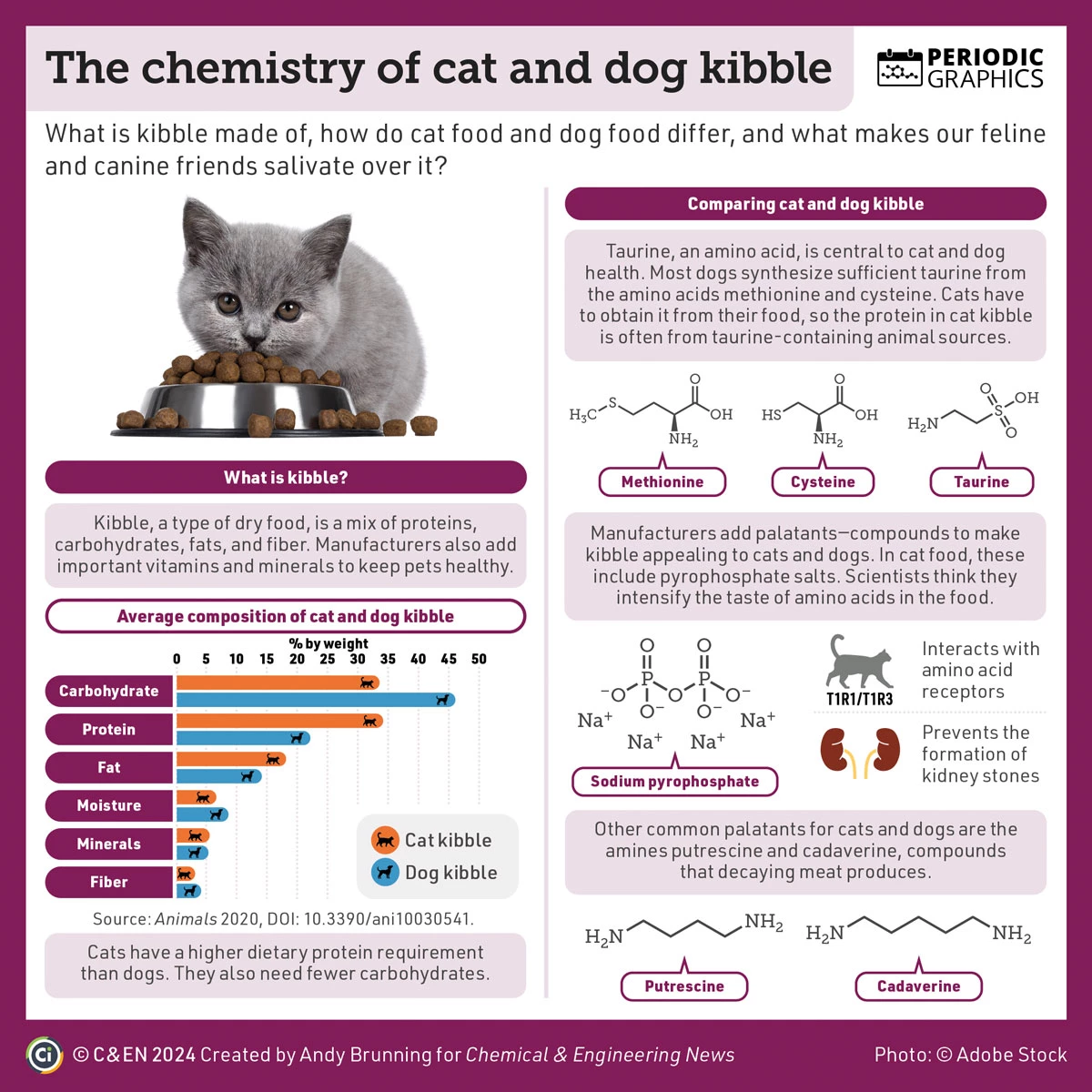
Have you ever wondered why your dog gobbles up their food in seconds while your cat seems to pick at theirs? It all comes down to the nutritional differences between these two beloved pets.
You might think all pet foods are similar, but they're not. Understanding what makes your cat’s meal different from your dog's could transform how you care for them. As you read on, you'll discover why it's crucial to tailor their diets to their unique needs.
Get ready to dive into the fascinating world of pet nutrition, where a few simple changes can make a world of difference in your pet's health and happiness. Don’t miss out on this essential information—your furry friends are counting on you!

Credit: www.facebook.com
Basic Nutritional Needs
Understanding the basic nutritional needs of your pets is crucial for their health and longevity. Cats and dogs, though both beloved companions, have different dietary requirements. This means you need to tailor their meals to keep them healthy and vibrant.
Protein Requirements
Cats are obligate carnivores, which means they require a high protein diet to thrive. Their bodies depend on nutrients found primarily in meat. You might notice that your cat has a strong preference for chicken or fish.
On the other hand, dogs are omnivores. They need a balanced diet with protein, but not as much as cats. They can get their protein from both animal and plant sources, offering you more flexibility in their diet.
Fat Content
Fats are a key energy source for both cats and dogs, but the amounts they need differ. Cats need higher fat content in their diet to maintain their energy levels and coat health. If you've ever noticed how sleek and shiny a well-fed cat's fur looks, fats play a big part in that.
Dogs, while also needing fats, usually require less than cats. Their energy levels are sustained by a combination of fats and carbohydrates. Be mindful of the fat content in your dog's food to prevent obesity.
Carbohydrate Intake
Cats have a low tolerance for carbohydrates. Their bodies are not designed to process large amounts of carbs, so a diet high in carbohydrates can lead to health issues. If you're feeding your cat, focus on high-protein, low-carb options.
Dogs can tolerate carbohydrates better and can benefit from them as a source of energy. Whole grains and vegetables can be a good part of their diet. However, it's essential to keep the carb intake balanced to maintain a healthy weight.
Are you feeding your pets according to their specific needs? Adjusting their diet can make a significant difference in their health and happiness.
Essential Vitamins And Minerals
Understanding the essential vitamins and minerals needed by pets helps keep them healthy. Cats and dogs have different nutritional needs. Their diets must include specific vitamins and minerals. These nutrients support growth, energy, and overall health. Proper nutrition prevents diseases and ensures longevity.
Vitamin A And Taurine
Cats require more Vitamin A than dogs. They cannot convert beta-carotene into Vitamin A. This vitamin supports vision and immune function. Taurine is another essential nutrient for cats. Unlike dogs, cats can't produce taurine themselves. Lack of taurine can lead to heart problems.
Calcium And Phosphorus
Calcium and phosphorus are vital for strong bones and teeth. Dogs need a balanced ratio of these minerals. Too much phosphorus can harm them. Cats require higher levels of calcium. A proper balance prevents bone diseases and supports growth.
Omega Fatty Acids
Omega fatty acids are crucial for both cats and dogs. They promote healthy skin and coat. These fats also support brain and heart health. Cats need omega-3 and omega-6 in their diet. Dogs benefit from omega-3 for reducing inflammation.
Digestive System Differences
Understanding the digestive system differences between cats and dogs is crucial to providing the best nutrition for your pets. While both are beloved companions, their digestive systems operate in distinct ways that affect how they process food. These differences highlight the need for species-specific diets to ensure they thrive.
Enzyme Production
Cats and dogs produce different enzymes, affecting how they break down food. Cats are obligate carnivores, meaning their bodies are adapted to digest high-protein diets. They produce more enzymes to break down proteins but fewer for carbohydrates.
Dogs, on the other hand, are omnivores. Their digestive systems are more versatile, allowing them to process both animal proteins and plant-based foods. This means their enzyme production is more varied, enabling them to digest a wider range of nutrients.
Gut Microbiome
The gut microbiome plays a vital role in your pet's overall health. In cats, the microbiome is tailored for a meat-based diet. This is why they thrive on foods rich in animal proteins and fats.
For dogs, the gut microbiome is more diverse. It can adapt to different dietary compositions, which is why dogs can enjoy a mix of proteins, grains, and vegetables. However, this doesn’t mean that all human foods are safe for them.
Have you ever noticed how your cat is picky about its food, while your dog seems eager to eat just about anything? This is a direct reflection of these digestive differences. Understanding these can help you tailor their diets more effectively.
Consider your pet's digestive needs next time you fill their bowl. Are you meeting their nutritional requirements? By appreciating these differences, you can ensure your furry friends lead a healthier, happier life.
Dietary Preferences
Understanding the dietary preferences of cats and dogs can make a significant difference in their overall health and happiness. While both are beloved pets, their nutritional needs and tastes differ greatly. By catering to these differences, you can ensure your furry friends are getting the best possible diet. Let's dive into what sets their food choices apart.
Carnivorous Vs Omnivorous
Cats are true carnivores. Their bodies are designed to thrive on meat-based diets, requiring high protein and certain amino acids found only in animal flesh. If you’ve ever watched a cat devour a piece of chicken, you know they prefer it over any grain or vegetable.
Dogs, however, are omnivores. Their digestive systems can handle a mix of proteins, carbohydrates, and fats. You might notice your dog happily munching on a carrot or enjoying a slice of bread. This flexibility allows for a more varied diet, but it doesn't mean they don't need quality protein as a staple.
Texture And Flavor
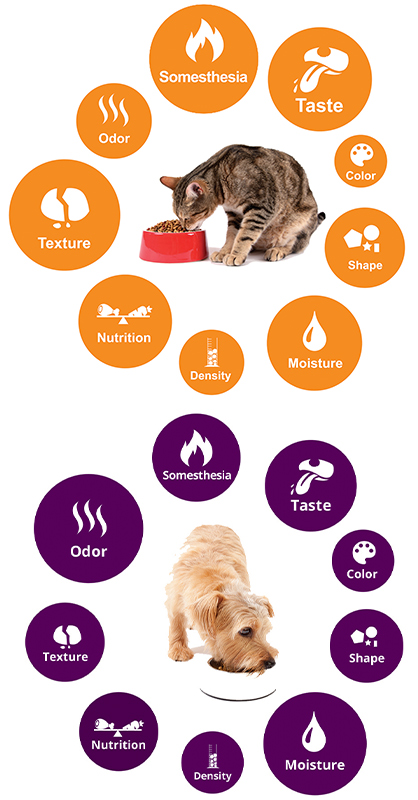
Ever wonder why your cat snubs certain types of kibble? Cats can be picky about texture and flavor. They prefer food that mimics the sensation of eating prey. Wet food often wins their hearts with its juicy consistency.
Dogs tend to be less finicky and enjoy a range of textures. From crunchy kibble to soft meat, they're usually less selective. Yet, they do have flavor preferences; some might favor beef over chicken or vice versa.
Have you tried different food types with your pets to see what they love most? Experimenting with textures and flavors might reveal surprising preferences and lead to happier mealtime experiences.
Common Nutritional Deficiencies
Cats and dogs have distinct nutritional needs due to their different digestive systems. Cats require more protein and taurine, while dogs need a balanced mix of protein, carbohydrates, and fats. Understanding these differences helps ensure your pet receives the right nutrients for optimal health.
Common Nutritional Deficiencies Cats and dogs have distinct dietary needs, and understanding these differences is key to keeping them healthy. Both pets can suffer from nutritional deficiencies if their diets are not properly balanced. This can lead to various health issues that may go unnoticed until they become severe. A friend of mine once discovered her cat's fur was losing its shine, only to find out it was due to a lack of essential fatty acids. This highlights how vital it is to recognize the signs of nutritional deficiencies in our pets. So, what are these signs, and how can you spot them in your furry companions?
Signs In Cats
Cats often require a diet rich in protein and certain amino acids like taurine. A deficiency in taurine can lead to eye and heart problems. You might notice your cat becoming lethargic or having trouble with coordination. Other signs include poor coat quality or unexpected weight loss. Cats are obligate carnivores, meaning they rely on nutrients found in animal flesh. If their food lacks these, it could spell trouble. Have you ever noticed your cat showing a sudden disinterest in playtime or grooming? These could be subtle hints that their nutritional needs aren't being met.
Signs In Dogs
Dogs, on the other hand, are more omnivorous and can thrive on a varied diet. However, they still have specific requirements. A lack of vitamins and minerals can manifest as skin issues, like itching or redness. You might observe your dog scratching more than usual or developing bald patches. Calcium and vitamin D deficiencies can result in weak bones and dental problems. If your dog seems to tire easily or lacks energy, it might be time to evaluate their diet. Are you providing the right balance of nutrients to keep them vibrant and healthy? Understanding these signs can help you ensure that your pet's diet supports their overall well-being. Regular check-ups with your vet and a keen eye on dietary habits can make a world of difference.
Feeding Guidelines
Understanding nutritional needs is crucial for pet health. Cats require more protein and specific amino acids than dogs. Dogs can digest a more varied diet with grains and vegetables.
Feeding your pets properly is crucial for their health and happiness, and understanding the nutritional differences between cats and dogs is a key part of this. Both require tailored approaches to their diets. Let’s dive into the feeding guidelines that cater to these unique needs.
Meal Frequency
Cats are natural grazers. They often prefer to eat small meals throughout the day. This mimics their natural hunting habits. Dogs, on the other hand, generally do well with set meal times. Many dog owners find success with feeding their dogs twice a day, once in the morning and once in the evening. This routine helps maintain their metabolism and energy levels.
Portion Control
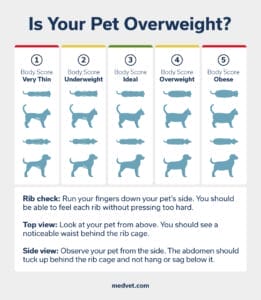
Portion control is vital in preventing obesity in both cats and dogs. It's important to understand that cats require more protein and less carbohydrates compared to dogs. This means their portions might be smaller, but denser in nutrients. Measure your pet's food using a measuring cup or scale. This ensures they're getting the right amount of calories and nutrients. Overfeeding can lead to health issues such as diabetes or joint problems. Think about your pet’s age, size, and activity level when determining portion sizes. A highly active dog might need more food than a sedentary one, while an older cat may require fewer calories than a playful kitten. Are you monitoring your pet’s weight regularly? Adjust their portions based on weight changes to maintain their ideal body condition.
Special Dietary Needs
Cats and dogs have different nutritional needs. Cats need more protein and taurine. Dogs require more carbohydrates and fiber.
Understanding the special dietary needs of cats and dogs is essential for ensuring their health and happiness. While they may share your home and your heart, their nutritional requirements can be quite different. Knowing these differences can make a significant impact on their overall well-being. You might wonder, what makes their needs so unique? Cats are obligate carnivores, requiring a diet rich in meat. Dogs, on the other hand, are omnivores and can enjoy a more varied diet. This fundamental difference influences their nutritional needs at various life stages and health conditions.
Life Stages
Each life stage of a cat or dog brings unique dietary requirements. Puppies and kittens need diets high in protein and calories to support rapid growth. For example, a growing puppy may need up to twice the energy intake of an adult dog. Adult dogs and cats require balanced nutrition to maintain health and vitality. Senior pets need diets that manage weight and support joint health. You might notice older pets slowing down, indicating a need to adjust their diet to prevent obesity.
Health Conditions
Health conditions can significantly affect dietary needs. Cats with kidney disease often require diets lower in phosphorus. Dogs with allergies may need hypoallergenic food options. Imagine your dog scratching constantly or your cat refusing to eat. These could be signs that a dietary change is needed. Consulting your vet can help tailor a diet that addresses specific health issues, ensuring your pet stays as healthy as possible. Understanding these special dietary needs helps you provide the best care for your furry companions. So next time you're shopping for pet food, consider their unique requirements and watch them thrive!
Credit: www.medvet.com
Credit: www.petfoodprocessing.net
Frequently Asked Questions
How Is Cat Nutrition Different From Dog Nutrition?
Cats require more protein and taurine than dogs. Dogs can digest carbohydrates more easily. Cats need fewer carbohydrates and specific amino acids. Tailor their diets to these differences for optimal health.
Will My Dog Be Ok If He Eats Cat Food?
Dogs can eat cat food occasionally, but it's not ideal for them. Cat food is high in protein and fat, which may upset a dog's stomach. Regular consumption can lead to nutritional imbalances. Ensure your dog primarily eats food specifically formulated for them to maintain optimal health.
What Does Cat Food Have That Dog Food Doesn't?
Cat food contains taurine, an essential amino acid not found in dog food. Cats need taurine for heart and eye health.
Can A Cat And A Dog Eat The Same Food?
Cats and dogs should not eat the same food. Their nutritional needs differ. Cats require taurine, absent in dog food. Feeding them the same diet can lead to health issues. Always choose species-specific food for their well-being. Consult a veterinarian for guidance on appropriate feeding practices.
Conclusion
Understanding pet nutrition is crucial for their health. Cats need protein. They thrive on meat-based diets. Dogs are omnivores. They can digest grains and vegetables. Each pet requires tailored nutrition. Consult a vet for advice. Balanced diets prevent health issues.
Choose quality food for your pet. Keep them active and happy. Proper nutrition leads to longer lives. Make informed choices for your furry friends. Their health depends on it. Share your love through nutritious meals. Your pets will thank you.
