
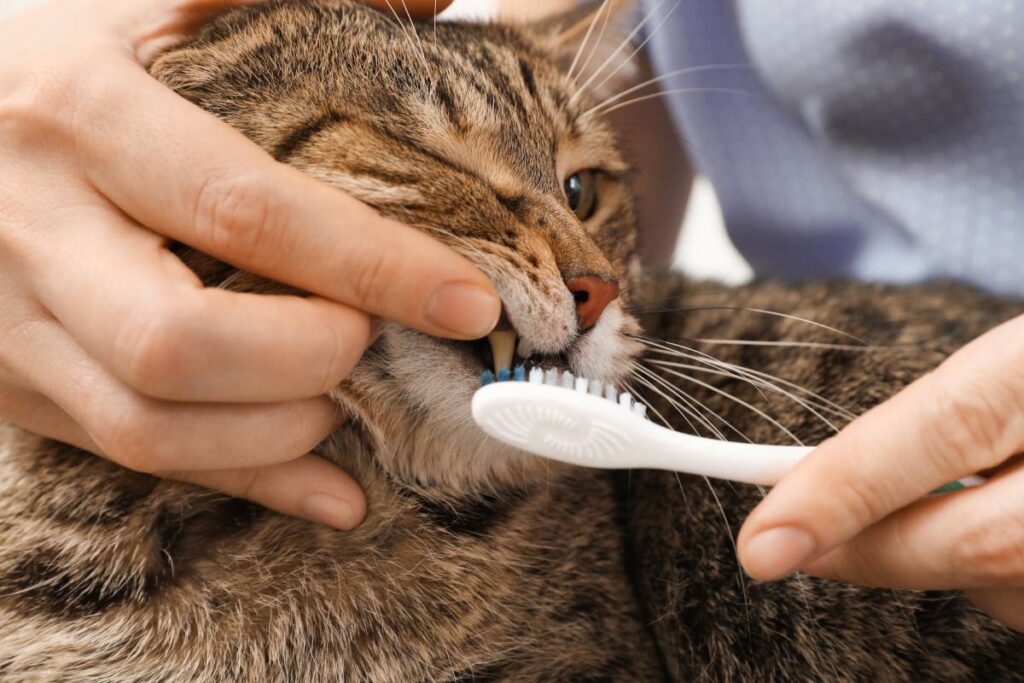
Ever noticed how your cat's breath seems to take on a life of its own? Or perhaps you've been wondering why your feline friend has been less enthusiastic about mealtimes lately?
You're not alone. As a loving cat owner, you want the best for your furry companion, and that includes their dental health. But can you really brush a cat's teeth? The idea might sound daunting, but it's not as impossible as it seems.
In fact, maintaining your cat's oral hygiene could be simpler than you think and more crucial than you ever imagined. Dive into this article to uncover the secrets of feline dental care, and discover how you can keep your kitty's smile bright and healthy. Your cat's health—and your peace of mind—depend on it.
Importance Of Cat Dental Care
Cats are independent creatures but need dental care too. Ignoring a cat's dental health can lead to serious issues. Gum disease and tooth decay are common without proper care. Maintaining your cat's oral health prevents pain and infections. Regular dental care keeps your feline friend happy and healthy.
Reasons For Regular Dental Care
Regular dental care helps prevent plaque buildup. Plaque can harden into tartar, causing gum disease. Healthy teeth lead to a healthier life. Good dental hygiene can extend your cat's lifespan. Regular brushing reduces the risk of painful dental diseases.
Signs Of Dental Problems
Bad breath is often a sign of dental issues. Drooling or pawing at the mouth indicates discomfort. Difficulty eating or loss of appetite can signal oral pain. Swollen or bleeding gums need immediate attention. Look for yellow or brown teeth as warning signs.
Benefits Of Brushing Your Cat's Teeth
Brushing removes food particles and bacteria. It prevents plaque and tartar buildup. Regular brushing reduces bad breath. It can save on vet bills by preventing costly treatments. Brushing strengthens your bond with your cat.
Tools Needed For Cat Dental Care
A cat-specific toothbrush is essential. Use toothpaste made for cats, not humans. Dental wipes and gels can be helpful. Finger brushes are an alternative for some cats. Consider dental treats and toys to support oral health.

Credit: www.purina.com
Signs Of Dental Issues In Cats
Just like humans, cats can suffer from dental issues that affect their overall health and happiness. Identifying these signs early can prevent serious problems down the road. Have you ever wondered if your feline friend is experiencing any discomfort due to dental issues? Let's explore some key indicators that might suggest your cat needs dental care.
Bad Breath
If your cat's breath is more pungent than usual, it might be a sign of dental trouble. Bad breath can indicate plaque buildup or gum disease. Regularly checking your cat's breath can give you an early warning sign to seek veterinary advice.
Difficulty Eating
Notice your cat avoiding their favorite crunchy treats? Difficulty eating or chewing may suggest oral discomfort. If your cat starts dropping food or chewing on one side, it's time to pay attention. These behaviors can be signals of pain or tooth decay.
Excessive Drooling
While a little drool is normal, excessive drooling could be a sign of dental issues. If your cat suddenly starts drooling more than usual, it might indicate oral pain or irritation. Pay attention to changes in drooling patterns and consult your vet if necessary.
Visible Tartar Or Plaque
A quick look at your cat's teeth can reveal visible tartar or plaque buildup. Yellow or brown deposits on the teeth can lead to more serious problems if left untreated. Regular dental checks can help you spot these issues early.
Swollen Or Bleeding Gums
Swollen or bleeding gums are clear signs of dental issues in cats. These symptoms can indicate gum disease or infection. It's essential to address any gum changes promptly to avoid further complications.
Have you noticed any of these signs in your cat? By recognizing these indicators, you can take action to ensure your cat's dental health is in top shape. Regular vet visits and proper dental care can make all the difference. So, what's your plan for keeping your cat's teeth healthy?
Choosing The Right Tools
Selecting the right tools is crucial for brushing a cat's teeth. A cat-friendly toothbrush and pet-safe toothpaste make the task easier. Ensure comfort and safety for your feline friend while maintaining dental health.
Choosing the right tools for brushing your cat's teeth can make the process smoother and more effective. You'll want tools that are specifically designed for feline dental care. Using the right tools not only ensures your cat's comfort but also increases the likelihood of regular brushing becoming a manageable routine.
Cat-specific Toothbrushes
Cat-specific toothbrushes are crafted to fit your cat's smaller mouth and delicate gums. They often come with soft bristles that are gentle yet effective in removing plaque. Some cat toothbrushes have dual heads, providing flexibility depending on your cat's preference. You might find finger brushes easier to use, especially if your cat is fidgety. These slip onto your finger, offering better control and a more natural brushing angle. If traditional toothbrushes seem intimidating, finger brushes can be a fantastic alternative.
Pet-safe Toothpaste Options
Human toothpaste is a no-go for cats due to ingredients that can be harmful if swallowed. Instead, opt for pet-safe toothpaste. These come in flavors that cats find appealing, like poultry or fish, making the brushing experience more pleasant. Check for enzymatic toothpaste, as they contain enzymes that help break down plaque even without vigorous brushing. They add an extra layer of defense against tartar build-up. Always read the label for recommended usage and ensure it’s vet-approved. Choosing the right toothpaste can turn a potentially stressful task into a treat-like experience for your feline friend. Wouldn’t it be great if your cat looked forward to toothbrushing time?
Preparing Your Cat For Brushing
Preparing your cat for teeth brushing can be a rewarding experience. Cats are known for their independent nature, but with patience and the right approach, you can make this task a positive routine. By creating a comfortable setting and introducing the tools gradually, you'll help your feline friend accept this new habit more easily.
Creating A Calm Environment
Your cat senses your mood, so stay relaxed. Choose a quiet spot without distractions. Soft lighting and gentle music can work wonders. Try brushing during a time when your cat is naturally calm, like after a meal or nap.
Consider the space where you'll be brushing. Avoid busy areas and opt for a cozy corner. Having a consistent spot can help your cat associate that location with a positive experience.
Familiarizing Your Cat With Tools
Introduce the toothbrush and toothpaste slowly. Let your cat sniff and explore them without pressure. You can use treats or toys to make the introduction more appealing.
Start by gently rubbing the toothbrush against your cat's fur or paws. Gradually move towards the mouth area. This step helps your cat get used to the texture and feel of the brush.
Have you ever tried using flavored toothpaste? Many cats enjoy flavors like chicken or fish. These special pastes can make the brushing experience more enjoyable for your pet.
Engage with your cat positively. Praise them when they stay calm or show interest in the tools. This reinforcement builds trust and makes future brushing sessions smoother.
Step-by-step Brushing Process
Brushing your cat's teeth might seem daunting. With patience, it becomes a routine. Follow a step-by-step process for success. Start by gathering the right tools. Use a cat-specific toothbrush and toothpaste. Prepare your cat by introducing them to the brush.
Proper Brushing Technique
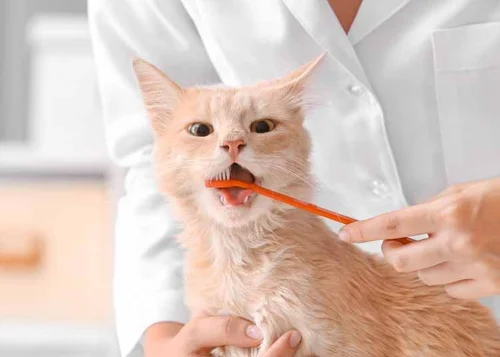
Hold the brush at a 45-degree angle. Gently lift your cat's lip. Brush in small circular motions. Focus on the gum line. Use a gentle touch. Avoid brushing too hard. Start with the outer surfaces. Gradually work towards the inner surfaces.
How Often To Brush
Brush your cat's teeth regularly. Aim for daily brushing. At least three times a week is ideal. Consistency helps maintain dental health. Regular brushing prevents plaque buildup. It reduces the risk of gum disease.
Alternative Dental Care Methods
Brushing a cat's teeth can be challenging. Some cats resist this routine. Thankfully, there are alternative dental care methods. These methods help maintain your cat’s oral health without brushing.
Dental Treats And Chews
Dental treats and chews can clean teeth effectively. These treats are designed to reduce plaque and tartar. They can be a tasty and fun way for cats to maintain healthy teeth. Many brands offer treats with ingredients that freshen breath. When selecting dental treats, check for veterinarian approval. Ensure they are suitable for your cat’s age and health.
Professional Dental Cleanings
Professional dental cleanings are crucial for deep cleaning. Veterinarians perform these cleanings using specialized tools. This process removes plaque and tartar buildup. It can prevent gum disease and other dental issues. Regular check-ups can identify problems early. This keeps your cat’s mouth healthy over time. Ask your vet about the best cleaning schedule for your cat.
Common Challenges And Solutions
Caring for a cat's dental health can be challenging. Cats often resist tooth brushing, which can lead to dental issues. Understanding common challenges and solutions is essential for effective cat dental care. With patience and the right techniques, you can address these challenges and keep your cat's teeth healthy.
Handling A Resistant Cat
Cats are creatures of habit. They often resist changes in routine. If your cat resists brushing, start slow. Introduce the toothbrush gradually. Let your cat sniff and explore it first. Use rewards to create positive associations. Try brushing during relaxed times. This can help ease your cat into the process.
Some cats may prefer finger brushes. These can feel less intrusive. If your cat is still resistant, consider using dental wipes. These are less stressful for some cats. Always be patient and gentle. Your cat may need time to adjust.
Dealing With Bad Breath
Bad breath in cats can indicate dental problems. Regular brushing can help reduce odor. Use a cat-specific toothpaste. Human toothpaste can be harmful to cats. Look for flavors your cat enjoys. This makes brushing more pleasant. Brushing helps remove plaque and bacteria. This reduces the cause of bad breath.
If bad breath persists, consult a vet. It may signal deeper health issues. Regular vet check-ups can catch problems early. They ensure your cat's mouth stays healthy.

Credit: www.yahoo.com
Benefits Of Regular Dental Care
Regular dental care is vital for your cat's health. It helps in maintaining overall well-being. Cats, like humans, can suffer from dental issues. Ignoring these can lead to severe health problems. Routine brushing can prevent many of these issues.
Prevention Of Dental Diseases
Brushing your cat's teeth can prevent plaque build-up. Plaque can turn into tartar if not cleaned. This can cause gum disease and tooth decay. Regular brushing helps keep teeth and gums healthy.
Improved Breath
Cats can have bad breath due to bacteria in the mouth. Regular brushing reduces bacteria. It leaves your cat with fresher breath. This is pleasant for you and your pet.
Enhanced Overall Health
Dental care impacts your cat's overall health. Bacteria from the mouth can enter the bloodstream. This can affect vital organs. Regular dental care helps prevent such risks.
Cost Savings On Vet Bills
Preventive care is cheaper than treatments. Regular brushing reduces the need for expensive dental procedures. This can save you money on vet bills in the long run.
Stronger Bond With Your Cat
Brushing your cat's teeth can strengthen your bond. It involves trust and patience. Your cat learns to feel comfortable with you. This enhances your relationship.
Credit: www.catschool.co
Frequently Asked Questions
Are You Supposed To Brush Cat Teeth?
Yes, brushing your cat's teeth is important for their dental health. Regular brushing prevents plaque buildup and gum disease. Use a cat-specific toothbrush and toothpaste to ensure safety. Start slowly and gently to help your cat get accustomed to the process.
Regular dental care improves your cat's overall health.
How Do I Clean My Cat's Teeth?
Use a pet toothbrush and cat-friendly toothpaste. Brush gently in circular motions. Offer dental treats or toys for added cleaning. Regular vet check-ups help maintain oral health.
What Can I Use To Brush My Cat's Teeth If I Don't Have Cat Toothpaste?
Use a damp gauze wrapped around your finger to brush your cat's teeth. Baking soda mixed with water can be an alternative. Ensure it's gentle and safe. Avoid human toothpaste, as it can be toxic to cats.
Can I Brush My Cat's Teeth With Colgate?
No, don't use Colgate or any human toothpaste for your cat. It can be harmful. Use toothpaste specifically designed for cats to ensure their safety and oral health.
Conclusion
Brushing your cat's teeth is important for their health. It prevents plaque and keeps gums healthy. Start slow and use pet-safe toothpaste. Introduce brushing gradually to avoid stress. Regular brushing can reduce vet visits. Healthy teeth mean a happier cat.
Keep a routine for best results. Consistency is key to dental health. Clean teeth help avoid serious issues later. Make it a part of your care routine. Your cat will thank you for it. Good dental health means a better life.
Be patient and gentle with your furry friend. They need your support and care.
