

Do you dread brushing your cat because they seem to hate it? You’re not alone.
Many cat owners face the same struggle, trying to balance the need for grooming with their pet’s aversion to it. But don’t worry, there are ways to make this task easier and more comfortable for both you and your furry friend.
Imagine transforming your cat's brushing experience from a battle into a bonding moment. This article will guide you through practical tips that can help reduce stress for your cat and make brushing a smoother process. Discover how you can turn this daily chore into a pleasant ritual that strengthens your connection with your cat. Read on to learn the secrets behind successful cat grooming that your feline won’t just tolerate but might even enjoy!
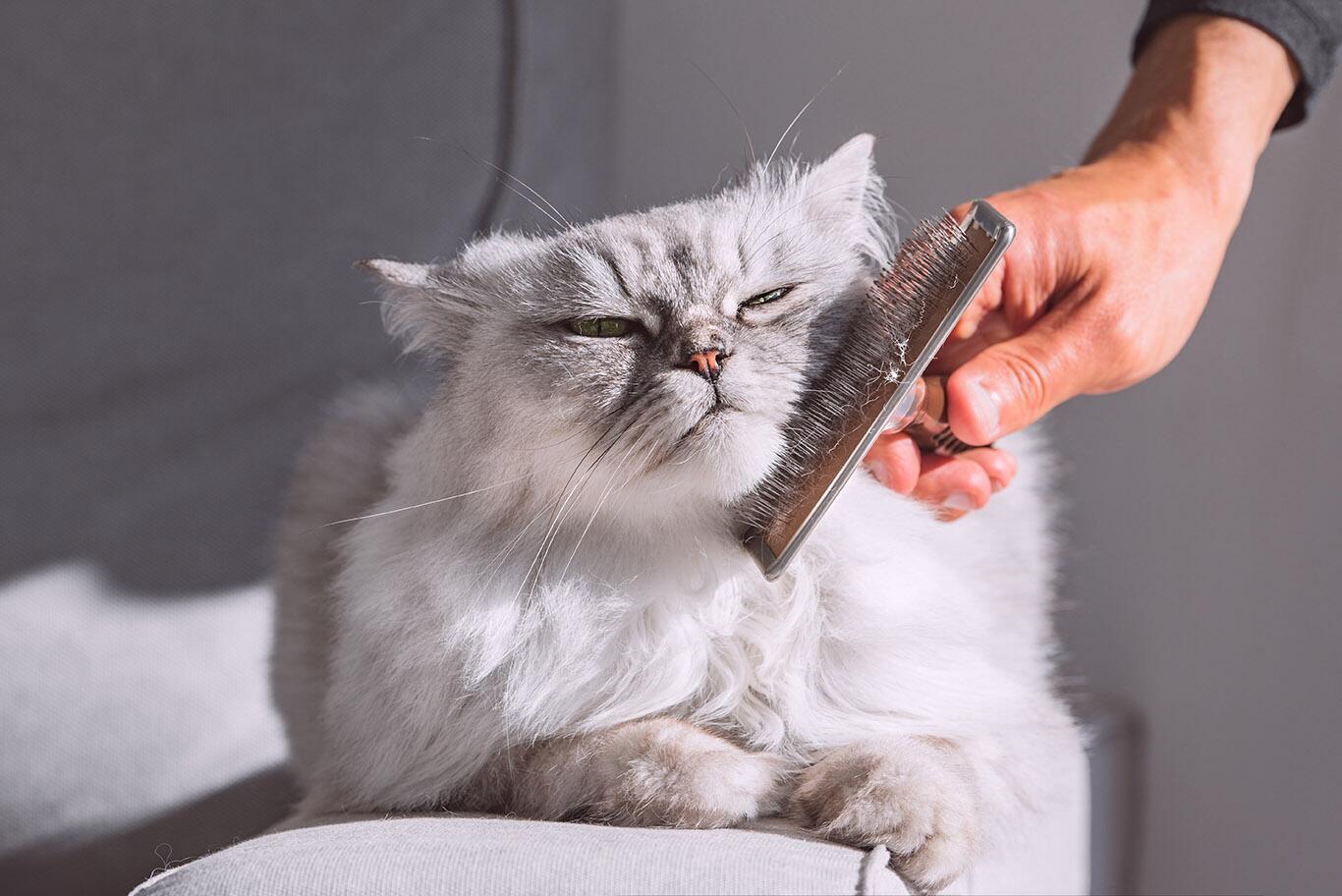
Credit: www.latimes.com
Understanding Feline Behavior
Brushing a resistant cat requires patience and gentle techniques. Introduce the brush slowly, allowing the cat to sniff it first. Reward calm behavior with treats or soothing words to ease anxiety and create a positive association.
Understanding your cat's behavior can make brushing easier. Cats are complex creatures. They communicate through body language and vocalizations. Knowing these signs helps you understand their needs and dislikes. This knowledge can transform a dreaded chore into a bonding moment.
Why Cats Dislike Brushing
Cats dislike brushing for several reasons. Their skin is sensitive. Harsh brushing can hurt them. Some cats have had negative experiences with brushes. This leads to fear and resistance. They may also associate brushes with stress or discomfort.
Recognizing Signs Of Distress
Understanding your cat's distress signals is crucial. Look for ears flattened against the head. Watch for a flicking tail. These are signs of discomfort. Hissing or growling indicates fear or anger. If they try to escape, stop immediately. Respect these signs to build trust.
Choosing The Right Tools
Brushing a cat that detests the process can be a daunting task. The right tools can make all the difference in transforming this challenging experience into a manageable one. Choosing the correct brush and products tailored for your feline friend is crucial in easing their discomfort and creating a more peaceful grooming routine.
Types Of Brushes For Cats
Not all brushes are created equal, and what works for one cat might not work for another. There are several types available, each serving a unique purpose:
- Slicker Brushes:Ideal for cats with medium to long fur, these brushes have fine, short wires close together. They can help remove mats and tangles, but be gentle to avoid irritating the skin.
- Bristle Brushes:Perfect for short-haired cats, bristle brushes distribute natural oils and add shine to their coat.
- Pin Brushes:Suitable for cats with thick fur, pin brushes have widely spaced pins, which can help detangle without pulling.
- Rubber Brushes:Great for sensitive cats, rubber brushes are gentle and can be used during bath time to remove loose fur.
Selecting Cat-friendly Products
Your choice of grooming products can significantly impact your cat's comfort level. Opt for items designed specifically for cats, as they are formulated to be safe and effective:
- Cat Detangling Sprays:These sprays can help manage knots and make brushing easier and less painful.
- Conditioning Shampoos:Use shampoos that nourish the coat and skin, making brushing smoother and reducing irritation.
- Calming Sprays:Some products include pheromones that can calm your cat, making the grooming session less stressful.
Have you ever wondered if changing your approach might win your cat’s cooperation? Sometimes, switching to softer brushes or using calming products can make your feline more receptive. Remember, patience is key. Your cat will appreciate the effort and care, even if they don’t show it immediately.
Creating A Calm Environment
Creating a peaceful atmosphere helps ease the brushing process for cats that dislike it. Use soft lighting and quiet surroundings to make your cat feel relaxed. Gentle stroking and patience can encourage cooperation during grooming.
Creating a calm environment is key when brushing a cat that hates it. Cats are sensitive creatures. They react to their surroundings. A peaceful setting can ease their anxiety. It makes grooming more pleasant for both you and your cat.
Preparing The Space
Choose a quiet room away from noise. Turn off loud appliances. Ensure the space is comfortable. Use a soft mat or blanket. This makes your cat feel secure. Remove any clutter from the area. A tidy space reduces distractions. Keep grooming tools within reach. This minimizes movement and keeps your cat calm.
Reducing Stress Factors
Introduce calming scents. Use lavender or chamomile sprays. These scents help relax your cat. Play soothing music. Gentle tunes can ease tension. Speak softly to your cat. Your voice reassures them. Avoid sudden movements. Move slowly and steadily. Keep grooming sessions short. Brief interactions reduce stress. Offer treats as rewards. Positive reinforcement builds trust.
Building Positive Associations
Building positive associations is key to brushing a cat that dislikes it. Cats often fear new experiences or dislike handling. Creating positive moments can change their perception. This process requires patience and consistency. Let's explore some effective techniques.
Using Treats And Rewards
Offer treats during grooming sessions. Cats associate treats with positive experiences. Use their favorite snacks to create a pleasant atmosphere. Reward them when they stay calm. Over time, they’ll link brushing with something they enjoy.
Keep sessions short at first. Gradually increase the time as they adjust. Always finish with a treat, even if brushing was brief.
Gradual Desensitization Techniques
Start by introducing the brush without touching them. Let them sniff and inspect it. This helps reduce fear. Gradually, begin touching them with the brush. Start with areas they like petting. Move slowly, ensuring they feel comfortable.
Increase brushing time over days or weeks. Patience is crucial. Observe their reactions closely. Stop if they show signs of stress or discomfort.
Effective Brushing Techniques
Cats are known for their independent nature, and some of them absolutely detest being brushed. However, regular grooming is crucial for their health and well-being. If you're facing the challenge of brushing a cat that hates it, employing effective techniques can make the process smoother and more enjoyable for both of you.
Gentle Handling Methods
Start by creating a calm environment. Ensure the room is quiet and free of distractions. Your cat should feel safe and relaxed.
Use gentle movements when handling your cat. Avoid sudden actions that might startle them.
Consider sitting on the floor to be at their level. This can make them feel less threatened.
What about using treats as positive reinforcement? Giving your cat a treat before, during, and after brushing can help them associate the activity with something pleasant.
Approaching Sensitive Areas
Identify the areas your cat is most sensitive about. Common areas include the belly, tail, and paws.
Begin brushing in less sensitive areas like the back or sides. Once your cat is more comfortable, gradually move to the more sensitive spots.
Use a brush with soft bristles to minimize discomfort. A gentle touch is key to not triggering their defensive instincts.
Have you ever considered using a distraction? Toys or feather wands might help divert their attention while you approach tricky areas.

Credit: baileybrush.com
Handling Resistance
Handling a cat's brushing resistance requires patience and gentle approaches. Gradually introduce the brush, starting with short sessions. Create a calm environment to ease tension and make brushing a positive experience.
Handling a cat that resists being brushed can be a daunting task, but it's not impossible. Understanding your cat's behavior and knowing how to effectively manage resistance can make grooming sessions more bearable for both you and your feline friend. The key is patience and observing your cat's signals to prevent the situation from escalating.
When To Take Breaks
Brushing a cat that hates it can be stressful, so it's crucial to know when to pause. If your cat starts squirming or trying to escape, it’s a clear signal to take a break. Try brushing for just a few minutes at a time, gradually increasing as your cat becomes more comfortable. Frequent breaks can help in reducing anxiety and make the process less overwhelming for your pet. Have some treats handy to reward your cat during breaks, associating grooming with positive experiences.
Dealing With Aggression
Facing aggression during brushing can be challenging. If your cat hisses, bites, or scratches, it's important to stay calm and not retaliate. Move slowly and speak softly, as sudden movements can escalate aggression. Consider using a soft brush or glove that feels less intrusive to your cat. Remember, aggression is often a sign of fear or discomfort. Reflect on your approach and adjust accordingly—perhaps a different time of day or a new location might help your cat feel more at ease.
Professional Grooming Assistance
Gently introduce brushing with treats and soothing voice. Use a soft brush to avoid discomfort. Create a calm environment to reduce stress, ensuring a pleasant experience for your cat.
Brushing a cat that detests the process can be quite the challenge. Sometimes, enlisting professional grooming assistance can be a game-changer. Professional groomers have the skills and tools to manage even the most reluctant feline fur. By seeking professional help, you can ensure your cat's coat remains healthy and tangle-free without the stress and struggle at home. But when should you consider reaching out to a groomer?
When To Consult A Groomer
If your cat consistently resists brushing, it's time to think about professional help. Persistent matting, long-haired breeds, or a cat that becomes aggressive during grooming are signs you should seek expert assistance. Professional groomers are trained to handle difficult situations. They can manage cats that are anxious or aggressive, reducing the risk of injury to both you and your pet.
Benefits Of Professional Help
There are several advantages to professional grooming. First, groomers have specialized tools to effectively deal with tangles and mats without causing discomfort. Additionally, they can spot skin issues or parasites early, which you might miss. A fresh set of eyes can ensure your cat's overall health and well-being. Have you ever noticed how a professional groomer can calm even the most jittery of cats? Their expertise can transform a dreaded task into a manageable routine. Wouldn't it be great to have that kind of peace at home too? Consider professional grooming as an investment in your cat’s health and your own peace of mind.
Maintaining A Routine
Establish a calm environment to ease your cat into brushing. Use gentle strokes and reward with treats. Consistent short sessions can help your cat gradually accept the routine.
Maintaining a routine when brushing a cat that hates it can be challenging but rewarding. A consistent approach helps reduce stress and builds trust between you and your furry friend. Understanding and adapting to your cat's unique preferences can make the process smoother and even enjoyable for both of you.
Establishing A Brushing Schedule
Creating a regular brushing schedule is crucial. Cats thrive on routine, and knowing when to expect a brushing session can ease their anxiety. Start by choosing a time of day when your cat is usually relaxed. Consistency is key. Whether it’s after dinner or during a quiet afternoon, sticking to the same time each day helps. Gradually, your cat will begin to associate this time with positive experiences. Use short sessions initially. Aim for just a couple of minutes. This helps your cat adjust without feeling overwhelmed. As they become more comfortable, you can slowly increase the duration.
Adapting To Your Cat's Needs
Every cat is unique, and recognizing their individual needs is important. Pay attention to your cat's body language during brushing sessions. Does your cat prefer a specific type of brush or a particular area to be brushed? Flexibility in your approach can be beneficial. If your cat shows discomfort, try a different brush or change the technique. A softer brush or gentler strokes might make all the difference. Consider the environment too. Some cats may respond better to brushing in a quiet room, away from distractions. Others might feel more at ease when they have the freedom to move around. Have you noticed any particular triggers that upset your cat during brushing? Addressing these can prevent negative associations. Over time, these small adjustments can transform brushing from a dreaded chore into a bonding moment.

Credit: www.youtube.com
Frequently Asked Questions
How Do You Groom An Unwilling Cat?
Start by creating a calm environment for your cat. Use gentle strokes and short grooming sessions. Offer treats to build positive associations. Focus on areas your cat tolerates better, like the back or sides. Gradually increase the duration as your cat becomes more comfortable.
Patience and consistency are key.
How Do Groomers Deal With Difficult Cats?
Groomers use gentle handling techniques and soothing voices to calm difficult cats. They may offer treats and use tools like muzzles or calming sprays. Patience and experience help them manage stress, ensuring a safe grooming experience for both the cat and themselves.
How Do I Immobilize My Cat For Grooming?
Secure your cat by gently wrapping it in a towel, leaving the head exposed. Calm your pet with soothing words and strokes. Use treats to distract and reward good behavior. Groom in a quiet, comfortable area to minimize stress. Always prioritize your cat's comfort and safety.
What To Do If A Cat Isn't Grooming?
Consult a vet for health issues like arthritis or dental problems. Ensure regular grooming sessions. Provide a stress-free environment. Offer a balanced diet. Use grooming tools like brushes to assist with cleaning.
Conclusion
Brushing a cat that dislikes it can be challenging. Patience is key. Try gentle strokes and calm words. Reward with treats after each session. Gradually, your cat may get comfortable. Choose the right brush. Soft bristles work best. Create a routine.
Regular brushing helps reduce stress. Make grooming a bonding time. You both will enjoy it. Remember, each cat is unique. Adjust your approach as needed. Observe your cat's behavior closely. With time, brushing can become easier. Keep your cat's comfort in mind.
Happy grooming!
