
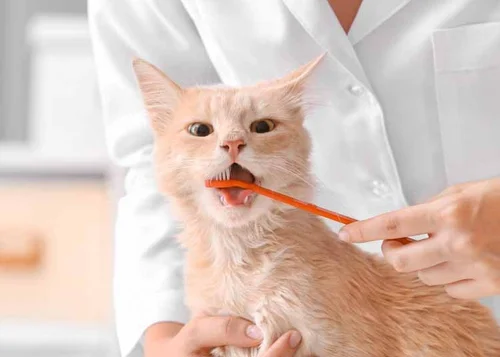
Have you ever wondered about the importance of dental care for your feline friend? As a cat owner, you might be focused on keeping your pet well-fed, entertained, and healthy.
But there's one aspect of their health that might be slipping under your radar – their dental hygiene. You might ask yourself, "Should you brush your cat's teeth? " It's a question that many pet owners ponder, yet often overlook.
Imagine your cat living a longer, happier life with fewer visits to the vet. Picture their vibrant, playful energy, unburdened by dental pain or discomfort. The secret to achieving this might be hidden in their pearly whites. By the end of this article, you'll gain insights into why dental care is crucial for your cat and how you can easily incorporate it into your routine. Keep reading, and you'll discover the surprising benefits of brushing your cat's teeth and how it can transform your pet's health and happiness.

Credit: www.purina.com
Importance Of Dental Care For Cats
Dental care for cats often goes unnoticed, yet it is a crucial aspect of their overall health. Just like humans, cats can suffer from dental diseases that can lead to severe health issues. If you're a cat owner, understanding the importance of maintaining your feline friend's oral hygiene can prevent unnecessary pain and costly vet visits.
Understanding Cat Dental Health
Many cat owners are unaware that dental disease is one of the most common health issues in cats. Plaque and tartar can build up on their teeth, leading to gingivitis, tooth decay, and even systemic infections. Regular dental care can help prevent these problems.
Signs Your Cat Needs Dental Care
Ever noticed your cat avoiding dry food or pawing at their mouth? These could be signs of dental pain. Bad breath and drooling are other indicators that your cat’s teeth might need attention. Regular checks can catch these signs early.
Benefits Of Brushing Your Cat’s Teeth
Brushing your cat's teeth might sound challenging, but it offers substantial benefits. It can prevent plaque buildup, reduce the risk of gum disease, and improve overall oral health. Plus, it can save you from costly dental procedures later on.
How Often Should You Brush Your Cat’s Teeth?
Consistency is key when it comes to brushing your cat's teeth. Aim for daily brushing, but if that's not feasible, try to brush at least a few times a week. The more frequent, the better for your cat's dental health.
Personal Experience: Making Dental Care A Routine
When I first started brushing my cat’s teeth, it was a struggle. But with patience and treats as rewards, it became a bonding activity. Now, my cat tolerates it, and I have peace of mind knowing I'm contributing to her long-term health.
Is Professional Dental Cleaning Necessary?
While brushing at home is crucial, professional cleaning can address areas you might miss. Veterinarians can perform thorough cleanings and check for underlying issues. Consider scheduling a dental check-up annually for optimal care.
Do you prioritize your cat’s dental health as much as their diet or exercise? Investing time in their dental care can ensure a happier, healthier life for your feline companion.
Signs Of Dental Issues
Recognizing the signs of dental issues in cats is crucial for maintaining their overall health and well-being. Cats are experts at hiding pain, so it's essential to pay close attention to any subtle changes in their behavior or physical appearance. Identifying these signs early can prevent more serious health problems down the line.
Behavioral Changes
Is your cat avoiding dry food or being picky about meals? This could indicate dental discomfort. Cats might also become less playful or more withdrawn, opting for solitude over social interaction. If your usually energetic feline suddenly prefers lounging around, dental issues might be to blame.
Notice any unusual aggression? Pain can trigger unexpected mood swings. If your cat hisses or swats when approached, it might be feeling vulnerable due to oral discomfort. Observing these shifts in behavior can be a crucial first step in addressing potential dental problems.
Physical Symptoms
Bad breath is a common indicator of dental issues. While cats aren't known for fresh breath, a noticeably foul odor should raise concerns. Check for excessive drooling, which often accompanies mouth pain and can signal dental disease.
Visible changes like red, swollen gums or bleeding during eating warrant immediate attention. Look for tartar buildup on teeth, which appears as a yellow or brown coating. Cats with dental problems might also display a reluctance to groom, leading to a messy coat.
Have you ever noticed your cat pawing at its mouth? This gesture can be a sign of discomfort or pain. It's a clear indicator that something might be wrong with their dental health.
Benefits Of Brushing Cats' Teeth
Brushing your cat's teeth can prevent dental diseases and improve their overall health. Regular cleaning reduces plaque and tartar buildup, ensuring fresher breath. A healthier mouth means fewer vet visits and a happier, more comfortable pet.
Brushing your cat's teeth may not be the first thing you consider when thinking about pet care, but it's a small task that can yield significant benefits. Just like humans, cats benefit from regular oral hygiene. By brushing your cat’s teeth, you contribute to their overall health and well-being. Let's explore the specific advantages of this practice.
Prevention Of Gum Disease
Gum disease, also known as periodontal disease, is common among cats. Regular brushing helps remove plaque before it hardens into tartar. This prevents gum disease from taking hold, which can lead to discomfort and more severe health issues. Think of it as an investment in your cat's future. A few minutes spent brushing now can save you from costly veterinary treatments later. Plus, your cat will be happier and healthier for it.
Reduction Of Bad Breath
Bad breath in cats is often a sign of poor oral hygiene. Brushing your cat's teeth can significantly reduce those unpleasant odors. A clean mouth leads to fresher breath, making cuddle time more enjoyable for both you and your feline friend. Have you ever turned away from your cat's affectionate nuzzle because of their breath? Regular brushing can transform these moments, allowing you to enjoy their company without holding your nose. By taking these simple steps, you ensure that your cat maintains a clean and healthy mouth. Why not give it a try and see the benefits for yourself?
Challenges In Brushing Cats' Teeth
Brushing a cat's teeth presents unique challenges. Cats are independent creatures with strong opinions. Their dental care can be a tricky affair. Many pet owners find it difficult to establish a regular brushing routine. This section explores the common hurdles faced in maintaining feline dental hygiene.
Resistance From Cats
Cats often resist having their teeth brushed. They may squirm or try to escape. This behavior is normal. Cats dislike having their mouths handled. They might swat or bite if they feel threatened. Getting your cat used to brushing takes time. It requires a gentle approach. Start slowly to reduce their anxiety. Use positive reinforcement to make the process easier.
Time And Patience Required
Brushing a cat’s teeth demands time and patience. It’s not a one-time task. Consistency is key for effective dental care. Begin with short sessions. Gradually increase the duration as your cat becomes comfortable. Finding the right time in your schedule can be challenging. Each session should be calm and stress-free. The process will get smoother with practice.
Alternatives To Brushing
Brushing your cat's teeth might seem like a daunting task, and you're not alone if you're looking for alternatives. Fortunately, there are other ways to ensure your feline friend maintains good oral hygiene without the struggle of a toothbrush. Let's explore some of these options.
Dental Treats
Dental treats are a favorite among many cat owners. Not only do they serve as a tasty snack, but they also help reduce plaque and tartar buildup. These treats are specifically designed to clean your cat's teeth as they chew, making it a hassle-free way to promote oral health.
Look for treats that have the Veterinary Oral Health Council (VOHC) seal of approval, as this ensures they meet specific standards. Offering these treats regularly can be an enjoyable and effective part of your cat’s dental care routine.
Professional Cleaning
If you're concerned about your cat's dental health, consider scheduling a professional cleaning. Veterinarians have the tools and expertise to thoroughly clean your cat's teeth and address any issues that might be developing. This option is particularly useful for cats with significant tartar buildup or those prone to dental disease.
While this might not be a frequent routine, a professional cleaning every year or two can make a significant difference. It also allows for early detection of potential dental problems, giving you peace of mind about your pet's health.
Have you tried any of these alternatives? How do you ensure your cat's dental health without the stress of brushing? Share your experiences and tips in the comments below!
Credit: m.facebook.com
Choosing The Right Tools
Choosing the right toothbrush and toothpaste is essential for brushing a cat's teeth effectively. Opt for cat-friendly products to ensure safety and comfort. Regular brushing can help maintain your cat's dental health and prevent issues.
Choosing the right tools for brushing your cat's teeth can make all the difference between a successful dental routine and a stressful ordeal. It's not just about picking any toothbrush or toothpaste; it's about finding what your cat will accept and what will effectively clean their teeth. The good news is there are a variety of options to suit different cat personalities and preferences.
Toothbrush Options
When selecting a toothbrush for your feline friend, consider their comfort and size. Finger brushes are a popular choice for beginners, as they allow you to feel where you're brushing and offer better control. They fit over your fingertip and have soft bristles that are gentle on your cat's gums. For cats who are more accustomed to brushing, a small pet toothbrush with a long handle might be more effective. These brushes resemble human toothbrushes but are designed with smaller heads and softer bristles to accommodate a cat's delicate mouth. Some pet owners find success with gauze pads wrapped around their fingers, especially if their cat is particularly fussy. This method is gentle and allows you to introduce brushing gradually, getting your cat used to the sensation without overwhelming them.
Cat-friendly Toothpaste
Choosing the right toothpaste is crucial since human toothpaste can be harmful to cats. Look for enzymatic toothpaste made specifically for pets. These are safe to swallow and often come in flavors that cats find irresistible, such as poultry or fish. Cats can be picky, so if one flavor doesn't work, try another. Some pet owners find that their cats prefer a particular flavor, which can make the process much smoother. Keep an eye out for natural ingredients if you're concerned about additives. Toothpastes with natural enzymes not only clean your cat’s teeth but also help break down plaque and tartar effectively. Have you ever noticed your cat's reaction to different flavors? Observing their preferences can guide you in making a choice they’ll accept, turning tooth brushing into a bonding activity rather than a battle.
Step-by-step Brushing Guide
Brushing your cat's teeth can seem daunting. With the right steps, it becomes easy. This guide helps you brush your cat’s teeth effectively. Regular brushing keeps your cat's teeth healthy.
Preparing Your Cat
Choose a calm time for brushing. Your cat should be relaxed and calm. Have a special toothbrush for cats. Use toothpaste meant for cats, not humans. Get your cat used to the taste of toothpaste. Put a small amount on your finger. Let your cat lick it off. Praise your cat for trying the toothpaste.
Create a comfortable space for brushing. Choose a quiet place where your cat feels secure. Hold your cat gently to keep them calm. You can place your cat on your lap or a table. Do not force your cat. Gently lift their lip to see the teeth.
Brushing Techniques
Begin with short brushing sessions. Start with a few teeth at a time. Use gentle, circular motions. Aim for two minutes of brushing. Focus on the outer surfaces of the teeth. Avoid brushing the inside of the teeth, as it can be hard. Praise and reward your cat after brushing. Give treats or playtime as a reward.
Make brushing a routine. Try brushing your cat's teeth every day. Consistency is key for dental health. Gradually increase the brushing time. Your cat will become more comfortable over time.
:strip_icc()/brush-your-cats-teeth-4778262-hero-9b2c8ee454904454a195642ceaa5454e.jpg)
Credit: www.thesprucepets.com
Frequency And Routine
Keeping your cat's teeth clean is crucial for their overall health. But how often should you brush their teeth to ensure optimal dental care? Establishing a routine can make the task easier and more effective. Let's delve into the specifics of frequency and routine to help you make an informed decision.
Daily Vs Weekly
Daily brushing can be ideal for maintaining your cat's dental health, just as it is for humans. If you have the time, brushing daily helps prevent plaque buildup and reduces the risk of dental diseases. However, this routine might not be feasible for everyone.
On the other hand, brushing weekly can still be beneficial if done consistently. It might not be as effective as daily brushing, but it's better than not brushing at all. Consider your schedule and your cat's tolerance. Some cats might resist daily brushing but may accept a weekly routine.
Integrating Into Lifestyle
Adding dental care to your cat's routine doesn't have to be a hassle. You can incorporate it into your existing pet care schedule. For instance, you could brush their teeth after grooming sessions or playtime when they're relaxed.
Make it a bonding time rather than a chore. Use treats or toys as rewards after brushing to create a positive association. Gradually, your cat might start looking forward to it. Wouldn't it be great if your cat sat happily for their dental care?
Think about the long-term benefits. Regular brushing can save you from costly vet visits due to dental issues. Plus, a healthy mouth leads to a healthier, happier cat. Isn't that worth the effort?
Frequently Asked Questions
Is It Necessary To Brush Your Cat's Teeth?
Yes, brushing your cat's teeth is important. It helps prevent dental disease and promotes overall health. Regular brushing reduces plaque and tartar buildup, which can lead to gum disease. Use cat-specific toothpaste and a soft brush for best results. Consult your vet for guidance and frequency recommendations.
What Can I Do Instead Of Brushing My Cat's Teeth?
Offer dental treats or toys that promote oral health. Use dental wipes to clean their teeth gently. Provide a diet with dry kibble to help reduce plaque. Schedule regular veterinary dental check-ups. Consider water additives that help maintain oral hygiene.
Is It Too Late To Start Brushing Cat Teeth?
It's never too late to start brushing your cat's teeth. Begin gently and gradually to help them adapt. Regular brushing can prevent dental issues and improve overall health. Start with short sessions and use feline-friendly toothpaste for the best results.
Consistency is key to maintaining their dental hygiene.
How Often Must I Brush My Cat's Teeth?
Brush your cat's teeth daily if possible. Regular brushing helps prevent dental issues and keeps their mouth healthy. Use cat-specific toothpaste and a soft brush for best results. Consistent brushing ensures their oral hygiene stays optimal, reducing the risk of gum disease and other dental problems.
Conclusion
Brushing your cat's teeth offers numerous benefits. It helps prevent dental issues. Keeps their breath fresh. Reduces tartar buildup. Ensures healthier gums. While it requires patience, it's worth the effort. Start slowly. Use cat-friendly toothpaste and a soft brush. Gradually add it to their routine.
Regular brushing leads to better oral health. A vet check-up is also helpful. They can guide you on dental care. Overall, brushing enhances your cat's well-being. A small task with big rewards. Prioritize their dental hygiene. Your cat will thank you with purrs and cuddles.
