
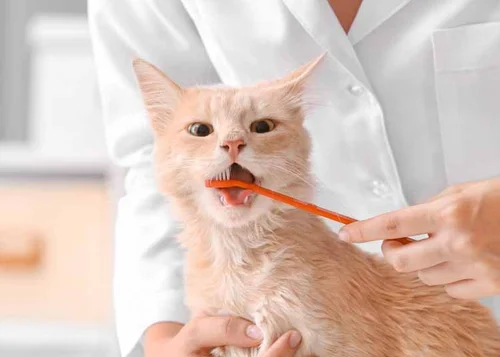
Have you ever wondered if your cat needs its teeth brushed? You're not alone.
Many pet owners are unsure about the dental care their feline friends require. You probably already know how important it is to brush your own teeth daily, but what about your cat's? Their dental health is crucial, yet often overlooked.
Imagine your cat living a happy and healthy life, free from dental pain and disease. Just like humans, cats can suffer from plaque buildup and gum issues. By understanding the importance of brushing their teeth, you can ensure that your furry companion has a sparkling smile and stays playful and energetic. Dive into this article to discover whether your cat's dental routine needs an upgrade and learn simple steps to keep their teeth clean. Your cat's health might just depend on it.
Importance Of Dental Health In Cats
Dental health is crucial for cats. Their teeth need care like ours. Poor dental hygiene can cause problems.
Understanding Cat Dental Diseases
Cats can suffer from dental diseases. These include gingivitis and periodontal disease. Untreated, these lead to pain and tooth loss.
Signs Of Dental Problems In Cats
Look for signs of dental issues. Bad breath, drooling, and gum inflammation are common. If noticed, visit the vet.
Benefits Of Regular Dental Care
Regular dental care prevents diseases. It keeps your cat healthy and happy. Healthy teeth mean a better quality of life.
How Often To Brush Your Cat's Teeth
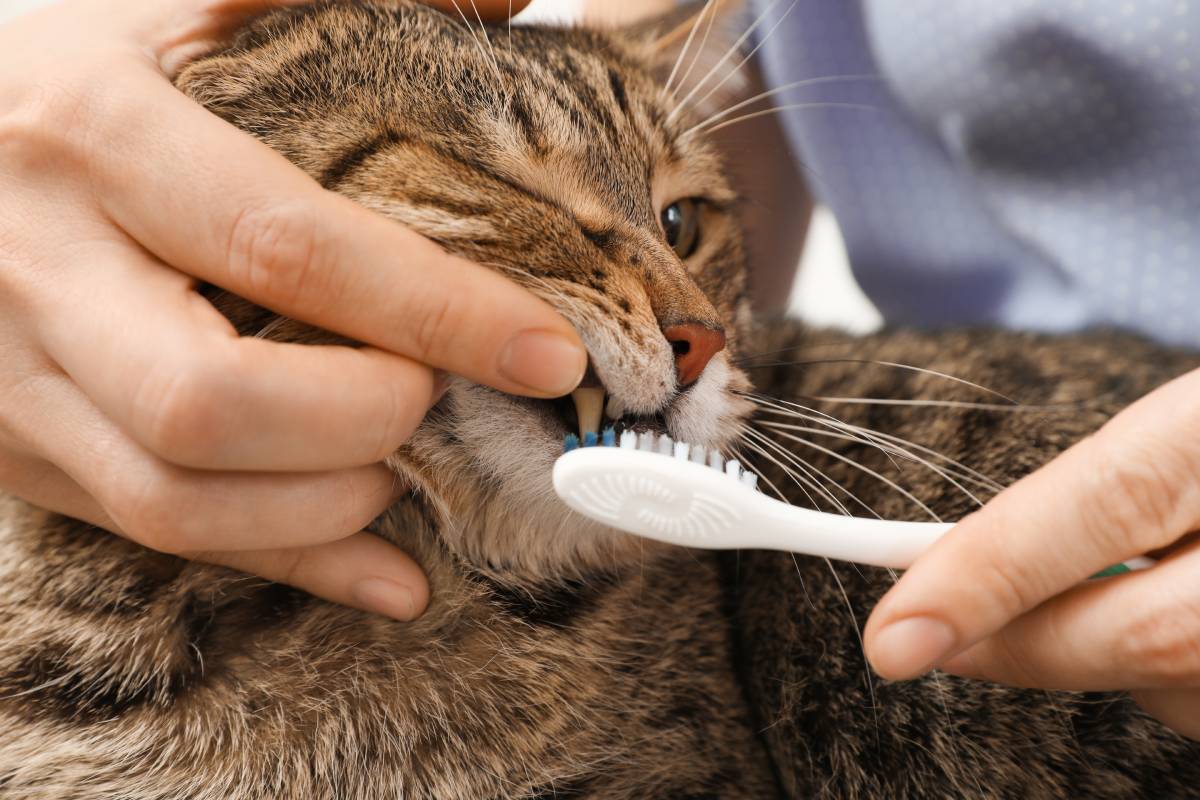
Brushing daily is ideal. Start slow and gentle. Consistency is key to success.
Credit: weareallaboutcats.com
Common Dental Problems In Cats
It's easy to overlook that your feline friend might be silently suffering from dental issues. Cats, much like humans, can experience a range of dental problems that can impact their overall health and happiness. Understanding these common dental problems can help you take proactive steps in ensuring your cat's wellbeing.
Periodontal Disease
Periodontal disease is an inflammation of the tissues surrounding your cat's teeth. It starts with plaque and can progress to severe gum infection if not treated. You might notice your cat having difficulty eating or even avoiding food altogether. Regular brushing can reduce plaque buildup and prevent this painful condition.
Tooth Resorption
Tooth resorption is a condition where the tooth structure breaks down, leading to loss of the tooth. It's surprisingly common in cats, yet often goes unnoticed. You may observe your cat pawing at their mouth or dropping food. Early detection through dental checks can help manage this issue and maintain your cat's quality of life.
Gingivitis
Gingivitis is the inflammation of the gums, often the precursor to periodontal disease. Look out for red, swollen gums or bleeding during feeding. Have you ever noticed your cat's breath smelling foul? This could be a sign of gingivitis. Regular dental care can keep their gums healthy and their breath fresh.
Can you imagine how uncomfortable it must be for your cat to deal with these issues daily? Regular dental hygiene practices, including brushing, could prevent these problems and ensure a happier, healthier life for your furry companion.
Signs Of Dental Issues
Cats need their teeth brushed to prevent dental issues. Look for signs like bad breath or swollen gums. Regular brushing keeps their teeth healthy and reduces the risk of dental diseases.
Noticing signs of dental issues in cats is important for their health. Cats can't tell us they're in pain, so we must watch for clues. Dental problems can lead to discomfort and other health issues. Let's explore some signs that may indicate your cat has dental problems.
Bad Breath
A common sign of dental issues is bad breath. If your cat's breath smells unpleasant, it may have gum disease or tooth decay. Healthy cat breath isn't odorless, but it shouldn't be offensive. Regularly sniff your cat's breath to catch any changes early.
Difficulty Eating
Watch your cat during meals. Struggling to chew or eat slowly may indicate dental pain. Your cat might drop food or only chew on one side of its mouth. These behaviors suggest it may hurt to eat.
Drooling
Excessive drooling can signal dental issues. If your cat drools more than usual, check its mouth. Drool may contain blood or have a foul smell. These symptoms could mean a dental problem that needs attention. Stay attentive to these signs. Early detection helps maintain your cat's dental health.
:strip_icc()/brush-your-cats-teeth-4778262-hero-9b2c8ee454904454a195642ceaa5454e.jpg)
Credit: www.thesprucepets.com
Benefits Of Brushing Cat's Teeth
Brushing your cat's teeth can prevent dental diseases and improve overall health. It reduces plaque buildup and bad breath. Regular dental care can help avoid costly vet visits.
The benefits of brushing a cat's teeth are numerous and impactful. Regular dental care can lead to healthier gums and teeth. This simple routine can make a big difference in your cat's life. Here are some key advantages of brushing your cat's teeth.
Prevention Of Dental Diseases
Brushing helps prevent plaque buildup. Plaque can turn into tartar, leading to dental diseases. Gingivitis and periodontal disease are common in cats. Regular brushing reduces these risks. Healthy teeth mean fewer visits to the vet.
Improved Overall Health
Oral health affects general health. Bacteria from dental issues can enter the bloodstream. This can impact the heart, kidneys, and liver. Keeping teeth clean helps avoid these health problems. A healthy mouth means a healthier cat.
Enhanced Quality Of Life
Pain from dental issues can affect eating. Cats with healthy teeth enjoy food better. They are more active and playful. Good oral health improves their mood and energy levels. Brushing supports a happy, pain-free life.
How To Brush A Cat's Teeth
Cats benefit from regular tooth brushing to prevent dental disease. Use a pet-friendly toothbrush and toothpaste. Gently brush in circular motions to remove plaque and maintain oral health.
Brushing your cat's teeth might seem like an unusual task, but it's crucial for their oral health. Regular brushing helps prevent plaque buildup, bad breath, and potential dental diseases. But how exactly do you go about brushing those tiny feline teeth? Let's dive into the details.
Choosing The Right Tools
Selecting the appropriate tools is the first step. You'll need a cat-specific toothbrush and toothpaste. Human toothpaste can be harmful to cats, so always opt for a pet-friendly version. A finger brush can also be a great option for beginners. It's less intimidating and gives you more control. Look for brushes with soft bristles to ensure comfort for your cat.
Step-by-step Brushing Guide
Start by introducing your cat to the toothbrush. Let them sniff and play with it to reduce anxiety. Apply a small amount of cat toothpaste to the brush. Gently lift your cat's lip and begin brushing in circular motions. Focus on the gum line where plaque tends to accumulate. Aim for a quick session at first, gradually increasing the time as your cat gets more comfortable.
Tips For Success
Patience is key. Don't rush the process; allow your cat to adapt at their own pace. Reward them with treats or affection after each session to build positive associations. Consistency is essential. Try to make brushing a part of your cat's daily routine. If daily brushing isn't feasible, aim for at least a few times a week. Creating a calm environment can make a big difference. Choose a quiet space and keep distractions to a minimum. Your calm demeanor will help relax your cat during the brushing process. Have you tried brushing your cat's teeth before? What challenges did you face, and how did you overcome them? Share your experiences and tips in the comments below!
Alternatives To Brushing
Brushing a cat's teeth can be challenging for many pet owners. Fortunately, there are alternatives to brushing that help maintain your feline's dental health. These options can keep their teeth clean and gums healthy. Explore these alternatives to make your cat's dental care routine easier and more enjoyable.
Dental Treats
Dental treats are a popular choice for maintaining your cat's oral health. They are designed to reduce plaque and tartar build-up. Most dental treats have a texture that scrapes away debris as your cat chews. These treats can be a tasty and effective way to support dental hygiene.
Special Diets
Certain cat foods are formulated to promote dental health. These diets contain ingredients that help reduce plaque and tartar. The kibble is often larger and has a unique texture. This encourages chewing, which helps clean the teeth. Consult your vet for recommendations on the best dental diet for your cat.
Professional Cleanings
Professional dental cleanings are essential for thorough oral care. Vets have the tools and expertise to clean your cat's teeth effectively. Regular cleanings can prevent serious dental issues and improve overall health. Discuss with your vet how often your cat should have professional cleanings.
When To Consult A Veterinarian
Cats may need their teeth brushed to prevent dental problems like plaque buildup. Consult a veterinarian if your cat shows signs of dental discomfort or bad breath. Regular check-ups ensure your cat's oral health is maintained effectively.
When to Consult a Veterinarian Cats need dental care just like humans. Sometimes, brushing at home isn't enough. Knowing when to see a vet can save your cat's teeth.
Persistent Symptoms
Watch for signs like bad breath or swollen gums. These might indicate dental issues. If your cat refuses food or shows discomfort, consult a vet. These symptoms can mean a deeper problem.
Preventive Care Visits
Regular vet visits help keep teeth healthy. Schedule annual check-ups for your cat. Vets can spot issues before they worsen. Preventive care saves money and reduces health risks.
Professional Advice
Vets offer expert advice on dental care. They can teach proper brushing techniques. They may suggest special diets or dental treats. Trust their guidance for your cat's dental health.

Credit: www.purina.com
Frequently Asked Questions
Is It Okay To Not Brush Your Cat's Teeth?
Not brushing your cat's teeth can lead to dental issues like tartar buildup and gum disease. Regular brushing helps maintain oral health and prevents potential complications. It's recommended to brush your cat's teeth regularly to ensure their overall well-being.
Do Cats Really Need Their Teeth Cleaned?
Yes, cats need their teeth cleaned to prevent dental issues. Regular cleaning helps avoid plaque buildup and gum disease. Dental health is crucial for their overall well-being. Consult a vet for proper dental care tips and cleaning frequency.
Do Vets Recommend Brushing Cats' Teeth?
Yes, vets recommend brushing cats' teeth to prevent dental disease. Use a cat-friendly toothbrush and toothpaste. Regular brushing helps maintain oral health and reduces plaque buildup. Incorporate it into your pet's routine for better dental care and overall health.
How Often Should I Brush The Teeth Of My Cat?
Brush your cat's teeth daily for optimal dental health. Use a cat-specific toothbrush and toothpaste. Regular brushing helps prevent plaque buildup and dental disease. If daily brushing isn't possible, aim for at least three times a week. Consistency is key for maintaining your cat's oral hygiene.
Conclusion
Brushing your cat's teeth matters for their health. Regular care prevents dental issues. Start with small steps. Use a cat-friendly toothbrush and paste. Make brushing a routine. It reduces plaque and keeps gums healthy. Cats may resist at first. Be patient and gentle.
Oral health affects overall well-being. No brushing leads to painful problems. Consult your vet for tips and advice. They offer guidance on dental care. Healthy teeth mean a happy cat. Keep your pet smiling and healthy. Invest time in their dental routine.
Your cat deserves the best care.
