
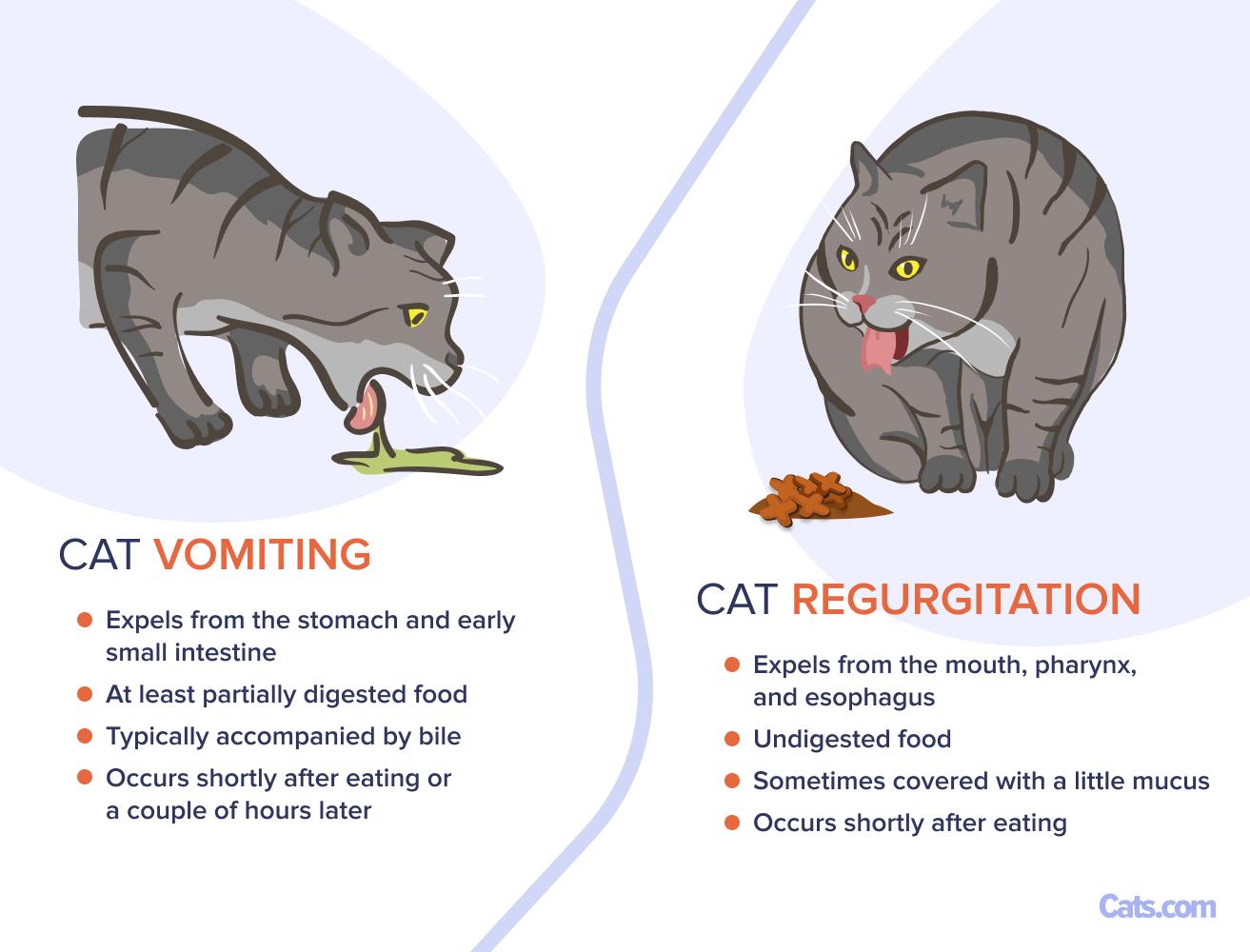
Have you ever watched your cat eagerly devour their wet food, only to see them throw it up moments later? This scenario might leave you puzzled and concerned.
You want your feline friend to enjoy their meals without discomfort, yet the mystery of why they vomit after eating wet food remains unsolved. This issue is more common than you might think, and there are several reasons behind it.
Understanding these reasons can help you take action to ensure your cat's well-being and make mealtimes enjoyable for both of you. We'll explore the potential causes and solutions, giving you peace of mind and helping your cat feel their best. Don't let this mystery linger any longer; read on to find out what might be causing your cat's upset tummy and how you can help them feel better.
Common Causes
Cats vomiting after eating wet food is a common concern for pet owners. Understanding the reasons can help address the issue effectively. Several factors might contribute to this problem, each affecting cats differently. Here are some common causes:
Eating Too Fast
Cats often eat wet food quickly due to its appealing taste. This rapid consumption can lead to regurgitation. When food is swallowed without chewing, it can irritate the stomach. A simple solution is to slow down their eating pace. You can spread the food on a flat surface. This forces the cat to take smaller bites.
Food Allergies
Some cats have allergies to certain ingredients in wet food. Common allergens include grains, certain proteins, or artificial additives. Allergic reactions can cause vomiting. If you suspect an allergy, consult your vet for testing. Switching to hypoallergenic food might be necessary.
Sensitive Stomach
Cats with sensitive stomachs may struggle with certain wet foods. Rich or fatty foods can be hard to digest. This can lead to vomiting and discomfort. Choosing a gentle formula might help. Look for foods labeled as "easily digestible."
Dietary Changes
Sudden changes in diet can upset a cat’s stomach. Switching from dry to wet food too quickly can cause issues. Gradual transitions are best. Mix new food with the old one, increasing the new food slowly. This allows the cat’s digestive system to adjust.
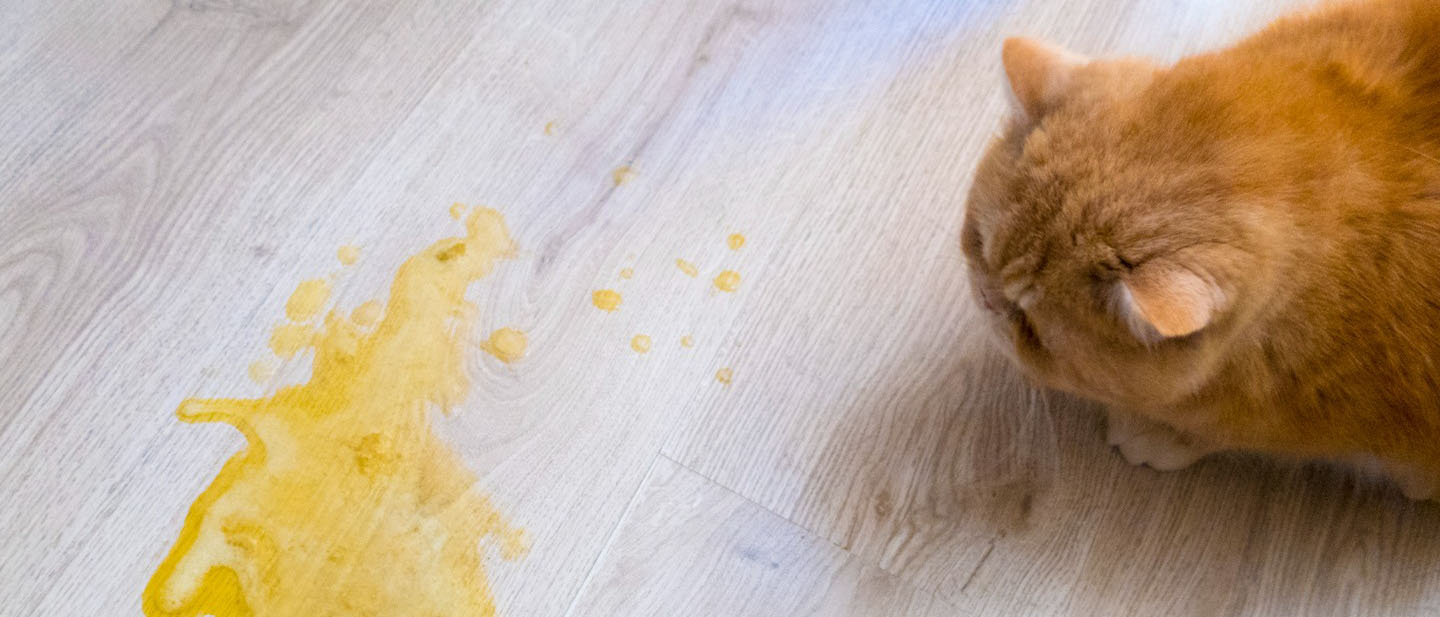
Credit: www.whiskas.com.ph
Health Issues
Cats often throw up after eating wet food due to various health issues. Understanding these can help in addressing the problem. Here, we explore some common health concerns.
Gastrointestinal Problems
Gastrointestinal issues can cause vomiting in cats. An irritated stomach might be unable to process wet food properly. Cats with sensitive stomachs may react poorly to certain ingredients. Consistent vomiting may indicate a serious problem that needs attention.
Parasitic Infections
Parasites can lead to vomiting after eating. Worms and other parasites disrupt digestion. They cause discomfort and make it hard for cats to keep food down. Regular vet check-ups can help identify and treat these infections.
Inflammatory Bowel Disease
Inflammatory bowel disease (IBD) affects many cats. It inflames the digestive tract, making food hard to digest. Cats with IBD might vomit after meals. Treatment can include dietary changes and medication.
Pancreatitis
Pancreatitis is inflammation of the pancreas. It disrupts the digestive process, leading to vomiting. Cats with pancreatitis often need medical care. A vet can provide a diagnosis and treatment plan.
Identifying Symptoms
Understanding why your cat throws up after eating wet food is crucial. Monitoring symptoms can help you identify possible causes. Observing changes in behavior, frequency of vomiting, presence of hairballs, and signs of dehydration can provide insights.
Behavioral Changes
Pay attention to your cat's behavior. Changes can signal distress. Is your cat less active? Does it hide more often? These shifts can indicate discomfort. Keep track of any changes in their routine.
Frequency Of Vomiting
Observe how often your cat vomits. Frequent vomiting might suggest a problem. Occasional vomiting may be less concerning. Note if the vomiting occurs shortly after meals. This can help pinpoint triggers.
Presence Of Hairballs
Hairballs are common in cats. They can lead to vomiting. Check if your cat's vomit contains hairballs. Regular grooming can reduce hairball formation. This might alleviate the issue.
Signs Of Dehydration
Dehydration is a serious concern. Check for signs like dry gums or skin elasticity loss. Ensure your cat drinks enough water. Wet food should help hydrate, but vomiting can negate this benefit.

Credit: www.reddit.com
Dietary Solutions
Seeing your cat throw up after eating wet food can be distressing, but there are dietary solutions that might help alleviate the issue. Adjusting your cat's diet could be the key to solving this problem. By considering factors such as portion size, food quality, and hydration, you can help your feline friend enjoy their meals without discomfort.
Feeding Smaller Portions
Sometimes, less is more. Cats may vomit simply because they eat too fast or consume too much at once. Try serving smaller portions throughout the day instead of one big meal. This approach not only helps with digestion but also prevents overeating.
I had a similar issue with my cat, Luna. She would often gobble her food quickly, leading to stomach upset. Breaking her meals into smaller portions made a noticeable difference.
Choosing High-quality Foods
The quality of wet food can significantly impact your cat's digestive health. Opt for brands that use natural ingredients without fillers or artificial additives. High-quality foods are easier on the stomach and provide better nutrition.
Have you checked the ingredient list on your cat's food recently? Sometimes, switching to a premium brand can make all the difference.
Gradual Diet Transition
If you’re considering changing your cat's diet, do it gradually. Sudden changes can upset their stomach and lead to vomiting. Mix the new food with the old one, gradually increasing the proportion of the new food over several days.
Remember when you switched from regular milk to almond milk? Your cat needs a similar period of adjustment to new foods.
Hydration And Nutrition Balance
Wet food is a great source of hydration, but balance is crucial. Ensure your cat has access to fresh water at all times. Proper hydration supports digestion and overall health.
Could it be that your cat is not drinking enough water? Check their water bowl regularly and encourage them to drink more.
Behavioral Adjustments
Have you ever noticed your cat throwing up after eating wet food? It can be concerning and frustrating. Often, the issue isn't just the food itself, but how your cat consumes it. Making some behavioral adjustments can help reduce or eliminate this problem.
Slowing Down Mealtime
Cats sometimes eat too quickly, leading to vomiting. To help your cat slow down, consider spreading their food across a larger surface or using a flat dish. You can also try hand-feeding small amounts at a time.
Using Puzzle Feeders
Puzzle feeders can be a game-changer. They engage your cat’s mind and make them work for their food. This not only slows their eating pace but also provides mental stimulation, which can be especially beneficial for indoor cats.
Regular Feeding Schedule
Consistency is key. Establish a regular feeding schedule to regulate your cat’s digestion and hunger levels. Instead of one or two large meals, offer smaller, more frequent meals throughout the day.
What adjustments have you tried to help your cat with this issue? Engaging with your cat’s mealtime habits can make a significant difference in their health and happiness. Don't be afraid to try different methods to see what works best for your furry friend.

Credit: www.reddit.com
When To Consult A Vet
Cats sometimes throw up after eating wet food. This can be concerning for pet owners. Knowing when to consult a vet is crucial. Not every case of vomiting is serious. Yet, certain signs indicate the need for professional advice.
Persistent Vomiting
Watch for frequent vomiting episodes. If your cat throws up more than once a week, consult a vet. Persistent vomiting can lead to dehydration. It may signal an underlying health issue.
Weight Loss
Unexplained weight loss is a warning sign. If your cat loses weight rapidly, seek veterinary help. Weight loss might indicate a digestive problem or other health concerns.
Lethargy And Weakness
Is your cat unusually tired or weak? Lethargy paired with vomiting is alarming. A vet's insight is necessary to rule out serious conditions.
Changes In Appetite
Noticeable changes in eating habits require attention. If your cat refuses food or eats less, it may need medical evaluation. This change could be linked to digestive issues. Early intervention is key to maintaining your cat's health.
Frequently Asked Questions
How Do I Stop My Cat From Throwing Up After Eating?
Feed your cat smaller, more frequent meals to prevent overeating. Use a slow feeder bowl to reduce rapid eating. Ensure fresh water is always available. Consult your vet for dietary advice or if vomiting persists. Opt for high-quality, easily digestible cat food to improve digestion.
What If My Cat Throws Up But Acts Normally?
It's often normal for cats to vomit occasionally. Monitor your cat for any changes in behavior or health. If vomiting persists or other symptoms appear, consult your veterinarian. Regular check-ups can help ensure your cat's well-being.
Why Is My Cat Throwing Up Undigested Wet Food?
Your cat may vomit undigested wet food due to fast eating, food allergies, or digestive issues. Consult a vet for persistent problems. Monitoring feeding habits can help identify triggers and improve digestion.
Why Does My Cat Vomit After Wet Food?
Cats may vomit due to quick consumption or food intolerance. Wet food can be rich, causing digestive upset. Monitor portion sizes and eating speed. Consult your vet if vomiting persists or if other symptoms appear. A gradual introduction to new foods may help prevent such issues.
Conclusion
Your cat's vomiting might seem worrying. But often, simple changes help. Try offering smaller portions. Choose a different wet food brand. Monitor your cat closely. Notice any patterns. Consult a vet if vomiting persists. They offer professional advice. Keep your pet's health in check.
A little attention goes a long way. Each cat is unique. What works for one might not work for another. Be patient. Explore options. Your furry friend will appreciate the effort. Happy, healthy cats make happy owners. Investing time in understanding your cat pays off.
Caring is key.