

Have you ever noticed a peculiar clicking sound when your cat struts across the room? It's not just your imagination, and you're not alone in wondering what's behind this curious phenomenon.
Cats, with their enigmatic behaviors and subtle signals, often leave us puzzled, and the mysterious click is one of those quirks that deserve attention. Imagine the peace of mind you'd have knowing exactly what's going on with your feline friend.
Understanding this unusual sound can reveal more about your cat's health and well-being, helping you ensure they're as happy and healthy as possible. Are you ready to uncover the secrets behind your cat's clicking footsteps? Dive into this article to find the answers you've been searching for and discover how this insight can enrich your relationship with your beloved pet.
Common Causes Of Clicking Sounds
Cats might click when they walk due to joint issues, such as arthritis, or because of long nails tapping the floor. Sometimes, debris caught in their paws can also produce clicking sounds, indicating the need for a quick paw check.
Cats are fascinating creatures with unique behaviors. One curiosity is the clicking sound they make when they walk. Understanding this sound's cause can help ensure your cat's health and comfort. Below are some common reasons behind this mysterious clicking.
Nail Length And Condition
A cat's nails grow continuously. Long nails can cause clicking sounds on hard surfaces. Regular trimming can prevent this issue. Check for broken or split nails too. Damaged nails can be uncomfortable and noisy. Healthy nails should be smooth and well-maintained. Consider using a cat nail clipper for trimming.
Paw Pad Issues
Paw pads protect a cat's feet. If your cat's pads are dry, they may crack. Cracked pads can cause clicking when walking. Moisturize the pads with pet-safe products. Debris stuck in the pads can also make noise. Regularly inspect your cat's paws for any foreign objects. Keeping the paws clean and healthy is essential for your cat's comfort.
Credit: www.chewy.com
Health Concerns
Cats might click when walking due to joint issues or debris stuck in their paws. Observing their movement and consulting a vet can help identify the cause. Addressing this early ensures your cat stays healthy and comfortable.
Health concerns related to your cat's clicking sounds when walking can be worrisome. Understanding these potential issues is crucial for ensuring your feline friend's well-being. While some causes are harmless, others may point to underlying health problems that require attention.
Joint And Bone Problems
Cats, like humans, can suffer from joint and bone issues. These problems can lead to unusual sounds, like clicking, as your cat moves. It could be due to loose joints or malformation. Such conditions may not be immediately painful but can lead to discomfort over time. If your cat seems hesitant to jump or climb, it might be time to consult your vet. Early detection is key to managing joint issues effectively.
Arthritis In Cats
Arthritis is a common ailment in older cats, but it can affect younger cats too. This condition causes inflammation in the joints, leading to clicking sounds during movement. Symptoms include stiffness, limping, or an unwillingness to engage in physical activities. You might notice your cat sleeping more or avoiding certain areas of your home. Offering a comfortable, supportive bed and ensuring your cat maintains a healthy weight can alleviate some symptoms. Regular vet check-ups are important to monitor and manage arthritis effectively. Have you ever noticed your cat pausing before a leap it once made effortlessly? Observing such changes can help catch health issues early. Your cat's mobility is a window into its overall health, and any changes should be taken seriously.
Environmental Factors
Environmental factors can make a cat click when walking. Uneven surfaces or debris might cause unusual sounds. Pay attention to changes in your cat's environment. This can help identify potential causes.
Cats are mysterious creatures, and sometimes they do things that leave us scratching our heads. One such behavior is when your cat starts clicking as it walks. Believe it or not, environmental factors could be the root of this curious phenomenon. Understanding these factors can help you address the issue and ensure your furry friend is comfortable.
Flooring Types
Different flooring types can affect the way a cat's paws interact with the ground. Hardwood floors, for instance, are notorious for making clicking sounds when a cat walks on them. This happens because of the tiny claws that extend slightly to provide better grip, creating a tapping sound. Carpeted floors, on the other hand, might muffle any noise your cat makes. But if the carpet is too thick or plush, it may cause discomfort, leading to an unusual gait or clicking sounds as your cat adjusts its walk. Consider whether changing or adjusting your flooring might impact your cat's walking sounds.
Weather Conditions
Weather can also play a role in how your cat walks and the noises it makes. During colder months, cats may walk differently to keep warm or avoid discomfort from chilly floors. This altered movement might lead to clicking sounds as their claws hit the ground more prominently. On hot days, a cat might walk differently to avoid hot spots on the floor, especially if you have tiles that retain heat. Are you noticing more clicks during extreme weather changes? It might be worth observing how your cat's walking patterns change with the seasons. Understanding these environmental influences can help you create a more cat-friendly home. By adjusting your surroundings, you ensure your feline companion's comfort and potentially reduce those mysterious clicking sounds.
Behavioral Reasons
Understanding why your cat clicks when they walk can be both intriguing and essential for their well-being. Behavioral reasons often play a significant role in this curious phenomenon. Cats, much like humans, have their own ways of expressing emotions, habits, and even discomfort. By observing these signs, you can better grasp the underlying causes and ensure your feline friend remains happy and healthy.
Stress And Anxiety
Cats are sensitive creatures and can easily feel stressed or anxious. Changes in their environment, such as moving to a new home, a new family member, or even a different routine, can cause tension. This emotional strain might manifest in unusual walking patterns, like clicking sounds when they move.
Does your cat seem less playful or more withdrawn? You might notice them clicking more frequently. Consider their surroundings and daily interactions. Are there any potential stressors? Addressing these can help reduce anxiety and eliminate the clicking sounds.
Habitual Behaviors
Some cats develop habits that might seem odd to us. Clicking while walking could be one of them. Perhaps they started clicking due to a past injury or discomfort and it became a habit over time. Habits can be hard to break, but with patience, you can guide your cat to healthier walking patterns.
Have you noticed any other peculiar habits in your cat? Observing these behaviors might offer insights into their clicking. If the behavior is deeply ingrained, consider positive reinforcement techniques to encourage change.
Diagnostic Approaches
Discovering the cause of a cat's clicking sound while walking involves examining their paws and joints. Possible issues include nail problems or arthritis. A visit to the vet can help identify the exact cause and appropriate treatment.
Understanding why your cat clicks when he walks can be a perplexing issue, but there are several diagnostic approaches you can take to get to the bottom of it. These approaches involve both professional and at-home methods to help you gather information and potentially identify the cause. By combining veterinary expertise with your own observations, you can effectively monitor and address the situation.
Veterinary Examination
A visit to the vet is often the best starting point. A professional examination can provide insights that are difficult to obtain at home. Vets can use x-rays or ultrasounds to check for joint issues, bone abnormalities, or potential injuries. They may also conduct blood tests to rule out infections or inflammatory conditions. During my cat's clicking episode, the vet discovered a minor joint inflammation that was easily treated with medication. Your vet's expertise can be crucial in identifying underlying health issues.
Home Observation Techniques
At home, you can play detective by closely observing your cat's behavior. Keep an eye on whether the clicking occurs only on certain surfaces or during specific activities. Note any changes in your cat’s movement, such as limping or favoring one paw, which can give clues about discomfort or pain. Try to record a video of your cat walking to show your vet. This can be particularly helpful if the clicking noise doesn't happen all the time. Consider the environment—are there new surfaces or toys that could be affecting your cat's walk? By being observant and systematic, you can collect valuable information that will aid your vet in diagnosing the issue.
Solutions And Treatments
A cat's clicking sound when walking might signal joint issues or worn paw pads. Regular vet check-ups and soft surfaces can help. Proper care can prevent discomfort and support your cat's mobility.
Cats can make clicking sounds when they walk. This can be concerning for pet owners. The sound often comes from long nails or paw issues. Addressing this can help your cat walk comfortably. Here are some solutions and treatments you can try.
Regular Nail Trimming
Keeping your cat's nails trimmed is crucial. Long nails can cause clicking sounds. Trim nails every few weeks. Use cat nail clippers for the best results. Be gentle to avoid hurting your cat. If unsure, a vet can help. Regular trimming prevents discomfort and clicking sounds.
Paw Care Tips
Healthy paws are essential for your cat's comfort. Check paws for debris or dirt. Clean them gently with a damp cloth. Inspect for injuries or infections. Healthy paws can prevent clicking sounds. Use pet-safe moisturizers to keep paws soft. Consult a vet if there are signs of infection. Good paw care ensures smooth walking.
Preventive Measures
Investigating unusual sounds from your cat's paws can indicate hidden issues. Regularly check for debris or damage in their paw pads. Consult a vet for a thorough examination to prevent potential joint problems or infections.
Preventive measures can help your cat walk comfortably without clicking sounds. Addressing your cat's weight and living environment are key steps. Simple changes can make a big difference in your cat's life.
Maintaining Healthy Weight
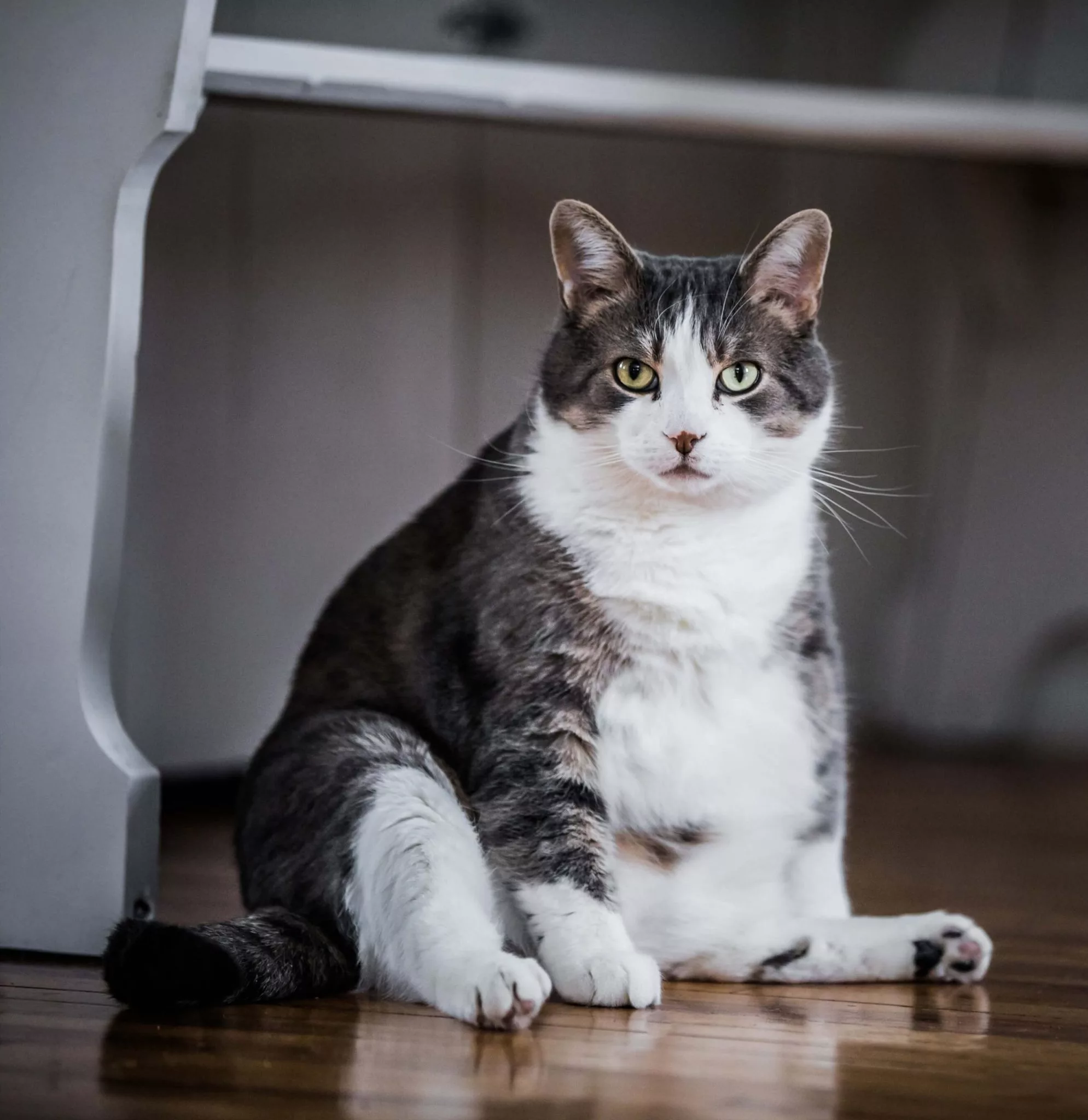
A healthy weight is crucial for your cat's joints. Extra weight strains joints, leading to unusual noises. Feed your cat balanced meals and avoid excessive treats. Regular exercise helps maintain a healthy weight. Play with your cat using toys or laser pointers. This keeps them active and burns calories. Regular vet check-ups ensure your cat's weight stays on track.
Ensuring Comfortable Living Environment
Your cat's living space impacts their movement comfort. Ensure floors are not slippery; this affects their walking. Add rugs or mats for better grip. Check your cat's bedding for comfort. Soft, supportive bedding helps their joints. Keep their environment clean and free from obstacles. This reduces stress on their joints as they move around. Ensure your home temperature is comfortable. Extreme cold or heat can affect joint health.

Credit: medium.com
Credit: vetscoop.com
Frequently Asked Questions
Is It Normal For Cats To Click?
Cats may make clicking sounds when they're excited or focused, often while watching birds. This is usually normal.
Is It Normal For Cats' Legs To Pop?
Cats' legs popping can be normal due to joint movement or minor issues. Monitor for pain or discomfort. Consult a vet if the popping persists or if your cat shows signs of distress. Regular check-ups help ensure your cat's joint health.
Why Can I Hear My Cat's Nails When She Walks?
You can hear your cat's nails because they might be too long or the floor surface amplifies the sound. Trim your cat's nails regularly to reduce noise and maintain comfort.
Why Does My Cat's Hip Click?
A cat's hip may click due to joint issues like dysplasia, injury, or arthritis. Consult a vet for diagnosis. Proper care, diet, and medication can help manage symptoms. Regular check-ups ensure your cat's health and comfort. Early intervention is crucial for preventing further complications.
Conclusion
Cats sometimes make clicking sounds when they walk. It can be puzzling. Often, it's due to joint issues or claws. Regular vet visits help keep your cat healthy. Check their paws and claws for any problems. Cats might need nail trimming or joint care.
Pay attention to their behavior. If the clicking persists, consult your vet for advice. Cats communicate in unique ways. Listen closely to these signs. Ensure your feline friend stays happy and comfortable. Their health and happiness are in your hands.
Provide the care they need. Your cat will appreciate it.
