
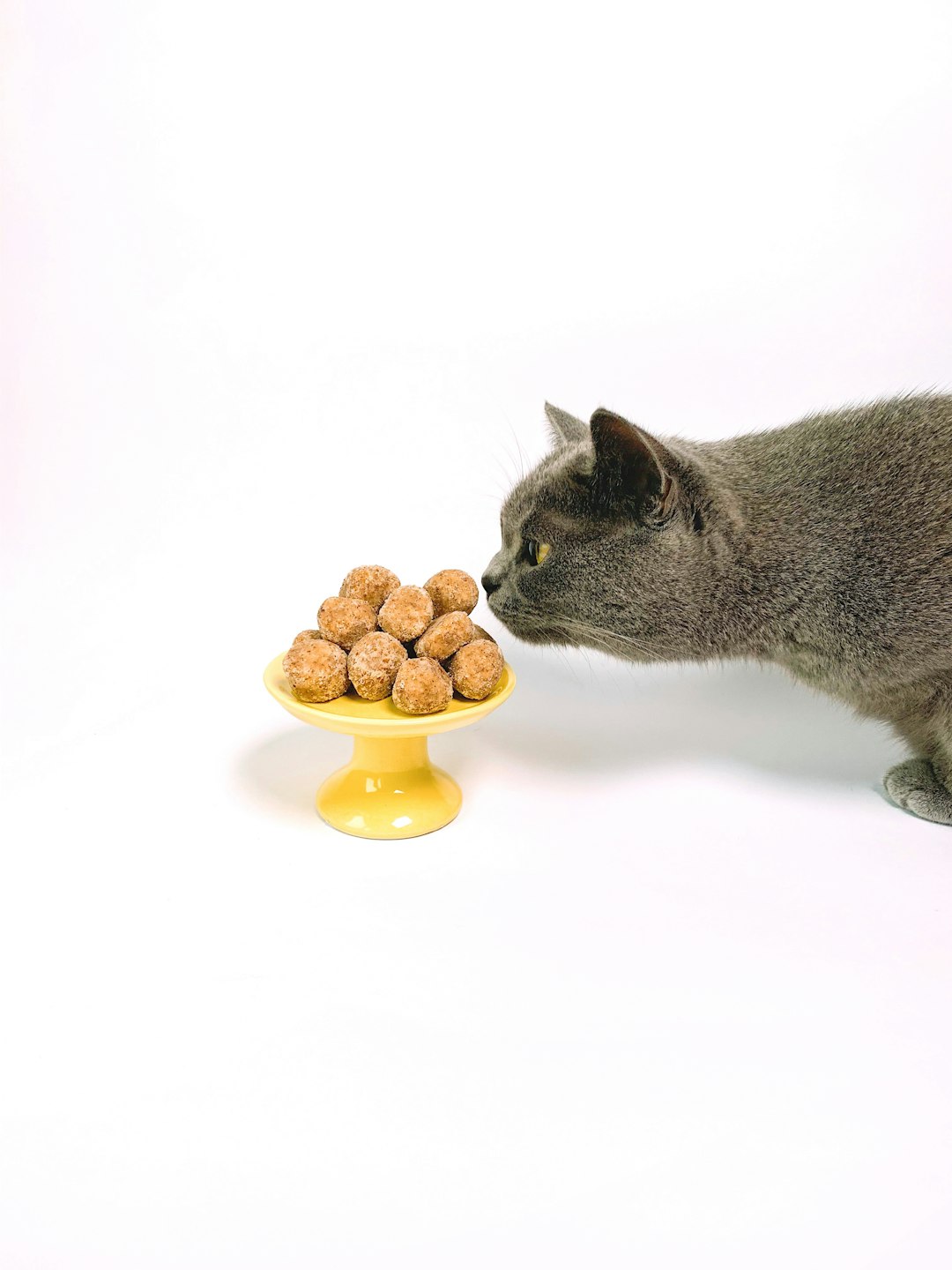
Are you wondering what you should feed your cat to keep them happy and healthy? As a cat owner, you want the best for your feline friend, and it all starts with their diet.
The choices can be overwhelming—dry food, wet food, raw diet, homemade meals—but don't worry, we've got you covered. By the end of this article, you will not only understand what to feed your cat but also why your choice matters for their overall well-being.
Get ready to unlock the secrets to a nutritious and satisfying diet for your kitty, ensuring they purr with delight every mealtime. Let's dive into the world of cat nutrition and discover how easy it is to make mealtime your cat's favorite part of the day!

Credit: www.amazon.com
Cat Dietary Basics
Cats are unique creatures with specific dietary needs. Understanding their nutrition is essential for their health. A balanced diet keeps them active and happy. It also prevents many health issues. Let's explore the basics of a cat's diet.
Understanding Protein Needs
Cats are obligate carnivores. They require protein from animal sources. Protein supports muscle growth and energy. Ensure their diet includes meat or fish. Avoid plant-based proteins as the main source.
The Importance Of Taurine
Taurine is crucial for cats. It's an amino acid found in meat. Taurine supports heart and eye health. Lack of taurine can lead to serious health problems. Check that your cat's food includes taurine.
Essential Fats For Cats
Fats provide energy and support the skin and coat. Omega-3 and Omega-6 fatty acids are beneficial. They help maintain a shiny coat and healthy skin. Choose foods with these essential fats for best results.
Carbohydrates In Cat Food
Cats have a low requirement for carbohydrates. They get most of their energy from protein and fat. Some carbs can aid digestion and provide fiber. Choose foods with minimal carbohydrates.
Hydration And Wet Food
Cats often don't drink enough water. Wet food provides moisture and aids hydration. It's especially important for cats prone to urinary issues. Offer a mix of wet and dry food for balanced hydration.
Understanding Commercial Cat Food
Commercial cat foods vary in quality. Opt for high-quality brands with clear ingredient lists. Avoid foods with fillers and artificial additives. Read labels carefully to ensure nutritional adequacy.

Credit: www.facebook.com
Protein Requirements
Cats need high-quality protein for strong muscles and energy. Feed them chicken, turkey, or fish for optimal health. Ensure balanced meals with vitamins and minerals for overall well-being.
Cats need protein for energy and growth. Protein helps build muscles and repair tissues. It is essential for a cat's overall health. The right protein keeps them active and happy. Understanding protein needs is crucial for their well-being.
Sources Of Protein
Cats are carnivores. They thrive on animal protein. Chicken, beef, and fish are excellent choices. These meats provide high-quality protein. Eggs are also a good source. They are rich in essential nutrients. Some cat foods include plant proteins. Soy and peas are common examples. They should not be the main source. Animal proteins are more beneficial. Always check the food label for protein content.
Importance Of Amino Acids
Amino acids are protein building blocks. Cats need them for various functions. Taurine is crucial for heart health. It supports vision and reproduction. Cats cannot produce taurine naturally. They must get it from their diet. Arginine is another important amino acid. It helps in detoxifying the body. A lack of arginine can lead to health issues. Ensuring a balanced intake of amino acids is vital. Quality cat food usually includes these essentials.
Carbohydrates In Cat Diet
Cats thrive on a diet rich in protein, but small amounts of carbohydrates can provide energy. It's essential to balance protein with minimal carbs for optimal health. Choose cat food with high-quality ingredients and limited fillers.
Carbohydrates in a cat's diet often spark debate among pet owners. Cats are obligate carnivores, meaning they thrive on meat. Their natural diet in the wild consists of animal protein and fats. Yet, many commercial cat foods contain carbohydrates. Understanding their role is essential for your cat's health.
Role Of Carbohydrates
Carbohydrates provide energy for cats. While cats don’t need them like humans do, carbs can be beneficial. They help create a balanced and affordable diet. In small amounts, they aid in digestion and provide fiber. This can help maintain a healthy weight in cats. Carbs also add texture and variety to cat food, making meals more enjoyable.
Balancing Carbohydrate Intake
Keep an eye on the carbohydrate content in your cat's food. Too many carbs can lead to obesity and other health issues. Choose cat food with a balanced nutrient profile. Look for high protein and low carbohydrate content on labels. Fresh, high-quality ingredients make a difference. Consult your vet to find the right balance for your cat. They can recommend specific brands or dietary adjustments. Pay attention to your cat’s behavior and health. Adjust their diet if you notice any changes. A balanced diet keeps your cat active and healthy.
Fats For Cats
Fats play a crucial role in your cat's diet, ensuring they have the energy for their playful antics and the nutrients to keep their coats glossy. But not all fats are created equal. Understanding which fats are beneficial can help you make better dietary choices for your feline friend. Let's dive into the types of healthy fats and the benefits of omega fatty acids for cats.
Types Of Healthy Fats
Cats thrive on a diet rich in healthy fats. The most beneficial ones are animal-based fats, such as chicken fat and fish oil. These provide essential nutrients that cats can't produce on their own. Ever noticed your cat's coat looking especially shiny after a fish-based meal? That's the magic of good fats at work.
- Chicken Fat:A source of linoleic acid, vital for healthy skin.
- Fish Oil:Packed with omega-3s, supporting overall health.
- Beef Tallow:Offers palatability, enticing even the fussiest eaters.
But here's a thought: Could your cat benefit from a mix of these fats for optimal health? It's worth considering as you plan their meals.
Omega Fatty Acids Benefits
Omega fatty acids are more than just a buzzword; they are essential for your cat's well-being. These fats support heart health, reduce inflammation, and promote a luxurious coat. If your cat has been scratching more than usual or has a dull coat, omega fatty acids might be the missing link.
Imagine the difference a sprinkle of omega-rich fish oil can make. Cats with a regular intake of omega fatty acids often show improved joint health and a decrease in skin irritations.
Wouldn't you love to see your cat leap around with ease and flaunt a coat that turns heads? By incorporating omega fatty acids into their diet, you're giving your cat a gift of good health that lasts a lifetime.
Vitamins And Minerals
Cats need a balanced diet rich in essential vitamins and minerals. Taurine, vitamin A, and calcium are vital for their health. Ensure their meals contain these nutrients for optimal growth and well-being.
Cats, like humans, need a balanced diet. Vitamins and minerals are crucial for their health. These nutrients support growth, immune function, and energy levels. A deficiency can lead to serious health issues. Choosing the right food ensures your cat gets these essentials.
Essential Vitamins
Cats require several vitamins for optimal health. Vitamin A is vital for vision and skin. B vitamins aid metabolism and energy production. Vitamin D helps in bone development. Ensure their food contains these key vitamins.
Key Minerals
Minerals are also important for cats. Calcium is necessary for strong bones and teeth. Magnesium supports heart health and muscle function. Iron is crucial for oxygen transport in the blood. A balanced diet provides these minerals naturally.
Hydration Importance
Hydration plays a crucial role in a cat's diet. Wet food provides moisture, helping prevent urinary issues. Always ensure fresh water is available to support their overall health.
Hydration is crucial for a cat's health. Cats need water for digestion and circulation. It helps their kidneys and prevents urinary issues. Understanding hydration needs can improve your cat's life.
Water Needs
Cats often forget to drink water. Their ancestors got moisture from prey. Now, cats rely on us for hydration. Always provide fresh water. A clean bowl encourages drinking. Consider placing bowls in multiple locations. Cats love exploring, and they might drink more this way.
Wet Vs Dry Food Hydration
Wet food is rich in moisture. It mimics a cat's natural diet. Dry food lacks water, but is convenient. Some cats prefer dry food texture. Mixing wet and dry food can balance hydration needs. Wet food helps with digestion and keeps kidneys healthy. Dry food can help with dental health but needs more water intake.
Common Feeding Mistakes
Feeding a cat often involves common mistakes that can affect its health. Many owners provide too many treats or human food. Proper nutrition requires balanced cat food, rich in proteins and essential nutrients. Avoiding overfeeding and ensuring fresh water availability can prevent obesity and health issues.
Feeding your cat may seem straightforward, but surprisingly, many pet owners make common mistakes that can affect their feline friend's health. Understanding these pitfalls can help you ensure your cat is receiving the proper nutrition. Let's dive into two major areas where mistakes often occur: overfeeding and offering harmful foods.
Overfeeding Risks
Overfeeding is a frequent mistake that can lead to obesity in cats. An overweight cat is at risk for several health issues, including diabetes and joint problems. Think about the last time you gave your cat an extra treat. Did you consider its caloric impact? It's easy to overindulge your pet, especially when they give you those irresistible eyes. Always measure out your cat's food and treats, ensuring they fit into a balanced diet.
Avoiding Harmful Foods
Not all human foods are safe for cats, and some can be downright dangerous. Foods like chocolate, onions, and garlic should never be given to your feline friend. Have you ever been tempted to share your meal with your cat? It’s crucial to resist this urge. Even small amounts of these foods can cause severe health problems. Make a habit of checking if a food is safe before letting your cat taste it. Remember, being informed is the first step to being a responsible cat owner. By avoiding these common feeding mistakes, you can help your pet lead a healthy and happy life.

Credit: justcatsclinic.com
Special Diets For Cats
Feed cats a balanced diet to ensure health. Choose high-quality cat food rich in protein. Consider special diets for cats with health issues.
Special diets play a crucial role in a cat's health. Cats have specific dietary needs that change with age, allergies, and health conditions. Tailoring their diet ensures they receive the right nutrients. This section will explore how to meet these needs effectively.
Diet For Allergies
Cats can have food allergies like humans. Symptoms include itching, vomiting, or diarrhea. Identifying the allergen is essential. Common allergens include beef, dairy, and fish. Once identified, eliminate these from their diet. You can opt for hypoallergenic cat food. It is specially formulated to avoid common allergens. Consulting a vet can help choose the best option. Always introduce new food gradually to avoid upset stomachs.
Senior Cat Nutrition
Senior cats have different nutritional needs. As they age, their metabolism slows down. They need fewer calories but more nutrients. Look for cat food labeled for senior cats. These foods often have higher protein content. They also contain added vitamins and minerals. Omega-3 fatty acids can help with joint health. Always ensure they have easy access to water. Older cats can become dehydrated quickly. Regular vet check-ups are crucial to monitor their health. Adjust their diet based on the vet's recommendations.
Frequently Asked Questions
What Is The Best Thing To Feed Your Cat?
Feed your cat high-quality commercial cat food for balanced nutrition. Ensure it includes proteins, vitamins, and minerals. Occasionally, add cooked meat or fish as a treat. Always provide fresh water. Consult your veterinarian for personalized dietary advice.
What Food Should Cats Eat Daily?
Cats should eat a balanced diet of high-quality protein, fats, and essential nutrients. Opt for wet or dry cat food specifically formulated for feline needs. Include occasional treats and fresh water daily. Avoid human foods and ensure the diet meets their age and health requirements.
Consult your vet for personalized advice.
What Should Not Be Fed To A Cat?
Avoid feeding cats chocolate, onions, garlic, grapes, raisins, alcohol, caffeine, bones, and raw meat. These can be toxic or harmful. Stick to cat food specifically designed for their nutritional needs. Always consult a veterinarian for dietary advice tailored to your cat's health requirements.
Should I Feed My Cat Water Or Milk?
Cats need fresh water daily. Milk can cause digestive issues and isn't necessary for adult cats. Provide clean water to ensure hydration. Always consult a vet for dietary advice.
Conclusion
Feeding a cat requires thought and care. Balanced meals support their health. Always choose high-quality cat food. It meets nutritional needs. Check the labels for ingredients. Avoid harmful additives. Fresh water should be available. Cats need hydration too. Treats are fine in moderation.
Keep your cat's diet varied and interesting. Consult a vet for specific dietary needs. Each cat is unique. Their diet should reflect that. Providing proper nutrition leads to a happy, healthy cat. Your furry friend deserves the best care. With right choices, you'll see them thrive.
