

If you're a cat owner, you've probably wondered about the best ways to keep your furry friend healthy. You've heard about grooming, diet, and regular vet visits, but what about brushing your cat's teeth?
This might seem like an unusual task, but it could be crucial for your cat's overall health. Imagine a world where your cat is free from painful dental issues and enjoys a longer, happier life. That world could be within reach if you understand the importance of dental care for your feline companion.
Keep reading to discover why brushing your cat's teeth might be the most unexpected yet vital thing you can do for your pet's well-being.
Importance Of Cat Dental Care
Maintaining your cat's dental health is crucial. Many pet owners overlook this aspect. Yet, it plays a vital role in their overall well-being. Regular dental care helps prevent diseases and discomfort. It ensures your cat lives a happy and healthy life.
Why Cat Dental Care Matters
Cats can suffer from dental issues like humans. Gum disease is a common problem. It can lead to pain and tooth loss. Bacteria from the mouth can enter the bloodstream. This can affect the heart and kidneys.
Common Dental Problems In Cats
Cats often face plaque and tartar buildup. This can cause bad breath and gum inflammation. Another issue is tooth resorption. It leads to painful cavities. Regular dental check-ups can identify these problems early.
Signs Your Cat May Have Dental Issues
Look for signs of dental trouble. Drooling or pawing at the mouth can indicate pain. Bad breath is a warning sign. Changes in eating habits might also suggest dental problems.
Benefits Of Regular Brushing
Brushing your cat's teeth helps remove plaque. It reduces the risk of gum disease. Regular brushing keeps your cat's breath fresh. It also strengthens the bond between you and your pet.
Tips For Effective Cat Teeth Brushing
- Start brushing when your cat is young.
- Use a pet-safe toothbrush and toothpaste.
- Be gentle and patient with your cat.
- Gradually increase the brushing time.
Signs Of Dental Issues
Brushing a cat's teeth can prevent dental issues like bad breath and gum disease. Watch for signs such as drooling or difficulty eating. Regular dental care helps maintain your cat’s overall health and well-being.
Cats can suffer from dental issues just like humans. Recognizing the signs early helps prevent serious problems. Here are some key indicators of dental issues in cats.
Bad Breath
A foul smell from your cat's mouth can signal dental trouble. This odor may be due to plaque buildup. Bacteria thrive on accumulated plaque, leading to unpleasant smells. Regularly check for bad breath to catch early signs of dental issues.
Difficulty Eating
Cats may struggle to eat if their teeth hurt. You might notice them dropping food or avoiding hard foods. Pain or discomfort can cause changes in eating habits. This could indicate tooth decay or gum disease. Observe any changes in your cat's eating behavior.
Swollen Gums
Healthy gums should be pink and firm. Swollen or bleeding gums are a red flag. These symptoms often point to gingivitis or periodontal disease. Look for redness or swelling around the gum line. Regular inspections can help detect gum problems early.
Benefits Of Brushing Cat's Teeth
Brushing a cat's teeth helps prevent gum disease and bad breath. It also reduces plaque buildup, ensuring healthier teeth. Regular dental care can lead to a longer, happier life for your feline friend.
Brushing a cat's teeth might seem unusual, but it has significant benefits. Cats can suffer from dental issues if their oral hygiene is neglected. Regular brushing helps maintain their teeth and overall health. Let's explore these advantages.
Prevention Of Dental Diseases
Brushing helps prevent plaque buildup. Plaque can lead to tartar and gum disease. Regular brushing reduces bacteria in the mouth. This helps avoid painful conditions like gingivitis. Healthy gums mean fewer dental problems. Keeping dental diseases at bay improves your cat's comfort.
Improved Overall Health
Dental health impacts overall well-being. Poor oral hygiene can affect the heart and kidneys. Bacteria from the mouth can enter the bloodstream. This can lead to serious health issues. Brushing removes harmful bacteria. It supports better health for your cat. A healthy mouth contributes to a healthy body.
Cost Savings On Vet Bills
Dental treatments can be expensive. Regular brushing can prevent costly procedures. It reduces the need for professional cleanings. Addressing dental issues early saves money. Brushing is a simple way to avoid hefty vet bills. Investing time in oral care pays off financially.
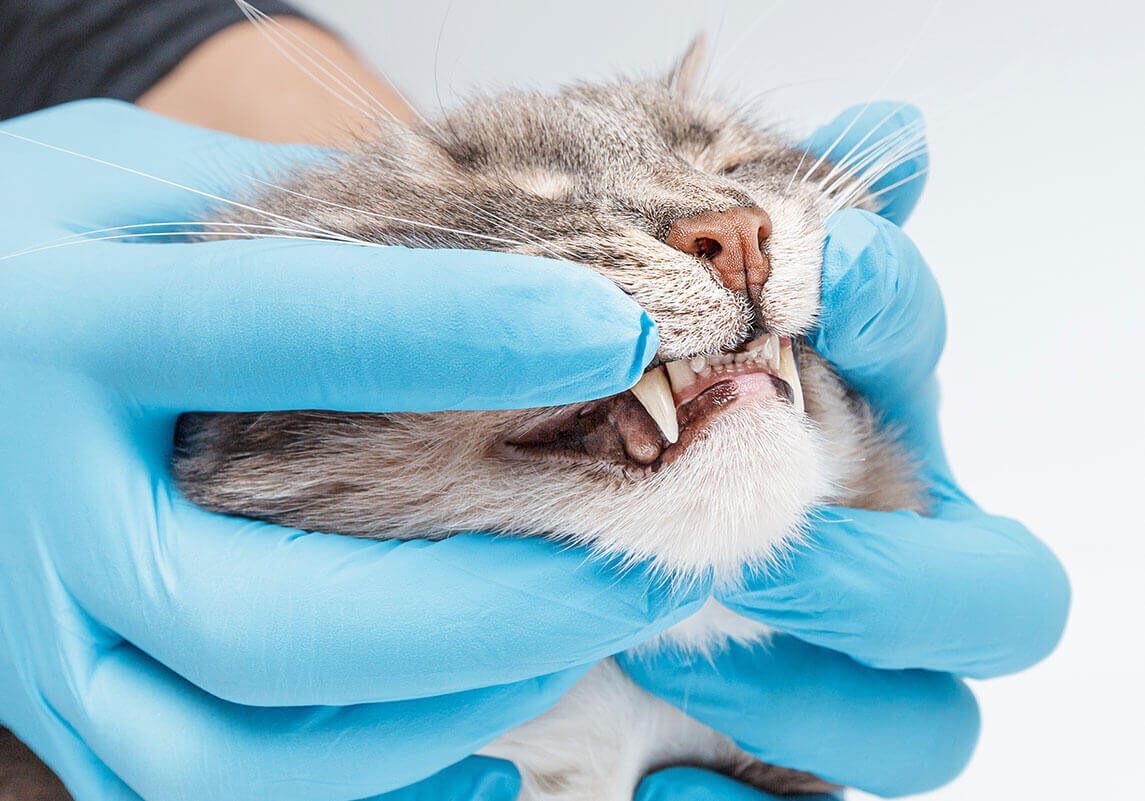
Credit: cornerstonevetclinic.com
Tools For Cat Teeth Brushing
Brushing your cat's teeth might sound like a daunting task, but with the right tools, it becomes a manageable routine that benefits your feline friend immensely. The key is to equip yourself with the appropriate toothbrush and cat-friendly toothpaste. These tools not only ensure effective cleaning but also make the experience more comfortable for your cat. Let's delve into what you need to consider when selecting these essential tools for cat teeth brushing.
Choosing The Right Toothbrush
Not all toothbrushes are created equal, especially when it comes to our furry friends. Opt for a toothbrush specifically designed for cats, which typically features a smaller head and softer bristles. This design helps you reach into your cat’s mouth without causing discomfort.
Some cat owners prefer finger brushes because they offer more control and a gentler touch. Have you ever tried using a finger brush? It can make the brushing experience feel less invasive for your cat. The key is to choose a tool that you feel comfortable using and that your cat tolerates well.
Selecting Cat-friendly Toothpaste
Human toothpaste is a no-go for cats. It's not only unsuitable but can also be harmful due to ingredients like fluoride. Instead, choose a toothpaste formulated specifically for cats, which comes in flavors your cat might find appealing, such as chicken or fish.
Consider trying out different flavors to see which one your cat prefers. Have you noticed a particular flavor your cat seems to enjoy? This can make the process smoother and more enjoyable for both of you. Remember, the taste of the toothpaste can significantly impact your cat's willingness to cooperate during brushing sessions.
Step-by-step Brushing Process
Brushing your cat’s teeth might sound like a daunting task, but with the right approach, it can be a manageable and rewarding routine. Think about this: just as you care for your own dental health, your feline friend deserves the same attention. Dive into the step-by-step brushing process, and discover how you can ensure your cat’s teeth stay healthy and their breath fresh.
Preparing Your Cat
Start by getting your cat comfortable with the idea of dental care. Have you ever tried introducing new toys or treats to your cat? It's similar. Let them sniff and explore the toothbrush and toothpaste before you start. Choose a quiet space with minimal distractions. Keep some treats handy to reward them for positive behavior.
Create a relaxed environment to ease any anxiety. Consider sitting with your cat in your lap, giving gentle strokes to reassure them. This helps build trust and prepares them for the brushing session.
Proper Brushing Technique
Use a cat-specific toothbrush and toothpaste. Human toothpaste isn't suitable for cats. Begin by gently lifting your cat's lip to expose their teeth. You might find it easier to start with the front teeth before moving to the molars.
Apply a small amount of toothpaste to the brush. Use gentle, circular motions to clean the teeth, focusing on the gum line where plaque tends to build up. Keep the session short to maintain your cat's patience.
Remember to be gentle. If your cat resists, pause and try again later. It’s important to make the experience as stress-free as possible for both of you.
Post-brushing Care
Celebrate the successful brushing session with praise or a favorite treat. This reinforces positive behavior and makes future sessions easier. Take a moment to check for any signs of discomfort or irritation in your cat's mouth.
Maintain a regular brushing schedule. Consistency is key to keeping your cat's dental health in check. Consider marking brushing days on your calendar to stay on track.
How do you feel about turning this into a bonding experience? You'll find that with time, brushing can become a routine that both you and your cat look forward to.

Credit: www.discovermagazine.com
Alternatives To Brushing
Brushing a cat's teeth can be challenging. Fortunately, there are alternatives to brushing. These options help maintain your cat's dental health without the hassle of brushing.
Dental Treats And Toys
Dental treats offer a tasty way to clean your cat's teeth. These treats are designed to reduce plaque and tartar buildup. Cats enjoy chewing on them, which helps keep their teeth healthy. Toys can also aid in dental care. Chew toys encourage cats to bite down, cleaning their teeth in the process.
Professional Dental Cleaning
Professional dental cleaning is another option. Vets perform thorough cleanings that remove plaque and tartar. This method is effective but requires a visit to the vet. It's a reliable option for maintaining your cat's oral health. Regular cleanings can prevent dental diseases and ensure your cat's teeth remain healthy.
Tips For Success
Brushing your cat's teeth can feel like a daunting task. Yet, with the right approach, it becomes manageable and beneficial. Success lies in following a few key strategies. These tips will guide you in making the process easier and more enjoyable for both you and your feline friend.
Patience And Consistency
Patience is crucial when introducing tooth brushing to your cat. Start slowly and gently to build comfort. Begin by letting your cat sniff and explore the toothbrush. Practice this daily to create a routine. Consistency helps in reducing anxiety and building trust over time.
Keep sessions short and pleasant. Even a few seconds each day can make a difference. Gradually increase the brushing time as your cat becomes accustomed. This steady approach leads to better acceptance.
Positive Reinforcement
Positive reinforcement encourages your cat to cooperate during brushing. Use treats or affection to reward your cat after each session. This creates a positive association with tooth brushing. Choose treats your cat loves to ensure effectiveness.
Speak softly and gently throughout the process. A soothing voice reassures your cat and reduces stress. This makes the experience more enjoyable for your feline companion.

Credit: www.purina.com
Frequently Asked Questions
Is It Okay To Not Brush Your Cat's Teeth?
Not brushing your cat's teeth can lead to dental issues and health problems. Regular brushing helps prevent plaque buildup and gum disease, promoting better overall health for your cat. Aim for a consistent oral care routine to keep your cat's teeth and gums healthy.
What Can I Do Instead Of Brushing My Cat's Teeth?
Use dental wipes or gels to clean your cat's teeth. Offer dental treats and toys that help reduce plaque. Regular vet check-ups ensure oral health.
Is It Too Late To Start Brushing Cat Teeth?
It's never too late to start brushing your cat's teeth. Dental care is essential for their health. Begin gradually and use cat-friendly toothpaste. Regular brushing helps prevent dental issues and maintains oral hygiene. Your veterinarian can provide guidance if you’re unsure how to start.
Do Vets Recommend Brushing Cats' Teeth?
Yes, vets recommend brushing cats' teeth. It helps prevent dental disease and maintain oral health. Use a cat-specific toothbrush and toothpaste for best results. Regular brushing can reduce plaque and tartar buildup, promoting overall well-being. Consult your vet for guidance on proper brushing techniques and frequency.
Conclusion
Brushing your cat's teeth matters for their health. It prevents dental problems and keeps them comfortable. Cats often hide pain, making regular checks crucial. Start slow if your cat resists. Use cat-friendly toothpaste for safety. Consistent brushing helps maintain their well-being.
Dental care reduces vet visits and costs. Your cat deserves a healthy smile. Simple actions make a big difference. Remember, healthy teeth mean a happy cat. Prioritize their dental care as part of routine. Your furry friend will thank you.