

When it comes to your cat's health, you probably think of vaccinations, grooming, and diet. But have you ever wondered about their dental care?
Brushing a cat’s teeth might seem like a daunting task or even unnecessary, but this small routine can make a big difference in your furry friend's life. You want the best for your cat, right? Imagine preventing painful dental issues and costly vet bills simply by incorporating this into your weekly routine.
This article will unravel the mystery of feline dental care, showing you why it's crucial and how you can easily make it part of your cat's life. So, should you brush a cat's teeth? Let's dive in and discover the surprising benefits that will have your cat purring with health!

Credit: www.yahoo.com
Benefits Of Cat Dental Care
Brushing your cat's teeth might seem like a daunting task, but the benefits of cat dental care are worth the effort. Not only does it prevent dental diseases, but it also contributes to your cat's overall health and enhances their oral hygiene. Regular dental care can make a significant difference in your cat's quality of life.
Preventing Dental Diseases
Cats are prone to dental diseases like gingivitis and periodontitis, which can cause pain and discomfort. Regular brushing can help prevent the build-up of plaque and tartar. This simple routine can save your cat from painful dental procedures and visits to the vet.
Improving Overall Health
Did you know that poor dental health can affect your cat's overall health? Bacteria from dental diseases can enter the bloodstream and affect vital organs. By maintaining their dental health, you're contributing to their long-term wellbeing.
Enhancing Oral Hygiene
Think about how you feel after brushing your teeth—clean and fresh. Your cat deserves the same feeling. Regular brushing keeps your cat's breath fresh and their mouth clean, reducing the risk of infections.
Have you ever noticed your cat's reluctance to eat? It might be due to dental pain. By ensuring good oral hygiene, you're also improving their appetite and mood.
So, are you ready to add a few minutes of dental care to your cat's routine and see the difference it makes?
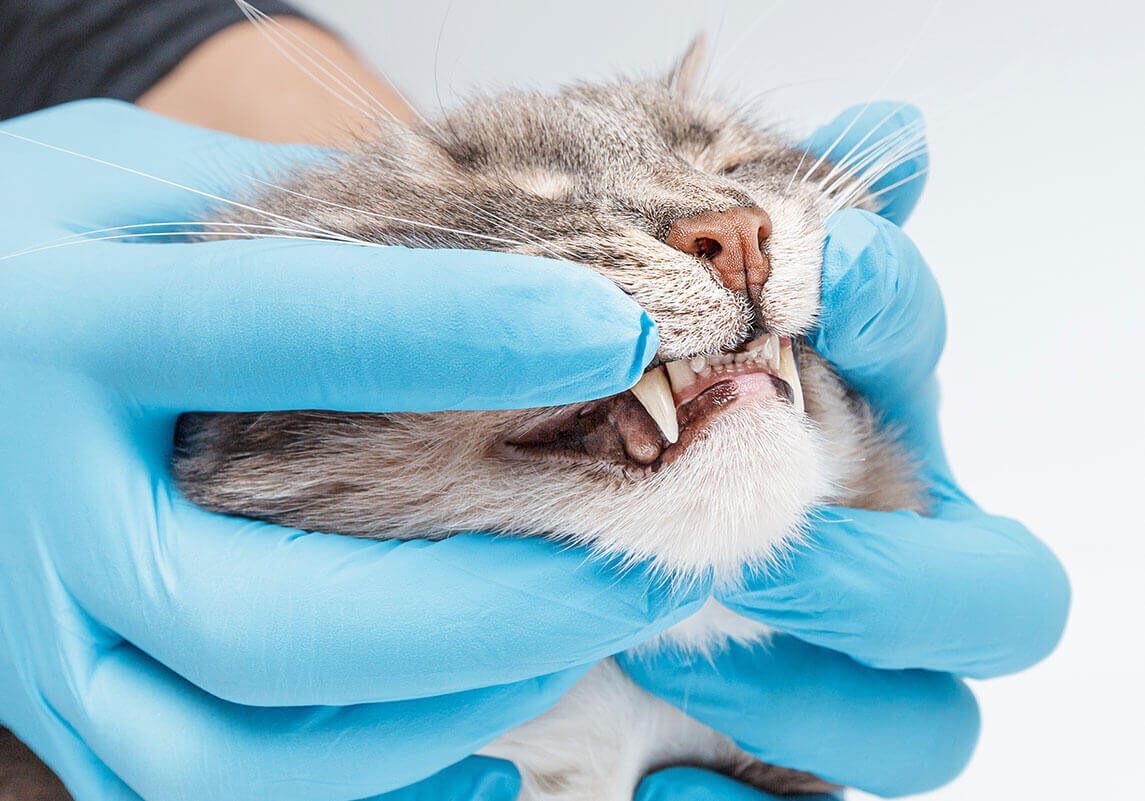
Credit: cornerstonevetclinic.com
Signs Your Cat Needs Dental Attention
Keeping an eye on your cat's dental health is crucial. Cats can't tell us they have a toothache. They show us through their behavior and physical signs. Here are some key indicators that your cat might need dental attention.
Bad Breath Indicators
Does your cat's breath smell unpleasant? Bad breath is more than just an annoyance. It can signal dental issues. Healthy cat breath should not have a strong odor. If it smells foul, it's time for a dental check.
Visible Plaque And Tartar
Check your cat's teeth regularly. Plaque and tartar can build up over time. Look for yellow or brown deposits on their teeth. This build-up can lead to gum disease. Regular cleaning and vet visits can prevent this.
Changes In Eating Habits
Observe your cat during meals. Are they eating less or avoiding hard food? Changes in eating habits might indicate dental pain. Cats may chew on one side or drop food. These behaviors suggest a dental issue that needs attention.
How Often To Brush
Brushing a cat's teeth is essential for their dental health. Regular brushing helps prevent plaque and tartar buildup. It can also reduce the risk of gum disease. But how often should you brush your cat's teeth? Let's dive into the details.
Recommended Frequency
Veterinarians suggest brushing your cat's teeth daily. Daily brushing is ideal for maintaining oral health. It minimizes plaque and keeps gums healthy. For some cat owners, daily brushing might seem challenging. If daily brushing is not feasible, aim for at least three times a week. Consistency is key for effective dental care.
Adapting To Your Cat's Needs
Each cat has unique dental needs. Some cats may require more frequent brushing. Observe your cat's dental health closely. Look for signs like bad breath or red gums. These signs may indicate a need for more brushing. Consult your veterinarian for personalized advice. They can guide you based on your cat's specific needs. Ensure the brushing routine is comfortable for your cat. Use a toothbrush and toothpaste made for cats. Reward your cat with treats after brushing. This makes the experience more positive. Adapt your brushing schedule to suit your cat's comfort level. Consistent care leads to healthier teeth and gums.
:strip_icc()/brush-your-cats-teeth-4778262-hero-9b2c8ee454904454a195642ceaa5454e.jpg)
Credit: www.thesprucepets.com
Tools For Brushing Cat's Teeth
Brushing a cat's teeth can keep their oral health in check. You need the right tools for the job. These tools make the process smoother and more effective. Let's explore the essentials for brushing your cat's teeth.
Choosing The Right Toothbrush
Picking the right toothbrush is crucial. A small, soft-bristled brush works best. Some pet stores offer finger brushes. They fit over your fingertip. These brushes help you reach all areas easily. Look for a brush designed for cats. This ensures comfort and effectiveness.
Selecting Cat-friendly Toothpaste
Human toothpaste is not safe for cats. Choose a toothpaste made for cats. It should be enzymatic. This type breaks down plaque and tartar. Flavors matter too. Cats may prefer chicken or fish flavors. A pleasant taste makes them more cooperative. Always check for safety and approval from vets.
Steps For Effective Brushing
Brushing a cat's teeth can prevent dental issues. Use a cat-specific toothbrush and toothpaste. Gently lift their lip and brush in small circles.
Brushing your cat's teeth might seem like a daunting task, but taking the right steps can make the process manageable and even enjoyable for both you and your furry friend. By mastering these steps, you ensure your cat's dental health is maintained, preventing future issues like gum disease or tooth decay. Let's dive into how you can effectively brush your cat's teeth and keep their smile bright and healthy.
Preparing Your Cat
Create a calm environment. Choose a quiet space where your cat feels relaxed. Use gentle words and soothing strokes to ease any anxiety. Introduce dental tools gradually. Start by letting your cat sniff the toothbrush and taste the cat-friendly toothpaste. This builds familiarity and reduces resistance. Consistency is key. Incorporate brushing into your cat's routine. Regularity helps your cat adapt and reduces stress over time.
Proper Brushing Techniques
Use the right toothbrush. Opt for a small, soft-bristled brush designed for cats. This ensures comfort and effectiveness. Apply toothpaste wisely. Squeeze a pea-sized amount of cat-specific toothpaste onto the brush. Avoid human toothpaste, which can be harmful. Brush in gentle motions. Hold your cat securely and use small circular motions. Focus on the gum line, as this is where plaque tends to accumulate.
Post-brushing Care
Offer a reward. After brushing, give your cat a treat or praise. Positive reinforcement encourages cooperation. Observe your cat's behavior. Pay attention to any signs of discomfort or dental issues, such as bleeding gums or reluctance to eat. Stay informed. Regularly check your cat's teeth and gums for any changes. Schedule vet check-ups to ensure optimal dental health. By following these steps, you not only improve your cat's dental health but also strengthen your bond. Have you ever wondered how a simple routine can transform your pet’s wellbeing? Embrace this opportunity to enhance your cat's life with care and attention.
Alternatives To Brushing
Brushing your cat's teeth might seem like an impossible task, especially if your feline friend isn't fond of anyone poking around their mouth. Thankfully, there are several effective alternatives to brushing that can help maintain your cat's oral health. These alternatives are not only simpler but also more enjoyable for your pet. Let's explore some practical options you can try today.
Dental Treats And Toys
Dental treats and toys can be a fun way to clean your cat's teeth. Many dental treats are designed to reduce plaque and tartar as your cat chews them. Look for treats that are specifically labeled for dental health, as they often contain ingredients that help break down plaque.
Toys designed for dental health can also be beneficial. They often feature textures that help scrub your cat's teeth while they play. Offer your cat a variety of dental toys to find out which ones they prefer. Playtime can now double as a dental routine!
Oral Rinses And Gels
Oral rinses and gels can be a great addition to your cat's dental care routine. These products are typically easy to apply and can help reduce bacteria in your cat's mouth. Simply follow the instructions on the packaging for the best results.
Some gels are designed to be applied directly to the gums, making them an easy option for cats that dislike brushes. Oral rinses can usually be added to your cat's water bowl, providing a hassle-free way to promote oral health. Have you ever considered how a small change in your cat’s routine could lead to healthier teeth?
Consulting A Veterinarian
Brushing your cat's teeth might seem like a daunting task, but it's an essential part of maintaining their overall health. While you can start this grooming routine at home, consulting a veterinarian is a crucial step in ensuring your feline friend's dental health is in top shape. A veterinarian can provide professional advice, tailored recommendations, and even demonstrate how to properly brush your cat’s teeth.
Professional Dental Cleanings
Even with regular brushing, some plaque and tartar can still accumulate on your cat's teeth. This is where professional dental cleanings come in. Veterinarians have specialized tools and expertise to perform thorough cleanings that can prevent more serious dental issues.
Regular professional cleanings can significantly reduce the risk of dental disease. Does your cat show signs of discomfort while eating? It might be time to schedule a cleaning with your vet.
Addressing Dental Concerns
During a vet consultation, you can address any dental concerns you might have noticed at home. Bad breath, bleeding gums, or difficulty chewing are all red flags. Discussing these with your vet can lead to early interventions.
Veterinarians can also diagnose issues that may not be visible to the naked eye. They might use X-rays to uncover underlying dental problems. Have you noticed any changes in your cat’s eating habits? Bringing this up with your vet can lead to important insights.
Ultimately, consulting a veterinarian is a proactive step in maintaining your cat’s dental health. It's not just about clean teeth; it's about ensuring your cat's overall well-being. So, when will you book that vet appointment? Your cat's smile depends on it!
Creating A Routine
Establishing a routine for brushing a cat's teeth can improve their dental health. Regular brushing helps prevent plaque and tartar buildup. This simple practice supports fresh breath and overall well-being for your feline friend.
Creating a routine for brushing your cat's teeth can be a rewarding habit. It helps maintain your cat's oral health and prevents dental issues. Cats may resist at first, but patience is key. Start by making the experience positive and stress-free. Consistency will help your cat adapt to this new routine.
Building A Positive Experience
Create a calm environment for teeth brushing. Choose a quiet, comfortable spot. Use a toothbrush designed for cats. Let your cat sniff and play with it first. Introduce the toothpaste gradually. Ensure it's feline-friendly and tasty. Reward your cat with treats or affection after each session. This builds a positive association with brushing.
Maintaining Consistency
Consistency is crucial in forming a routine. Aim to brush your cat's teeth daily. If daily brushing is challenging, try a few times a week. Set a specific time for this task. Make it part of your cat's daily schedule. Regular practice will make the process easier. Your cat will become more comfortable over time.
Frequently Asked Questions
Is It Okay To Not Brush Your Cat's Teeth?
Regularly brushing your cat's teeth is important for dental health. Neglecting this can lead to plaque buildup, gum disease, and other health issues. Use feline-specific toothpaste and start slowly to make it a positive experience. Prioritize your cat's oral care to ensure their overall well-being.
Do Vets Recommend Brushing Cats' Teeth?
Yes, vets recommend brushing cats' teeth. Regular brushing helps prevent dental diseases and maintains oral health. Use cat-specific toothpaste and brushes for best results. Aim to brush your cat's teeth several times a week. Consult your vet for personalized advice and tips on proper brushing techniques.
How Often Should You Brush A Cat's Teeth?
Brush your cat's teeth daily to maintain optimal oral health. Regular brushing helps prevent plaque buildup and dental issues. Use a cat-specific toothbrush and toothpaste for best results. If daily brushing isn't possible, aim for at least three times a week.
Consistency is key to keeping your cat's teeth healthy.
Are You Supposed To Clean Cats' Teeth?
Yes, cleaning cats' teeth is important for their oral health. Regular brushing prevents plaque buildup and dental issues. Use a cat-friendly toothbrush and toothpaste. Regular dental check-ups with a vet are also recommended to maintain healthy teeth and gums.
Conclusion
Brushing a cat’s teeth can enhance their health. It prevents dental issues. Regular brushing helps reduce plaque buildup. Your cat can avoid painful gum diseases. Start slowly, using gentle techniques. A soft brush works best. Make it a fun routine.
Reward them with treats. This helps them enjoy the process. Dental care is essential. Cats need healthy teeth for a happy life. Consult your vet for advice. They can suggest suitable products. Remember, a little effort goes a long way.
Keep your feline friend’s smile bright. You’ll both enjoy the benefits.
