

Have you ever wondered, "Should I be brushing my cat's teeth?" You're not alone.
Many cat owners ask this question, curious about the best ways to care for their feline friends. You want what's best for your cat, ensuring they're healthy and happy. But sometimes, it can be confusing to know what's necessary and what's not.
Dental care for cats might seem like a small detail, but it can have a big impact on their overall health. By the end of this article, you'll have clear answers and practical tips to help you make the best decision for your cat's dental health. Don't miss out on learning something that could make a real difference in your cat's life. Read on to discover everything you need to know about brushing your cat's teeth.

Credit: www.discovermagazine.com
Importance Of Cat Dental Health
Understanding the importance of cat dental health is crucial for every cat owner. While many might overlook it, dental care is a vital aspect of your cat's overall well-being. Ignoring your cat's dental health can lead to serious health issues that extend beyond the mouth.
Why Dental Health Matters For Cats
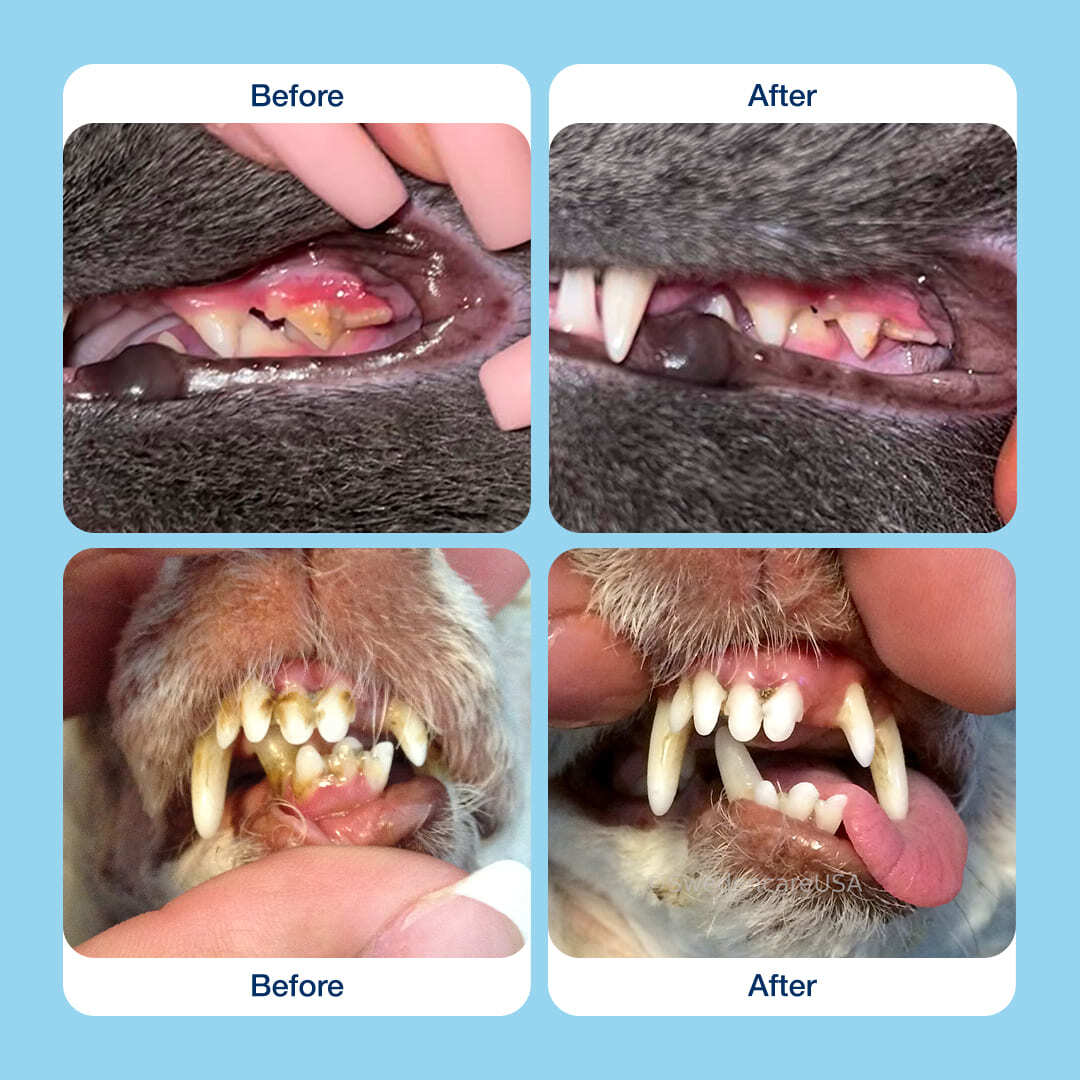
Dental problems in cats can cause significant pain and discomfort. Just like humans, cats can suffer from plaque buildup, gum disease, and tooth decay. If left untreated, these issues can lead to more severe conditions such as kidney or liver problems.
Common Dental Problems In Cats
- Gingivitis:This inflammation of the gums is often the first sign of dental trouble.
- Periodontitis:Advanced gum disease that can lead to tooth loss.
- Tooth Resorption:A painful condition where the tooth structure breaks down.
Signs Your Cat Might Have Dental Issues
Watch for symptoms like bad breath, drooling, or difficulty eating. Your cat might also show signs of pain when you touch their mouth. Regularly checking your cat's mouth can help catch these signs early.
How Regular Brushing Can Help
Brushing your cat’s teeth can prevent plaque buildup and keep their gums healthy. It may seem daunting, but starting slowly and using cat-friendly toothpaste can make it easier. A simple routine can make a big difference in maintaining your cat's dental health.
Professional Dental Care For Cats
Regular vet check-ups are essential for monitoring your cat’s dental health. Your vet can provide professional cleanings and advice on the best dental care practices for your pet. They can also detect any issues early, ensuring your cat remains healthy and happy.
Have you checked your cat's teeth recently? Don't wait for a problem to arise—prioritize their dental health today!
Signs Of Dental Problems
Brushing your cat's teeth might seem like a daunting task, but understanding the signs of dental problems can make you more aware of the importance of dental care. Cats, like humans, can experience dental issues that affect their overall health and well-being. Recognizing these signs early can prevent more serious complications and ensure your feline friend stays happy and healthy.
Signs Of Bad Breath
Have you noticed an unpleasant odor coming from your cat's mouth? While it's normal for cats to have some smell, persistent bad breath could indicate dental issues. This could be due to plaque and tartar build-up or even gum disease.
Difficulty Eating
Is your cat avoiding its favorite dry kibble or struggling with larger chunks of food? This might be a sign that chewing is painful due to dental problems. Cats may prefer softer foods or eat less overall when their teeth or gums are bothering them.
Excessive Drooling
Excessive drooling can be a red flag for dental issues. If you notice your cat drooling more than usual, it might be experiencing discomfort or pain in its mouth. This could be caused by broken teeth, gum inflammation, or oral infections.
Visible Tartar And Discolored Teeth
Take a closer look at your cat's teeth. Are they covered in yellow or brown tartar? Do they appear discolored? These are common signs of dental problems and can lead to more serious health issues if left untreated.
Swollen Or Bleeding Gums
Have you noticed any swelling or bleeding in your cat’s gums? Healthy gums should be pink and firm, not red or bleeding. Swollen or bleeding gums are often signs of gingivitis or periodontal disease.
Pawing At The Mouth
Cats sometimes paw at their mouths if they're in pain or discomfort. If you see your cat frequently doing this, it could be trying to relieve the pain caused by dental issues.
Have you ever checked your cat for these signs? If not, it might be time to take a closer look. Addressing dental problems early can prevent further complications and keep your cat in good health.
Benefits Of Brushing Cat's Teeth
Brushing your cat's teeth can prevent gum disease and bad breath. It supports overall health and reduces tartar buildup. Regular dental care can lead to a happier and healthier cat.
Brushing your cat's teeth can improve their health. Cats need clean teeth, just like people. Regular brushing keeps their mouth healthy. It can prevent many problems. Here are some benefits of brushing your cat's teeth.
Prevention Of Dental Diseases
Dental diseases can harm your cat's health. Brushing helps prevent these issues. It removes plaque and tartar. These can lead to gum disease. Regular brushing can stop these problems. It keeps your cat's mouth clean and healthy.
Freshens Cat's Breath
Bad breath is a common problem in cats. Brushing their teeth helps with this. It removes food particles and bacteria. This reduces bad breath. Your cat will have fresher breath. It's a simple way to improve their oral hygiene.
Enhances Overall Health
Good oral care affects your cat's overall health. Dental problems can lead to other health issues. Brushing helps reduce this risk. It can prevent infections that spread to other parts. A healthy mouth contributes to a healthy body.
Reduces Veterinary Costs
Brushing can save on vet bills. Preventing dental problems is cheaper than treating them. Regular brushing reduces the need for dental procedures. This can save you money. It also saves your cat from stressful treatments.
Strengthens Bond With Your Cat
Brushing your cat's teeth is a bonding activity. It shows care for their health. It can make them trust you more. This strengthens your relationship. Regular brushing time can become a positive routine for both of you.
Choosing The Right Tools
Brushing your cat's teeth might sound daunting, but choosing the right tools can make it a more manageable task. The right tools not only make the process easier but also ensure your cat's comfort and dental health. Let's explore the essentials you need to keep your feline friend's teeth sparkling clean.
Types Of Cat Toothbrushes
Cat toothbrushes come in various shapes and sizes, designed to cater to different cats and their preferences. A popular choice is the finger brush, which slips over your finger, allowing you to gently massage your cat's teeth and gums. This option offers more control and can be less intimidating for first-time brushers.
For those with more experience, a dual-ended brushmight be ideal. It features two brush sizes to accommodate both small and large areas of your cat's mouth. The longer handle is perfect for reaching those tricky spots at the back.
If your cat is particularly sensitive or wary, consider a gauze pad. Wrap it around your finger and use it to rub the teeth gently. It's not as effective as a brush but can be a great starting point for skittish cats.
Cat-friendly Toothpaste Options
Human toothpaste is a no-go for cats, as it can be harmful if ingested. Instead, opt for specially formulated cat-friendly toothpaste. These are safe for your feline and come in flavors cats love, like chicken or tuna.
Look for toothpaste that contains enzymesto help break down plaque and tartar. This can significantly reduce the need for vigorous brushing, making the process easier for both you and your cat.
Some brands offer trial sizes, allowing you to test different flavors and see which one your cat prefers. This can be especially helpful if your cat is finicky about new tastes.
Have you ever thought about how much your cat's dental health affects their overall well-being? Choosing the right tools is the first step toward ensuring they lead a healthy, happy life. What's your go-to method for keeping your cat's teeth clean?
Step-by-step Brushing Guide
Brushing your cat’s teeth can seem like a daunting task. But it's important for their dental health. With the right approach, it can become a simple routine. This step-by-step brushing guide will help you and your cat get started.
Getting Your Cat Comfortable
Start by introducing your cat to the toothbrush. Let them sniff and explore it. Use a toothbrush designed for cats. A finger brush can work well too. Make this a positive experience. Give treats or affection as rewards. Next, introduce the toothpaste. Choose a cat-safe toothpaste with a flavor they like. Let them taste it from your finger. Gradually, build positive associations with brushing.
Brushing Techniques
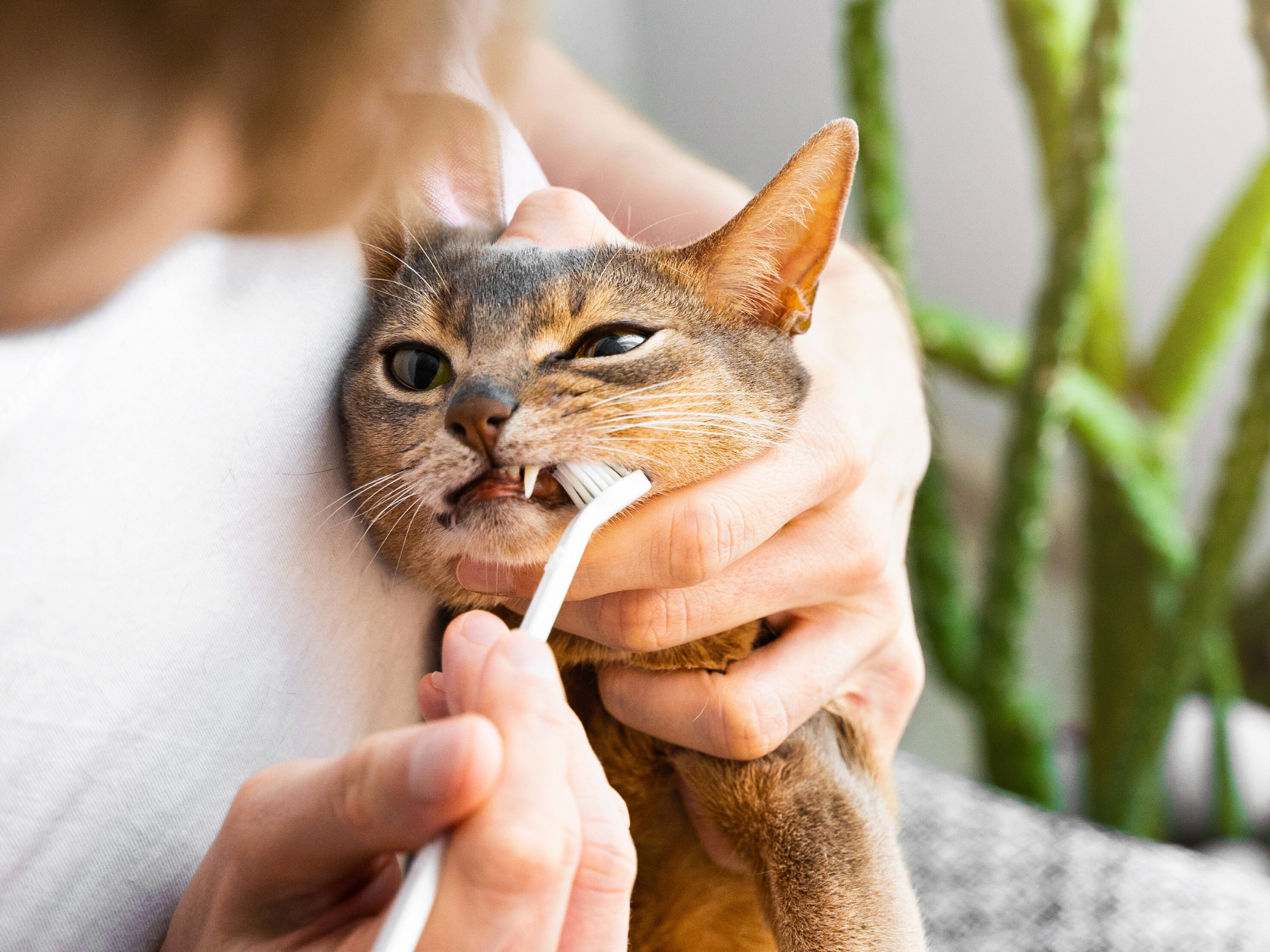
Begin with short sessions. Aim for just a few seconds at first. Hold your cat gently but firmly. Lift their lip to expose the teeth. Start by brushing a few teeth at a time. Use small, circular motions. Focus on the outer surfaces of the teeth. Gradually increase the brushing time. Work towards brushing all teeth in one session. Be patient and calm throughout the process.
Credit: uk.swedencare.com
Alternatives To Brushing
Brushing a cat's teeth can be challenging. Consider dental treats to reduce plaque and tartar. Use oral gels to maintain hygiene without brushing.
Brushing your cat's teeth can feel like an uphill battle. If you're tired of the struggle or if your cat is uncooperative, there are alternatives to brushing that can still promote dental health. Let's explore some practical options that can make a difference in your cat's oral hygiene.
Dental Treats And Chews
Dental treats and chews offer a tasty solution that cats often enjoy. These products are designed to reduce plaque and tartar build-up while providing a delightful snack. Look for treats approved by veterinary dental associations. These treats usually contain ingredients that help break down plaque. Chews can also work wonders. Some chews have a texture that gently scrapes away debris from your cat's teeth. It's a win-win – they get a fun chew session, and you get peace of mind.
Professional Dental Cleaning
Sometimes, a professional dental cleaning is the best option. Veterinary dental cleanings are thorough and can address issues you might miss. During a cleaning, a vet can remove tartar and plaque that home care can't reach. They also examine for any dental diseases or issues. Consider scheduling regular dental cleanings with your vet. It's a proactive step that can save your cat from discomfort and prevent more serious dental problems. Have you ever considered these alternatives? They might just be the game-changer in maintaining your cat's dental health without the hassle of brushing.
Common Challenges And Solutions
Brushing a cat's teeth can be tricky. Cats often resist, making it a stressful task. Using flavored toothpaste and starting slowly helps.
Brushing your cat's teeth can feel like a daunting task, but addressing the common challenges can make it much more manageable. Cats can be quite resistant to oral hygiene practices, and it's important to understand why this happens and how to effectively deal with it. By addressing the root of these issues, you can ensure your feline friend maintains a healthy mouth without the stress and struggle.
Dealing With Resistance
Many cats resist having their teeth brushed, which can lead to frustration for both you and your pet. One effective solution is to introduce the toothbrush and toothpaste gradually. Start by letting your cat sniff and explore these items without any pressure. Try using flavored toothpaste designed specifically for cats. It can make the experience more enjoyable for them. Additionally, use a soft-bristled toothbrush or even your finger wrapped in gauze to gently rub their teeth.
Addressing Anxiety And Stress
Cats can become anxious during brushing sessions, making it crucial to create a calm environment. Choose a quiet space where your cat feels safe and comfortable. You might find it helpful to brush their teeth during their most relaxed times, like after a meal or playtime. Patience is key. If your cat shows signs of stress, pause the session and try again later. Consistency will help them get used to the routine. Offering a treat or affectionate praise after each session can reinforce positive behavior, making future brushing easier. Remember, the ultimate goal is to ensure your cat's dental health while keeping the experience positive for both of you. Have you found other creative ways to ease your cat's brushing anxiety? Let us know in the comments!
Frequency And Routine
Brushing your cat's teeth regularly helps prevent dental diseases. Aim for daily brushing, or at least several times a week, to maintain your pet’s oral health.
Brushing your cat's teeth might not be the first thing on your pet care list, but it's crucial for their overall health. You might wonder how often this task should be done and how to fit it into your routine. Understanding the frequency and establishing a brushing routine can make this task more manageable and effective.
How Often Should You Brush Your Cat's Teeth?
Experts generally recommend brushing your cat’s teeth daily. This may sound ambitious, but regular brushing helps prevent plaque buildup and dental disease. If daily brushing seems overwhelming, aim for at least three times a week as a starting point.
Creating A Comfortable Routine
Start by choosing a quiet time of day when your cat is relaxed. Consistency is key, so try brushing at the same time each day. This helps your cat know what to expect and reduces stress for both of you.
Tools You Need
Invest in a cat-specific toothbrush and toothpaste. Human toothpaste can harm cats, so always use products designed for feline dental care. Consider a finger brush if your cat is nervous about a traditional toothbrush.
Making It A Positive Experience
Begin by letting your cat taste the toothpaste. Reward them with a treat or praise after each session. This positive reinforcement helps build a pleasant association with brushing time.
Adjusting The Routine As Needed
If your cat resists, don't force it. Instead, try shorter sessions and gradually increase the duration. Some days, you might only manage to brush a few teeth, and that's okay. Consistency and patience will lead to progress.
Monitoring Your Cat’s Dental Health
Pay attention to signs of dental issues like bad breath or red gums. Regular vet check-ups can also help monitor their dental health. Remember, your efforts can prevent serious health problems down the line. Creating a routine that fits your lifestyle and your cat’s temperament is essential. Have you found a unique way to brush your cat’s teeth? Share your tips in the comments!
Consulting A Veterinarian
Consulting a veterinarian is vital for your cat's oral health. Brushing your cat's teeth can prevent dental issues. Regular cleaning helps maintain fresh breath and strong teeth.
When considering whether to brush your cat's teeth, consulting a veterinarian can be a game-changer. A vet can provide you with tailored advice on dental care for your feline friend, ensuring their oral health is top-notch. Your vet's expertise can help you navigate the dos and don'ts of brushing, making the process easier for both you and your cat.
Understanding Your Cat's Dental Health
Your cat's dental health is crucial for their overall well-being. Cats can suffer from dental issues just like humans. A veterinarian can assess your cat's teeth and gums, identifying any existing problems. Regular check-ups can prevent serious conditions like periodontal disease.
Personalized Recommendations
Every cat is different, and your vet knows this. They can suggest specific tools and techniques that suit your cat's temperament and dental needs. Whether it's choosing the right toothbrush or finding the best toothpaste flavor, personalized advice can make toothbrushing less of a chore.
Addressing Concerns And Questions
You might have concerns about brushing your cat's teeth. Is it safe? Will your cat tolerate it? Your vet can address these questions, providing reassurance and practical tips. They can guide you on how to introduce brushing gradually, ensuring your cat feels comfortable.
Creating A Dental Care Plan
A comprehensive dental care plan can be a lifesaver. Your vet can help you schedule regular cleanings and suggest dietary changes that promote dental health. A structured plan can make dental care routine and effective, reducing the likelihood of complications.
Monitoring Progress
Tracking your cat's dental health over time is crucial. Your veterinarian can assist you in monitoring changes and improvements. Regular visits allow for adjustments to your care plan, ensuring your cat's teeth remain healthy. Consulting a veterinarian not only equips you with valuable information but also boosts your confidence in managing your cat's dental care. Have you had any memorable experiences at the vet? How did they change your approach to your pet's health? Your vet's insights could be the key to unlocking a healthier future for your feline companion.
Credit: paradepets.com
Frequently Asked Questions
Is It Bad If I Don't Brush My Cat's Teeth?
Neglecting to brush your cat's teeth can lead to plaque buildup, gum disease, and bad breath. Dental issues may cause pain and affect overall health. Regular brushing helps maintain oral hygiene and prevent these problems. Consult your vet for advice on proper dental care for your cat.
Is It Really Necessary To Clean Cats' Teeth?
Yes, cleaning cats' teeth is necessary to prevent dental diseases. It helps reduce plaque and tartar buildup. Regular cleaning promotes healthy gums and prevents painful infections. Use cat-friendly dental products for effective cleaning. Regular vet check-ups ensure dental health and prevent complications.
Is It Too Late To Start Brushing Cat Teeth?
It's never too late to start brushing your cat's teeth. Begin with patience and gentle techniques. Regular brushing helps maintain oral health and prevents dental issues. Gradually introduce the toothbrush and toothpaste designed for cats, ensuring a positive experience. Consistent care can improve your cat's dental hygiene over time.
How Often Should I Brush My Cat's Teeth?
Brush your cat's teeth at least 2-3 times a week. Regular brushing prevents dental issues and maintains oral health. Use a cat-specific toothbrush and toothpaste for best results. Gradually introduce brushing to make your cat comfortable with the process. Consistent care leads to healthier teeth and gums.
Conclusion
Brushing your cat's teeth benefits their health. Helps prevent dental disease. Keeps breath fresh. Reduces pain from gum issues. Cats hide discomfort well. Regular dental care makes a difference. Start slowly. Build a routine. Use cat-friendly toothpaste. Consult your vet for advice.
They offer guidance. Keep it positive. Make brushing a bonding time. Your cat deserves healthy teeth. Happy cat, happy owner. Embrace the challenge. Their health is worth it. Stay patient. You'll see improvement. Healthy teeth mean a healthier cat. Your effort pays off.
Protect their smile and health. Your cat will thank you.
