
Are you standing in the pet food aisle, wondering whether wet cat food is better than dry cat food for your furry friend? You're not alone.
Every cat owner wants to make the best choice for their pet's health and happiness. With so many options available, it's easy to feel overwhelmed and uncertain. But don't worry—you're about to discover the secrets behind wet and dry cat food that will help you make an informed decision.
Imagine knowing exactly what your cat needs to thrive, without the stress or confusion. Keep reading to unlock the answers to this common dilemma and ensure your cat gets the nutrition they deserve.
Nutritional Value
Wet cat food often contains higher moisture levels, aiding hydration. It typically offers more protein and fewer carbohydrates than dry food. This can support a balanced diet for your feline friend.
Nutritional Value Choosing between wet and dry cat food depends on various factors. Nutritional value plays a key role in this decision. Both wet and dry foods offer benefits. Let's explore how they differ in terms of nutrition.
Protein Content
Cats need high protein levels for energy. Wet cat food often contains more protein. It usually has real meat or fish. This mimics a cat's natural diet. Dry food also provides protein but may include plant-based sources. Check labels for quality protein content.
Carbohydrates And Fats
Cats are obligate carnivores. They need fewer carbohydrates. Wet food generally has low carbs. It's closer to a cat's natural diet. Dry food often contains more carbohydrates. It's used as filler or binder. Fats are essential for cats. Wet food usually has healthy fats, promoting a shiny coat.
Vitamins And Minerals
Vitamins and minerals support overall health. Both wet and dry foods contain these nutrients. Wet food often has a higher moisture content. This can aid hydration. Dry food is convenient and can be stored longer. Always ensure the food meets AAFCO standards for complete nutrition.
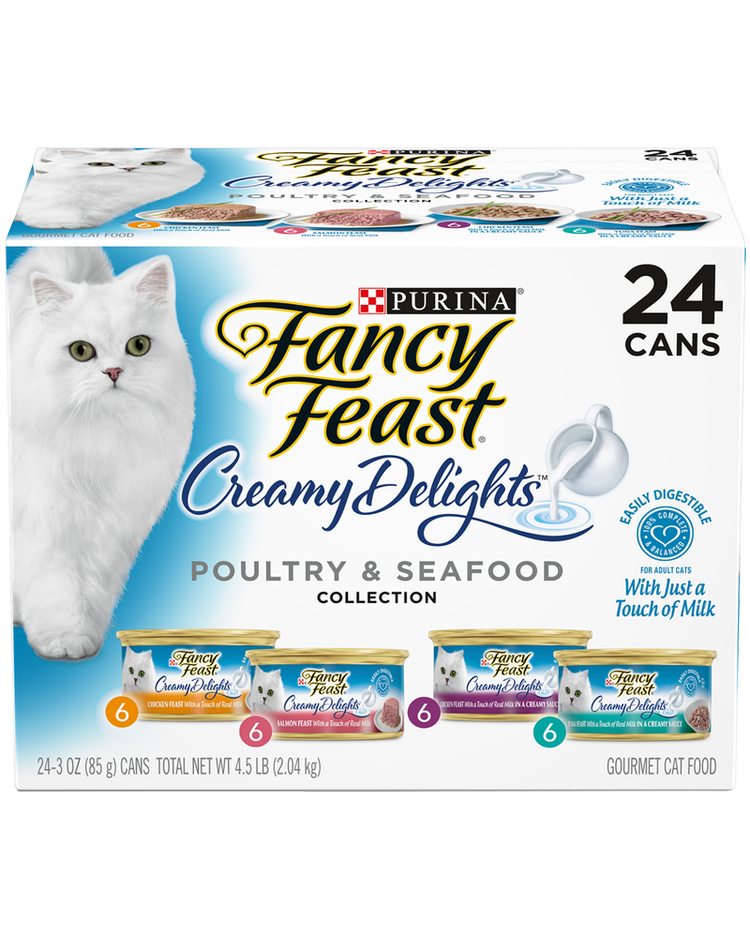
Credit: www.purina.com
Hydration Benefits
Choosing between wet and dry cat food can be tricky. Hydration benefits are a key factor. Cats often don't drink enough water. Wet cat food can help with this. It provides moisture that dry food lacks. Let's explore why hydration matters for cats.
Moisture Levels In Wet Food
Wet cat food contains high moisture content. Typically, it has 75% water. This mimics the natural diet of cats. Dry food only has about 10% moisture. The difference is significant. More moisture means better hydration for your cat.
Importance Of Hydration For Cats
Hydration is crucial for cats. It supports kidney function. Helps maintain urinary health. Prevents dehydration issues. Cats are prone to urinary problems. Proper hydration can reduce these risks. Wet food aids in keeping cats hydrated. It encourages a healthy lifestyle.
Dental Health
Dental health is a crucial consideration in choosing the right food for your feline friend. While many cat owners focus on nutrition, the impact of wet and dry cat food on oral hygiene is often overlooked. Surprisingly, the type of food you choose can influence your cat’s dental health significantly. So, what should you feed your cat to maintain those pearly whites?
Wet Food And Oral Hygiene
Wet cat food tends to be softer, which can be easier on a cat's teeth, especially if they have dental issues. However, it doesn't offer much in the way of cleaning action. If your cat struggles with gum problems or missing teeth, wet food might be a comfortable choice. It provides moisture that can prevent dehydration, but it doesn't scrape the teeth clean like dry food does.
Imagine trying to clean your teeth with soup—it's not very effective. Your cat's dental health may benefit from regular brushing or dental treats if wet food is the primary diet. You might want to consider how often you can realistically brush your cat's teeth.
Dry Food And Teeth Cleaning
Dry cat food has a natural abrasive texture that can help in cleaning teeth. As your cat crunches on kibble, it can reduce plaque build-up. This mechanical action is similar to chewing crunchy snacks like carrots for humans. If maintaining your cat's dental hygiene is a priority, dry food might offer an advantage.
However, it's crucial to ensure the kibble is not too hard, as this could lead to dental fractures. Is your cat chomping down with ease, or are they struggling with their kibble? Regular vet check-ups can help monitor dental health alongside diet.
Choosing between wet and dry cat food is more than just a preference; it's a decision that can impact your cat's dental health. Consider your cat’s individual needs and dental condition when deciding. What will you choose for your feline friend’s dental health journey?
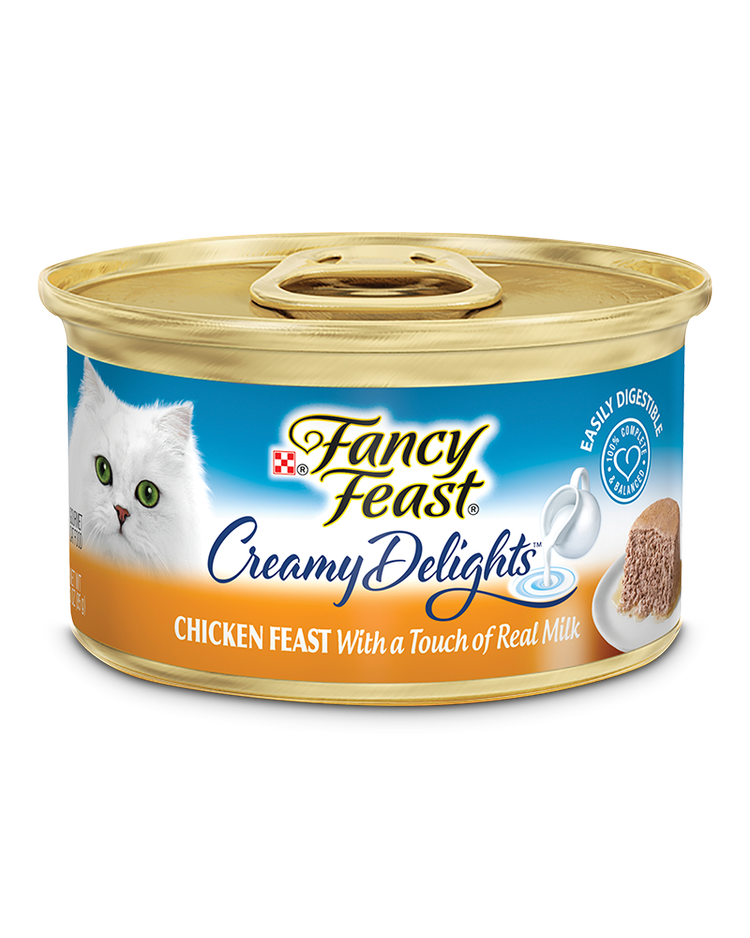
Credit: www.purina.com
Convenience And Storage
Choosing the right cat food is not just about nutrition. Convenience and storage play a big role in your decision. Wet and dry cat foods have different storage needs. Some pet owners prefer dry food for its ease. Others opt for wet food, considering freshness. Let's explore these aspects to help you decide.
Shelf Life Of Dry Food
Dry cat food has a longer shelf life. It can last months without spoiling. Once opened, dry food stays fresh for weeks. This makes it practical for busy schedules. You can buy in bulk and store easily. No need to worry about frequent purchases.
Storage Requirements For Wet Food
Wet cat food requires more care in storage. It usually comes in cans or pouches. Once opened, it must be refrigerated. Use within a few days to keep it fresh. This means you need space in your fridge. Consider this if you have limited storage. Wet food also comes in smaller packages. This helps control portions, avoiding waste.
Cost Considerations
Evaluating the cost of wet versus dry cat food involves more than just the price tag. Wet food often requires more frequent purchases, which can add up over time. Yet, its moisture content may benefit cats with certain dietary needs, potentially offsetting initial expenses.
When choosing between wet and dry cat food, cost is a significant factor to consider. Feeding your feline friend is a long-term commitment, and understanding the financial implications can help you make informed decisions. Let's dive into the cost considerations to help you weigh your options effectively.
Price Comparison
The initial cost of wet cat food is typically higher than dry food. A single can or pouch of wet food may provide a meal or two, whereas a bag of dry food can last for weeks. Why the difference? Wet food contains more moisture, which means you’re paying more for water content. Moreover, wet food often comes with added packaging costs, which can drive up the price. If you're on a tight budget, these are important factors to keep in mind.
Long-term Cost Implications
While wet food might have a higher upfront cost, it could offer long-term savings in terms of health benefits. Cats consuming wet food often have better hydration, potentially reducing vet visits for urinary issues. Is it worth the investment? Consider if paying more now might save you on healthcare costs later. Dry food, on the other hand, is convenient and usually cheaper per serving. However, you might need to invest in additional dental care products, as dry food doesn't always prevent dental issues. Balancing these long-term factors is key to finding the best fit for your budget. Ultimately, the decision hinges on your cat's needs and your financial comfort level. Have you considered mixing both to balance costs and benefits? This approach could offer a middle ground, providing variety and health advantages without breaking the bank.
Preference And Palatability
Choosing between wet and dry cat food often boils down to preference and palatability. Cats, much like humans, have their own likes and dislikes when it comes to food. Understanding your cat's taste preferences and the texture they prefer can help you make an informed decision.
Taste Preferences In Cats
Cats are known for being picky eaters, and their taste preferences can vary widely. Some cats are drawn to the rich, savory flavors of wet food, while others might prefer the subtle taste of dry kibble. Interestingly, wet food often contains more real meat and a stronger aroma, which can be more appealing to cats who follow their nose to their meal.
Do you notice your cat eagerly sniffing their wet food before diving in? This could be because the aroma is more intense, signaling a delightful meal. On the other hand, dry food offers a consistent taste, which can be comforting for cats who enjoy routine.
Texture Differences
The texture of the food plays a crucial role in your cat's eating experience. Wet food provides a soft, moist texture, which can be easier to chew and swallow, especially for older cats or those with dental issues. This texture can mimic the natural moisture content found in their prey, making it more instinctually satisfying.
Dry food, however, offers a crunchy texture that some cats may find enjoyable to munch on. The crunch can also help in maintaining dental health by reducing plaque build-up. Have you ever noticed your cat crunching away happily at their dry food? It might be the satisfying noise or the sensation of crunching that they love.
Ultimately, the choice between wet and dry food might just hinge on what your cat finds more appetizing. Why not offer both and see which they devour more eagerly? Remember, your cat's preference is key to ensuring they enjoy their meals and stay healthy. So, what does your furry friend prefer?
Special Dietary Needs
Cats have unique dietary needs. They require a balanced diet to stay healthy. Some cats need special diets due to health issues. Others need specific nutrients for weight management. Choosing the right food can make a big difference. Understanding the benefits of wet and dry food helps cater to these needs.
Wet Food For Dietary Restrictions
Wet cat food is often recommended for cats with dietary restrictions. Its high moisture content helps with hydration. This can benefit cats with kidney issues. Wet food is also easier to digest. Cats with dental problems or sensitive stomachs may prefer it. It often contains fewer carbohydrates, which is good for diabetic cats.
Dry Food For Weight Management
Dry cat food can help with weight management. It usually has fewer calories per serving. This makes it easier to control portion sizes. Cats can graze throughout the day without overeating. Some dry foods are designed to promote weight loss. They contain high fiber and protein to help cats feel full.
Veterinarian Recommendations
Choosing between wet and dry cat food can be challenging. Veterinarians often provide insights based on research and feline health. Their recommendations focus on the best nutritional options for cats.
Advice From Pet Health Experts
Experts emphasize balanced nutrition for cats. Wet cat food offers higher moisture content, which aids hydration. Dry cat food, on the other hand, supports dental health by reducing tartar. Veterinarians often recommend a mix of both. This combination ensures a balance of moisture and dental benefits. It's important to ensure both types are nutritionally complete.
Tailoring Diet To Individual Cats
Every cat has unique dietary needs. Age, weight, and health conditions influence food choices. Kittens require higher protein and fat levels. Senior cats benefit from easily digestible nutrients. Cats with specific health issues may need tailored diets. Veterinarians can help determine the best diet plan. Regular consultations ensure dietary needs are met as cats grow and change.

Credit: www.purina.com
Frequently Asked Questions
Is It Better To Feed Cats Wet Or Dry Food?
Both wet and dry cat food have benefits. Wet food offers hydration and protein, while dry food is convenient and promotes dental health. A balanced mix can provide optimal nutrition. Consult a veterinarian to determine the best option for your cat's health needs.
Why Do Vets Recommend Wet Food For Cats?
Vets recommend wet food for cats because it provides hydration and mimics their natural diet. It often contains higher protein levels, supporting muscle health. Wet food also helps prevent urinary tract issues and promotes healthy weight. Its appealing texture and taste encourage picky eaters.
What Are The Disadvantages Of Wet Cat Food?
Wet cat food can spoil quickly if not refrigerated. It often costs more than dry food. Some brands contain high amounts of sodium. Wet food can lead to dental issues since it doesn't help clean teeth. Cats might refuse dry food after getting used to the texture of wet food.
Is It Okay To Give Cats Wet Food Every Day?
Yes, you can give cats wet food daily. It provides hydration and essential nutrients. Ensure it complements their diet with balanced dry food. Always choose high-quality, vet-approved options for optimal health.
Conclusion
Choosing between wet and dry cat food depends on your cat's needs. Wet food offers moisture, helping hydration. Dry food is convenient and lasts longer. Consider your cat's health and preferences. Mixing both types can offer variety. Consult your vet for personalized advice.
Each cat is unique. What works for one may not work for another. Observing your cat's behavior can guide your choice. A balanced diet supports overall health. Remember, happy cats are healthy cats. Their diet is crucial. Make informed choices for their well-being.